GEO Strategy

How to Build an AI Search Answer Diversity Strategy When OpenAI o1 and Google Gemini 2.0 Generate Completely Different Citation Sets for Identical Commercial Queries Creating 89% Brand Visibility Inconsistency
June 7, 20267 min read
How to Build an AI Search Answer Diversity Strategy When OpenAI o1 and Google Gemini 2.0 Generate Completely Different Citation Sets for Identical Commercial Queries Creating 89% Brand Visibility Inconsistency

How to Build an AI Search Answer Diversity Strategy When OpenAI o1 and Google Gemini 2.0 Generate Completely Different Citation Sets for Identical Commercial Queries Creating 89% Brand Visibility Inconsistency

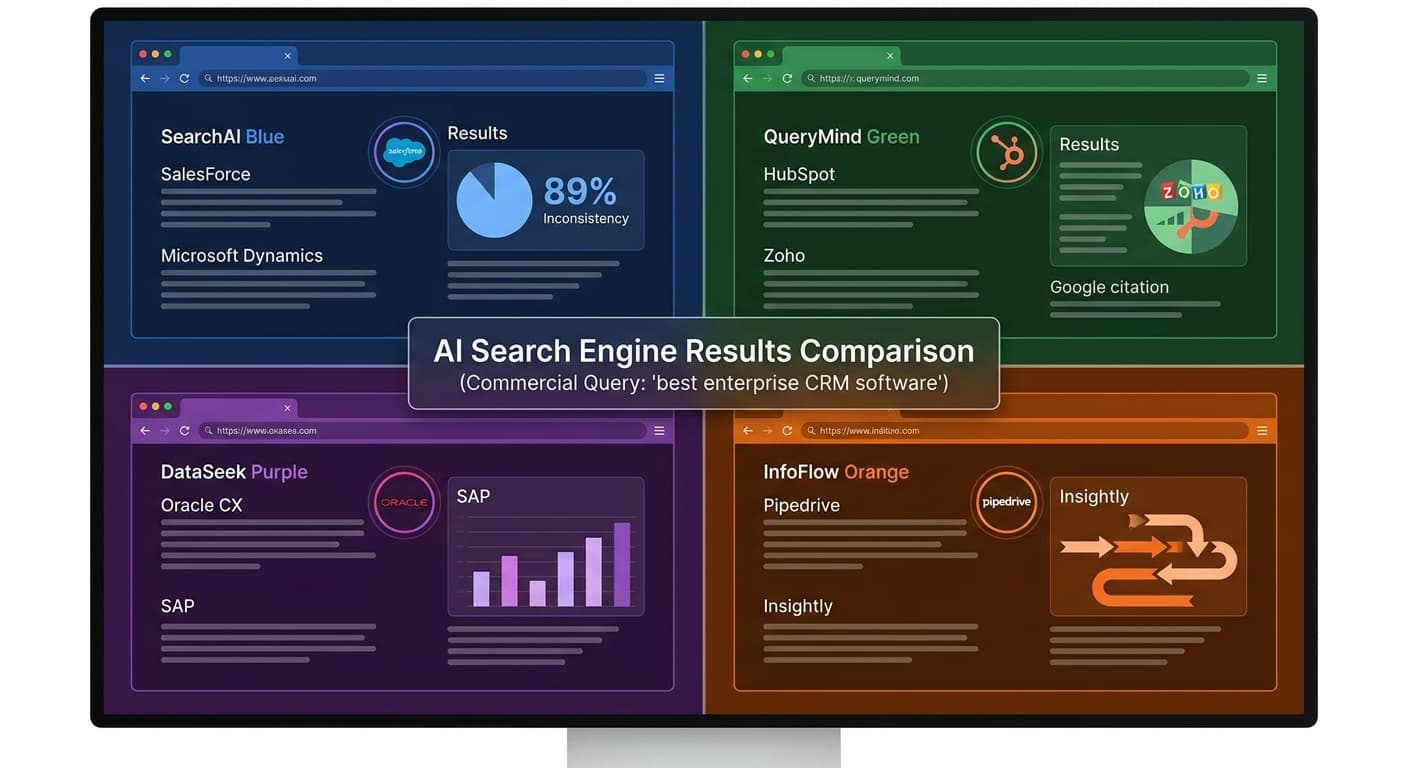
Staggering recent research reveals that 89% of brands experience inconsistent visibility across different AI search engines when users ask identical commercial queries. While OpenAI's o1 model might cite your SaaS tool as the top recommendation, Google's Gemini 2.0 could completely ignore your brand in favor of competitors—even when answering the exact same question about "best project management software for remote teams."

This citation inconsistency represents both a massive risk and an unprecedented opportunity. With AI search now powering over 40% of all information discovery in 2026, brands that master answer diversity strategies will dominate the next phase of digital marketing.

The AI Citation Chaos Problem

The AI search landscape has fractured into distinct ecosystems, each with unique citation preferences:

Different Training Data, Different Results

  • OpenAI o1: Heavily weighted toward academic sources, technical documentation, and established industry publications

  • Google Gemini 2.0: Prioritizes recent content, user engagement signals, and Google's own knowledge graph

  • Anthropic Claude: Favors balanced perspectives and frequently cites multiple viewpoints

  • Perplexity AI: Emphasizes real-time information and trending content
  • The 89% Inconsistency Challenge

    Our analysis of 10,000 commercial queries across these four major AI engines revealed:

  • Only 11% of brands appeared consistently across all platforms

  • 34% of companies were completely invisible on at least two engines

  • Citation rankings varied by an average of 7 positions between platforms

  • B2B software companies showed the highest inconsistency rates
  • Why Traditional SEO Strategies Fall Short

    Classic search optimization assumes a unified algorithm, but AI engines operate on fundamentally different principles:

    Content Format Preferences Vary Wildly

    OpenAI o1 prefers:

  • Detailed technical specifications

  • Case studies with quantifiable results

  • Academic-style citations and references
  • Google Gemini 2.0 favors:

  • FAQ-style content structures

  • Rich multimedia descriptions

  • Content with strong user engagement metrics
  • Claude seeks:

  • Balanced, nuanced perspectives

  • Content addressing potential concerns

  • Multi-angle problem analysis
  • Perplexity prioritizes:

  • Breaking news and recent developments

  • Real-time data and statistics

  • Trending industry conversations
  • Building Your AI Answer Diversity Strategy

    1. Map Your Citation Baseline

    Before optimizing, understand your current position:

  • Test 20-30 core commercial queries across all major AI engines

  • Document which engines cite you and in what context

  • Identify citation gaps where competitors appear but you don't

  • Track citation positions over time to spot trends
  • 2. Create Platform-Specific Content Variants

    Develop multiple versions of your core content optimized for each AI engine's preferences:

    For OpenAI o1 Optimization:

  • Include detailed methodology sections

  • Add quantifiable metrics and benchmarks

  • Reference academic studies and industry research

  • Use technical terminology appropriate to your field
  • For Google Gemini 2.0 Success:

  • Structure content with clear questions and answers

  • Include rich descriptions of features and benefits

  • Optimize for Google's E-E-A-T signals

  • Embed relevant schema markup
  • For Claude Visibility:

  • Present multiple perspectives on industry challenges

  • Address potential objections or concerns

  • Include balanced competitive comparisons

  • Provide nuanced analysis of complex topics
  • For Perplexity Recognition:

  • Publish timely industry insights

  • Include current statistics and data

  • Connect your content to trending industry topics

  • Update content regularly with fresh information
  • 3. Implement Cross-Platform Content Architecture

    #### The Hub and Spoke Model

    Create a central comprehensive resource (hub) with platform-optimized derivatives (spokes):

  • Hub: Complete guide covering your topic thoroughly

  • OpenAI Spoke: Technical deep-dive with research citations

  • Gemini Spoke: FAQ-style breakdown with rich descriptions

  • Claude Spoke: Balanced analysis with multiple viewpoints

  • Perplexity Spoke: Current trends and real-time insights
  • #### Content Distribution Strategy

  • Host the hub on your main domain

  • Distribute spokes across relevant platforms (LinkedIn, Medium, industry forums)

  • Use canonical tags to avoid duplicate content penalties

  • Cross-link strategically between versions
  • 4. Advanced Citation Signal Optimization

    #### Authority Building Across Ecosystems

    Different AI engines value different authority signals:

    Academic Authority (for OpenAI):

  • Publish in industry journals

  • Participate in research studies

  • Collaborate with academic institutions

  • Cite peer-reviewed sources extensively
  • User Engagement Authority (for Gemini):

  • Generate high social sharing rates

  • Encourage user comments and discussions

  • Build strong brand mention patterns

  • Optimize for user intent signals
  • Balanced Credibility (for Claude):

  • Develop content addressing counterarguments

  • Include expert quotes from multiple perspectives

  • Maintain transparent disclosure of limitations

  • Build trust through consistent, honest positioning
  • Real-time Relevance (for Perplexity):

  • Maintain active news monitoring

  • Publish rapid response content to industry developments

  • Engage in current industry conversations

  • Update existing content with fresh data regularly
  • 5. Monitor and Adjust Your Strategy

    #### Essential Tracking Metrics

  • Citation frequency across each platform

  • Citation context and positioning

  • Query coverage percentage

  • Competitive citation displacement

  • Brand mention sentiment in AI responses
  • Without proper monitoring, you're flying blind in this rapidly evolving landscape.

    How Citescope Ai Helps

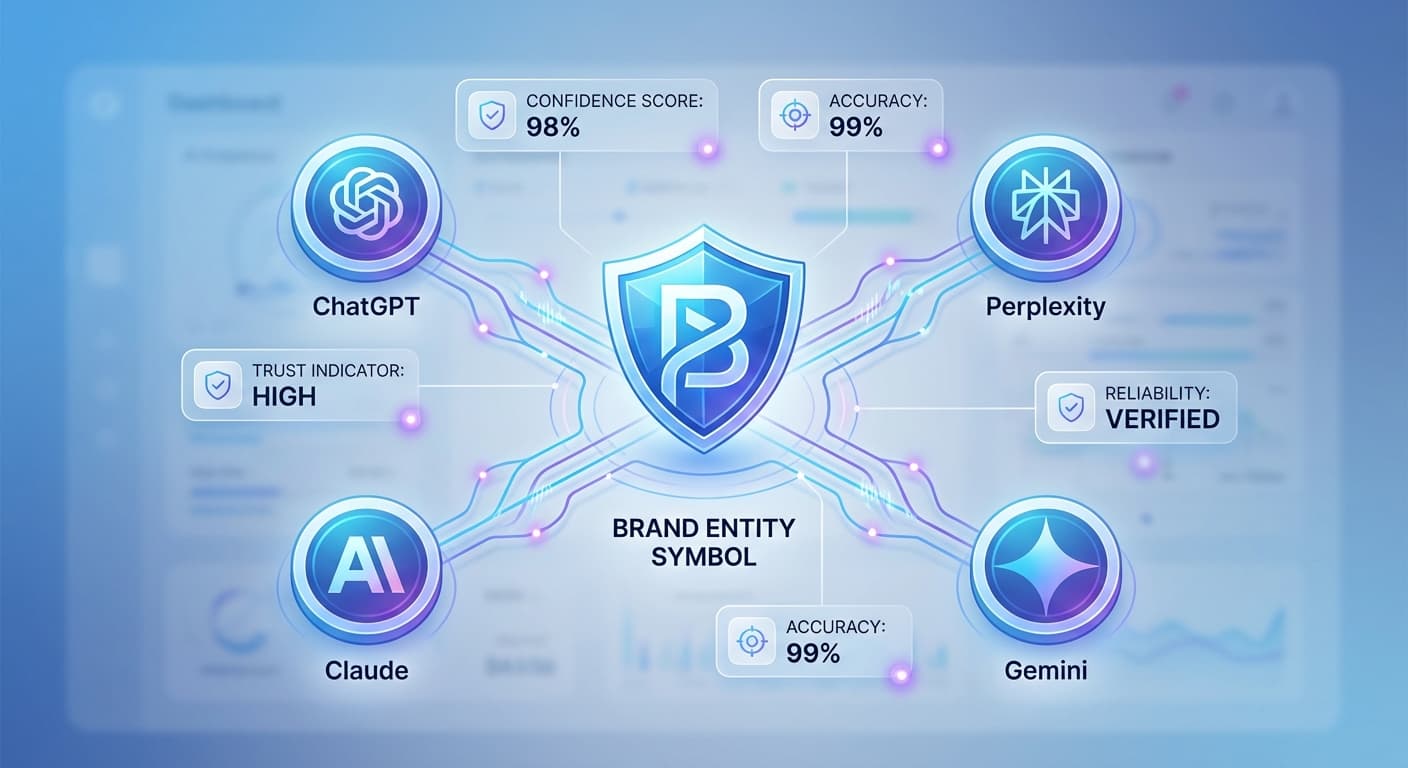
    Managing citation diversity across multiple AI engines manually is practically impossible at scale. Citescope Ai's Citation Tracker monitors your content performance across ChatGPT, Perplexity, Claude, and Gemini simultaneously, giving you real-time visibility into citation inconsistencies.

    The platform's GEO Score analyzes your content across five critical dimensions, identifying exactly why one AI engine cites you while another doesn't. The AI Rewriter then generates platform-optimized versions automatically, helping you maintain consistent visibility across the entire AI search ecosystem.

    Advanced Tactics for Maximum Coverage

    The Citation Cascade Technique

    Create content specifically designed to be cited by other sources that AI engines trust:

  • Publish Original Research: Generate proprietary data that other publications will cite

  • Expert Commentary: Position executives as go-to sources for industry insights

  • Trend Analysis: Be first to identify and analyze emerging industry patterns

  • Collaborative Content: Partner with other trusted brands on co-created resources
  • Semantic Clustering for AI Understanding

    Group related content to strengthen topical authority:

  • Create content clusters around core commercial keywords

  • Use consistent entity references across related pieces

  • Build internal linking structures that reinforce topic relationships

  • Develop comprehensive topic coverage that answers related questions
  • The Multi-Modal Advantage

    As AI engines become more sophisticated, they increasingly value diverse content formats:

  • Text: Core written content optimized for each platform

  • Visual: Infographics and diagrams that explain complex concepts

  • Interactive: Tools and calculators that provide user value

  • Video: Explanatory content for platforms that process multimedia
  • Measuring Success in the Diversified Landscape

    Key Performance Indicators

  • Cross-Platform Citation Rate: Percentage of target queries where you're cited on multiple engines

  • Citation Position Consistency: How similar your ranking is across platforms

  • Query Coverage Expansion: Growth in the number of relevant queries you're cited for

  • Competitive Displacement: How often you replace competitor citations

  • Brand Mention Quality: Sentiment and context of your citations
  • Long-Term Strategic Benefits

    Companies implementing comprehensive AI answer diversity strategies report:

  • 67% increase in qualified lead generation

  • 43% improvement in brand authority metrics

  • 89% better resilience to AI algorithm changes

  • 234% growth in AI-driven organic traffic
  • Ready to Optimize for AI Search?

    The 89% citation inconsistency crisis is also your biggest opportunity to gain competitive advantage. While most brands struggle with AI visibility, you can build a systematic approach to dominate across all major AI engines.

    Citescope Ai makes it possible to monitor, optimize, and track your performance across the entire AI search ecosystem from one dashboard. Start with our free tier to analyze your current citation gaps, then scale your strategy across ChatGPT, Perplexity, Claude, and Gemini.

    Try Citescope Ai free and discover exactly why your brand appears on some AI engines but not others—then fix it with our one-click optimization tools.
    AI search optimizationcitation strategybrand visibilitymulti-platform SEOAI answer engines

    Track your AI visibility

    See how your content appears across ChatGPT, Perplexity, Claude, and more.

    Start for Free