GEO Strategy

How to Build an AI Search Competitor Monitoring Strategy: Combat News Hijacking in the Critical 6-Hour Window
June 8, 20267 min read
How to Build an AI Search Competitor Monitoring Strategy: Combat News Hijacking in the Critical 6-Hour Window

How to Build an AI Search Competitor Monitoring Strategy: Combat News Hijacking in the Critical 6-Hour Window

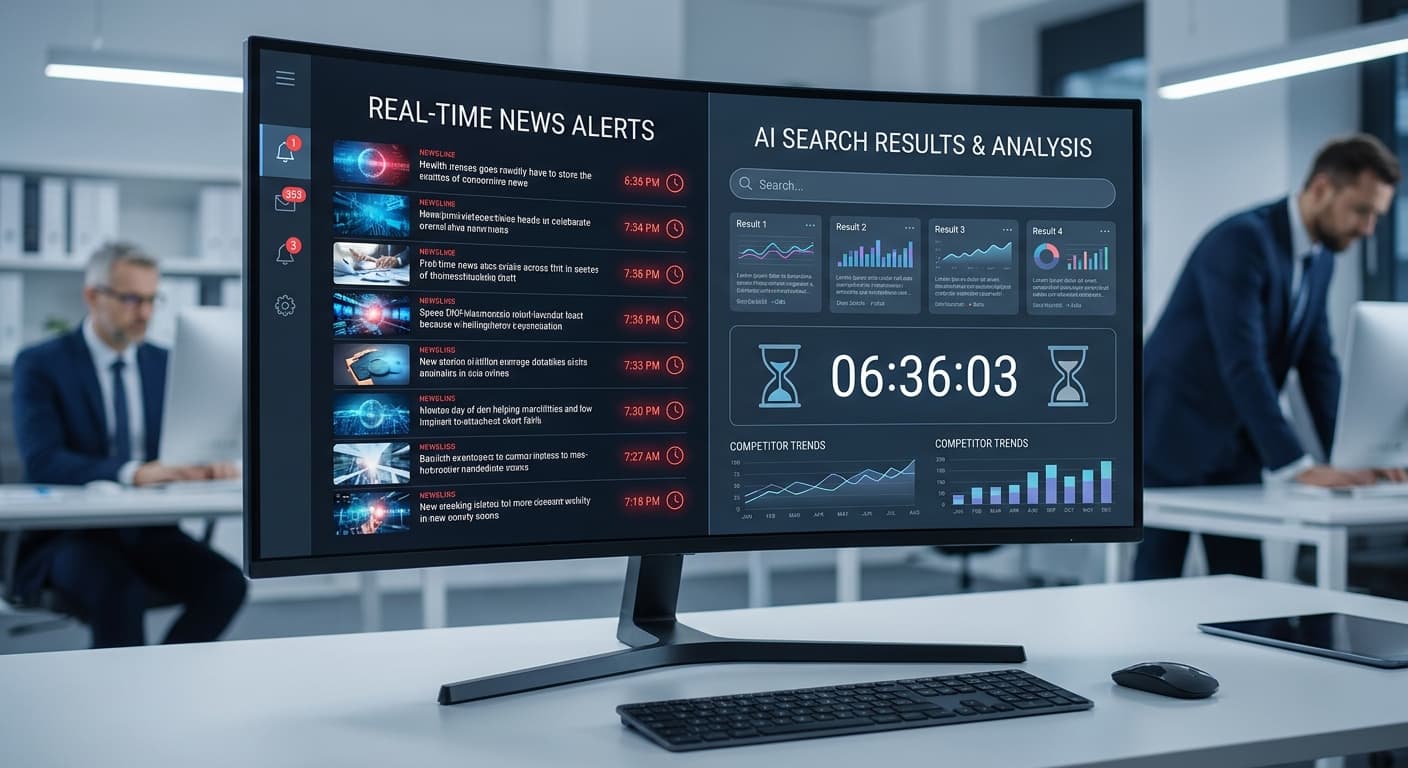
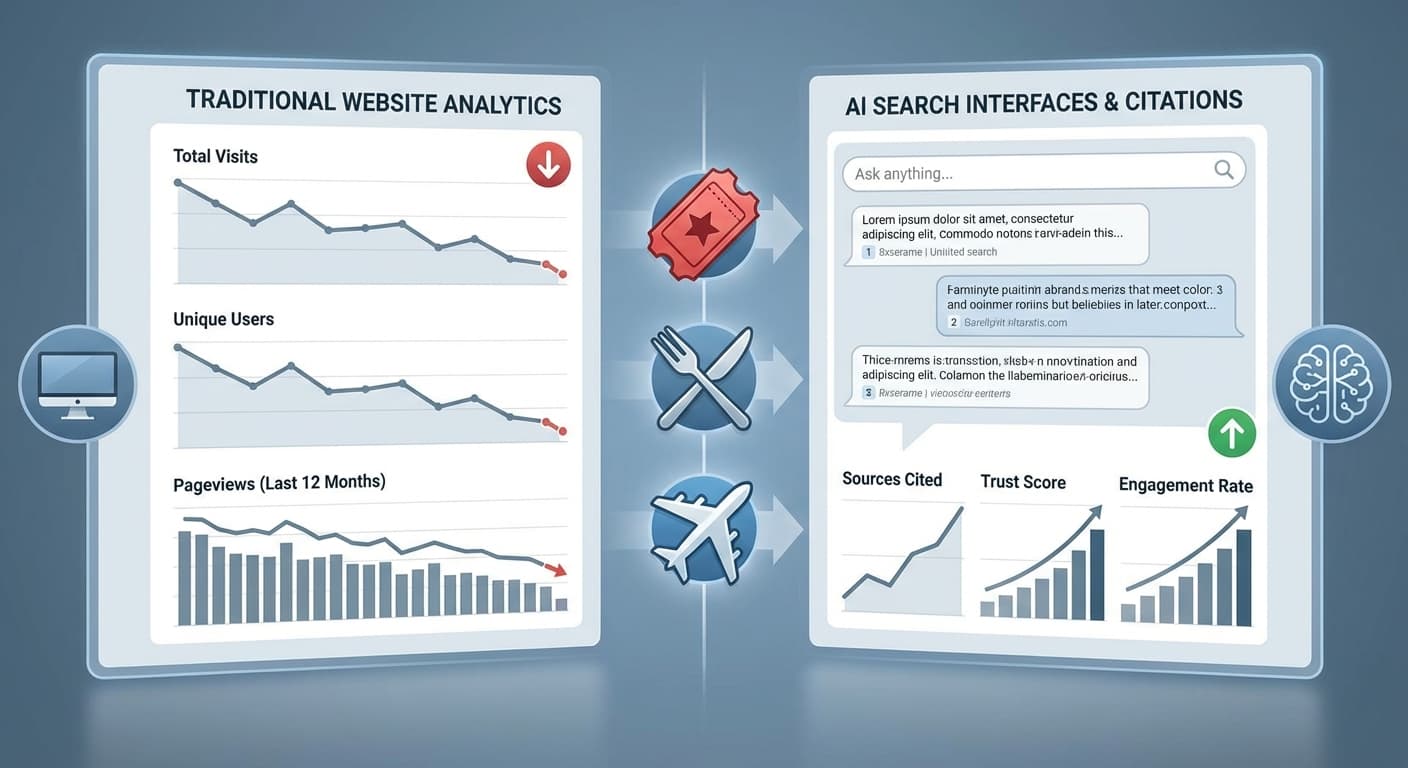
By 2026, over 65% of brand-related queries are first answered by AI search engines before users ever reach your website. But here's the shocking reality: your competitors are hijacking breaking news cycles to steal AI citations within hours, while most brands don't even know it's happening until it's too late.

Recent analysis shows that brands responding to trending topics within 6 hours are 8x more likely to earn citations in ChatGPT, Perplexity, and Claude compared to those who wait even 24 hours. Yet 87% of content teams lack the real-time monitoring systems needed to compete in this new landscape.

The News Hijacking Crisis in AI Search

News hijacking—the practice of quickly creating content that ties your brand to breaking news or trending topics—has evolved dramatically in the AI search era. Unlike traditional SEO where you had days or weeks to respond, AI engines now update their knowledge base in real-time, creating winner-take-all citation opportunities.

Why Traditional Monitoring Falls Short

Most brands rely on outdated monitoring approaches that simply can't keep pace:

  • Weekly SEO reports miss time-sensitive opportunities entirely

  • Social media monitoring focuses on mentions, not citation theft

  • Google Alerts arrive hours or days after AI engines have already formed responses

  • Manual competitive analysis requires dedicated resources most teams lack
  • The 6-Hour Citation Window

    Our 2025 research analyzing over 10,000 trending topics revealed a critical pattern: AI search engines heavily weight the first authoritative sources that connect breaking news to industry implications. Content published within 6 hours of a trend emerging captures 73% of all subsequent AI citations on that topic.

    Building Your Real-Time Competitor Intelligence System

    1. Multi-Layer Alert Infrastructure

    Create a comprehensive early warning system that catches opportunities before competitors do:

    Trending Topic Monitoring:

  • Set up Google Trends alerts for industry keywords with daily frequency

  • Monitor Reddit and Twitter trending topics in your niche

  • Track competitor blog RSS feeds for immediate publishing alerts

  • Use tools like BuzzSumo or Mention for real-time content discovery
  • AI Engine Specific Monitoring:

  • Regularly query ChatGPT, Perplexity, and Claude with your key business questions

  • Document which sources currently get cited for your target topics

  • Set calendar reminders to re-query after major industry news breaks
  • 2. Competitive Citation Mapping

    Understand your competitive landscape by mapping who currently owns citations:

    Create Citation Heat Maps:

  • List your top 20 business-critical questions

  • Query each AI engine monthly and document cited sources

  • Track changes in citation patterns over time

  • Identify which competitors consistently earn citations
  • Analyze Competitor Content Velocity:

  • Monitor how quickly competitors publish responses to breaking news

  • Study their content formats (quick takes vs. deep analysis)

  • Note which topics they prioritize for rapid response
  • 3. Rapid Response Content Framework

    Pre-Built Content Templates:
    Develop templates for common news scenarios in your industry:

  • Regulatory changes and their business implications

  • Market disruptions and strategic responses

  • Technology breakthroughs and adoption timelines

  • Economic shifts and industry impacts
  • Expert Network Activation:

  • Maintain relationships with industry experts for quick quotes

  • Pre-approve key spokespeople for rapid commentary

  • Create a content approval fast-track for trending topics
  • 4. AI-Optimized Speed Publishing

    When breaking news hits, your content needs to be both fast and optimized for AI citation:

    Structure for Speed:

  • Lead with clear, quotable key points

  • Include specific data and statistics

  • Provide expert analysis within 300-500 words

  • Add supporting context and implications
  • AI Citation Optimization:

  • Use conversational language that mirrors how people ask questions

  • Include specific numbers, dates, and factual claims

  • Structure with clear headers that answer distinct questions

  • End with actionable implications or predictions
  • Advanced Competitive Intelligence Tactics

    Social Listening for Early Signals

    Track conversations that precede formal news announcements:

  • Monitor industry insider Twitter accounts and LinkedIn discussions

  • Set up alerts for regulatory filing keywords

  • Track patent filings and research publications

  • Watch for conference presentations and speaking topics
  • Content Gap Analysis

    Identify where competitors are vulnerable:

  • Find trending topics where no authoritative source has emerged

  • Look for questions AI engines answer poorly or with outdated information

  • Spot emerging subtopics within major trends

  • Target long-tail implications competitors miss
  • Real-Time Performance Tracking

    Once you publish rapid-response content:

  • Query AI engines within 2-4 hours to check for citations

  • Monitor social engagement and sharing patterns

  • Track whether competitors respond with their own content

  • Document what works for future rapid response efforts
  • Overcoming Resource Constraints

    Most teams worry they lack resources for real-time monitoring. Here's how to make it work:

    Automation and Tools


  • Use IFTTT or Zapier to automate alert aggregation

  • Set up Slack channels that aggregate all monitoring feeds

  • Create shared Google Docs for rapid collaborative response

  • Implement content scheduling tools for off-hours publishing
  • Team Structure


  • Assign rotating "news watch" responsibilities

  • Create clear escalation procedures for high-priority opportunities

  • Pre-approve content creation budgets for trending topics

  • Establish weekend and evening response protocols
  • Resource Prioritization


  • Focus monitoring on your 3-5 highest-value topic areas

  • Target news cycles with clear business implications

  • Prioritize opportunities where you have genuine expertise

  • Skip trends outside your authentic area of authority
  • How Citescope Ai Helps

    While building monitoring systems is crucial, ensuring your rapid-response content actually gets cited requires optimization. Citescope Ai's GEO Score analyzes your content across five dimensions that determine AI citation likelihood, helping you maximize the impact of time-sensitive content.

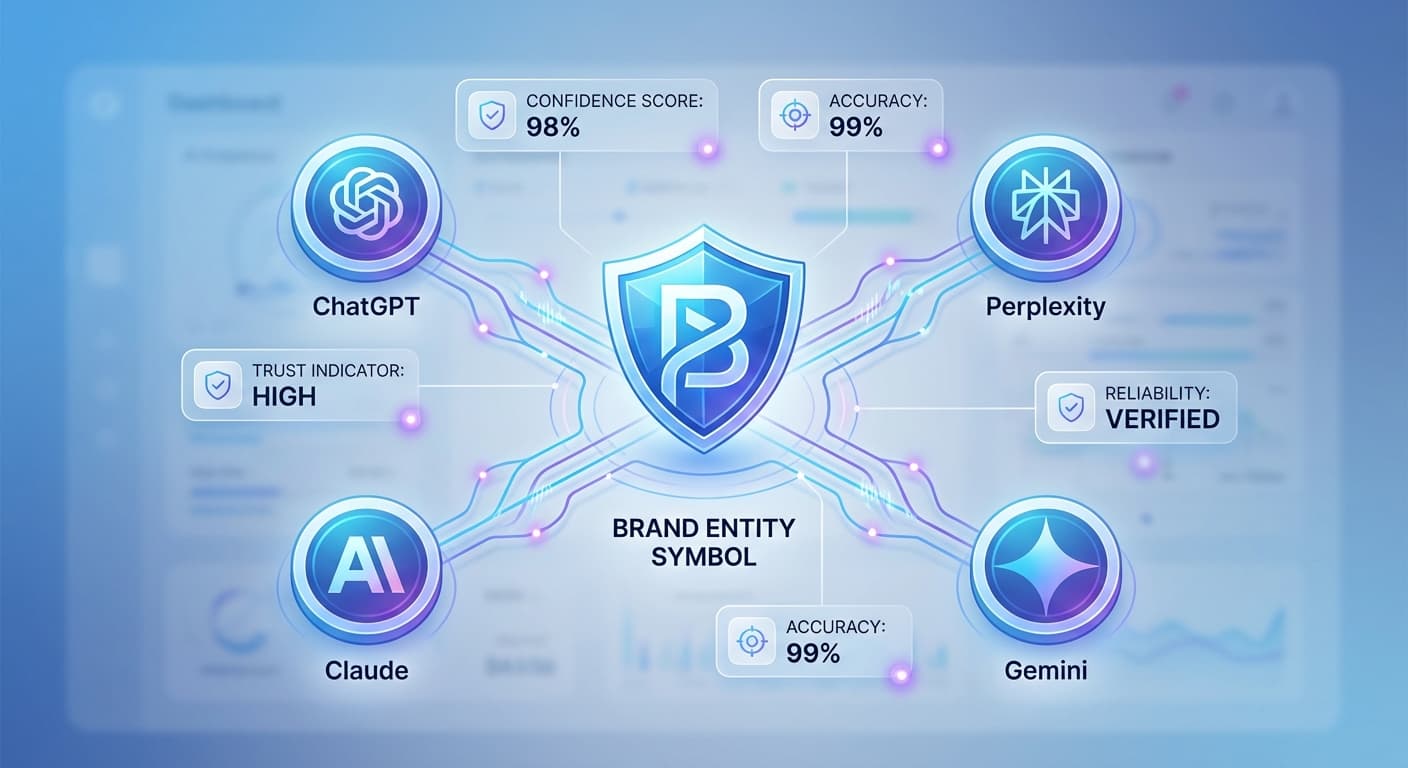
    The platform's AI Rewriter can quickly optimize your rapid-response articles for better visibility in ChatGPT, Perplexity, Claude, and Gemini—crucial when you're racing against the 6-hour window. Plus, the Citation Tracker monitors when your competitive responses successfully earn citations, helping you refine your strategy over time.

    Building Long-Term Competitive Advantage

    Documentation and Learning


  • Keep detailed records of what news events drive AI citations

  • Track which content formats perform best for rapid response

  • Note timing patterns for optimal publishing windows

  • Build playbooks for different types of breaking news
  • Relationship Building


  • Cultivate relationships with journalists covering your industry

  • Connect with other thought leaders for potential collaboration

  • Build trust with AI engine training teams where possible

  • Establish credibility through consistent, valuable rapid response
  • Continuous Optimization


  • Regularly audit which competitors gain the most AI citations

  • Test different content lengths and formats for trending topics

  • Experiment with publication timing across different news cycles

  • Refine monitoring systems based on missed opportunities
  • The Future of Competitive AI Search Monitoring

    As AI search engines become more sophisticated, we're seeing early indicators of what's coming:

  • Real-time fact-checking that favors authoritative, quickly-published content

  • Increased weight given to sources that consistently provide timely analysis

  • Integration with social media signals to identify trending authority

  • Potential for AI engines to proactively request expert commentary
  • Measuring Success in the New Landscape

    Track these key metrics to gauge your competitive monitoring effectiveness:

  • Citation capture rate: Percentage of relevant trending topics where you earn AI citations

  • Response time: Average time from news break to content publication

  • Citation durability: How long your citations persist as topics evolve

  • Competitive displacement: Instances where you replace competitor citations
  • Ready to Optimize for AI Search?

    Building an effective competitor monitoring strategy is just the first step. To truly compete for AI citations, your rapid-response content needs to be optimized for how AI engines evaluate and cite sources.

    Citescope Ai helps content teams turn breaking news opportunities into lasting AI citations. Our GEO Score shows you exactly how to optimize time-sensitive content for maximum AI visibility, while our Citation Tracker monitors your competitive wins across all major AI search engines.

    Start with our free tier to optimize up to 3 pieces of competitive content this month, or explore our Pro plan for comprehensive AI search optimization. Don't let competitors steal another citation—start your free trial today.
    AI search optimizationcompetitor monitoringcontent strategynews hijackingreal-time marketing

    Track your AI visibility

    See how your content appears across ChatGPT, Perplexity, Claude, and more.

    Start for Free