How to Build an AI Search Contingency Plan When LinkedIn Reports 60% Non-Brand Traffic Losses from AI Overviews in Early 2026
How to Build an AI Search Contingency Plan When LinkedIn Reports 60% Non-Brand Traffic Losses from AI Overviews in Early 2026
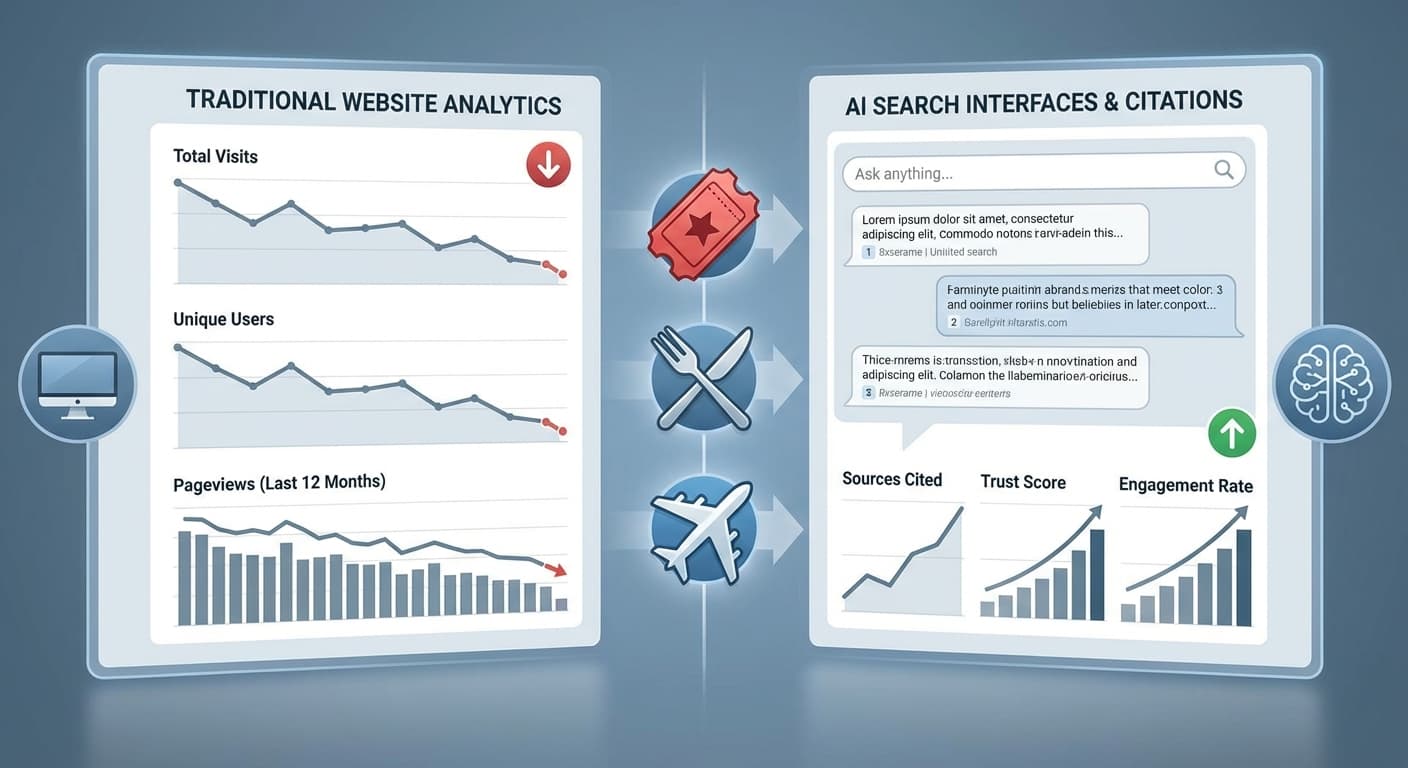
LinkedIn's shocking revelation in early 2026 sent ripples through the digital marketing world: a staggering 60% drop in non-brand organic traffic, with AI overviews being the primary culprit. When a platform as sophisticated as LinkedIn experiences such dramatic shifts, it's a wake-up call for content creators and marketers everywhere.
The numbers don't lie. By 2026, AI search engines now handle over 35% of all search queries, with ChatGPT alone processing 600 million weekly searches. Google's AI overviews appear for 73% of search results, often providing complete answers without users clicking through to source websites. For businesses relying heavily on organic search traffic, this represents an existential threat that demands immediate action.
Understanding the AI Search Landscape in 2026
The search ecosystem has fundamentally transformed. Traditional SEO strategies that focused on keyword rankings and click-through rates are becoming obsolete as AI engines prioritize different signals:
Key Changes in AI Search Behavior
The LinkedIn Wake-Up Call: What Went Wrong
LinkedIn's traffic loss wasn't just about algorithm changes—it highlighted fundamental gaps in AI search preparedness:
Building Your AI Search Contingency Plan
1. Audit Your Current AI Visibility
Before you can protect against traffic losses, you need to understand your current position in the AI search ecosystem.
Essential Questions to Answer:
2. Diversify Your Content Distribution Strategy
Don't put all your eggs in the traditional search basket. Create multiple touchpoints with your audience:
Multi-Channel Approach:
3. Optimize Content for AI Citation
AI engines favor content that's easy to parse, factually accurate, and well-structured. Here's how to make your content more citation-worthy:
#### Content Structure Best Practices
#### Writing for AI Comprehension
4. Implement Real-Time Monitoring
You can't manage what you don't measure. Set up systems to track your AI search performance:
Key Metrics to Monitor:
5. Create AI-First Content Formats
Develop content specifically designed for AI consumption:
#### FAQ Pages
Structure comprehensive FAQ sections that directly answer common queries in your industry.
#### How-To Guides
Create step-by-step tutorials that AI engines can easily reference and cite.
#### Data-Rich Articles
Publish content with original research, statistics, and insights that AI engines value as authoritative sources.
#### Glossaries and Definitions
Develop comprehensive glossaries that position you as the go-to source for industry terminology.
6. Build Authority Through Expert Content
AI engines prioritize authoritative sources. Establish your expertise through:
Emergency Response Protocols
When traffic drops occur, having a rapid response plan is crucial:
Immediate Actions (First 48 Hours)
Short-Term Recovery (1-2 Weeks)
Long-Term Adaptation (1-3 Months)
How Citescope Ai Helps
Navigating the AI search landscape doesn't have to be overwhelming. Citescope Ai provides the tools and insights you need to build an effective contingency plan:
GEO Score Analysis: Our comprehensive scoring system evaluates your content across five critical dimensions—AI Interpretability, Semantic Richness, Conversational Relevance, Structure, and Authority—giving you a clear 0-100 score that shows exactly where your content stands.
AI Rewriter: Transform your existing content with one-click optimization that restructures it for maximum AI visibility while maintaining your unique voice and message.
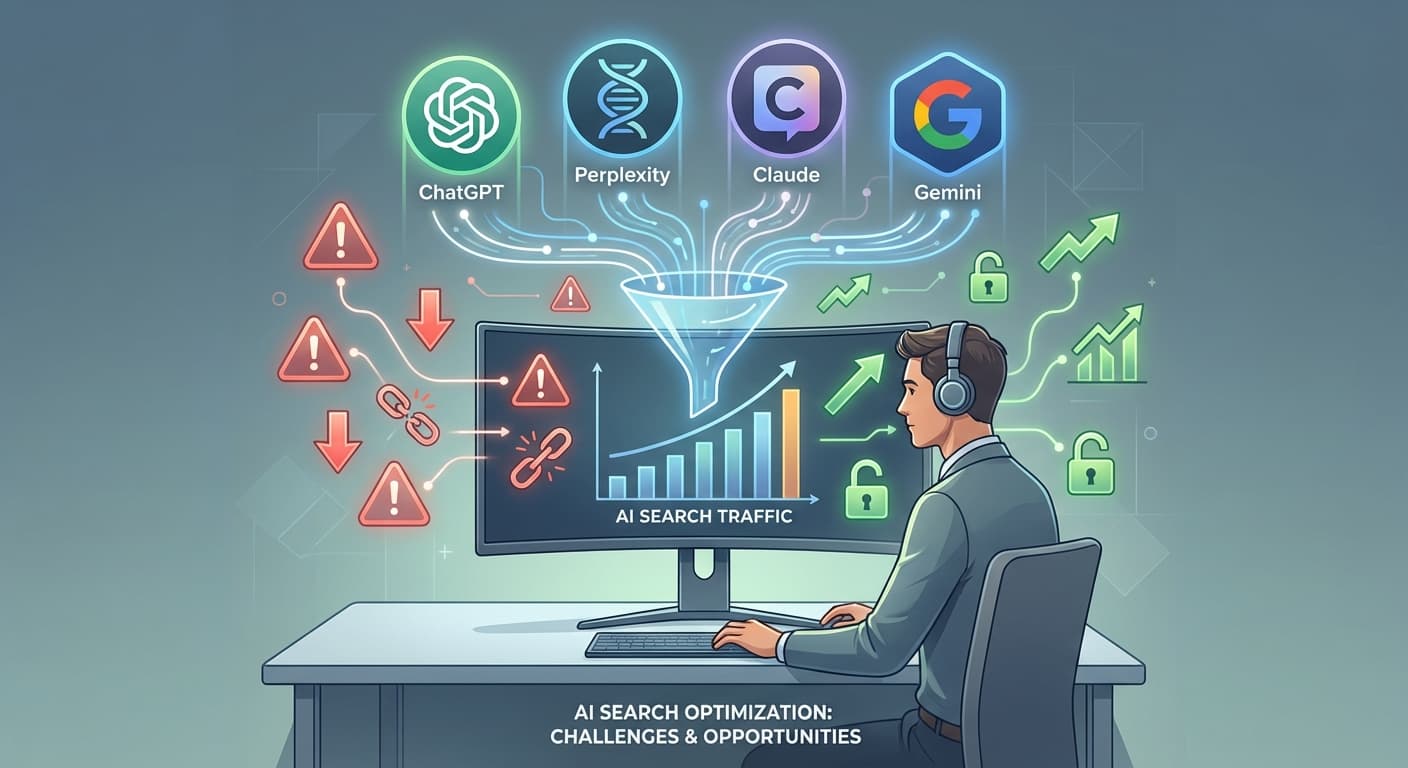
Citation Tracker: Monitor in real-time when your content gets cited by ChatGPT, Perplexity, Claude, and Gemini, giving you the data you need to understand your AI search performance.
Multi-format Export: Download your optimized content in Markdown, HTML, or WordPress blocks, making it easy to implement across all your platforms.
The Future-Proof Content Strategy
The LinkedIn case study serves as a crucial reminder that the digital landscape continues to evolve rapidly. Organizations that adapt quickly and build robust contingency plans will not only survive but thrive in the AI-dominated search environment.
Successful content creators in 2026 are those who:
Ready to Optimize for AI Search?
Don't wait for your own traffic crisis to build your AI search contingency plan. Citescope Ai gives you the tools to audit, optimize, and monitor your content's performance across all major AI search engines. Start with our free tier (3 optimizations per month) to see how your content performs, then upgrade to Pro ($39/month) or Enterprise ($99/month) for comprehensive AI search optimization. Take control of your content's future in the age of AI search—your traffic depends on it.