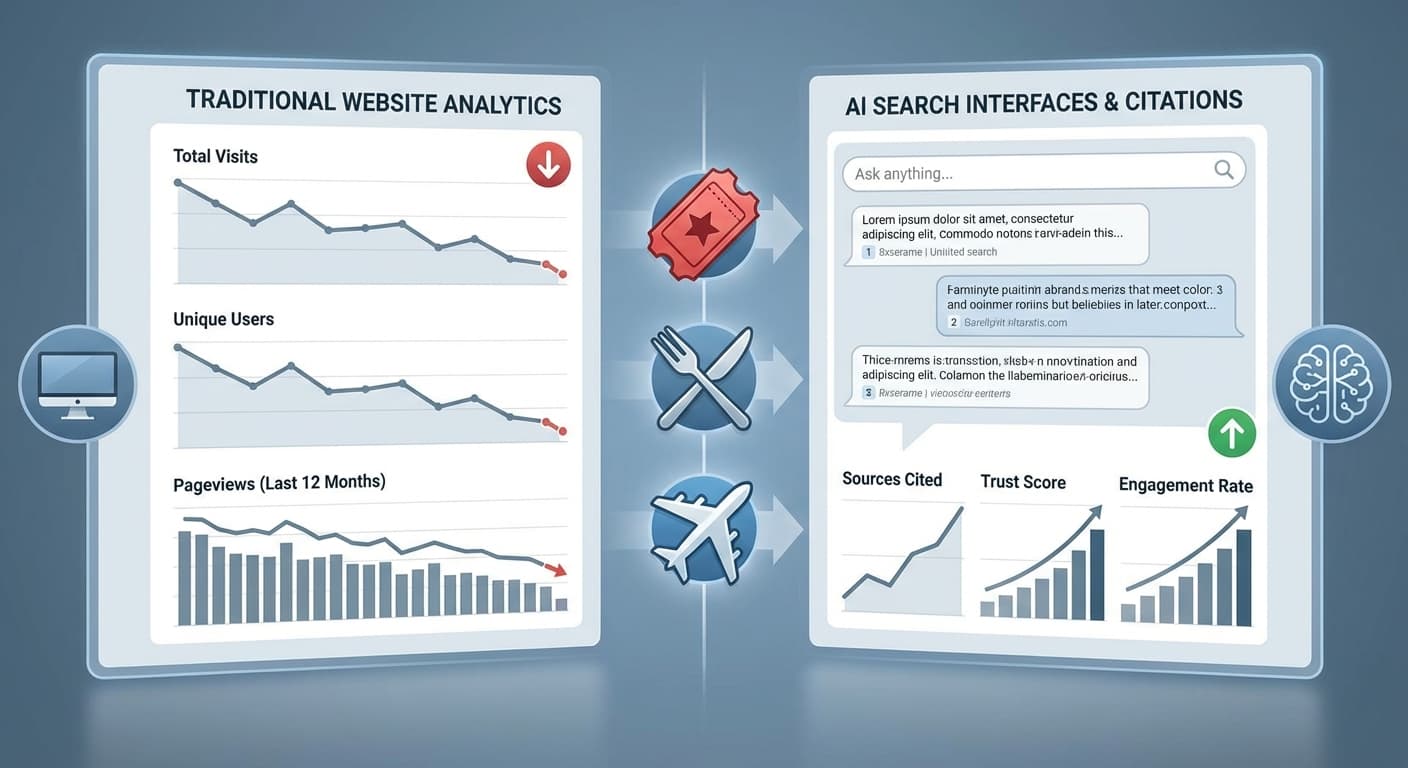
How to Build an AI Search Enterprise Procurement Defense Strategy When AI-Powered Vendor Evaluation Tools Auto-Reject 67% of B2B Brands That Lack Real-Time API Integrations During Automated RFP Screening
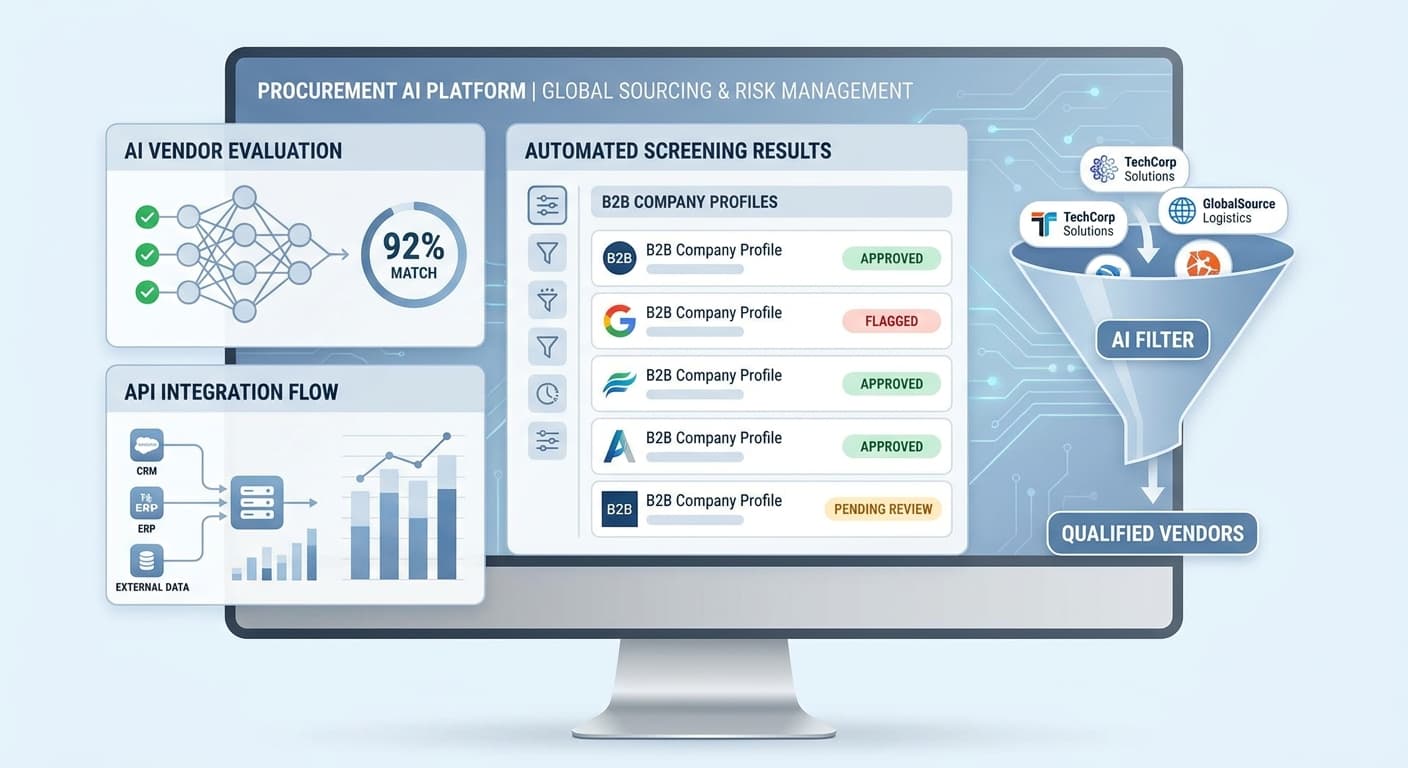
How to Build an AI Search Enterprise Procurement Defense Strategy When AI-Powered Vendor Evaluation Tools Auto-Reject 67% of B2B Brands That Lack Real-Time API Integrations During Automated RFP Screening
The AI Procurement Revolution is Silently Filtering Out Your Business
Imagine losing a $2.4 million enterprise contract before a human even sees your proposal. That's the harsh reality for 67% of B2B companies in 2026, as AI-powered procurement systems automatically screen out vendors who lack real-time API integrations during the initial RFP evaluation phase.
Enterprise procurement has undergone a seismic shift. What once took procurement teams weeks to evaluate now happens in minutes through sophisticated AI systems that can process hundreds of vendor responses simultaneously. These systems don't just read your proposals—they actively validate your technical capabilities, assess your digital infrastructure, and score your integration readiness before human decision-makers ever enter the picture.
Understanding the New AI-First Procurement Landscape
The Numbers That Should Worry Every B2B Leader
Recent procurement technology studies reveal startling statistics:
These AI systems aren't just checking boxes—they're performing sophisticated analysis of your digital footprint, API documentation quality, and integration readiness. Companies that haven't adapted to this new reality are losing opportunities they never knew existed.
How AI Procurement Systems Actually Work
Modern AI procurement platforms operate on multiple evaluation layers:
Building Your AI Search Defense Strategy
1. Optimize Your Technical Documentation for AI Discovery
Your API documentation isn't just for developers anymore—it's a critical sales asset that AI systems evaluate. Here's how to make it AI-friendly:
Create Structured API Documentation:
Implement Schema Markup:
2. Develop Real-Time Integration Proof Points
AI procurement systems actively test your integration capabilities. Ensure you're ready:
Build Sandbox Environments:
Showcase Integration Success Stories:
3. Enhance Your Content for AI Procurement Queries
AI systems ask sophisticated questions about vendor capabilities. Your content needs to anticipate and answer these queries:
Common AI Procurement Questions Your Content Should Address:
Content Optimization Strategies:
When optimizing content for AI procurement systems, tools like Citescope Ai's GEO Score become invaluable. The platform analyzes your content across five critical dimensions—including AI Interpretability and Semantic Richness—giving you insights into how well your technical documentation performs in AI-powered evaluation systems.
4. Implement Proactive API Monitoring and Optimization
Real-Time Performance Tracking:
Continuous Documentation Updates:
5. Create AI-Friendly Vendor Profiles
Modern procurement AI looks beyond basic company information. Build comprehensive vendor profiles that include:
Technical Capability Matrices:
Integration Timeline Projections:
Advanced Strategies for AI Procurement Success
Semantic SEO for B2B Technical Content
AI procurement systems use advanced natural language processing to understand vendor capabilities. Your content needs to speak their language:
Multi-Modal Content Strategy
AI systems increasingly evaluate various content formats:
Competitive Intelligence and Positioning
Understand how AI systems compare vendors:
Measuring Your AI Procurement Readiness
Key Performance Indicators to Track
Technical Metrics:
Content Performance Metrics:
Business Impact Metrics:
How Citescope Ai Helps Optimize Your Procurement Defense Strategy
Building an effective AI procurement defense strategy requires sophisticated content optimization and continuous monitoring. Citescope Ai's comprehensive platform addresses these challenges:
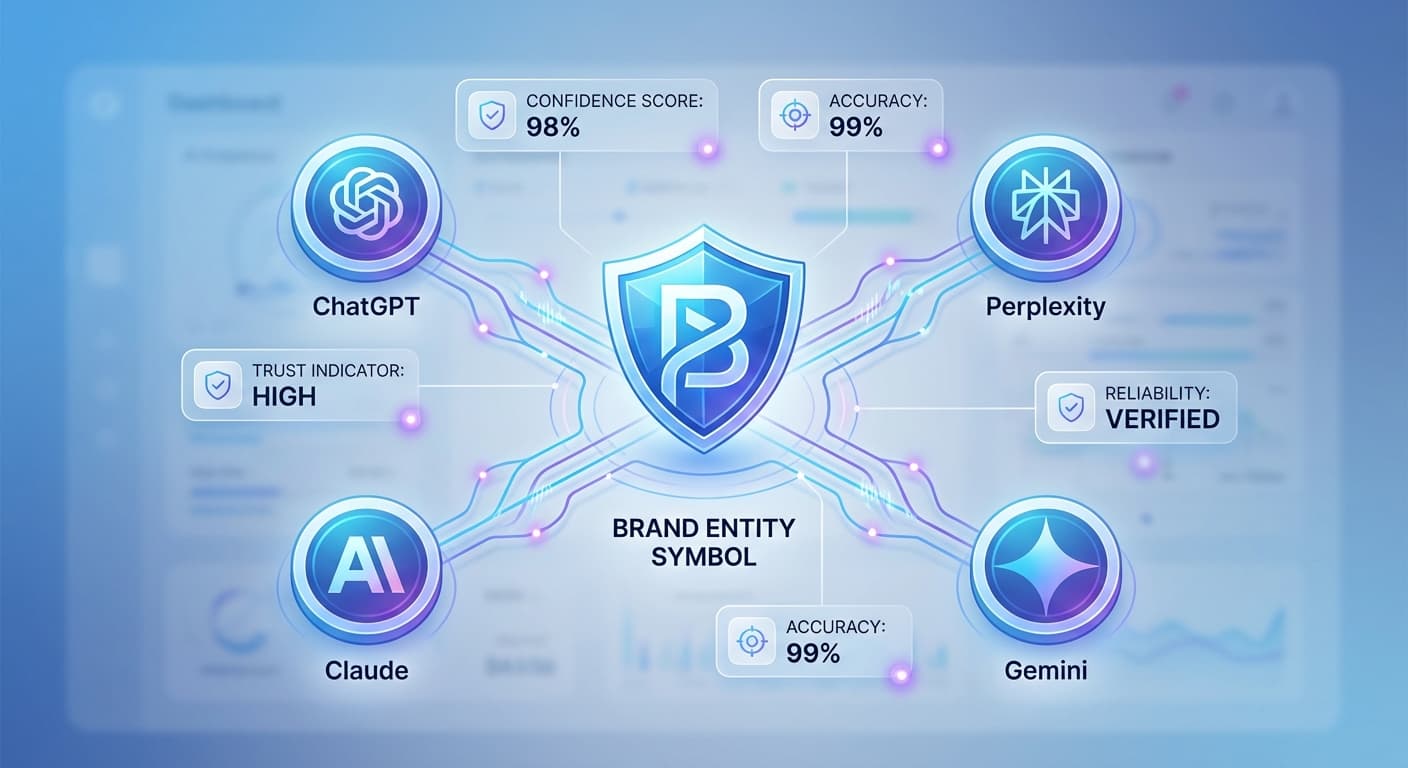
GEO Score Analysis: Get detailed insights into how well your technical documentation and API guides perform across AI search engines like ChatGPT, Perplexity, and Claude—the same engines often powering procurement AI systems.
AI Rewriter Optimization: Transform existing technical content into AI-friendly formats that better answer procurement system queries. The one-click optimization restructures your content for maximum AI interpretability.
Citation Tracking: Monitor when your technical content gets referenced by AI systems, helping you understand which information procurement AI finds most valuable.
Multi-Format Export: Easily distribute optimized technical content across different platforms and documentation systems using Markdown, HTML, or WordPress formats.
Implementation Roadmap: Your 90-Day Action Plan
Days 1-30: Foundation Building
Days 31-60: Content Optimization
Days 61-90: Advanced Implementation
Ready to Optimize for AI Search?
The AI procurement revolution isn't coming—it's here. Companies that adapt their content and technical documentation strategies now will capture opportunities while competitors get filtered out by automated systems. Citescope Ai provides the tools and insights needed to optimize your content for AI search engines and procurement systems. Start with our free tier to analyze your current content performance, then scale up as you see results. Don't let 67% rejection rates become your reality—take action today to future-proof your B2B success.