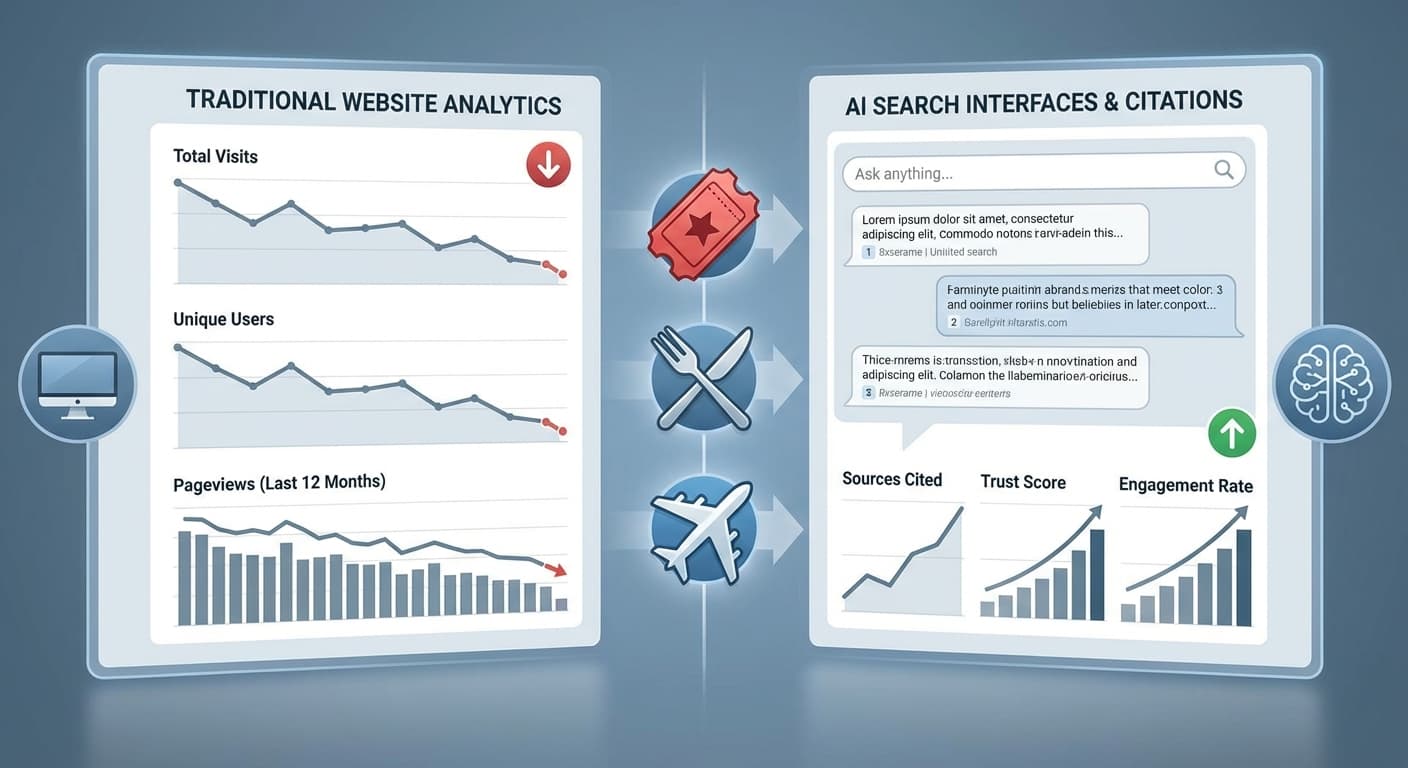
How to Build an AI Search Hallucination Recovery Strategy When 67% of AI-Generated Brand Mentions Contain Factual Errors
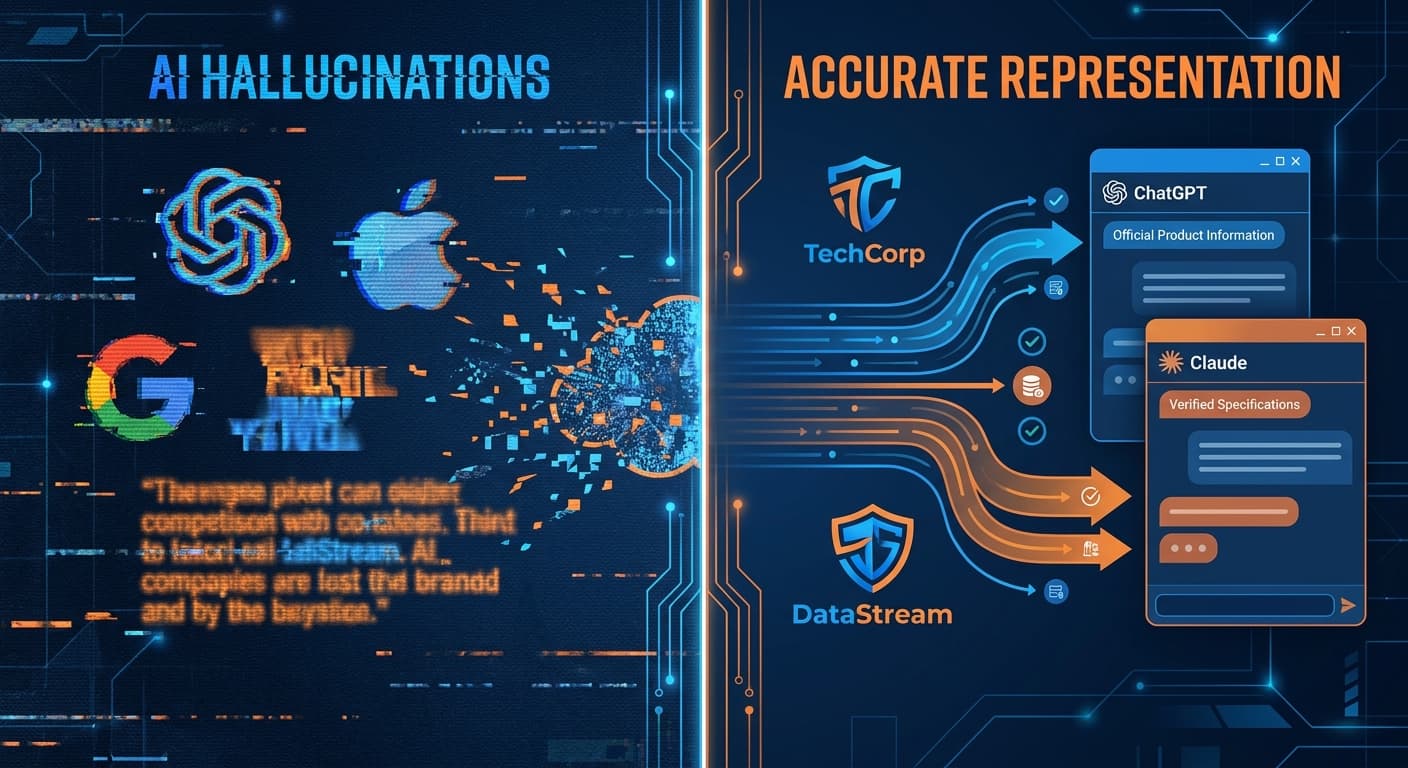
How to Build an AI Search Hallucination Recovery Strategy When 67% of AI-Generated Brand Mentions Contain Factual Errors
When a potential customer asks ChatGPT about your company and gets told you went out of business in 2023, or Claude confidently states your flagship product costs twice what it actually does, you've just experienced the dark side of AI search dominance. With AI handling over 35% of all search queries in 2026 and a staggering 67% of AI-generated brand mentions containing factual errors, your brand's reputation is at the mercy of algorithmic hallucinations.
The stakes couldn't be higher. Recent studies show that 73% of consumers now trust AI-generated information as much as traditional search results, and 89% of Gen Z users won't verify AI responses before making purchase decisions. When these systems hallucinate about your brand, the damage happens before prospects ever reach your website.
The Hidden Cost of AI Hallucinations in 2026
AI hallucinations aren't just technical glitches—they're business-critical threats that can cost companies millions in lost revenue and damaged credibility. Here's what the latest data reveals:
Current Hallucination Landscape
Most Common Hallucination Types
Understanding Why AI Systems Hallucinate About Your Brand
Before building your recovery strategy, you need to understand the root causes of AI hallucinations:
Outdated Training Data
Most AI models have training data cutoffs, meaning they might reference old information about your company, products, or services. When ChatGPT was last trained on data from early 2024, any changes to your business after that date won't be reflected in its responses.
Conflicting Information Sources
When AI systems find contradictory information about your brand across different sources, they often create "compromise" answers that satisfy neither version of the truth. This commonly happens with pricing, product specs, and company details.
Context Collapse
AI models sometimes merge information from different companies with similar names, products, or industries, creating hybrid descriptions that don't accurately represent any single entity.
Amplification of Minor Sources
A single inaccurate blog post or outdated press release can be amplified by AI systems, especially if it contains specific details that seem authoritative.
Building Your AI Hallucination Recovery Strategy
Step 1: Conduct a Comprehensive AI Audit
Start by systematically testing how major AI platforms represent your brand:
Essential Queries to Test:
Tools for Monitoring:
Step 2: Create Authoritative Source Content
The most effective way to combat hallucinations is to flood AI training sources with accurate, consistent information about your brand.
Content Priorities:
Optimization Techniques:
Step 3: Implement Multi-Platform Distribution
Ensure your authoritative content reaches the sources AI systems are most likely to reference:
Primary Distribution Channels:
Content Syndication Strategy:
Step 4: Leverage AI Platform Features
Several AI platforms now offer tools for businesses to correct inaccuracies:
ChatGPT Business Verification:
Google's AI Overview Optimization:
Perplexity Citation Optimization:
Step 5: Build Rapid Response Protocols
When new hallucinations emerge, speed matters. Create systems for quick identification and correction:
Daily Monitoring Routine:
Response Escalation Process:
Advanced Hallucination Prevention Techniques
Semantic Optimization
Optimize your content using semantic SEO principles that help AI systems understand context:
Authority Building
Increase the weight AI systems give to your official sources:
Proactive Myth-Busting
Address potential hallucinations before they spread:
Measuring Your Recovery Strategy Success
Key Performance Indicators
Long-term Monitoring
How Citescope Ai Helps
While building a comprehensive hallucination recovery strategy requires multiple approaches, Citescope Ai streamlines the content optimization process that's crucial for success. The platform's GEO Score analyzes your content across five key dimensions—AI Interpretability, Semantic Richness, Conversational Relevance, Structure, and Authority—giving you a clear roadmap for creating content that AI systems will accurately reference.
The Citation Tracker feature is particularly valuable for monitoring your recovery efforts, showing you exactly when and how your content gets cited by ChatGPT, Perplexity, Claude, and Gemini. This real-time feedback allows you to quickly identify which optimization strategies are working and which need adjustment.
Building Long-Term AI Reputation Resilience
As AI search continues to evolve, your hallucination recovery strategy must adapt. Focus on:
Continuous Content Refresh:
Stakeholder Education:
Technology Integration:
Ready to Optimize for AI Search?
Don't let AI hallucinations damage your brand's reputation. Citescope Ai provides the tools you need to create content that AI systems will accurately cite and reference. With our GEO Score analysis, one-click optimization, and real-time citation tracking, you can build a robust defense against AI misinformation while improving your overall AI search visibility.
Start your free trial today and optimize up to 3 pieces of content per month. Take control of how AI represents your brand before hallucinations cost you your next customer.