AI & SEO

How to Build an AI Search Measurement Infrastructure When Traditional Analytics Fall Short
April 9, 20268 min read
How to Build an AI Search Measurement Infrastructure When Traditional Analytics Fall Short

How to Build an AI Search Measurement Infrastructure When Traditional Analytics Fall Short

Did you know that 69% of searches now end without a click, and traditional analytics tools like Google Analytics 4 can't differentiate between AI-assisted traffic and regular organic sessions? As AI search engines like ChatGPT, Perplexity, and Claude continue to dominate the search landscape in 2026, businesses are flying blind when measuring their content's true reach and impact.

With AI search now accounting for over 35% of all queries and 500+ million weekly ChatGPT users alone, the old measurement playbook is officially broken. If you're still relying solely on GA4 to understand your content performance, you're missing the bigger picture of how modern searchers actually discover and engage with your brand.

The Analytics Gap That's Costing Businesses Visibility

Why Traditional Metrics Miss the Mark

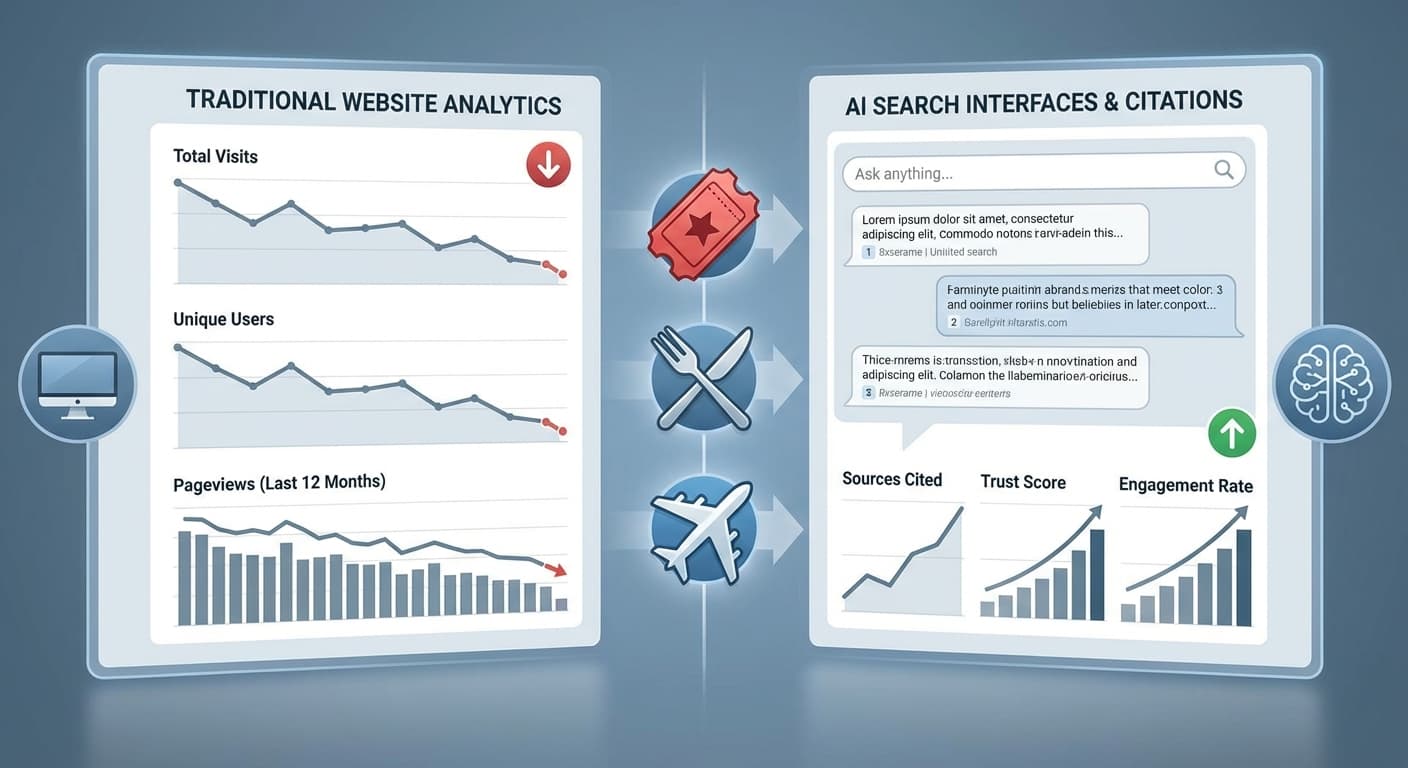
Google Analytics 4 was built for a world where users clicked through to websites. But in 2026's AI-first search environment, the customer journey looks radically different:

  • Zero-click dominance: 69% of searches end without a website visit

  • AI-mediated discovery: Users get answers directly from AI engines that may cite your content

  • Invisible attribution: When AI tools reference your expertise, traditional analytics show zero activity

  • Cross-platform complexity: Content gets cited across ChatGPT, Perplexity, Claude, and Gemini without consistent tracking
  • The Hidden ROI Problem

    Consider this scenario: Your company publishes an in-depth guide on "sustainable supply chain management." Traditional analytics might show:

  • 2,000 page views

  • 3-minute average session duration

  • 15% bounce rate
  • But what analytics can't show you is that:

  • ChatGPT cited your guide in 50,000+ conversations

  • Perplexity referenced your data in 25,000 responses

  • Your brand became the go-to source for sustainability insights across AI platforms
  • You're delivering massive value and building authority, but your measurement infrastructure is blind to it.

    Building Your AI Search Measurement Framework

    Step 1: Establish AI Visibility Baselines

    Before you can measure improvement, you need to understand your current AI search presence:

    Content Audit for AI Optimization

  • Analyze your top 20 pieces of content using AI interpretability scoring

  • Identify which content formats perform best in AI responses

  • Map your content's semantic richness and conversational relevance

  • Document current citation patterns across different AI engines
  • Competitive Intelligence

  • Research which competitors get cited most frequently in AI responses

  • Analyze the content structures and formats that AI engines prefer

  • Identify content gaps where AI tools currently provide incomplete answers
  • Step 2: Implement Multi-Channel Citation Tracking

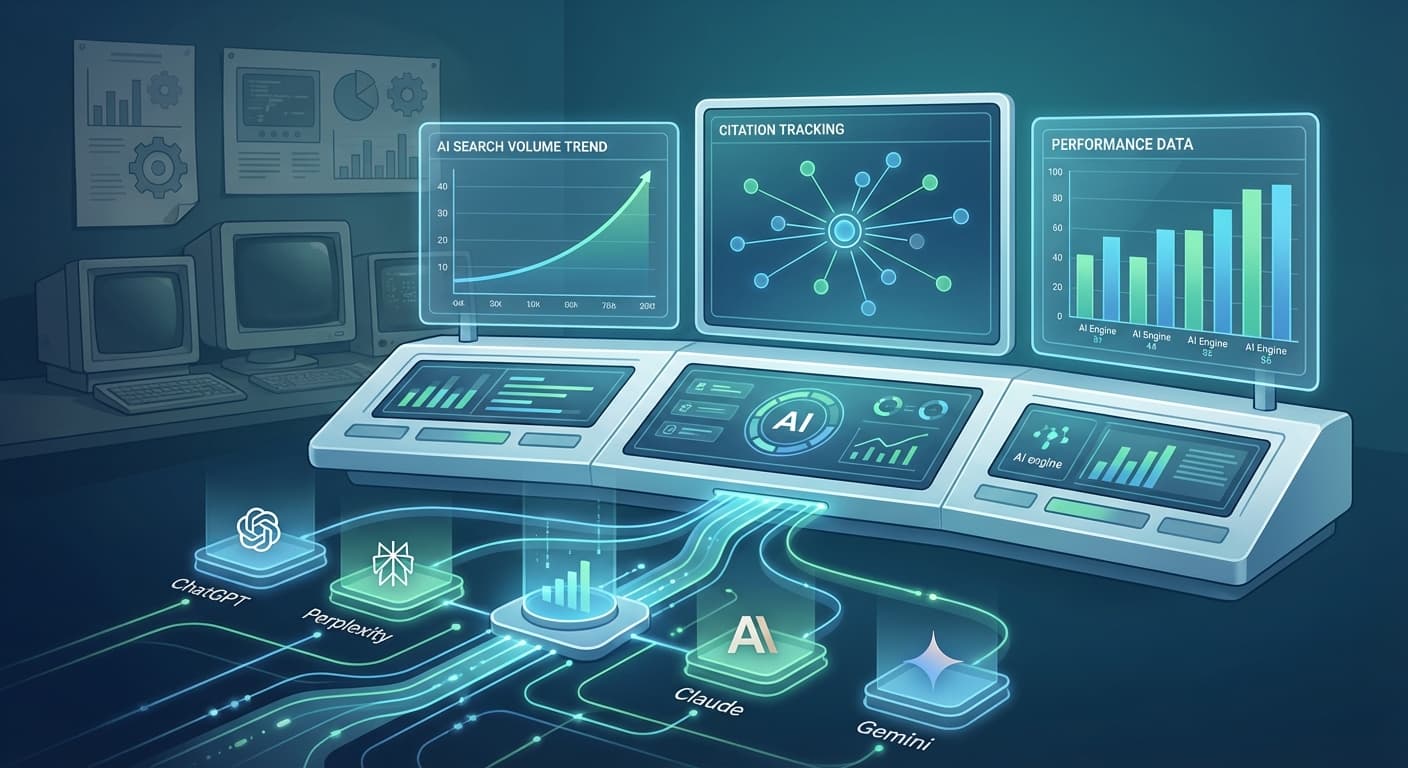
    Traditional analytics stop at your website's border. Modern measurement extends into AI ecosystems:

    Direct AI Engine Monitoring

  • Set up alerts for brand mentions across ChatGPT, Perplexity, Claude, and Gemini

  • Track when your URLs appear in AI-generated responses

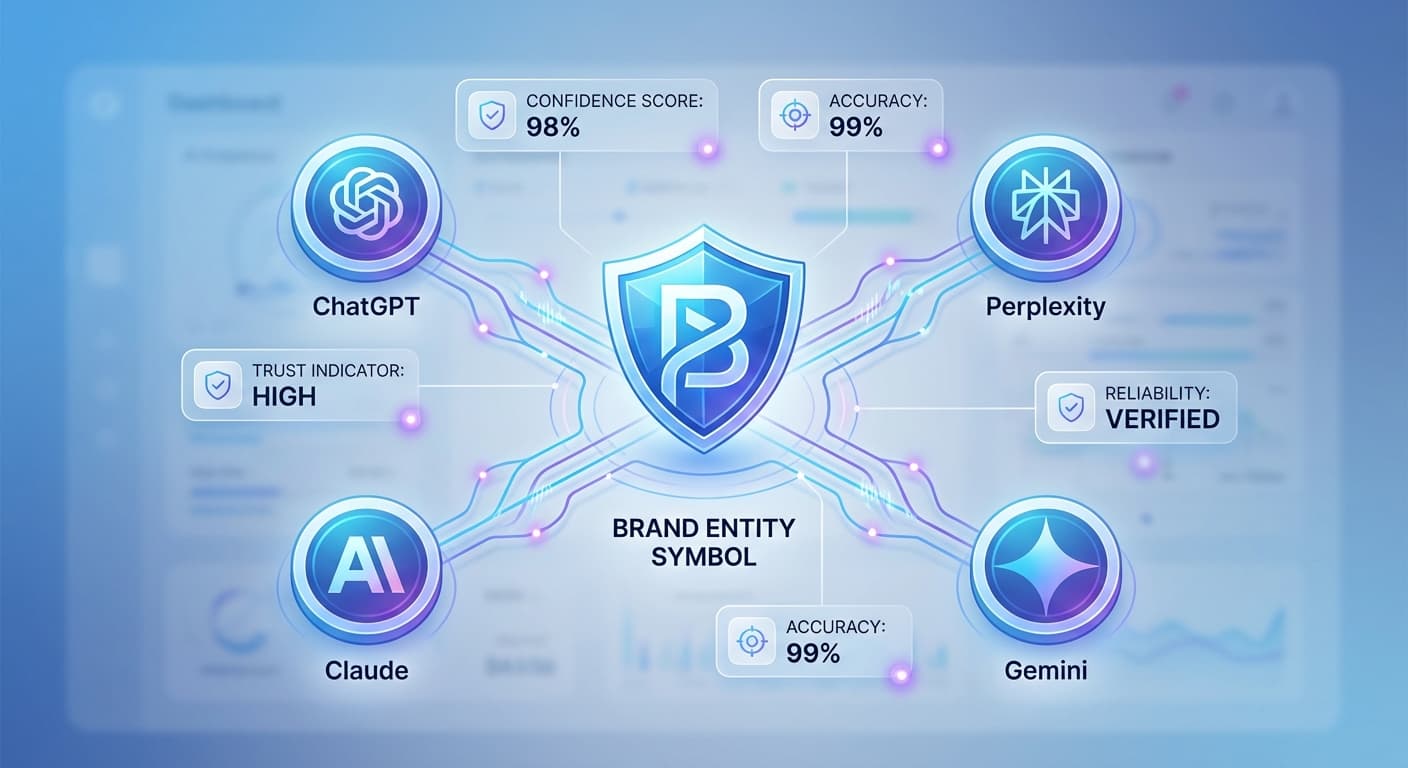
  • Monitor the context and accuracy of AI citations of your content

  • Document seasonal patterns in AI citation frequency
  • Indirect Impact Measurement

  • Track branded search volume spikes following AI citation periods

  • Monitor social media mentions that reference "I learned from ChatGPT that [your company]..."

  • Analyze email signup sources for "AI discovery" attribution

  • Survey customers about their AI-assisted discovery journey
  • Step 3: Create Custom Attribution Models

    Since AI search often doesn't generate immediate clicks, you need new ways to connect AI exposure to business outcomes:

    Time-Delayed Attribution Windows

  • Extend attribution windows from 7-30 days to 60-90 days

  • Track correlation between AI citation spikes and delayed conversions

  • Monitor brand awareness metrics following AI visibility periods

  • Analyze customer journey touchpoints that include AI discovery
  • Multi-Touch AI Attribution

  • Weight AI citations as "awareness" touchpoints in your attribution model

  • Assign value based on the authority and reach of citing AI engine

  • Factor in the quality and context of citations (positive vs. neutral vs. expert)

  • Create custom conversion funnels that account for AI-assisted research phases
  • Advanced Measurement Strategies for 2026

    Semantic Search Performance Tracking

    AI engines don't just match keywords—they understand intent and context. Your measurement should reflect this:

    Intent-Based Metrics

  • Track how often your content appears for different user intents (informational, comparison, solution-seeking)

  • Monitor your content's performance across semantic variations of key topics

  • Analyze which content elements (statistics, examples, frameworks) get cited most

  • Measure your authority score for specific topic clusters
  • Conversational Context Analysis

  • Document the types of follow-up questions your content generates in AI chats

  • Track how AI engines position your content (primary source, supporting evidence, alternative viewpoint)

  • Monitor the sophistication level of conversations where your content appears

  • Analyze geographic and demographic patterns in AI citations
  • Cross-Platform Content Performance

    Different AI engines have distinct preferences. Your measurement should reflect this diversity:

    Engine-Specific Optimization Tracking

  • ChatGPT: Focus on conversational tone and practical examples

  • Perplexity: Emphasize recent data and authoritative sources

  • Claude: Highlight nuanced analysis and balanced perspectives

  • Gemini: Optimize for visual content integration and multi-modal responses
  • Format Performance Analysis

  • Compare citation rates across blog posts, case studies, whitepapers, and video transcripts

  • Track which content lengths perform best in different AI contexts

  • Monitor the effectiveness of structured data and clear headings

  • Analyze how different call-to-action styles perform in AI-cited content
  • ROI Calculation for AI Search Investment

    Building measurement infrastructure requires investment. Here's how to calculate returns:

    Direct Revenue Attribution

  • Customer surveys: "How did you first learn about our solution?"

  • Sales team feedback on AI-discovered leads

  • Attribution modeling for delayed conversions following AI exposure

  • Brand lift studies in markets with high AI citation rates
  • Indirect Value Calculation

  • Cost savings from reduced paid advertising needs

  • Improved sales cycle efficiency from AI-educated prospects

  • Enhanced thought leadership positioning and speaking opportunities

  • Increased inbound partnership and media inquiries
  • How Citescope Ai Simplifies AI Search Measurement

    While building comprehensive AI search measurement infrastructure might seem overwhelming, specialized tools can streamline the process significantly. Citescope Ai addresses many of these measurement challenges with integrated solutions:

    Automated Citation Tracking: Monitor when your content gets cited across ChatGPT, Perplexity, Claude, and Gemini without manual monitoring

    GEO Score Analytics: Get detailed insights into your content's AI optimization across five key dimensions, helping you understand why certain pieces perform better in AI search

    Performance Benchmarking: Track your AI visibility trends over time and compare against industry baselines

    Multi-Format Optimization: Ensure your content performs well across different AI engines with format-specific optimization recommendations

    Implementation Roadmap: 90-Day Quick Start

    Days 1-30: Foundation Building


  • Audit existing analytics setup and identify AI search blind spots

  • Implement basic citation tracking for top 10 content pieces

  • Survey recent customers about AI discovery patterns

  • Establish baseline measurements for current AI visibility
  • Days 31-60: System Integration


  • Set up custom attribution models in your analytics platform

  • Implement cross-platform citation monitoring

  • Begin A/B testing AI-optimized content versions

  • Train sales team to ask about AI-assisted discovery
  • Days 61-90: Advanced Optimization


  • Launch comprehensive content optimization based on AI performance data

  • Implement automated reporting for AI search metrics

  • Begin predictive modeling for AI citation potential

  • Integrate AI search performance into executive dashboards
  • Measuring Success in the AI Search Era

    Success metrics for AI search measurement infrastructure should include:

    Leading Indicators

  • Content optimization score improvements

  • Citation frequency across AI platforms

  • Semantic topic authority growth

  • Cross-platform content performance consistency
  • Lagging Indicators

  • Brand awareness lift in target demographics

  • Sales cycle acceleration for AI-discovered leads

  • Reduced cost per acquisition through organic AI discovery

  • Increased thought leadership opportunities and media mentions
  • The businesses that build robust AI search measurement infrastructure now will have a significant competitive advantage as AI search continues to grow. While traditional analytics tools struggle to keep up, forward-thinking companies are already building the measurement systems that will define marketing success in 2026 and beyond.

    Don't let the complexity discourage you—start with basic citation tracking and gradually build more sophisticated measurement capabilities. The cost of not measuring AI search impact far exceeds the investment in proper infrastructure.

    Ready to Optimize for AI Search?

    Building comprehensive AI search measurement infrastructure doesn't have to be overwhelming. Citescope Ai provides the tools you need to track citations, optimize content for AI engines, and measure your true impact across ChatGPT, Perplexity, Claude, and Gemini. Start with our free tier to optimize 3 pieces of content per month, or upgrade to Pro for comprehensive AI search analytics. Try Citescope Ai today and finally see the complete picture of your content's performance in the AI search era.
    AI search analyticscitation trackingzero-click searchescontent measurementAI visibility

    Track your AI visibility

    See how your content appears across ChatGPT, Perplexity, Claude, and more.

    Start for Free