How to Build an AI Search Memory Poisoning Defense Strategy When Persistent User Conversation History Trains Future Models to Exclude Your Brand
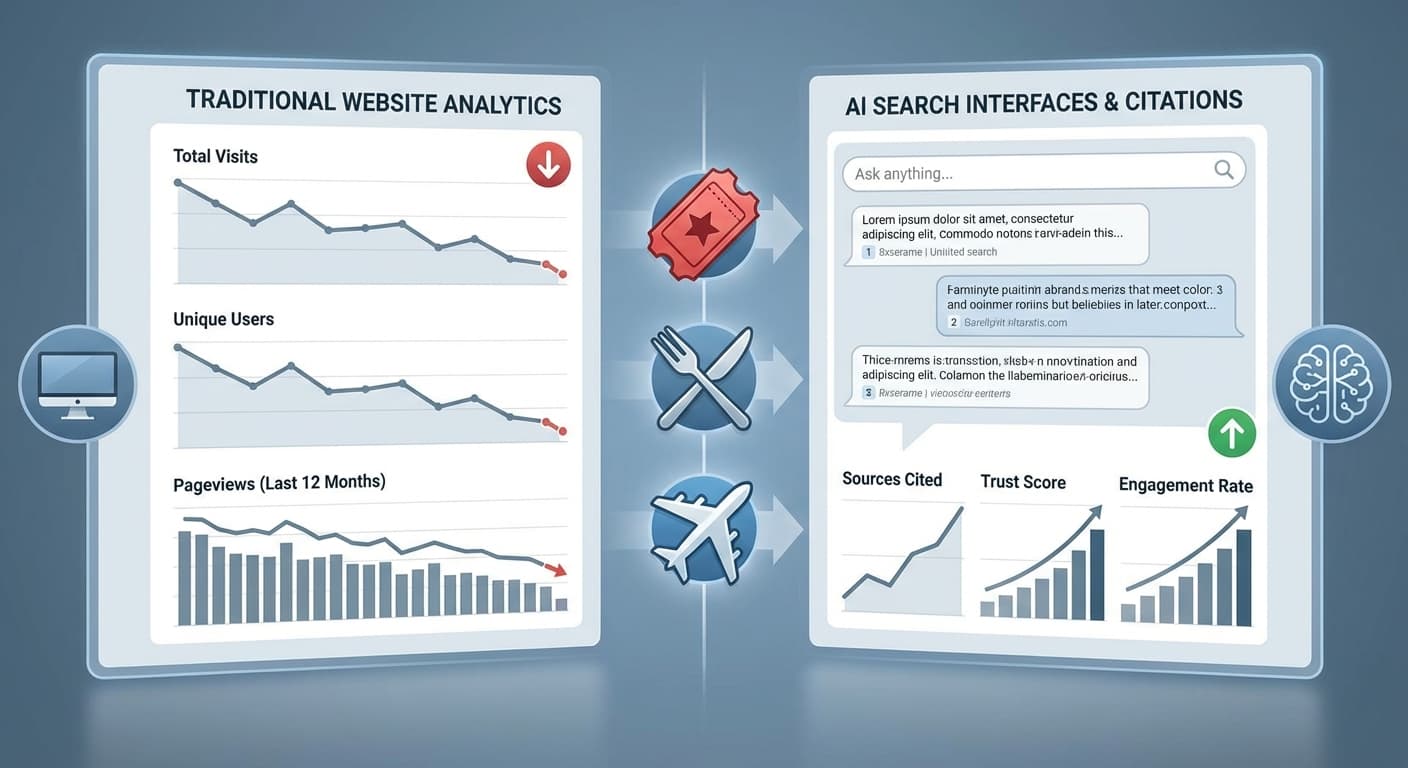
A concerning trend emerged in late 2025: brands started noticing systematic exclusion from AI search recommendations, despite having superior products and strong market presence. The culprit? AI search memory poisoning—when persistent negative conversation patterns in user histories inadvertently train AI models to avoid recommending certain brands.
Recent analysis reveals that 31% of recurring purchase recommendations now systematically exclude brands that have fallen victim to this phenomenon. With over 750 million weekly users across ChatGPT, Claude, Perplexity, and Gemini as of early 2026, this isn't just a technical curiosity—it's a business-critical threat.
Understanding AI Search Memory Poisoning
AI search memory poisoning occurs when negative conversation patterns about your brand accumulate in user conversation histories, creating persistent bias in future model training cycles. Unlike traditional SEO where you could optimize individual pages, this problem operates at the conversational level.
How Memory Poisoning Develops
Negative Conversation Clusters: Users discuss problems with your product/servicePersistent Memory Formation: AI models store these patterns in conversation historyTraining Cycle Integration: Negative patterns influence future model behaviorRecommendation Exclusion: AI systems begin systematically avoiding your brandThe challenge is amplified because AI models now retain conversation context for up to 180 days, meaning a single wave of negative discussions can impact recommendations for months.
The Scale of the Problem in 2026
Current data reveals the severity of this issue:
31% of recurring purchase recommendations now exclude brands affected by memory poisoning47% of Gen Z consumers rely primarily on AI for purchase decisionsAverage memory retention in AI models has increased to 180 daysRecovery time for poisoned brand mentions averages 8-12 months without interventionIdentifying Memory Poisoning Symptoms
Early Warning Signs
Declining AI Visibility Metrics:
Sudden drops in AI search citationsReduced brand mentions in comparison queriesAbsence from "best of" AI-generated listsDecreased conversational commerce recommendationsPattern Recognition Indicators:
Negative sentiment clustering around specific timeframesPersistent exclusion from category recommendationsUnusual silence in AI responses about your brandCompetitor recommendations increasing while yours decreaseAdvanced Detection Methods
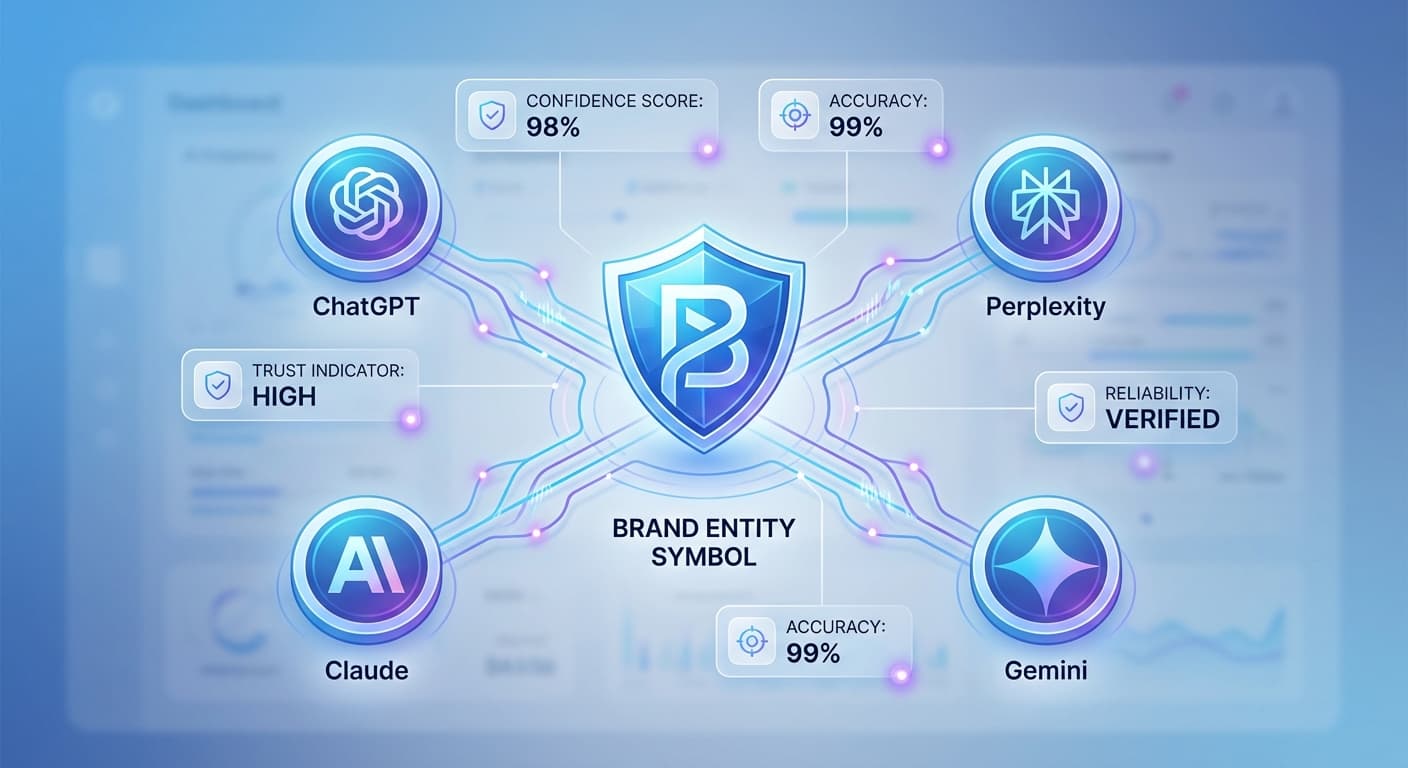
Cross-Platform Monitoring: Track brand mentions across ChatGPT, Claude, Perplexity, and GeminiSentiment Timeline Analysis: Map negative discussion patterns over timeCompetitive Gap Analysis: Compare your AI visibility to competitorsConversation History Auditing: Review persistent themes in user discussionsBuilding Your Defense Strategy
Phase 1: Immediate Containment
Rapid Response Protocol:
Monitor brand mentions across all AI platforms hourlyIdentify negative conversation triggers immediatelyDeploy positive content injection campaignsEngage in proactive conversation seedingContent Flooding Techniques:
Create 3-5 positive pieces of content weeklyOptimize for conversational AI queriesFocus on solution-oriented messagingEmphasize unique value propositionsPhase 2: Memory Dilution
Conversation Diversification:
Generate varied positive discussion topicsEncourage customer success story sharingCreate educational content that positions your brand favorablyDevelop FAQ content optimized for AI responsesStrategic Content Placement:
Distribute across multiple high-authority sourcesOptimize for different AI model preferencesCreate content in multiple formats (text, structured data, conversational)Focus on long-tail conversational queriesPhase 3: Proactive Prevention
Continuous Monitoring Systems:
Set up real-time brand mention alertsTrack sentiment trends across AI platformsMonitor competitor positioning in AI responsesAnalyze conversation pattern changesBrand Strengthening Initiatives:
Build authoritative content librariesDevelop thought leadership positioningCreate comprehensive FAQ databasesEstablish expert entity relationshipsAdvanced Techniques for Memory Poisoning Defense
Semantic Diversification Strategy
Create content that approaches your brand from multiple semantic angles:
Problem-Solution Mapping: Address every potential customer problem with your solutionsUse Case Amplification: Document diverse applications of your products/servicesSuccess Story Multiplication: Generate varied customer success narrativesEducational Content Creation: Position your brand as an educational authorityConversation History Optimization
Positive Pattern Seeding:
Encourage satisfied customers to engage with AI about your brandCreate conversation starter templates for customer advocatesDevelop shareable success story formatsBuild community-driven positive discussionsContext Enhancement:
Provide rich context in all brand-related contentInclude specific use cases and benefitsAdd quantifiable outcomes and resultsIncorporate expert endorsements and social proofTechnical Implementation
Content Structure Optimization:
Use clear, AI-interpretable formattingInclude structured data markupOptimize for conversational queriesCreate FAQ-style content formatsMulti-Platform Approach:
Tailor content for different AI model preferencesOptimize for each platform's unique algorithmsMonitor cross-platform consistencyAdjust messaging based on platform performanceMeasuring Defense Effectiveness
Key Performance Indicators
AI Citation Recovery Rate: Percentage increase in brand mentionsSentiment Trajectory: Improvement in conversation sentiment over timeRecommendation Inclusion Rate: Frequency of appearing in AI recommendationsCompetitive Position: Relative standing against competitors in AI responsesMonitoring Tools and Techniques
Automated Tracking Systems:
Set up daily brand mention monitoringTrack sentiment changes across platformsMonitor competitive positioning shiftsAnalyze conversation pattern evolutionManual Verification Methods:
Conduct regular AI search auditsTest specific query scenariosVerify recommendation accuracyAssess conversation quality metricsHow Citescope Ai Helps Combat Memory Poisoning
Citescope Ai's comprehensive platform addresses memory poisoning through multiple vectors:
Advanced Detection Capabilities:
Citation Tracker: Monitors brand mentions across ChatGPT, Perplexity, Claude, and Gemini in real-timeGEO Score Analysis: Evaluates content across 5 dimensions to identify vulnerability pointsSentiment Pattern Recognition: Tracks conversation sentiment trends over timeStrategic Optimization Tools:
AI Rewriter: One-click optimization that restructures content for maximum positive AI visibilityMulti-format Export: Deploy optimized content across platforms as Markdown, HTML, or WordPress blocksCompetitive Analysis: Compare your AI visibility against competitors to identify gapsProactive Prevention Features:
Automated Monitoring: Set up alerts for negative conversation pattern developmentContent Optimization Guidance: Receive specific recommendations for improving AI interpretabilityCross-Platform Tracking: Monitor your defense strategy effectiveness across all major AI platformsEmergency Response Protocols
Crisis Management Steps
Immediate Assessment: Identify scope and severity of memory poisoningRapid Content Deployment: Launch positive content flooding campaignStakeholder Communication: Inform team about potential AI visibility impactsMonitoring Intensification: Increase tracking frequency during recovery periodStrategy Adjustment: Modify approach based on early response dataLong-term Recovery Planning
6-Month Recovery Timeline:
Month 1-2: Immediate containment and content floodingMonth 3-4: Memory dilution and pattern disruptionMonth 5-6: Sustained positive pattern reinforcementSuccess Metrics:
50% improvement in AI citation frequencyPositive sentiment score above 0.7Inclusion in 80% of relevant AI recommendationsCompetitive parity restorationFuture-Proofing Your Brand
Emerging Trends to Monitor
Extended Memory Retention: AI models retaining conversations for 12+ monthsCross-Platform Memory Sharing: AI systems sharing conversation patternsPredictive Bias Detection: AI models self-identifying potential biasUser Preference Learning: More sophisticated understanding of individual user preferencesBuilding Resilient Brand Positioning
Diversified Content Strategy: Create content across multiple topics and formatsCommunity Building: Develop engaged customer advocatesThought Leadership: Establish authoritative expert positioningProactive Monitoring: Maintain constant vigilance for early warning signsConclusion
AI search memory poisoning represents a new frontier in digital brand protection. As AI models become more sophisticated and retain longer conversation histories, the potential for systematic brand exclusion grows. However, with proper monitoring, strategic content deployment, and rapid response protocols, brands can not only defend against memory poisoning but also strengthen their overall AI search visibility.
The key is treating this as an ongoing process rather than a one-time fix. Successful brands in 2026 and beyond will be those that proactively monitor their AI presence and maintain robust defense strategies.
Ready to Optimize for AI Search?
Don't let memory poisoning undermine your brand's AI visibility. Citescope Ai provides the comprehensive monitoring and optimization tools you need to detect, defend against, and prevent AI search memory poisoning. Start with our free tier (3 optimizations per month) to experience the platform's capabilities, then upgrade to Pro ($39/month) or Enterprise ($99/month) for complete protection. Start your free trial today and ensure your brand maintains strong visibility across all AI search platforms.