How to Build an AI Search Optimization Strategy When Amazon's Rufus Shopping Assistant Expands to Third-Party Merchant Platforms and Controls 31% of Product Discovery Without Brand Website Visits
How to Build an AI Search Optimization Strategy When Amazon's Rufus Shopping Assistant Expands to Third-Party Merchant Platforms and Controls 31% of Product Discovery Without Brand Website Visits
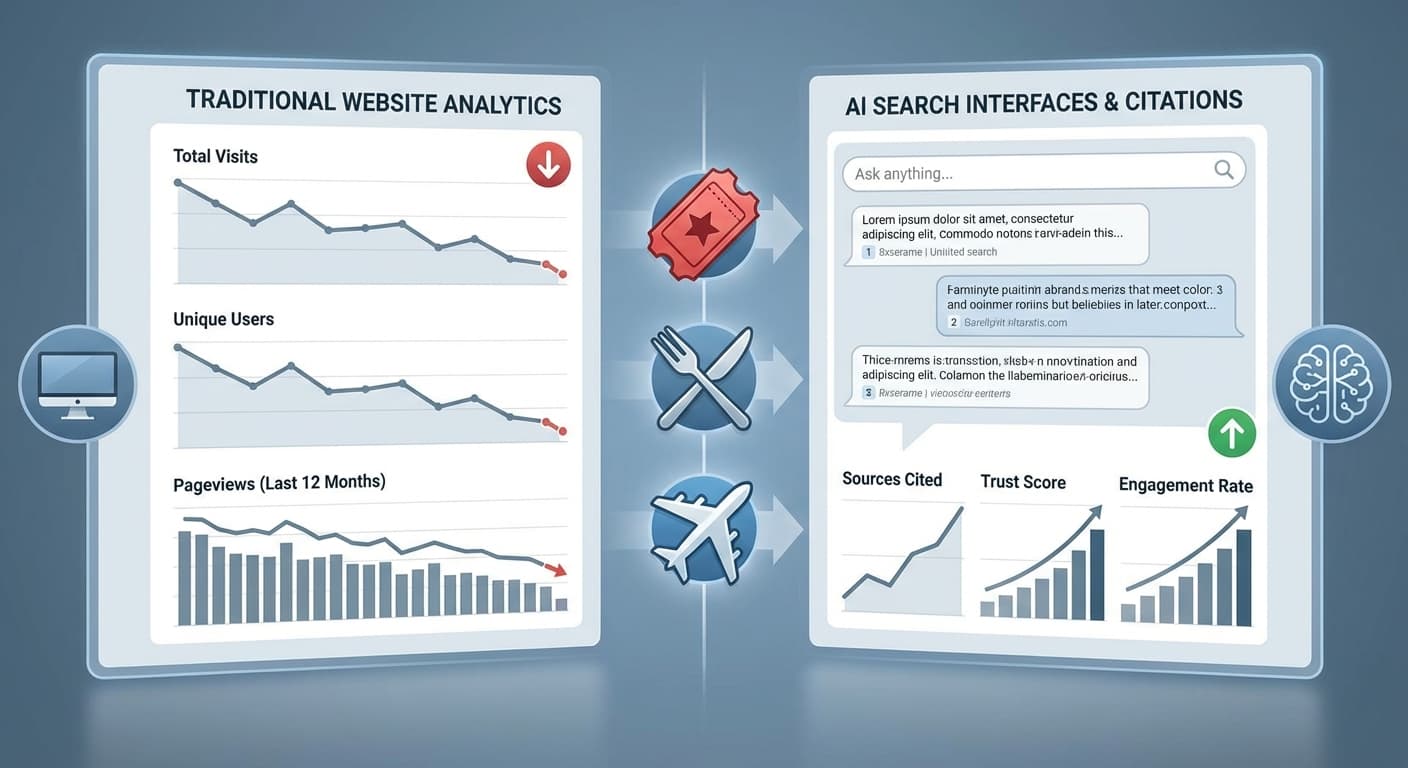
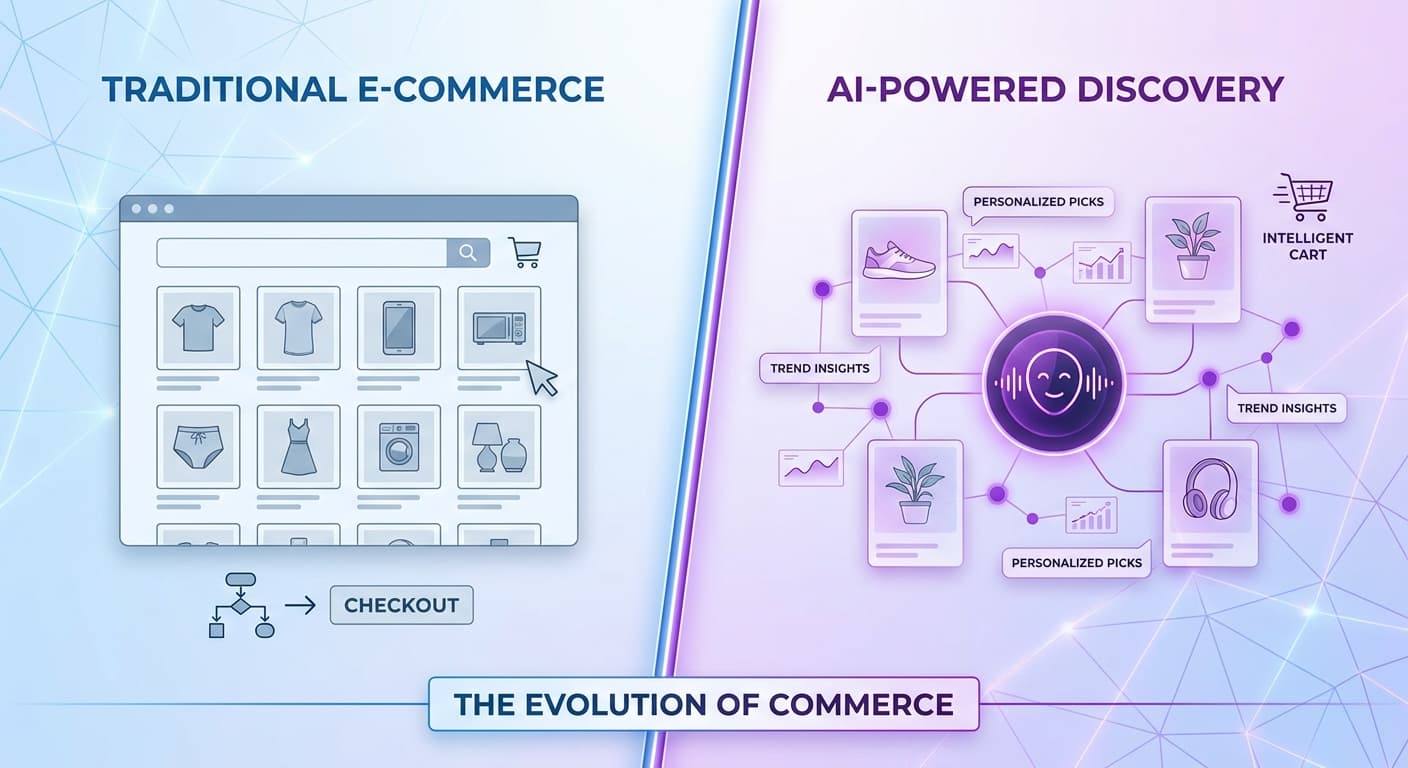
Amazon's Rufus has quietly become the most powerful force in product discovery, now controlling 31% of all product searches without users ever visiting brand websites. With its expansion to third-party merchant platforms in 2025, the shopping landscape has fundamentally shifted. If you're not optimizing for AI shopping assistants, you're invisible to nearly one-third of potential customers.
The New Reality: AI-First Product Discovery
The numbers paint a stark picture of how dramatically consumer behavior has changed:
This isn't just a trend—it's a complete paradigm shift. Traditional SEO strategies that focus solely on Google rankings are missing nearly one-third of the market. Brands that fail to adapt risk becoming invisible in the new AI-powered commerce ecosystem.
Understanding Rufus's Expansion Impact
Amazon's Rufus initially launched as an internal shopping assistant, but its 2025 expansion to third-party platforms like Shopify, WooCommerce, and independent e-commerce sites has created a unified AI shopping experience across the web. This expansion means:
Cross-Platform Product Intelligence
Rufus now aggregates product data, reviews, and pricing information from multiple sources, creating comprehensive product profiles that influence purchasing decisions regardless of where the transaction occurs.
Unified Shopping Context
Consumers can start their product research on Amazon, continue on a brand's website, and complete their purchase through a third-party retailer—all while Rufus maintains context and provides consistent recommendations.
AI-Driven Competitive Analysis
Rufus automatically compares products across platforms, highlighting features, pricing, and availability in real-time, making traditional competitive advantages harder to maintain.
Building Your AI Search Optimization Strategy
1. Optimize Product Content for AI Interpretation
AI shopping assistants process information differently than traditional search engines. They prioritize:
Action Steps:
2. Develop AI-Friendly Content Architecture
Your content needs to be easily parseable by AI systems while remaining engaging for human readers:
#### Content Structure Best Practices
#### Semantic Richness
3. Create Multi-Platform Content Syndication
With Rufus pulling data from multiple sources, consistency across platforms becomes critical:
4. Implement Citation-Worthy Content Strategies
AI assistants cite sources when making recommendations. To become a preferred source:
#### Authority Building
#### Content Formats That Get Cited
5. Monitor and Optimize AI Visibility
Traditional analytics don't capture AI-driven traffic. You need specialized monitoring:
#### Key Metrics to Track
With tools that track your content's performance across AI platforms, you can understand which products and content types perform best in AI-driven recommendations. This data becomes crucial for iterating and improving your strategy.
Platform-Specific Optimization Tactics
Amazon Integration
Third-Party E-commerce Platforms
Content Marketing Channels
Common Pitfalls to Avoid
Over-Optimization Mistakes
Strategic Oversights
Measuring Success in the AI-First Era
Success metrics for AI search optimization differ significantly from traditional SEO:
Primary KPIs
Secondary Metrics
How Citescope Ai Helps Navigate This Complex Landscape
Optimizing for AI shopping assistants requires specialized tools and insights that traditional SEO platforms don't provide. Citescope Ai addresses this gap with:
GEO Score Analysis
Our comprehensive scoring system evaluates your content across five crucial dimensions that AI shopping assistants prioritize: AI Interpretability, Semantic Richness, Conversational Relevance, Structure, and Authority. This gives you a clear 0-100 score showing how well your content performs in AI-driven environments.
AI-Powered Content Optimization
The AI Rewriter feature restructures your existing product content with one click, optimizing it for better visibility across ChatGPT, Perplexity, Claude, Gemini, and shopping assistants like Rufus.
Cross-Platform Citation Tracking
Monitor when and how your content gets cited across multiple AI platforms, giving you unprecedented insight into your AI search performance and competitive positioning.
Flexible Content Management
Export your optimized content in multiple formats (Markdown, HTML, WordPress blocks) to ensure consistency across all your platforms and channels.
The Future of AI Shopping Optimization
As AI shopping assistants become more sophisticated, we can expect:
Brands that start optimizing now will have a significant advantage as these capabilities roll out. The key is building a flexible, data-driven strategy that can adapt to rapid AI advancement.
Ready to Optimize for AI Search?
The shift to AI-powered product discovery isn't coming—it's here. With 31% of product discovery now happening through AI assistants, brands need specialized tools to succeed in this new landscape. Citescope Ai provides the comprehensive platform you need to optimize your content for AI visibility, track your performance across multiple AI platforms, and stay ahead of the competition. Start with our free tier and see how your content performs in the AI-first world. Try Citescope Ai today and transform your product discovery strategy for the future of commerce.