GEO Strategy

How to Build an AI Search Partner Ecosystem Optimization Strategy: Mastering Third-Party Integration Data for Better Citations
June 2, 20267 min read
How to Build an AI Search Partner Ecosystem Optimization Strategy: Mastering Third-Party Integration Data for Better Citations

How to Build an AI Search Partner Ecosystem Optimization Strategy: Mastering Third-Party Integration Data for Better Citations

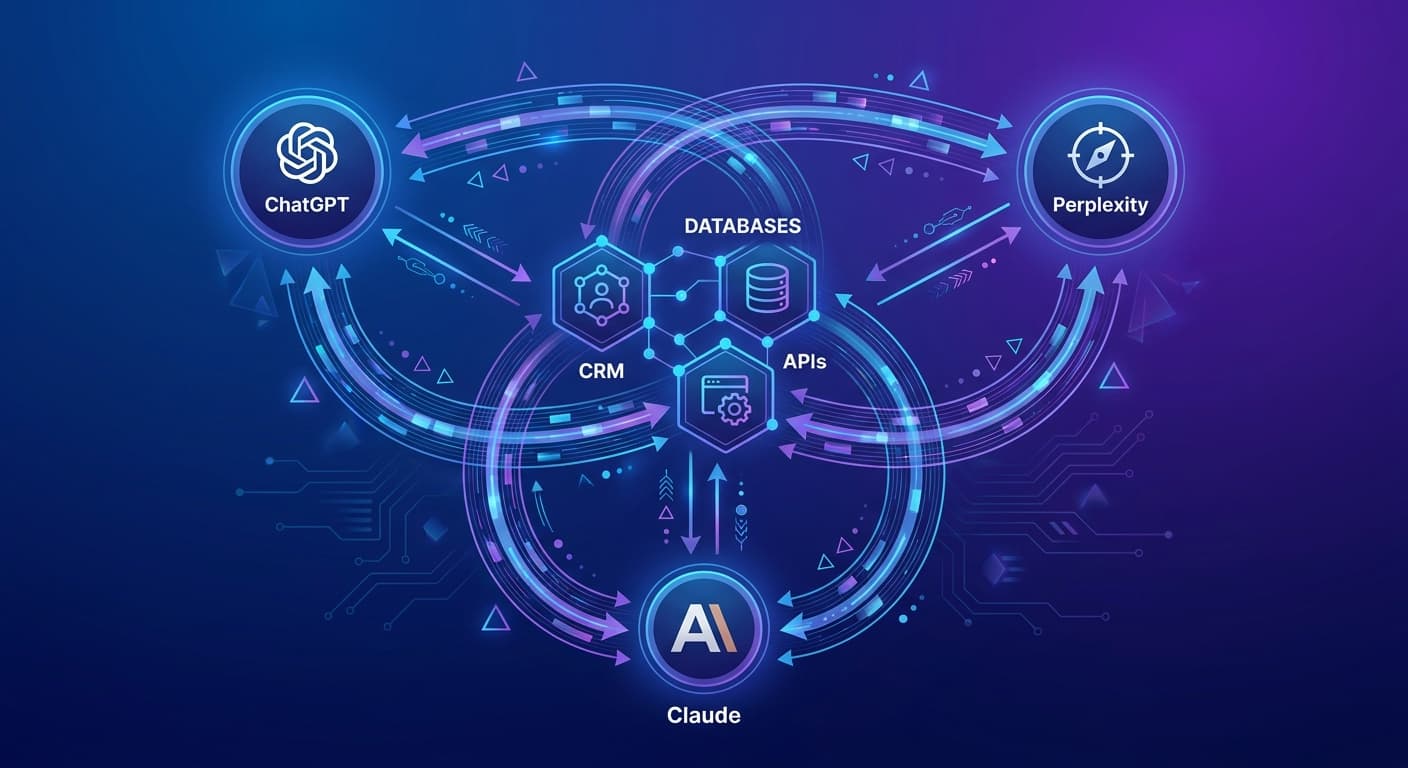
Here's a startling reality: 54% of AI recommendations now come from third-party integration data, yet most businesses have zero visibility into which APIs and data partnerships actually influence their citation rates. While you're optimizing your website content for ChatGPT and Perplexity, the real game-changer might be lurking in your CRM integrations, knowledge base APIs, or industry database partnerships.

In 2026, AI search engines don't just crawl websites—they tap into vast networks of integrated data sources, from Salesforce APIs to Zapier connections, from industry-specific databases to partner content feeds. This means your AI visibility strategy needs to extend far beyond traditional SEO into the complex world of data partnerships and API ecosystems.

The Hidden Citation Ecosystem: Why Third-Party Data Matters

When Claude recommends a B2B software solution or ChatGPT suggests a marketing strategy, the recommendation often pulls from multiple data sources simultaneously. Here's what's happening behind the scenes:

Primary Data Sources AI Engines Access:


  • Industry databases (Crunchbase, PitchBook, industry-specific repositories)

  • Business intelligence platforms (Salesforce, HubSpot, Monday.com)

  • Knowledge management systems (Confluence, Notion, SharePoint integrations)

  • Partner content feeds (distributor catalogs, affiliate networks, reseller databases)

  • API-connected platforms (review sites, social platforms, business directories)
  • The challenge? Most businesses treat these as separate systems rather than interconnected citation opportunities. A manufacturing company might have detailed product specifications in their PIM system, customer success stories in their CRM, and technical documentation in their knowledge base—but if these aren't optimized for AI consumption, they're invisible to recommendation engines.

    Mapping Your Current Integration Ecosystem

    Before optimizing anything, you need to understand what data partnerships already exist in your organization. Here's a systematic approach:

    Step 1: Conduct a Data Integration Audit

    Immediate Action Items:

  • Document all SaaS platforms with public APIs your company uses

  • Identify any data syndication partnerships (industry directories, distributor catalogs)

  • Map customer data sharing agreements (review platforms, case study databases)

  • Catalog knowledge base integrations and documentation APIs
  • Step 2: Assess AI Accessibility of Each Integration

    Not all integrations are created equal in the eyes of AI. Evaluate each connection based on:

  • Data structure quality: Is information properly tagged and categorized?

  • Update frequency: How often is data refreshed and synchronized?

  • Content richness: Does the integration include detailed, contextual information?

  • Semantic clarity: Are key concepts clearly defined and labeled?
  • Step 3: Identify Citation-Worthy Content Gaps

    Look for scenarios where your best content lives in systems that AI can't easily access:

  • Customer success metrics trapped in internal dashboards

  • Product expertise scattered across team knowledge bases

  • Industry insights locked in proprietary databases

  • Thought leadership content buried in partner portals
  • Building Your Strategic Optimization Framework

    Priority Matrix for Integration Optimization

    High Impact, Low Effort:

  • Optimize existing API endpoints with better metadata

  • Enhance product information management (PIM) system data structure

  • Improve customer review and testimonial syndication
  • High Impact, High Effort:

  • Develop new strategic data partnerships with industry databases

  • Create AI-optimized knowledge base architectures

  • Build comprehensive partner content distribution networks
  • Low Impact, Low Effort:

  • Clean up existing directory listings and business profiles

  • Standardize data formats across existing integrations

  • Implement basic structured data markup on partner-shared content
  • Content Optimization for Third-Party Systems

    When optimizing content for partner ecosystems, focus on these AI-friendly elements:

    For CRM and Business Intelligence Platforms:

  • Use consistent terminology and industry-standard categorization

  • Include quantifiable metrics and outcomes

  • Maintain detailed tagging systems for easy AI interpretation

  • Regularly update case studies and success metrics
  • For Knowledge Management Systems:

  • Structure information hierarchically with clear topic relationships

  • Use semantic markup to define key concepts and relationships

  • Include comprehensive cross-references and contextual links

  • Maintain glossaries of industry-specific terminology
  • For Industry Databases and Directories:

  • Ensure complete, accurate profile information across all platforms

  • Use consistent branding and messaging across all partnerships

  • Regularly update product catalogs and service descriptions

  • Optimize for industry-specific search patterns and terminology
  • Monitoring and Measuring Partnership Impact

    Key Metrics to Track

    Direct Citation Metrics:

  • Citation frequency from specific partner platforms

  • Recommendation context and accuracy across different AI engines

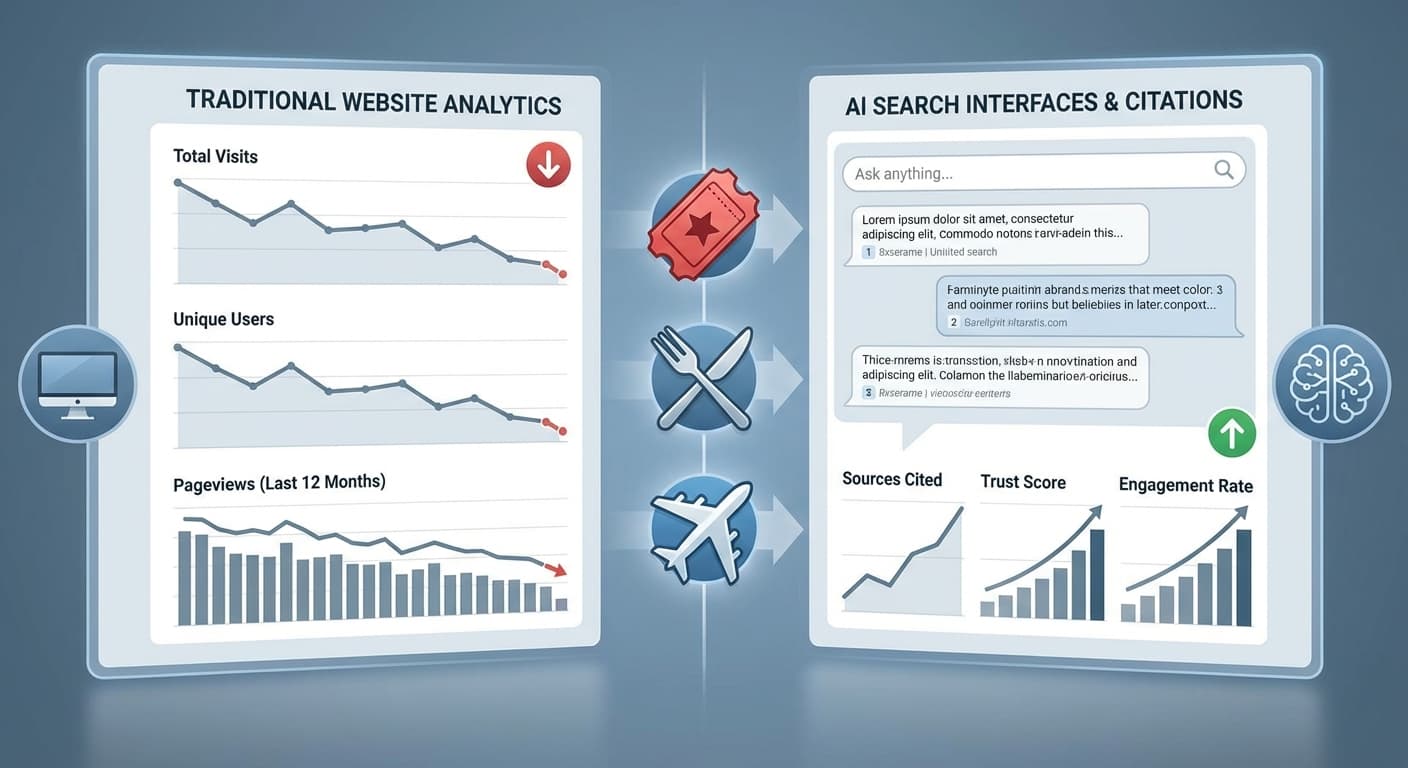
  • Traffic attribution from AI-generated recommendations
  • Ecosystem Health Indicators:

  • Data synchronization frequency and accuracy across partnerships

  • Content completeness scores across integrated platforms

  • Partner platform engagement and update rates
  • Competitive Intelligence:

  • Competitor presence in your key integration ecosystems

  • Industry benchmark citation rates from partner platforms

  • Emerging partnership opportunities in your sector
  • Tools for Ecosystem Visibility

    While many businesses struggle with partnership visibility, several approaches can provide insights:

  • API monitoring tools to track data exchange frequency and quality

  • Citation tracking platforms that monitor AI recommendations across engines

  • Partner analytics dashboards to understand content performance across ecosystems

  • Data lineage tools to trace content from source to AI citation
  • Citescope Ai's Citation Tracker specifically helps businesses understand which of their integrated content sources are generating the most AI citations, providing crucial visibility into partnership ROI.

    Advanced Partnership Strategies

    Creating Strategic Data Alliances

    The most successful AI visibility strategies involve intentional partnership development:

    Industry Consortium Participation:

  • Join industry-specific data sharing initiatives

  • Contribute to open data standards development

  • Participate in collaborative knowledge bases
  • Strategic Content Syndication:

  • Develop exclusive content partnerships with key industry platforms

  • Create co-branded thought leadership content for broader distribution

  • Establish preferred vendor relationships with relevant databases
  • API-First Content Strategy:

  • Design content specifically for API consumption

  • Develop standardized data schemas for easy integration

  • Create content that adds value to partner platforms while maintaining attribution
  • Future-Proofing Your Strategy

    As AI search continues evolving, consider these emerging trends:

  • Real-time data integration: AI engines increasingly favor fresh, frequently updated information

  • Multimodal content partnerships: Integrations that include images, videos, and interactive elements

  • Industry-specific AI models: Specialized engines that rely heavily on sector-specific databases

  • Collaborative filtering: AI recommendations based on partner network behavior and preferences
  • How Citescope Ai Helps Navigate Partnership Complexity

    Managing an AI search partner ecosystem requires sophisticated tracking and optimization capabilities. Citescope Ai provides several key features that address this challenge:

    GEO Score Analysis evaluates content across all distribution channels, helping identify which partnerships deliver the highest AI visibility scores. The tool's semantic richness and authority scoring can reveal why certain integrations perform better than others.

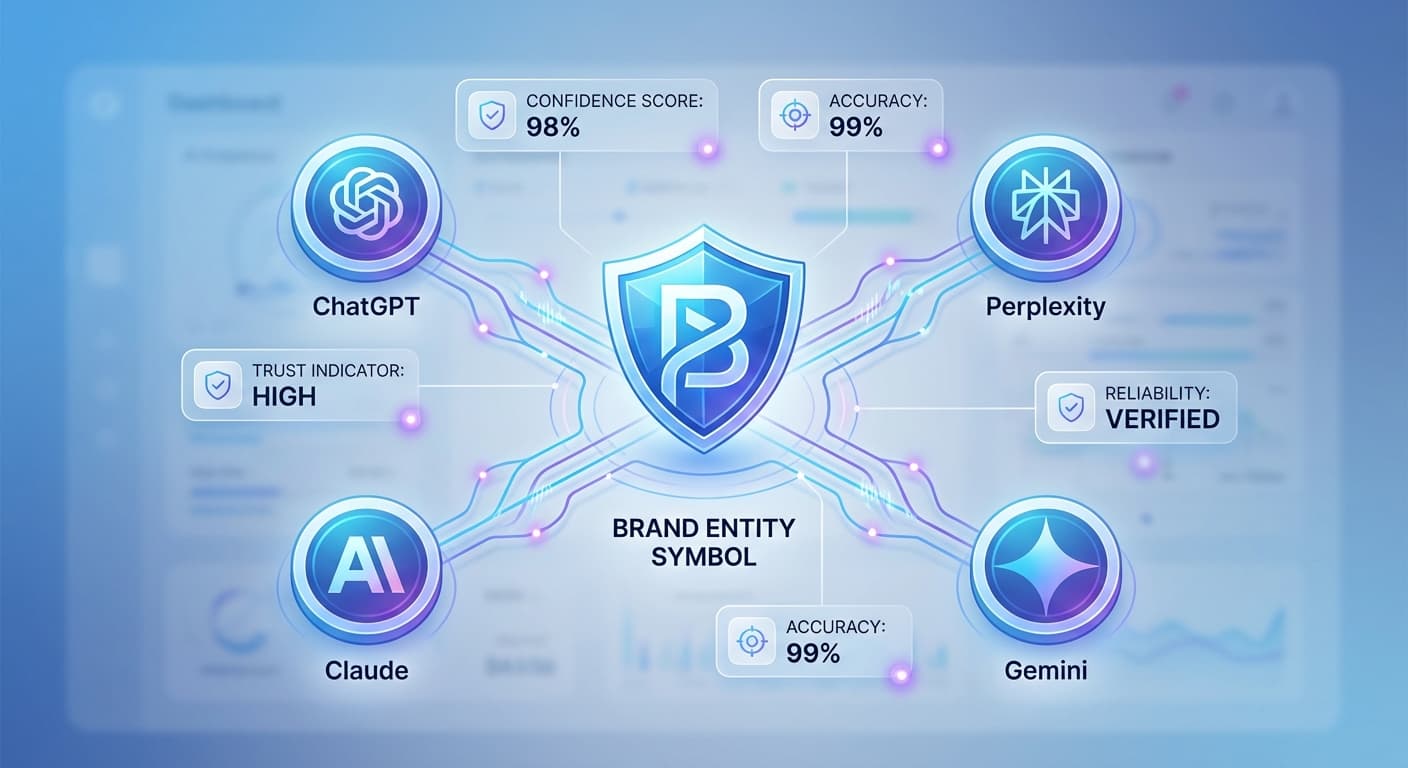
    Citation Tracking monitors mentions across ChatGPT, Perplexity, Claude, and Gemini, providing crucial visibility into which partner platforms are driving actual AI recommendations. This data helps businesses prioritize partnership investments and identify underperforming integrations.

    AI Rewriter can optimize content specifically for different partner platform requirements, ensuring consistent quality across your entire integration ecosystem while maintaining brand voice and accuracy.

    Implementation Roadmap

    Month 1: Discovery and Mapping


  • Complete integration ecosystem audit

  • Identify top 10 highest-impact partnership opportunities

  • Establish baseline citation tracking across key platforms
  • Month 2-3: Optimization and Enhancement


  • Optimize content for top 5 partner platforms

  • Implement improved data structures and metadata

  • Begin monitoring citation attribution and partnership performance
  • Month 4-6: Strategic Development


  • Pursue new strategic partnerships based on initial findings

  • Develop standardized content templates for partner distribution

  • Implement advanced tracking and attribution systems
  • Ongoing: Monitoring and Iteration


  • Regular partnership performance reviews

  • Continuous optimization based on AI engine algorithm updates

  • Strategic partnership development based on emerging opportunities
  • Ready to Optimize for AI Search?

    Building an effective AI search partner ecosystem requires sophisticated tracking, optimization, and strategic thinking. Citescope Ai provides the visibility and tools needed to turn your data partnerships into competitive advantages. Our Citation Tracker shows exactly which integrations drive AI recommendations, while our GEO Score helps optimize content for maximum impact across all channels. Start with our free tier to analyze your top 3 partnership opportunities, or upgrade to Pro for comprehensive ecosystem monitoring and optimization capabilities.
    AI search optimizationdata partnershipsAPI integrationcitation trackingB2B marketing

    Track your AI visibility

    See how your content appears across ChatGPT, Perplexity, Claude, and more.

    Start for Free