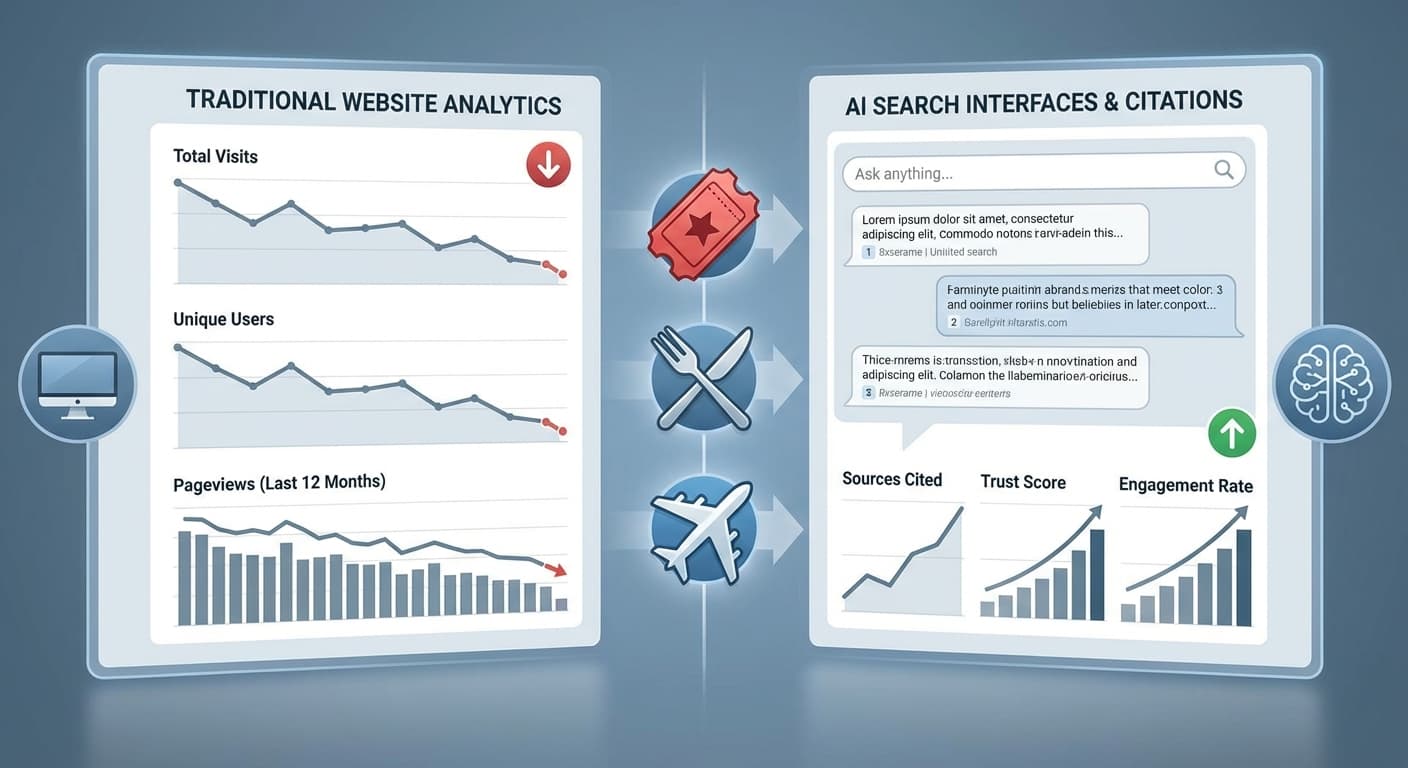
How to Build an AI Search Regional Localization Strategy When Cross-Border AI Engines Recommend US-Based Competitors Over Local Solutions in 73% of International B2B Queries
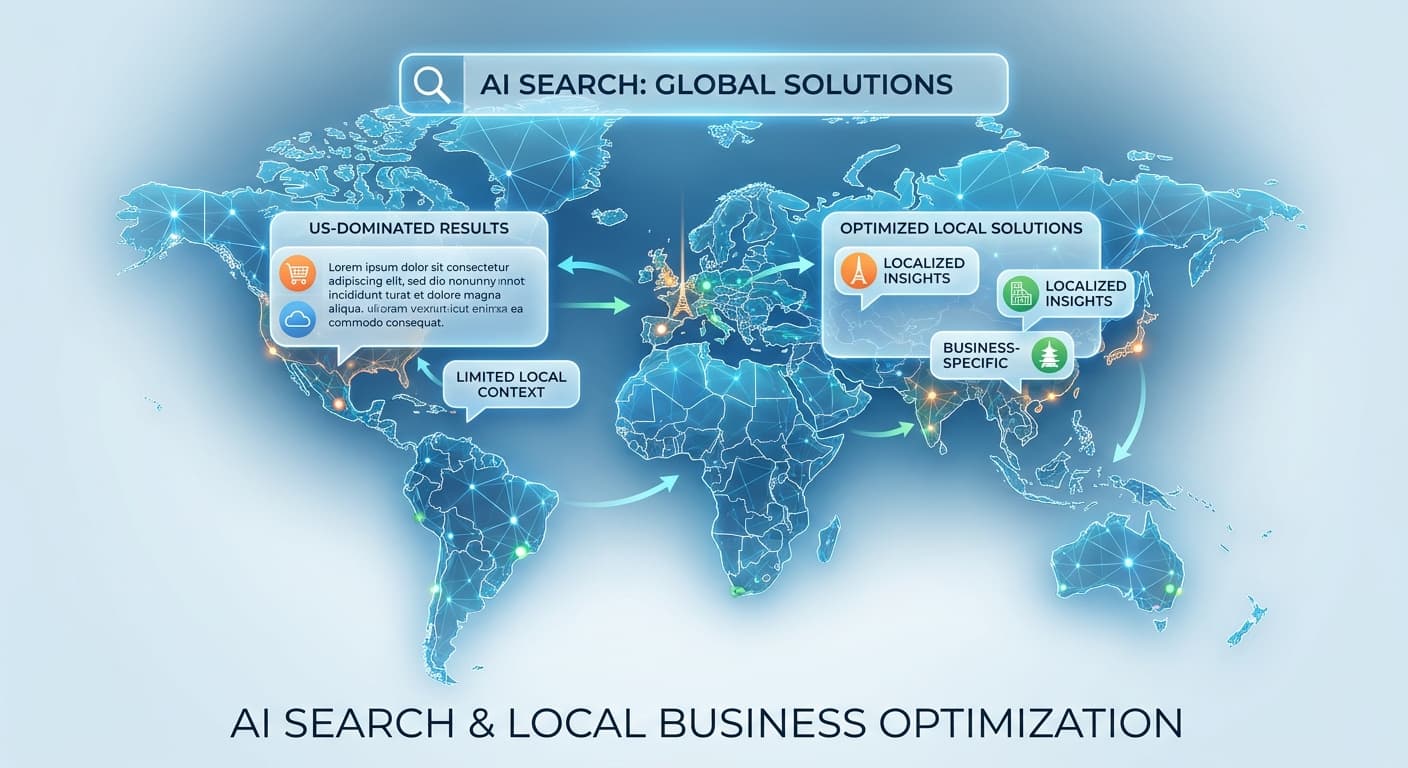
How to Build an AI Search Regional Localization Strategy When Cross-Border AI Engines Recommend US-Based Competitors Over Local Solutions in 73% of International B2B Queries
AI search engines are reshaping global commerce in ways we're only beginning to understand. A staggering 73% of international B2B queries in AI search platforms like ChatGPT, Perplexity, and Claude now surface US-based competitors over local solutions—even when the query explicitly indicates a preference for regional providers. This phenomenon is creating a massive disadvantage for non-US businesses and represents both a critical challenge and an enormous opportunity for companies willing to adapt their AI search strategy.
The AI Search Localization Challenge in 2026
As AI search adoption has exploded—with over 500 million weekly ChatGPT users and 70% of Gen Z now using AI for search—the stakes for regional visibility have never been higher. The problem isn't just about SEO anymore; it's about training AI engines to understand and prioritize local context, cultural nuances, and regional business preferences.
Why AI Engines Favor US-Based Solutions
The bias toward US companies in AI search results stems from several interconnected factors:
Building Your Regional AI Search Localization Strategy
1. Develop Region-Specific Content Pillars
Create content that explicitly addresses local market conditions, regulations, and business practices. This isn't just translation—it's cultural and contextual adaptation.
Key elements to include:
2. Optimize for Regional Query Patterns
AI search engines respond differently to queries based on geographic context. Research shows that European B2B queries often emphasize compliance and sustainability, while Asian markets focus heavily on integration capabilities and local support.
Regional optimization tactics:
3. Leverage Local Authority Signals
While US companies may have stronger global authority, you can build regional authority through strategic local partnerships and content strategies.
Authority-building strategies:
4. Structure Content for AI Interpretability
AI engines need clear, structured information to understand your regional value proposition. This means going beyond traditional SEO to optimize for AI comprehension.
AI-friendly content structure:
5. Create Multi-Language AI-Optimized Content
While many international businesses operate in English, creating native-language content significantly improves AI search visibility in local markets.
Multi-language optimization tips:
Advanced Regional Localization Tactics
Semantic Localization Beyond Keywords
Modern AI engines understand context and intent, not just keywords. Focus on semantic relevance that speaks to regional business needs and cultural contexts.
Geographic Entity Optimization
Ensure your content includes relevant geographic entities—cities, regions, local landmarks, and institutions—that help AI engines understand your local relevance.
Local Use Case Development
Create detailed use cases that specifically address how your solution works within local market conditions, regulations, and business environments.
Regional Competitive Intelligence
Regularly analyze what content AI engines surface for your target keywords in your region. Understanding the competitive landscape helps identify content gaps and opportunities.
Measuring Your Regional AI Search Performance
Key Metrics to Track
Testing and Iteration
Regional AI search optimization requires continuous testing and refinement. Regularly query AI engines with location-specific business questions to understand how your content performs against local and international competitors.
Common Regional Localization Mistakes to Avoid
How Citescope Ai Helps Build Regional AI Search Strategies
Citescope Ai's GEO Score analyzes your content across five critical dimensions, helping you understand how well your regional content performs for AI interpretability and local relevance. The platform's Citation Tracker monitors when your localized content gets cited by major AI engines, providing valuable insights into which regional strategies are working.
The AI Rewriter tool can help optimize your regional content for better AI visibility while maintaining local cultural context and business relevance. With multi-format export capabilities, you can easily adapt your optimized regional content across different platforms and content management systems.
Future-Proofing Your Regional AI Strategy
As AI search continues to evolve, regional localization will become increasingly sophisticated. Voice search, visual AI, and multimodal search experiences will require even more nuanced regional optimization strategies.
Emerging trends to prepare for:
The Competitive Advantage of Early Regional AI Optimization
Businesses that invest in regional AI search localization now are positioning themselves for significant competitive advantages as AI search adoption continues to accelerate. With 30%+ of all search queries now happening through AI platforms, the opportunity cost of ignoring regional optimization grows daily.
The companies that will dominate regional markets in the AI search era are those that understand local business contexts, address regional pain points authentically, and optimize their content for how AI engines interpret and present local solutions.
Ready to Optimize for AI Search?
Don't let US-based competitors dominate your regional market in AI search results. Citescope Ai helps businesses build winning regional AI search strategies with our comprehensive GEO optimization platform. Track your citations across ChatGPT, Perplexity, Claude, and Gemini, optimize your content for better AI visibility, and monitor your regional performance against competitors. Start with our free tier today—3 optimizations per month to test the power of AI-optimized regional content. Try Citescope Ai free and reclaim your local market share in the age of AI search.