GEO Strategy

How to Build an AI Search Reputation Management Strategy When Third-Party Reviews and UGC Citations Control 73% of Brand Perception in Answer Engines
April 10, 20267 min read
How to Build an AI Search Reputation Management Strategy When Third-Party Reviews and UGC Citations Control 73% of Brand Perception in Answer Engines

How to Build an AI Search Reputation Management Strategy When Third-Party Reviews and UGC Citations Control 73% of Brand Perception in Answer Engines

When someone asks ChatGPT or Perplexity about your brand, what do they hear? According to recent 2025 research, 73% of brand perception in AI answer engines is now shaped by third-party reviews, user-generated content (UGC), and external citations—not your carefully crafted brand messaging.

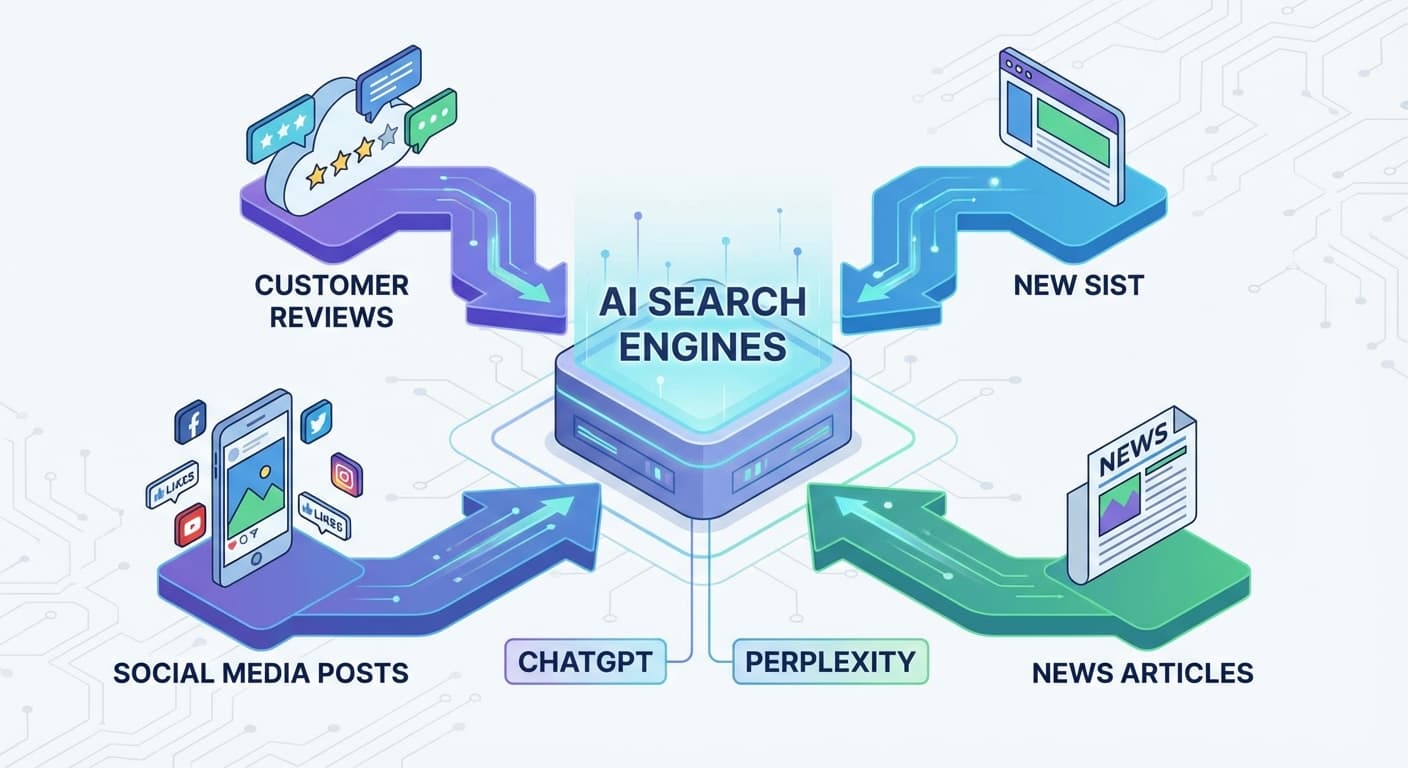
This shift represents a fundamental change in how reputation management works. Unlike traditional search where you could influence rankings through SEO tactics, AI engines synthesize information from multiple sources to create comprehensive answers. Your brand story is no longer told by you alone—it's a collective narrative woven from customer reviews, social media posts, news articles, and forum discussions.

The New Reality of AI-Driven Reputation Management

As AI search usage continues to surge—with over 500 million weekly ChatGPT users and 70% of Gen Z now using AI for search—brand reputation has become increasingly democratized and decentralized. When AI engines respond to queries about your business, they're pulling from a vast ecosystem of third-party content.

Why Traditional Reputation Management Falls Short

Traditional reputation management focused on:

  • Monitoring brand mentions across social media

  • Responding to negative reviews on Google and Yelp

  • Creating branded content to rank in search results

  • Managing crisis communications through press releases
  • While these tactics remain important, they don't address how AI engines synthesize and present information. A single negative review on an obscure platform can now significantly impact how ChatGPT describes your brand to millions of users.

    Understanding How AI Engines Process Reputation Signals

    The Citation Ecosystem

    AI engines don't just look at review volume or star ratings—they analyze the semantic content of reviews and UGC to understand:

  • Sentiment patterns: Recurring themes in customer feedback

  • Context relevance: How reviews relate to specific product features or services

  • Source authority: The credibility and expertise of review sources

  • Temporal factors: Recent reviews carry more weight than older ones

  • Cross-platform consistency: Similar feedback across multiple platforms
  • The 73% Impact Factor

    Recent analysis shows that when AI engines answer brand-related queries, they cite:

  • Customer reviews (31%)

  • Social media posts and UGC (22%)

  • News articles and press coverage (20%)

  • Brand-owned content (27%)
  • This means nearly three-quarters of your brand narrative is shaped by external voices.

    Building Your AI Search Reputation Management Strategy

    1. Map Your Citation Landscape

    Start by understanding where your brand is being discussed and cited:

    High-Impact Platforms to Monitor:

  • Google Reviews and Google My Business

  • Industry-specific review sites (G2, Capterra, Trustpilot)

  • Social media platforms (LinkedIn, Twitter, Reddit)

  • Professional networks and forums

  • News and industry publications

  • Customer support platforms and community forums
  • Action Steps:

  • Conduct AI search queries about your brand across multiple engines

  • Document which sources are most frequently cited

  • Identify gaps where your brand lacks representation

  • Map the customer journey to understand touchpoints
  • 2. Develop a Proactive UGC Strategy

    Since you can't control third-party content, focus on encouraging high-quality, authentic UGC:

    Customer Review Optimization:

  • Create structured feedback campaigns that encourage detailed reviews

  • Provide review templates that highlight key product features

  • Incentivize reviews on platforms most likely to be cited by AI

  • Respond thoughtfully to all reviews to show engagement
  • Social Proof Generation:

  • Launch customer success story campaigns

  • Encourage LinkedIn recommendations and professional testimonials

  • Create user-generated content contests with specific hashtags

  • Partner with micro-influencers in your industry
  • 3. Optimize for AI Interpretability

    Make it easier for AI engines to understand and accurately represent your brand:

    Structured Data Implementation:

  • Use schema markup for business information, reviews, and FAQs

  • Implement JSON-LD structured data for products and services

  • Create comprehensive FAQ pages that address common concerns

  • Maintain consistent NAP (Name, Address, Phone) information across all platforms
  • Content Optimization:

  • Ensure your brand messaging is clear and consistent across all owned channels

  • Create authoritative content that AI engines can reference

  • Develop thought leadership content that establishes expertise

  • Use natural language that matches how customers describe your products
  • 4. Monitor and Respond Strategically

    Real-Time Monitoring:

  • Set up alerts for brand mentions across all platforms

  • Track sentiment changes over time

  • Monitor competitor reputation strategies

  • Watch for emerging issues before they escalate
  • Strategic Response Framework:

  • Develop templates for different types of feedback

  • Create escalation procedures for negative reviews

  • Train team members on AI-optimized response strategies

  • Focus on adding value rather than just defending your brand
  • 5. Leverage Employee Advocacy

    Your employees are powerful third-party validators:

  • Encourage authentic employee reviews on Glassdoor and LinkedIn

  • Create employee advocacy programs for social media

  • Train employees to represent your brand thoughtfully online

  • Highlight employee achievements and company culture
  • Advanced Tactics for AI Reputation Management

    Citation Quality Over Quantity

    Focus on earning citations from sources that AI engines consider authoritative:

  • Industry publications and trade magazines

  • Professional association websites

  • Academic institutions and research organizations

  • Established business directories and review platforms
  • Semantic Consistency

    Ensure your brand messaging remains consistent across all third-party mentions:

  • Develop key messaging pillars that stakeholders can reference

  • Create brand voice guidelines for external communications

  • Monitor for messaging drift across different platforms

  • Address inconsistencies through direct outreach when possible
  • Crisis Preparedness

    Prepare for reputation challenges in the AI era:

  • Develop rapid response protocols for negative AI citations

  • Create comprehensive FAQ documents that address potential concerns

  • Build relationships with key industry voices who can provide balanced perspectives

  • Establish monitoring systems that alert you to reputation changes immediately
  • How Citescope Ai Helps with Reputation Management

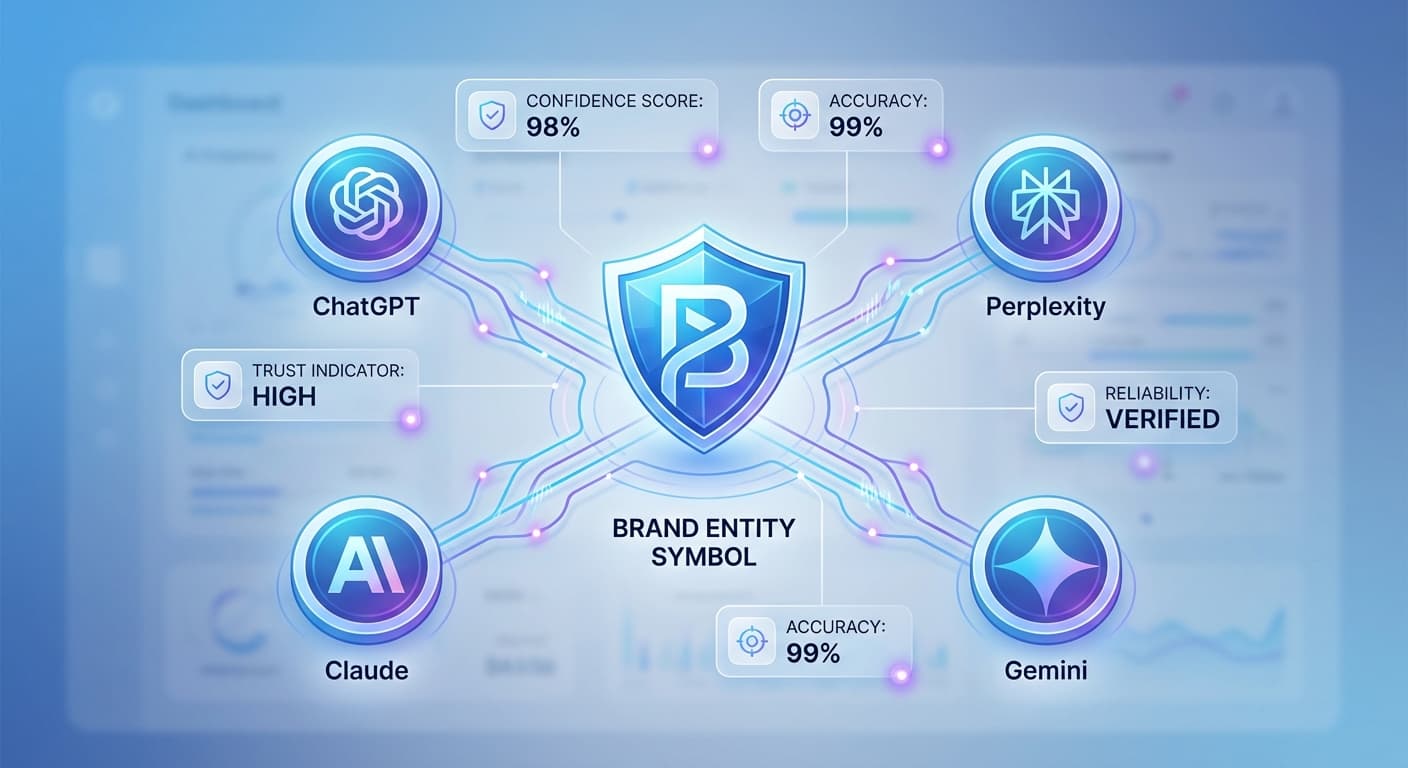
    While building a comprehensive reputation strategy requires multiple tools and approaches, Citescope Ai's Citation Tracker feature provides crucial intelligence by monitoring when and how your brand gets cited across ChatGPT, Perplexity, Claude, and Gemini. This real-time visibility helps you understand:

  • Which third-party sources are influencing AI responses about your brand

  • How your reputation management efforts are impacting AI citations

  • Opportunities to improve your brand's representation in AI search results
  • The platform's GEO Score also helps ensure that any branded content you create is optimized for AI visibility, giving your owned content a better chance of being cited alongside third-party reviews and UGC.

    Measuring Success in AI Reputation Management

    Key Metrics to Track

    Quantitative Metrics:

  • Citation frequency across different AI engines

  • Sentiment analysis of AI-generated brand descriptions

  • Share of voice compared to competitors

  • Response rates to review requests and UGC campaigns
  • Qualitative Metrics:

  • Accuracy of AI-generated brand summaries

  • Consistency of brand messaging across citations

  • Quality and depth of third-party reviews

  • Overall brand perception in AI responses
  • Setting Realistic Expectations

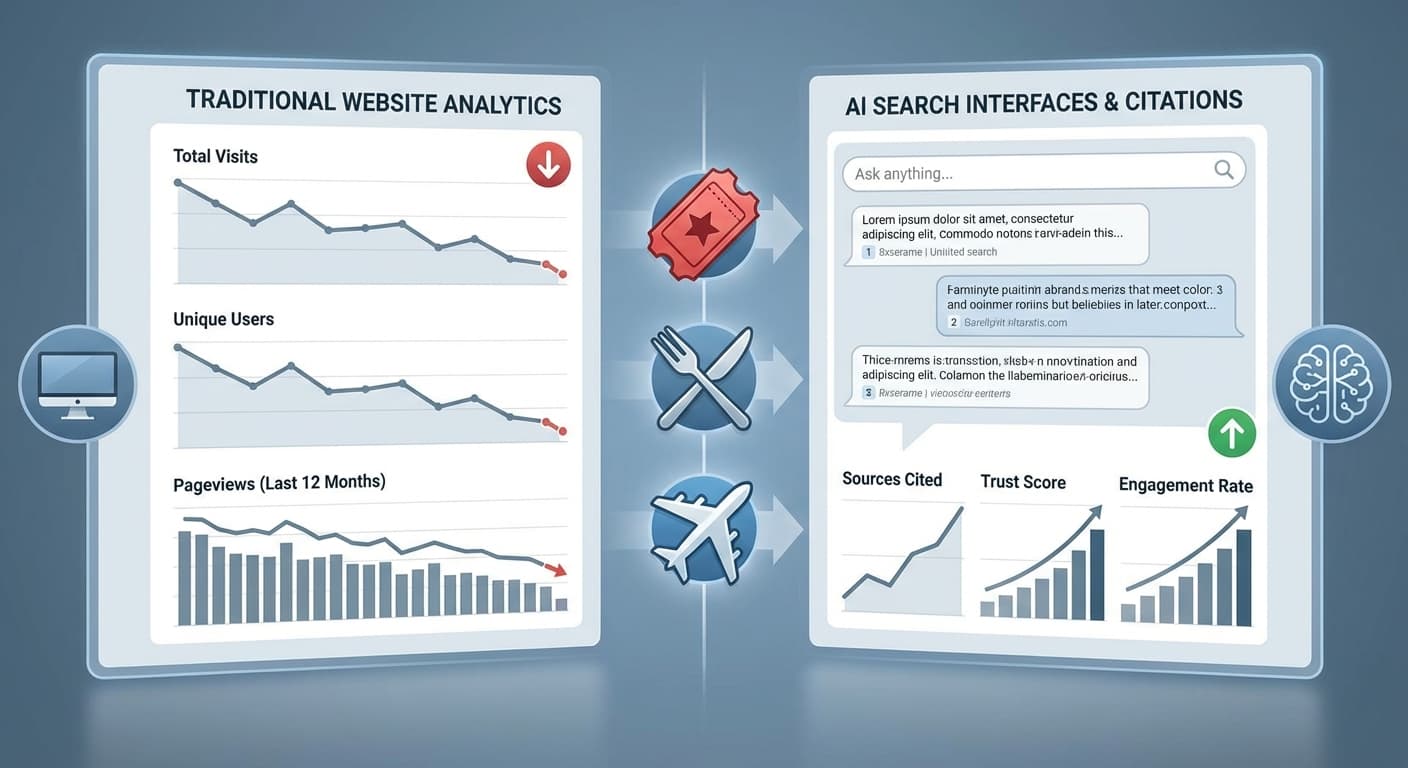
    AI reputation management is a long-term strategy that requires patience and consistency. Unlike traditional SEO, where you might see ranking changes within weeks, AI reputation shifts typically take 3-6 months to become apparent as new content gets indexed and older citations lose influence.

    The Future of AI Reputation Management

    As AI search continues to evolve, expect to see:

  • More sophisticated sentiment analysis in AI responses

  • Greater emphasis on recent and real-time UGC

  • Increased importance of visual content and multimedia reviews

  • Enhanced fact-checking and source verification by AI engines
  • Brands that start building comprehensive AI reputation strategies now will have a significant advantage as this space becomes more competitive.

    Ready to Optimize for AI Search?

    Managing your brand reputation across AI search engines requires new tools and strategies. Citescope Ai helps you understand exactly how AI engines are citing your brand and optimize your content for better visibility. Start with our free tier to track up to 3 content optimizations per month, or upgrade to Pro for comprehensive citation monitoring and unlimited AI-optimized content. Take control of your AI search reputation today—try Citescope Ai free and see how your brand appears in the age of AI search.
    AI reputation managementthird-party reviewsUGC strategyAI search optimizationbrand perception

    Track your AI visibility

    See how your content appears across ChatGPT, Perplexity, Claude, and more.

    Start for Free