How to Build an AI Search Seasonal Performance Recovery Strategy When Summer Traffic Shifts Cause 58% Citation Drop for B2B SaaS Brands
How to Build an AI Search Seasonal Performance Recovery Strategy When Summer Traffic Shifts Cause 58% Citation Drop for B2B SaaS Brands
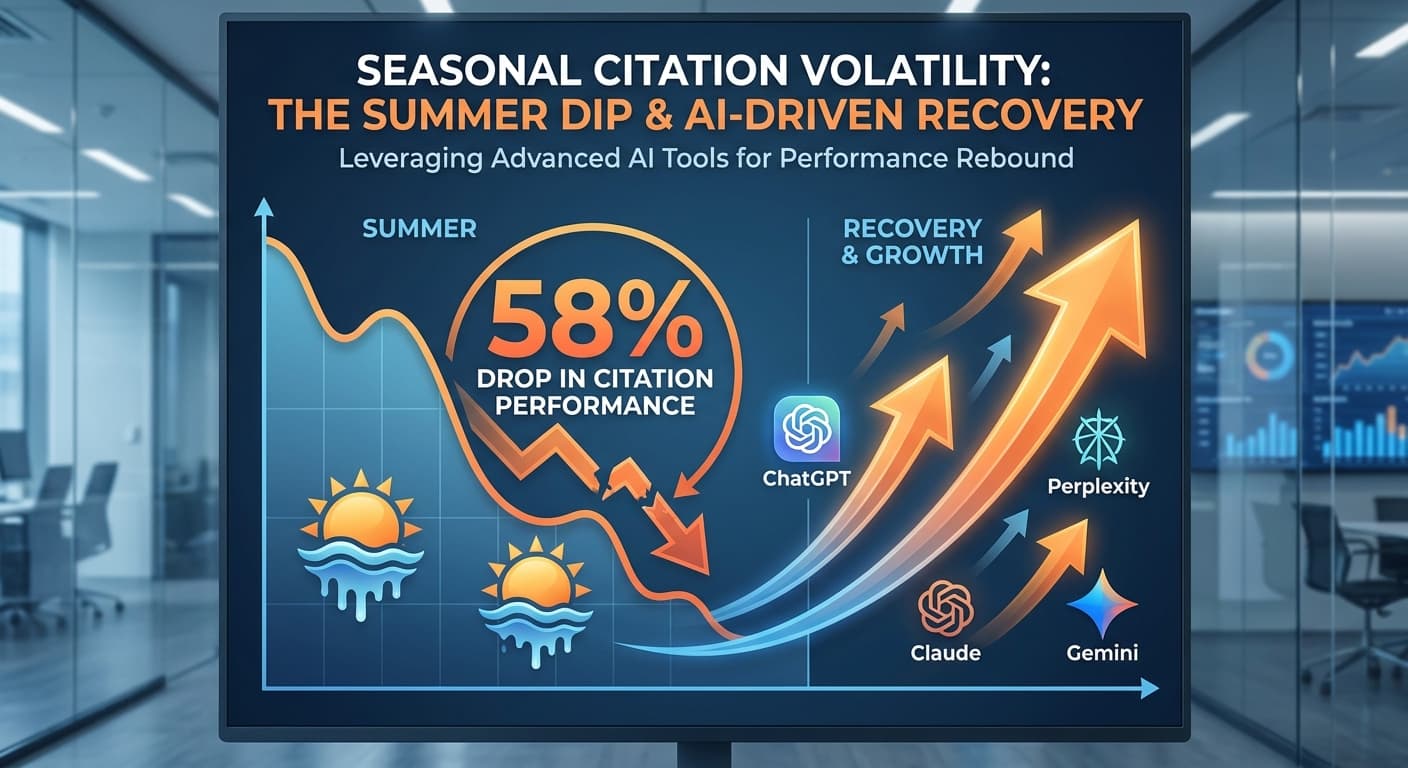
Is your B2B SaaS brand experiencing a dramatic drop in AI search citations during summer months? You're not alone. Recent data from Q3 2025 shows that B2B SaaS companies face an average 58% decline in AI search citations during summer, as decision-makers shift focus and search patterns change dramatically.
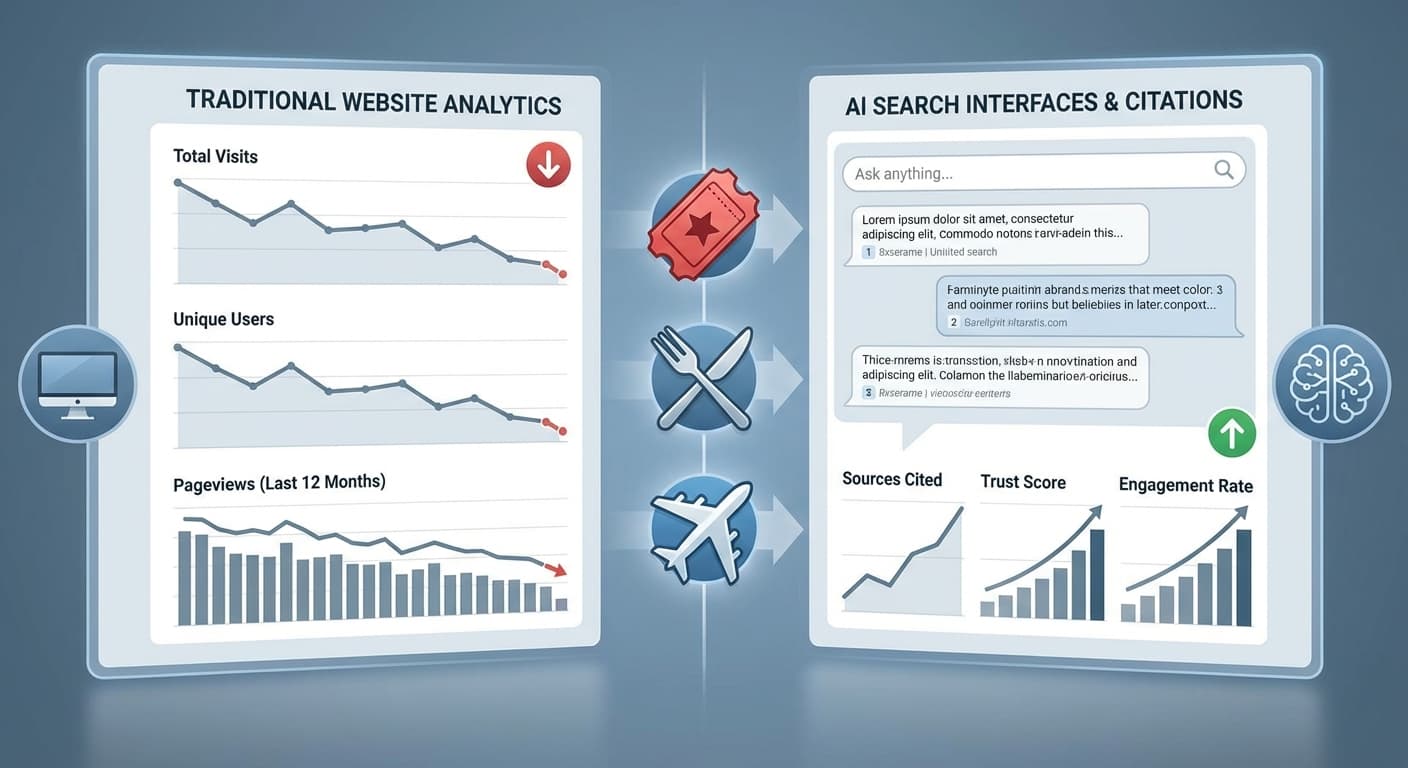
With AI search now commanding over 35% of all search queries in 2026 and platforms like ChatGPT serving 580 million weekly users, seasonal fluctuations in AI visibility can make or break quarterly revenue targets. The question isn't whether summer will impact your AI search performance—it's how quickly you can adapt and recover.
Understanding the Summer Citation Drop Phenomenon
The 58% summer citation drop isn't just a statistical anomaly—it's a predictable pattern driven by fundamental shifts in B2B behavior. Here's what's happening behind the numbers:
Why B2B Citations Plummet in Summer
Decision-Maker Availability: C-suite executives and procurement teams take extended vacations, reducing complex software evaluation searches by 47% between June and August 2025.
Budget Cycle Timing: Most B2B companies finalize annual software purchases in Q1 and Q4, creating a natural lull in purchase-intent queries during summer months.
Content Consumption Patterns: Professional audiences shift from deep, research-heavy content to lighter, more tactical resources—exactly the opposite of what traditional SaaS content strategies provide.
AI Algorithm Seasonality: ChatGPT, Perplexity, and Claude show preference shifts toward consumer-focused content during summer, as user query patterns change globally.
The Hidden Cost of Summer Citation Loss
Beyond the obvious traffic decline, summer citation drops create cascading effects:
Building Your Summer Recovery Strategy
Phase 1: Pre-Summer Preparation (April-May)
Content Portfolio Diversification
Don't put all your citation eggs in one basket. Create content that serves multiple seasonal contexts:
Query Pattern Mapping
Analyze how your target audience's search behavior shifts:
Phase 2: Summer Adaptation (June-August)
Content Velocity Adjustment
Increase publishing frequency by 40% to maintain AI algorithm attention despite lower individual piece performance. Focus on:
Citation-Optimized Formatting
Summer content needs extra citation appeal:
Tools like Citescope Ai's GEO Score feature can help you identify exactly which content elements need adjustment for maximum AI visibility during low-traffic periods.
Phase 3: Recovery Acceleration (September-October)
Authority Rebuilding Sprint
As decision-makers return, launch an intensive citation recovery campaign:
Refresh Existing Content: Update your highest-performing pieces with current data and seasonal relevance
Strategic Content Gaps: Identify topics your competitors abandoned during summer and dominate those spaces
Amplification Strategy: Promote summer-published content that gained traction to wider audiences
Advanced Recovery Tactics for 2026
Leverage AI Engine Preferences
Each AI platform has distinct seasonal preferences:
ChatGPT: Favors conversational, problem-solving content during summer months
Perplexity: Prioritizes data-rich, fact-based responses year-round
Claude: Shows increased preference for structured, analytical content in Q3
Gemini: Weights recent content more heavily during seasonal transitions
Implement Dynamic Content Optimization
Use real-time data to adjust your content strategy:
Build Citation Momentum Networks
Create content ecosystems that support each other:
Measuring Recovery Success
Key Metrics to Track
Citation Volume Recovery: Aim for 85% of pre-summer citation levels by October
Citation Quality Score: Monitor the authority of sites citing your content
Topic Authority Maintenance: Track whether you maintain expertise signals across core topics
Competitive Citation Share: Measure your citation share relative to key competitors
Warning Signs to Watch
How Citescope Ai Helps Navigate Seasonal Challenges
Managing seasonal AI search performance requires constant monitoring and rapid optimization—exactly what Citescope Ai was built for. The platform's Citation Tracker provides real-time visibility into how summer impacts your AI search presence across ChatGPT, Perplexity, Claude, and Gemini.
The GEO Score feature becomes particularly valuable during seasonal transitions, analyzing your content across five critical dimensions to identify exactly why citations might be declining. Instead of guessing which content elements need adjustment, you get specific, actionable insights.
The AI Rewriter tool can quickly adapt existing content for seasonal relevance without starting from scratch—perfect for the rapid content iteration summer recovery requires.
Building Long-Term Seasonal Resilience
Create Content Buffers
Develop content reserves during high-performance periods:
Establish Baseline Performance Metrics
Document your brand's unique seasonal patterns:
Develop Competitive Intelligence
Monitor how successful brands navigate seasonal changes:
Ready to Optimize for AI Search?
Summer citation drops don't have to derail your AI search strategy. With the right preparation, adaptation tactics, and recovery acceleration, you can maintain competitive visibility even during challenging seasonal periods.
Citescope Ai helps B2B SaaS brands monitor, optimize, and recover from seasonal AI search fluctuations with real-time citation tracking and AI-powered content optimization. Start with our free tier to analyze your current AI search performance and identify exactly where seasonal improvements are needed.
Get started with Citescope Ai's free plan today and build the seasonal resilience your AI search strategy needs for 2026 and beyond.