How to Build an AI Search Synthetic Query Generation Strategy When AI Agents Pre-Research Products on Behalf of Users in Private Sessions

How to Build an AI Search Synthetic Query Generation Strategy When AI Agents Pre-Research Products on Behalf of Users in Private Sessions
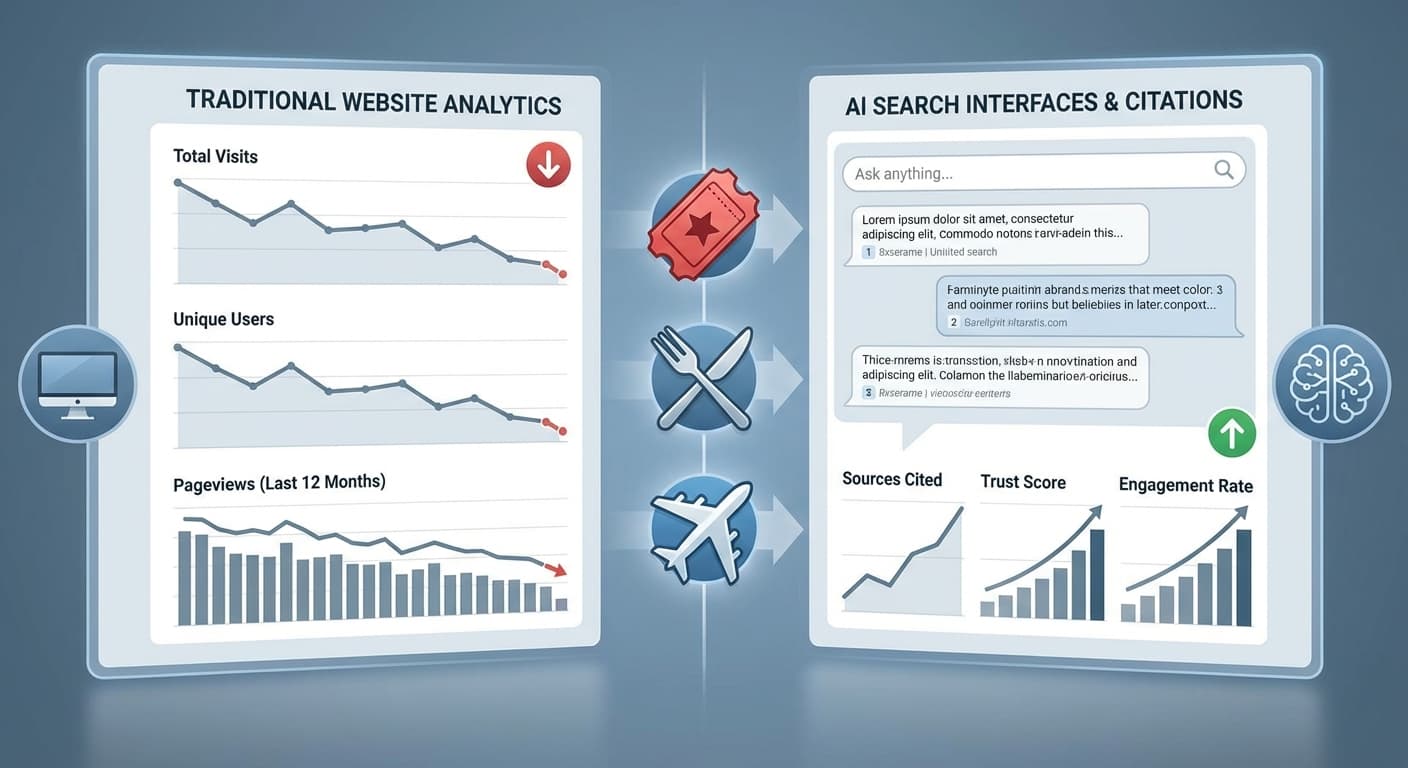
By 2026, an estimated 40% of product research happens behind closed doors—literally. AI agents like ChatGPT, Claude, and Perplexity are increasingly conducting preliminary research on behalf of users in private sessions that never show up in your analytics. These invisible touchpoints are reshaping how customers discover and evaluate products, yet most businesses are flying blind.
Consider this: A potential customer asks their AI assistant to "research the best project management tools for remote teams under $50/month." The AI conducts extensive research, analyzes dozens of websites, and provides a comprehensive comparison—all without generating a single trackable visit to your site. Your customer arrives at your product already informed, or worse, already convinced by a competitor.
The Invisible Customer Journey Crisis
The traditional customer journey relied on trackable touchpoints: search queries, website visits, and engagement metrics. But AI agents are fundamentally disrupting this model. According to recent studies, 65% of Gen Z users now rely on AI for initial product research, and these interactions happen in private, untrackable sessions.
What's Happening Behind the Scenes
When someone asks an AI agent about products or services, the agent:
This creates a fundamental problem: You can't optimize for queries you can't see.
Understanding Synthetic Query Generation
Synthetic query generation is the practice of creating hypothetical search queries that AI agents might use when researching your products or industry. Unlike traditional keyword research that focuses on what users type into search boxes, synthetic queries anticipate what AI agents ask internally when gathering information.
Types of Synthetic Queries AI Agents Generate
Comparison Queries:
Research Queries:
Contextual Queries:
Building Your Synthetic Query Strategy
Step 1: Map Your Invisible Customer Journey
Start by understanding how AI agents might research your products:
Step 2: Generate Comprehensive Query Libraries
Create extensive lists of potential queries across different categories:
Product-Specific Queries:
Industry and Use-Case Queries:
Competitive Landscape Queries:
Step 3: Create AI-Optimized Content Assets
Develop content that directly answers these synthetic queries:
Comprehensive Comparison Pages:
Create detailed comparison content that addresses multiple angles:
FAQ Clusters:
Build extensive FAQ sections that anticipate AI agent questions:
Contextual Use Case Studies:
Develop case studies for specific scenarios:
Step 4: Optimize for AI Understanding
Make your content easily digestible for AI agents:
Structured Data Implementation:
Semantic Clarity:
Authoritative Sourcing:
Citescope Ai's GEO Score analyzes exactly these elements, measuring how well your content performs across AI Interpretability, Semantic Richness, Conversational Relevance, Structure, and Authority—the five critical dimensions for AI search optimization.
Advanced Synthetic Query Techniques
Persona-Based Query Generation
Develop queries from the perspective of different user personas:
The Technical Evaluator:
The Budget-Conscious Decision Maker:
The Implementation Manager:
Temporal Query Variations
Consider how queries might vary over time:
Trend-Based Queries:
Seasonal and Event-Driven Queries:
Measuring Synthetic Query Success
Indirect Performance Indicators
Since you can't track AI agent queries directly, monitor these metrics:
Content Engagement Patterns:
AI Citation Tracking:
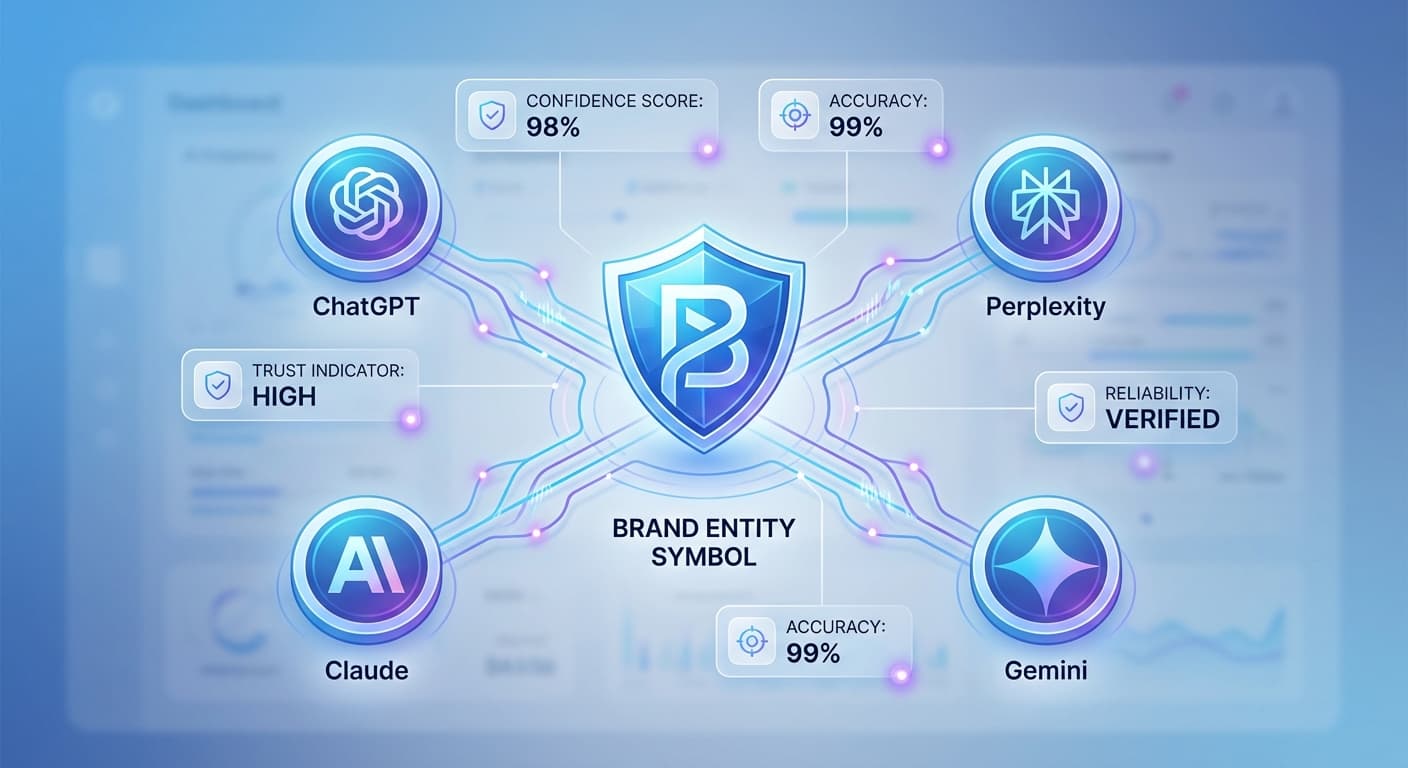
Monitor when AI engines cite your content in their responses. Tools like Citescope Ai's Citation Tracker help you identify when ChatGPT, Perplexity, Claude, and Gemini reference your content in their answers.
Brand Mention Analysis:
Lead Quality Improvements
Look for qualitative changes in your leads:
Implementation Best Practices
Content Audit and Gap Analysis
Continuous Optimization Process
Regular Query Updates:
Content Iteration:
How Citescope Ai Helps
Building an effective synthetic query strategy requires understanding how AI engines interpret and cite content. Citescope Ai provides the tools you need to optimize for this invisible customer journey:
The platform helps you transform your existing content library into AI-optimized assets that perform better in these invisible research sessions.
Future-Proofing Your Strategy
As AI agents become more sophisticated, your synthetic query strategy must evolve:
Emerging Trends to Watch:
Strategic Adaptations:
Ready to Optimize for AI Search?
The shift toward AI-mediated product research isn't coming—it's here. Every day you wait to optimize for synthetic queries, potential customers are forming opinions about your products through AI interactions you can't see or influence.
Citescope Ai helps you reclaim control over your invisible customer journey. Our GEO Score shows you exactly how AI engines interpret your content, while our Citation Tracker reveals when your optimization efforts pay off. Start with our free tier and optimize 3 pieces of content this month to see the difference AI-optimized content can make.
Try Citescope Ai free today and start building content that works in the age of AI search.