How to Build an AI Search Traffic Recovery Strategy When Your Impressions Hold Steady But Click-Through Rates Drop 40% Due to Zero-Click Summaries
How to Build an AI Search Traffic Recovery Strategy When Your Impressions Hold Steady But Click-Through Rates Drop 40% Due to Zero-Click Summaries
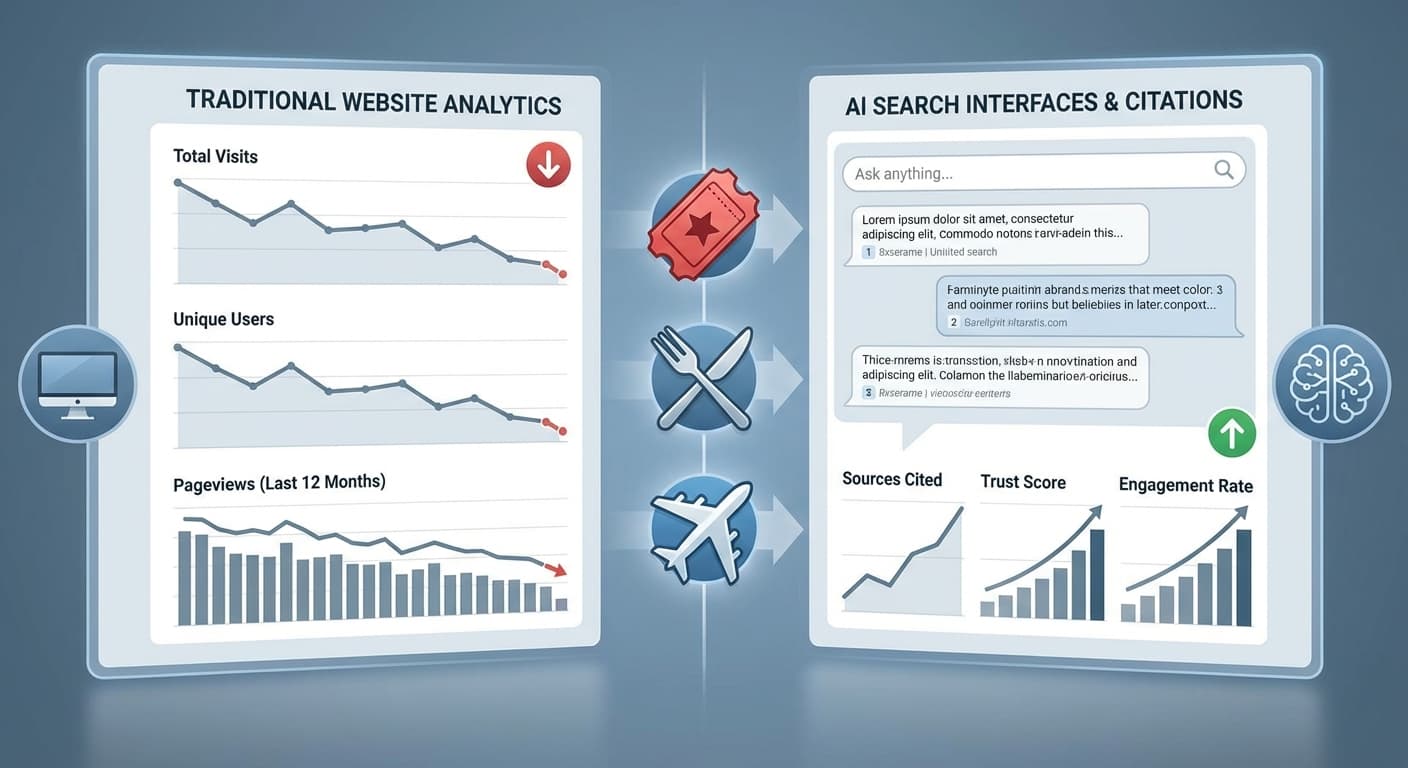
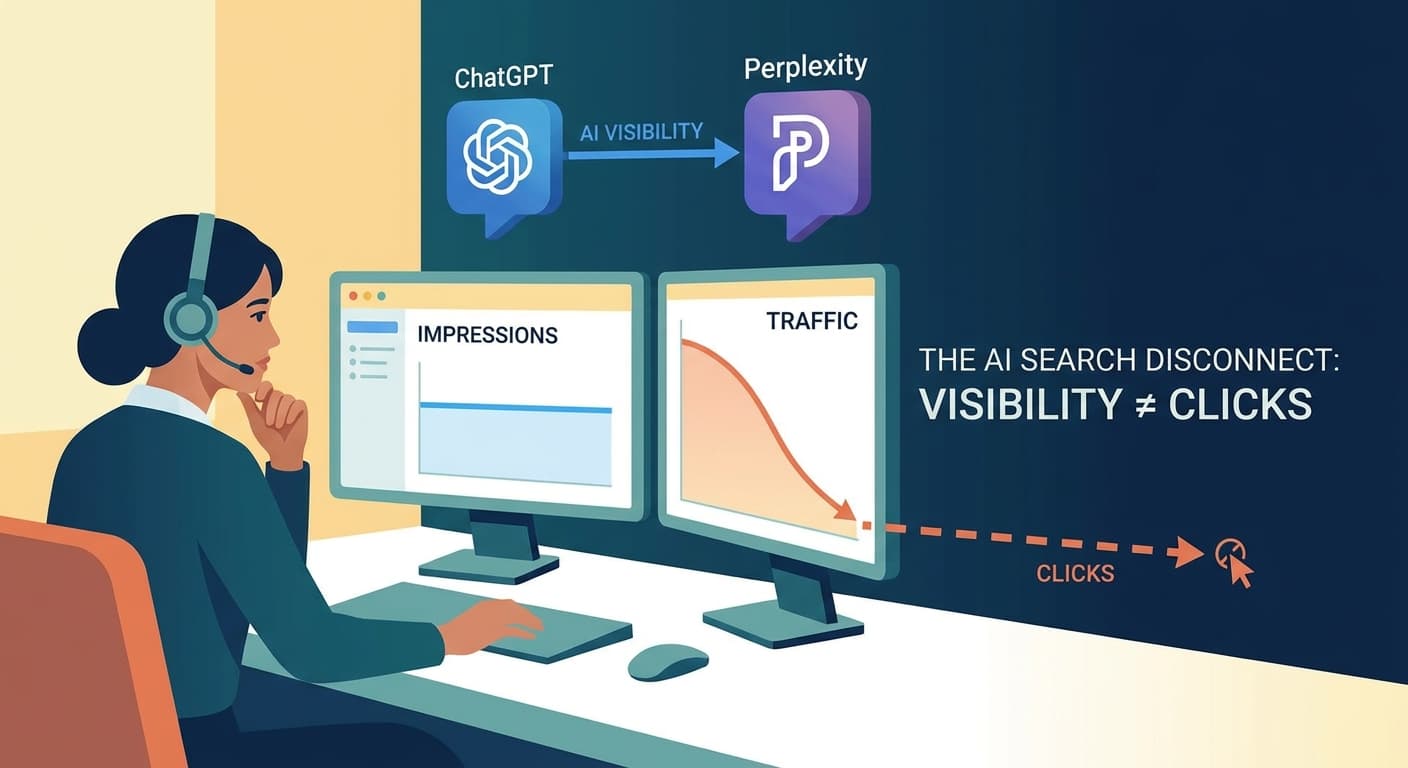
If you've noticed your content getting plenty of visibility in AI search results but experiencing a dramatic drop in actual clicks, you're not alone. In 2025, content creators worldwide reported an average 38% decline in click-through rates from AI-powered search engines, even as their content maintained strong impression rates. The culprit? Zero-click summaries that answer users' questions without requiring them to visit the original source.
The Zero-Click Challenge: Why Visibility Doesn't Equal Traffic Anymore
AI search engines like ChatGPT, Perplexity, and Claude have fundamentally changed how users consume information. With over 600 million weekly active users across major AI platforms as of early 2026, these tools increasingly provide comprehensive answers directly in their responses, reducing the need for users to click through to original sources.
This shift has created a paradox for content creators:
The result? Many businesses saw their organic traffic drop by 25-45% in 2025, despite maintaining strong content visibility in AI search results.
Understanding the Root Causes of CTR Decline
1. Complete Answer Syndrome
AI engines have become incredibly sophisticated at extracting and synthesizing information. When users ask questions like "How do I optimize my LinkedIn profile?" or "What are the benefits of meditation?", AI responses often provide such comprehensive answers that users feel no need to dig deeper.
2. Citation Without Context
While AI engines cite your content, they often strip away the context, personality, and unique value propositions that would motivate users to visit your site. Your expert insights get reduced to bullet points in a summary.
3. Changed User Behavior
Generation Z and younger millennials now expect instant, complete answers. Research from 2025 shows that 73% of users under 30 prefer AI-generated summaries over clicking through to multiple sources.
The Strategic Recovery Framework: 6 Key Pillars
1. Create "Gateway Content" That Demands Deeper Engagement
Instead of creating content that can be fully summarized, develop pieces that naturally require users to visit your site for the complete experience:
For example, instead of writing "10 Email Marketing Tips," create "The Complete Email Marketing Audit Checklist (+ Free Template)" where the AI can summarize the tips, but users need to visit for the actual checklist.
2. Optimize for "Incomplete" AI Responses
Structure your content so AI engines can provide helpful summaries while leaving clear gaps that require users to visit your site:
3. Leverage the Citation for Brand Building
When your content gets cited without clicks, treat it as a brand awareness opportunity:
4. Develop Multi-Format Content Ecosystems
Create content families where the AI-cited piece is just the entry point:
This approach ensures that even if users don't click initially, they encounter your brand multiple times and may engage later.
5. Focus on High-Intent, Low-Competition Queries
Shift your content strategy toward topics where users are more likely to seek additional information:
For instance, instead of "What is content marketing?", target "How to create a content marketing strategy for B2B SaaS companies with 6-month sales cycles."
6. Build Direct Relationships Beyond Search
Reduce dependence on search traffic by building direct channels:
Measuring Success in the Zero-Click Era
Traditional metrics may not tell the full story. Expand your measurement framework:
New Metrics to Track
Tools and Tracking Methods
Content Optimization Tactics for Better Engagement
Make Your Headlines Irresistible
Even if AI engines summarize your content, compelling headlines can still drive clicks:
Structure for Scannable Citations
Optimize your content structure so that when AI engines cite you, the citations naturally lead to more questions:
Include Strategic Calls-to-Action
Even in cited content, include CTAs that provide additional value:
How Citescope Ai Helps Navigate the Zero-Click Challenge
While adapting to zero-click summaries requires strategic thinking, having the right tools makes implementation much more manageable. Citescope Ai addresses this challenge through several key features:
Smart Content Analysis: The GEO Score evaluates your content across five dimensions, helping you identify which pieces are likely to generate citations versus clicks. This insight allows you to optimize accordingly—either for visibility and brand building or for traffic generation.
AI-Optimized Restructuring: The AI Rewriter tool can help you restructure existing content to create natural "gaps" that encourage click-throughs while maintaining citation potential. It suggests ways to hint at additional resources, tools, or insights available on your site.
Citation Tracking: Monitor when and how your content gets cited across ChatGPT, Perplexity, Claude, and Gemini. Understanding citation patterns helps you identify which content formats and topics generate the most AI visibility, allowing you to double down on successful strategies.
Multi-Format Optimization: Export your optimized content in formats that work across different platforms—from blog posts to social media content that can help build those crucial direct relationships with your audience.
Advanced Recovery Strategies for Different Industries
For B2B Service Providers
For E-commerce Businesses
For Educational Content Creators
The Future of AI Search and Traffic Recovery
As AI search continues evolving, content creators who adapt quickly will maintain their competitive advantage. The key is to view zero-click summaries not as a threat, but as an opportunity to build brand awareness and authority that converts through alternative channels.
Successful recovery strategies will increasingly focus on:
Ready to Optimize for AI Search?
Recovering from zero-click traffic declines requires both strategic thinking and the right tools to execute effectively. Citescope Ai provides the insights and optimization capabilities you need to adapt your content strategy for the AI search era.
Start with our free tier to analyze your current content's AI optimization potential and see how small adjustments can improve both citation rates and click-through performance. With features designed specifically for the challenges of AI search, you can build a sustainable traffic recovery strategy that works with AI algorithms, not against them.
Try Citescope Ai free today and discover how to turn AI citations into sustainable traffic growth.