How to Build an AI Search Visibility Recovery Plan When Q2 2026 Algorithm Updates Caused 40% Citation Drops for Affiliate and Comparison Content
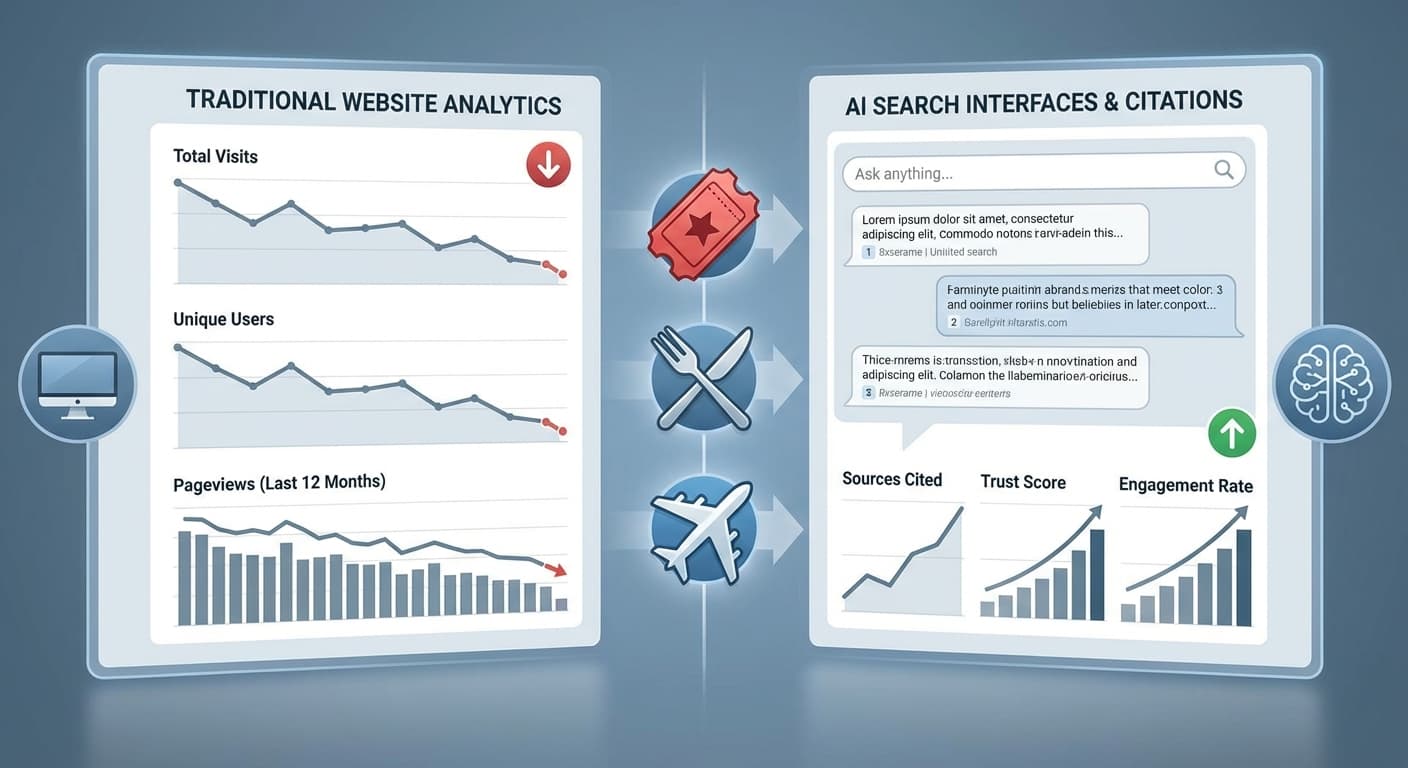
Did you know that the Q2 2026 algorithm updates across major AI search engines resulted in a devastating 40% drop in citations for affiliate and comparison content? If you're a content creator, affiliate marketer, or publisher who relies on AI-generated traffic, you've likely felt this impact firsthand.
The landscape of AI search has fundamentally shifted in 2026, with platforms like ChatGPT, Perplexity, Claude, and Gemini implementing stricter quality filters for commercial content. What worked in 2025 simply isn't cutting it anymore, and content creators are scrambling to adapt.
Understanding the Q2 2026 Algorithm Changes
The second quarter of 2026 marked a turning point in AI search optimization. Major AI platforms simultaneously rolled out updates that dramatically changed how they evaluate and cite commercial content:
Key Changes Implemented:
Enhanced Commercial Intent Detection: AI engines now better identify affiliate and sponsored content, applying stricter citation criteriaAuthority Bias Amplification: Preference given to established brands and recognized authorities in product comparisonsTransparency Requirements: Content lacking clear disclosure or overly promotional language faces citation penaltiesUser Experience Prioritization: AI models now heavily weight user satisfaction signals when determining citation worthinessThese changes weren't arbitrary—they reflected user feedback showing that 67% of AI search users wanted more balanced, less commercially-driven responses in product and service queries.
Identifying If Your Content Was Affected
Before building a recovery plan, you need to assess the damage. Here are the key indicators that your content took a hit:
Traffic and Engagement Metrics:
30%+ drop in AI-sourced traffic since April 2026Decreased citation frequency in AI responsesLower engagement rates on affiliate and comparison contentReduced conversion rates from AI search trafficContent Performance Signals:
Previously well-cited product reviews no longer appearing in AI responsesComparison articles being bypassed for direct brand mentionsAffiliate content receiving fewer social shares and backlinksDrop in featured snippet appearances for commercial queriesBuilding Your AI Search Visibility Recovery Plan
Phase 1: Content Audit and Analysis (Week 1-2)
Start by conducting a comprehensive review of your affected content:
Step 1: Categorize Your Content
Product reviews and comparisonsAffiliate-driven articlesSponsored contentBuying guides and recommendationsStep 2: Performance Assessment
Analyze pre- and post-update citation ratesIdentify which content types were hit hardestMap citation losses to specific topics or industriesStep 3: Competitor Analysis
Research which competitors maintained their AI visibilityIdentify successful content patterns in your nicheAnalyze the structural and stylistic differences in their approachPhase 2: Content Restructuring Strategy (Week 3-4)
Enhance Transparency and Trust Signals
The 2026 updates heavily favor transparent, trustworthy content. Here's how to adapt:
Clear Disclosure Placement: Move affiliate disclosures to prominent positions, not buried in footersMethodology Transparency: Explain your testing process, criteria, and evaluation methodsUpdated Author Bios: Strengthen E-E-A-T signals with detailed expertise credentialsCitation of Sources: Reference original manufacturer specs, independent studies, and user reviewsRebalance Commercial Intent
AI engines now penalize overtly commercial content. Strike a better balance:
Educational Focus: Lead with informative content before introducing commercial elementsMultiple Perspectives: Include pros and cons, alternative viewpoints, and contextUser-Centric Approach: Frame recommendations around user needs, not affiliate commissionsComparative Depth: Provide meaningful comparisons beyond surface-level featuresPhase 3: Technical Optimization (Week 3-5)
Structured Data Implementation
AI engines increasingly rely on structured data for context. Implement:
Product Schema: Detailed product information markupReview Schema: Structured review data with ratings and datesFAQ Schema: Common questions and comprehensive answersOrganization Schema: Clear brand and author entity informationContent Architecture Improvements
Semantic Richness: Expand topic coverage with related concepts and terminologyInternal Linking: Create topic clusters that demonstrate topical authorityContent Freshness: Regular updates with current pricing, availability, and featuresMulti-format Content: Include videos, images, and interactive elementsCitescope Ai's AI Rewriter can help optimize your content structure automatically, ensuring it meets the new algorithmic requirements while maintaining readability and user value.
Phase 4: Authority Building (Ongoing)
Strengthen Domain Authority Signals
Expert Contributions: Feature insights from industry professionals and brand representativesOriginal Research: Conduct surveys, tests, or studies to provide unique dataBrand Relationships: Develop partnerships with manufacturers for exclusive informationCommunity Engagement: Build user-generated content through reviews and discussionsDiversify Citation Sources
Industry Publications: Publish in recognized trade magazines and websitesSpeaking Engagements: Participate in industry events and webinarsPodcast Appearances: Share expertise on relevant shows in your nicheSocial Proof: Collect testimonials and user success storiesContent Optimization Best Practices for 2026
Writing for AI Comprehension
Clear Hierarchical Structure: Use H2 and H3 tags to organize information logicallyConversational Language: Write as if answering a direct user questionComprehensive Coverage: Address related questions and concerns within each pieceActionable Insights: Provide specific, implementable adviceRegular Updates: Keep content current with market changes and new productsBalancing Commercial and Educational Content
80/20 Rule: Aim for 80% educational value, 20% commercial messagingProblem-Solution Framework: Identify user problems before presenting solutionsMultiple Options: Always present multiple choices, not just your affiliate productsHonest Limitations: Acknowledge when products aren't suitable for certain usersMeasuring Recovery Success
Track these key metrics to monitor your recovery progress:
AI Citation Metrics:
Citation frequency across different AI platformsPosition in AI-generated responsesContext accuracy of citationsUser engagement with cited contentTraffic and Conversion Metrics:
Organic traffic from AI search queriesTime on page and bounce rate improvementsConversion rate recovery for affiliate linksRevenue attribution to AI search trafficAuthority Indicators:
Backlink quality and quantity improvementsMention frequency in industry discussionsSocial media engagement and sharesExpert recognition and citationsHow Citescope Ai Helps
Recovering from algorithm updates requires precise optimization and ongoing monitoring. Citescope Ai provides the tools you need:
GEO Score Analysis: Get detailed insights into how your content performs across the five key dimensions that AI engines evaluate—AI Interpretability, Semantic Richness, Conversational Relevance, Structure, and Authority.
Citation Tracker: Monitor your recovery progress by tracking when your optimized content gets cited by ChatGPT, Perplexity, Claude, and Gemini. See exactly which changes are working and which need refinement.
AI Rewriter: Quickly restructure existing affiliate and comparison content to meet the new algorithmic requirements while maintaining commercial value.
Timeline for Recovery
Realistic expectations for visibility recovery:
Weeks 1-4: Content optimization and technical improvementsWeeks 5-8: Initial citation recovery beginsWeeks 9-12: Significant traffic improvements visibleMonths 4-6: Full recovery to pre-update levels (for well-executed plans)Looking Ahead: Preparing for Future Updates
The Q2 2026 updates won't be the last. Build resilience into your content strategy:
Diversified Traffic Sources: Don't rely solely on AI searchQuality-First Approach: Prioritize user value over short-term gainsContinuous Monitoring: Track performance across all AI platformsAgile Content Strategy: Be ready to adapt quickly to changesReady to Optimize for AI Search?
Recovering from the Q2 2026 algorithm updates requires a strategic, data-driven approach. Citescope Ai helps content creators and marketers optimize their content for maximum AI visibility while maintaining commercial value.
Start your recovery today with our free tier—get 3 content optimizations to test the waters, then upgrade to Pro ($39/month) for unlimited optimizations and comprehensive citation tracking. Don't let algorithm updates derail your content strategy. Take control of your AI search visibility now.