How to Build an AI Share of Voice Tracker: Measuring Brand Salience Across AI Search Engines

How to Build an AI Share of Voice Tracker: Measuring Brand Salience Across AI Search Engines
What if your brand is being mentioned by AI engines millions of times daily, but you have no way to track it? In 2026, with AI search now capturing 35% of all search queries and over 600 million weekly active ChatGPT users, understanding your "AI share of voice" has become critical for brand salience—yet there's no standardized framework to measure it.
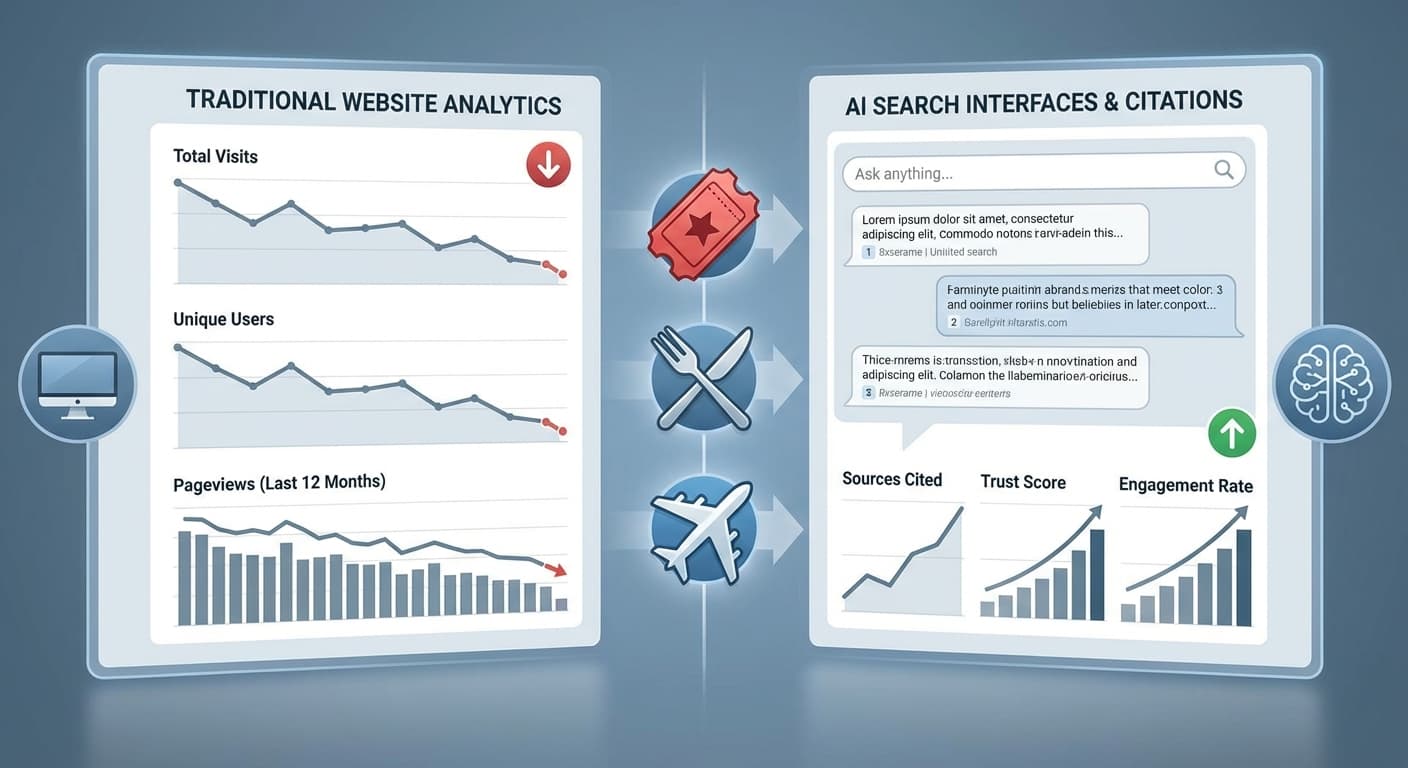
The traditional share of voice metrics we've relied on for decades are crumbling. Google keyword rankings and social media mentions tell only part of the story when ChatGPT, Perplexity, Claude, and Gemini are increasingly becoming the first touchpoint between consumers and brands.
The AI Citation Revolution: Why Traditional Metrics Fall Short
In the pre-AI era, measuring share of voice was relatively straightforward. You tracked:
But AI engines operate fundamentally differently. When someone asks Perplexity "What's the best project management software?" or queries Claude about "sustainable fashion brands," the AI doesn't just return a list of links—it synthesizes information and makes recommendations, often citing specific brands in its responses.
These citations aren't based on traditional SEO signals alone. AI engines evaluate content for:
A recent study by SearchLab found that brands mentioned in AI responses see 40% higher consideration rates among Gen Z consumers compared to traditional search results.
The Challenge: No Standard Measurement Framework Exists
Here's the problem: Unlike Google Analytics or social listening tools, there's no universal dashboard showing how often your brand appears in AI responses. Each AI engine has different:
This creates a measurement blind spot that many brands are just beginning to recognize. How do you track something that's happening across multiple AI platforms with no standardized reporting?
Building Your AI Share of Voice Tracking System
Step 1: Define Your AI Citation Categories
Before you can track your AI share of voice, you need to categorize the types of citations that matter to your business:
Direct Brand Mentions
Indirect References
Competitive Context
Step 2: Identify Key Query Categories
Map out the types of questions your target audience asks that should trigger mentions of your brand:
Step 3: Set Up Multi-Platform Monitoring
Create a systematic approach to track citations across AI platforms:
Manual Testing Protocol
Automated Monitoring Setup
Third-Party Tool Integration
Step 4: Establish Your Baseline Metrics
Develop a scoring system that accounts for:
Citation Volume Score
Citation Quality Score
Competitive Share Score
Step 5: Create Your AI Share of Voice Dashboard
Build a centralized tracking system that includes:
Advanced AI Share of Voice Strategies
Optimize for Citation-Worthy Content
AI engines favor content that:
Monitor Competitor Citation Patterns
Track not just your own mentions, but analyze:
Implement Citation Response Strategies
When you identify citation opportunities:
How Citescope Ai Helps
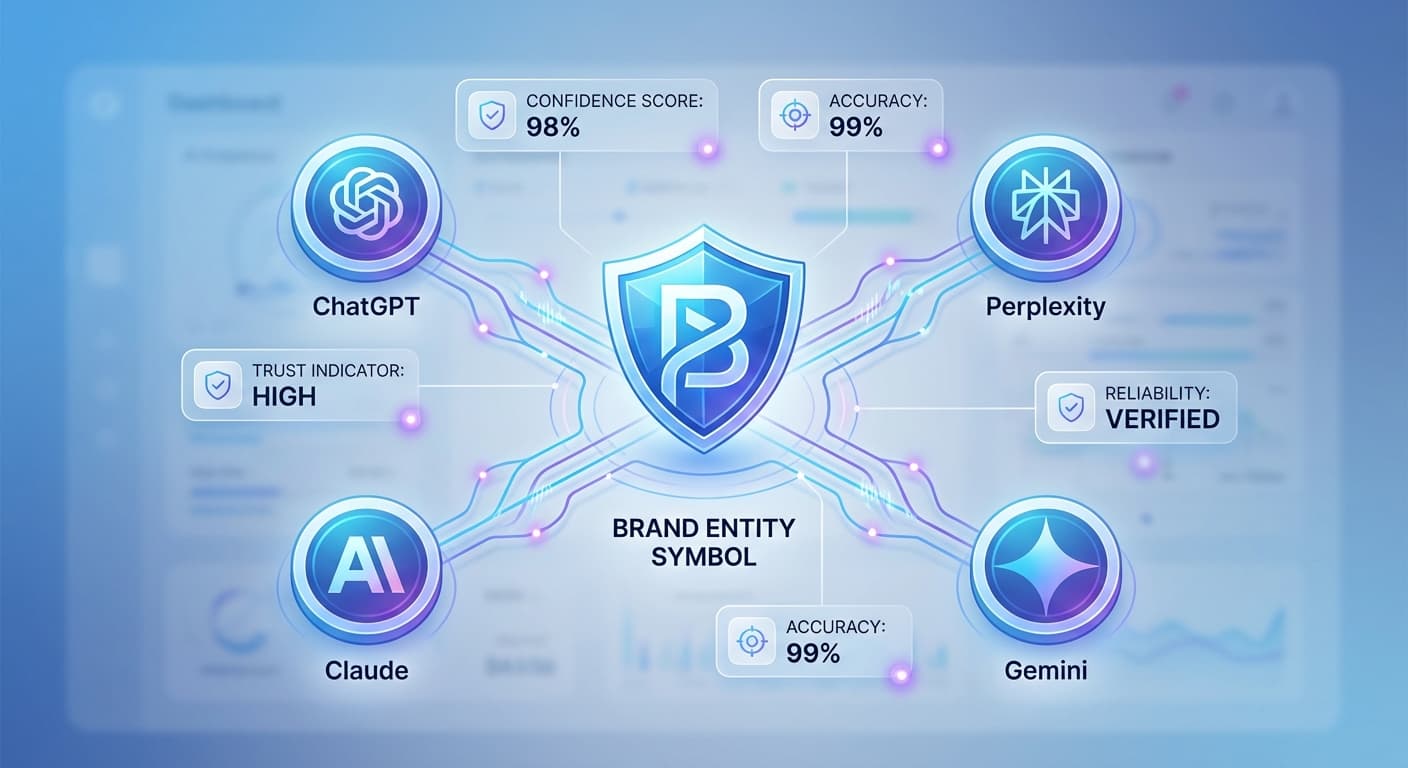
While building an AI share of voice tracker from scratch is possible, tools like Citescope Ai streamline the entire process. The platform's Citation Tracker monitors mentions across ChatGPT, Perplexity, Claude, and Gemini automatically, providing the dashboard and analytics you need without the manual overhead.
The GEO Score feature also helps you understand why certain content gets cited more frequently by analyzing your content across the five dimensions AI engines care about most: AI Interpretability, Semantic Richness, Conversational Relevance, Structure, and Authority.
The Future of AI Share of Voice
As AI search continues to mature, we expect to see:
Brands that start building their AI share of voice tracking systems now will have a significant advantage as these metrics become standard industry KPIs.
Ready to Optimize for AI Search?
Building an AI share of voice tracker is complex, but it's becoming essential for understanding your true digital brand presence. Citescope Ai simplifies this process with automated citation tracking, content optimization tools, and comprehensive analytics across all major AI platforms. Start tracking your AI citations today with a free account and see where your brand stands in the new world of AI search.