GEO Strategy

How to Build an AI Share of Voice Tracking System When Citations Without Clicks Are Building Brand Salience But Your Analytics Can't Measure Awareness Impact
March 18, 20267 min read
How to Build an AI Share of Voice Tracking System When Citations Without Clicks Are Building Brand Salience But Your Analytics Can't Measure Awareness Impact

How to Build an AI Share of Voice Tracking System When Citations Without Clicks Are Building Brand Salience But Your Analytics Can't Measure Awareness Impact

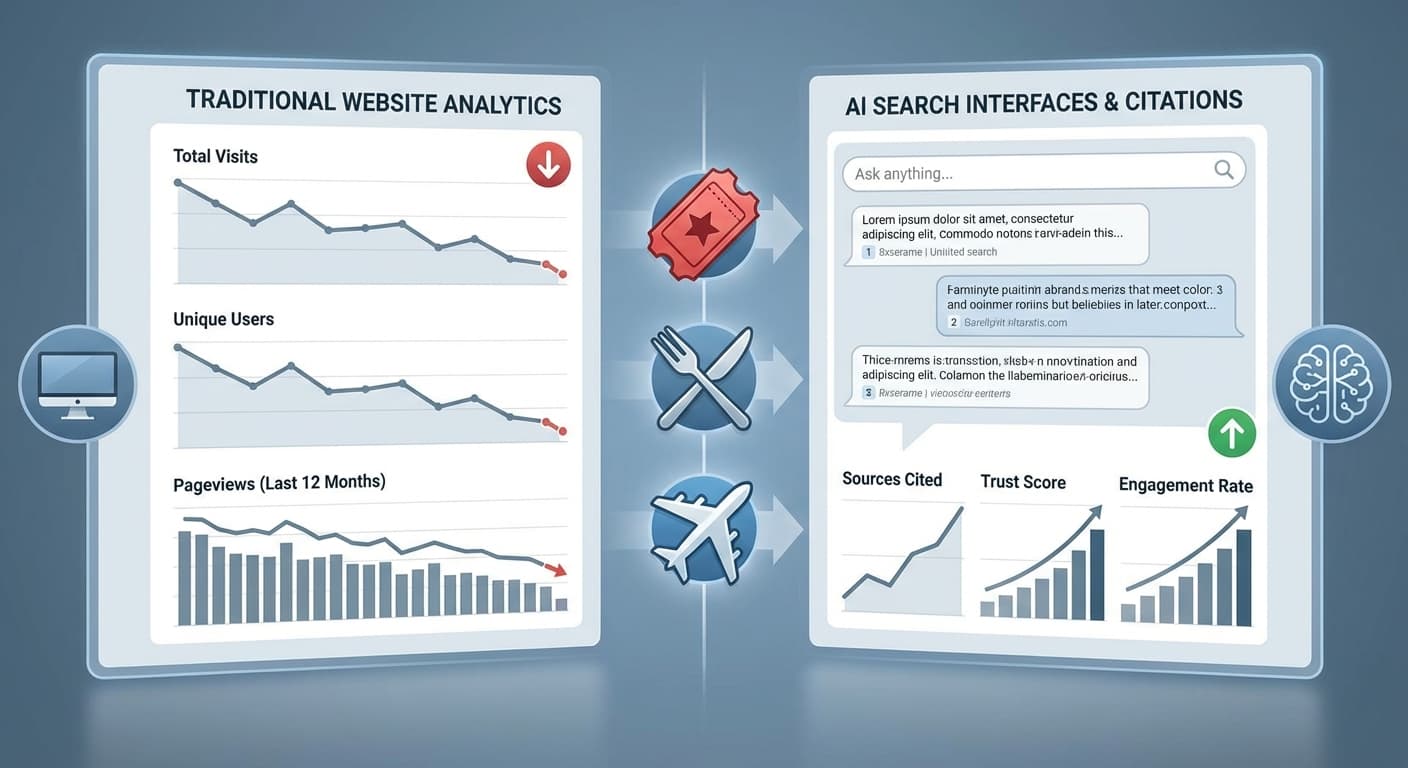
Here's a startling reality: 73% of brand mentions in AI search results in 2025 never generate a click-through to the original source. Yet these citations are building unprecedented brand awareness and authority that traditional analytics completely miss.

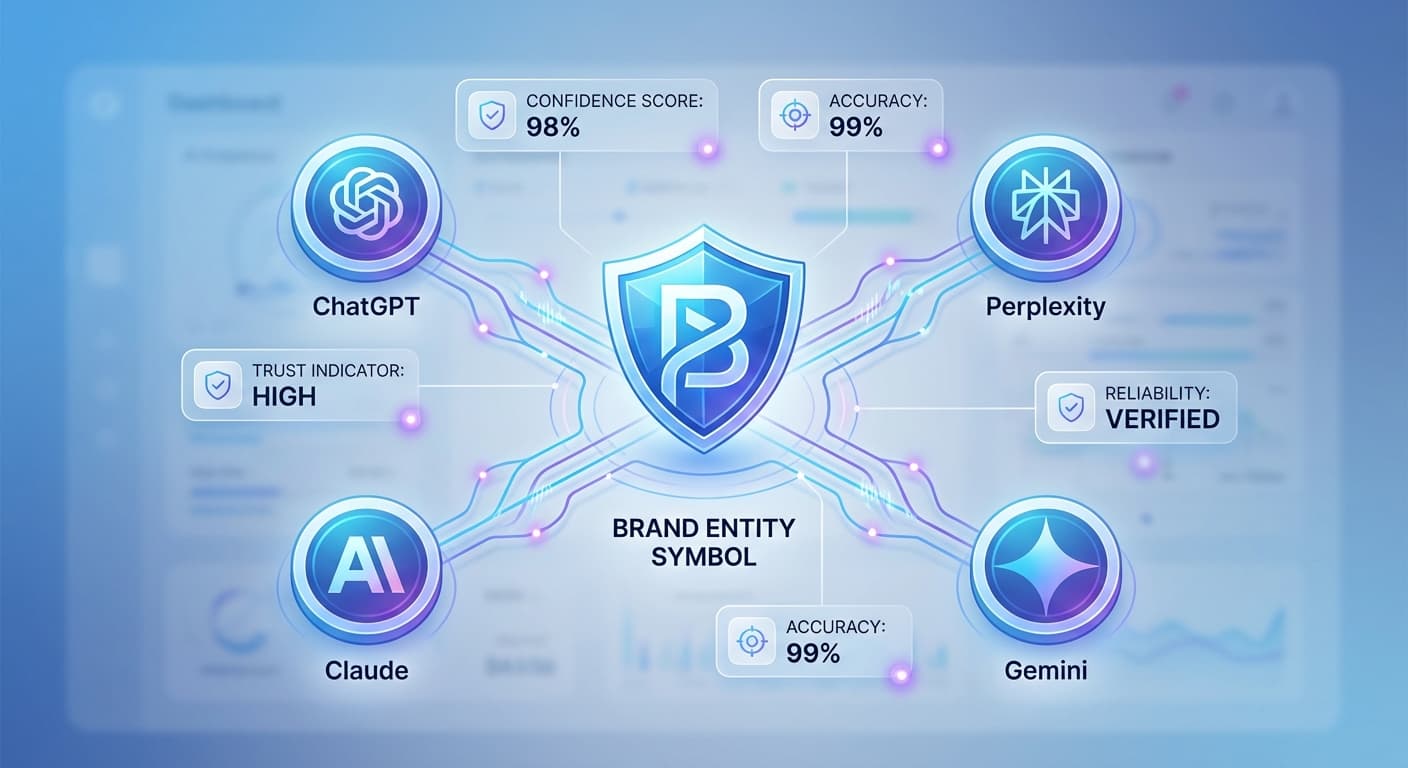
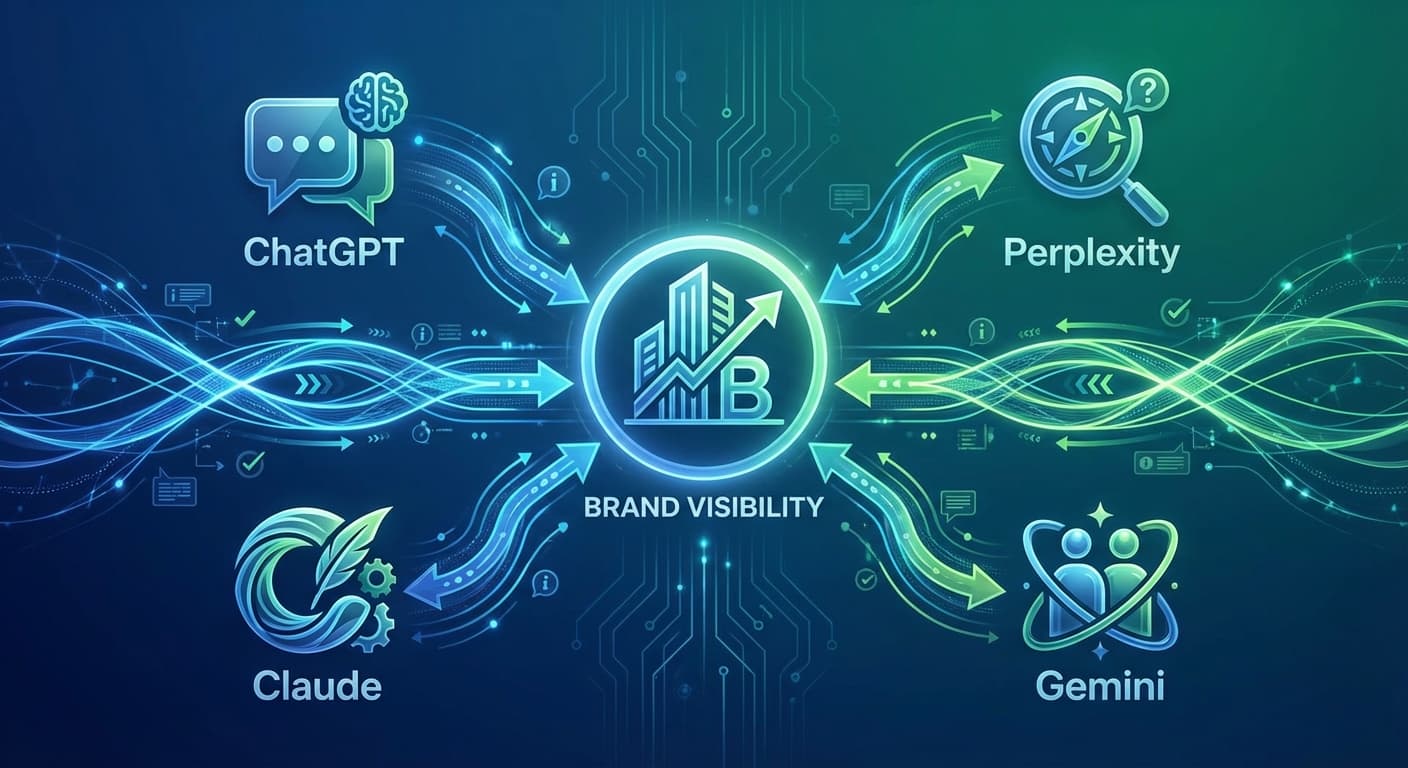
While your Google Analytics shows flatlined traffic, your brand might be getting mentioned thousands of times daily across ChatGPT, Perplexity, Claude, and Gemini conversations. These AI engines are becoming the new word-of-mouth amplifiers, but if you can't measure this impact, you're flying blind in the most important marketing evolution since social media.

The AI Citation Paradox: Invisible Brand Building

Traditional marketing measurement assumes a linear path: exposure → click → conversion. But AI search has shattered this model. When someone asks ChatGPT "What are the best project management tools for startups?" and your brand appears in the response alongside context about your key features, that's pure brand building gold—even if the user never visits your website.

This creates what marketing experts are calling the "AI Citation Paradox": exponential brand exposure that's virtually impossible to track with conventional tools.

Why Traditional Analytics Fail in the AI Era

  • No referral traffic: AI engines rarely pass through traffic with identifiable referral data

  • Indirect influence: Users research via AI, then search your brand directly later

  • Attribution gaps: The customer journey now includes invisible AI touchpoints

  • Volume blindness: You can't optimize what you can't measure
  • Understanding AI Share of Voice: Beyond Traditional SOV

    Share of Voice (SOV) in AI search isn't just about being mentioned—it's about context, authority, and positioning within AI responses. Unlike traditional SOV that counts mentions across media, AI SOV measures:

  • Citation frequency: How often you're referenced across different AI platforms

  • Context quality: Whether mentions are positive, neutral, or negative

  • Position prominence: Where you appear in AI responses (first mention vs. buried)

  • Topic authority: Which subjects trigger your brand mentions

  • Competitive context: How you're positioned relative to competitors
  • Building Your AI Citation Tracking System: A Step-by-Step Framework

    Step 1: Define Your Citation Universe

    Start by mapping the AI engines that matter for your industry:

  • ChatGPT: 520M+ weekly users, strongest in general knowledge queries

  • Perplexity: 110M+ monthly users, favored for research and analysis

  • Claude: 45M+ users, preferred for detailed, nuanced responses

  • Gemini: 180M+ users, integrated across Google's ecosystem

  • Industry-specific AI tools: Legal AI, medical AI, financial AI platforms
  • Step 2: Create Citation Monitoring Queries

    Develop a comprehensive list of queries that should trigger your brand mentions:

    Direct queries:

  • "What is [your company]?"

  • "[Your company] vs competitors"

  • "[Your company] reviews"
  • Indirect queries:

  • "Best [your category] tools"

  • "How to solve [problem you address]"

  • "[Industry] software recommendations"
  • Long-tail opportunities:

  • "Affordable [category] for small businesses"

  • "[Specific feature] in [your category]"

  • "[Your category] with [integration/feature]"
  • Step 3: Establish Baseline Measurements

    Before optimization, document your current AI presence:

  • Run 50-100 relevant queries across different AI platforms

  • Record mention frequency, position, and context

  • Note competitor mentions and positioning

  • Track sentiment and accuracy of information

  • Measure response consistency across platforms
  • Step 4: Set Up Systematic Monitoring

    Create a sustainable monitoring system:

    Weekly monitoring:

  • Test core brand queries across all platforms

  • Document changes in positioning or information

  • Track new competitor mentions
  • Monthly deep dives:

  • Expand query testing to long-tail opportunities

  • Analyze seasonal or trending topic mentions

  • Review and update query lists
  • Quarterly analysis:

  • Calculate share of voice percentages

  • Identify citation pattern changes

  • Correlate with brand awareness surveys or direct traffic spikes
  • Step 5: Connect AI Citations to Business Impact

    The challenge isn't just tracking citations—it's proving their value:

    Brand lift correlation:

  • Run monthly brand awareness surveys

  • Track direct website traffic increases

  • Monitor branded search volume growth
  • Lead quality indicators:

  • Survey new leads about discovery methods

  • Track "heard about you from" responses

  • Monitor demo requests from unattributed sources
  • Competitive intelligence:

  • Track when competitors lose share of voice

  • Identify topics where you're gaining authority

  • Spot emerging competitors in AI responses
  • Advanced AI Citation Tracking Techniques

    Conversation Context Analysis

    Go beyond simple mention counting. Analyze:

  • Problem-solution positioning: How you're presented as a solution

  • Feature highlighting: Which of your features AI engines emphasize

  • Use case scenarios: What contexts trigger your mentions

  • Authority signals: How AI engines describe your expertise
  • Multi-turn Conversation Tracking

    AI conversations often span multiple exchanges. Track:

  • Initial brand mentions in first responses

  • Follow-up questions that reinforce your positioning

  • Comparative discussions that highlight your advantages

  • Deep-dive requests that showcase your expertise
  • Cross-platform Citation Consistency

    Monitor how consistently different AI platforms cite you:

  • Information accuracy across platforms

  • Feature descriptions and positioning

  • Pricing and availability details

  • Company background and history
  • How Citescope Ai Helps

    While building a manual citation tracking system is possible, it's time-intensive and prone to gaps. Citescope Ai's Citation Tracker automates this entire process, monitoring when your content gets cited across ChatGPT, Perplexity, Claude, and Gemini.

    The platform provides:

  • Real-time citation alerts when your brand is mentioned

  • Context analysis to understand how you're being positioned

  • Competitive comparison showing your share of voice vs. competitors

  • Trend tracking to identify growing or declining citation patterns

  • Content optimization suggestions based on successful citations
  • Measuring Success: KPIs That Actually Matter

    Primary Metrics


  • Citation frequency: Total monthly mentions across all platforms

  • Share of voice percentage: Your mentions vs. competitor mentions

  • Position prominence: Average ranking in AI responses

  • Context sentiment: Positive, neutral, or negative mention context
  • Secondary Metrics


  • Information accuracy: Percentage of correct information in citations

  • Feature coverage: Which product features get mentioned most

  • Topic authority: Subject areas where you dominate citations

  • Conversation conversion: Citations that lead to follow-up questions
  • Business Impact Metrics


  • Brand awareness lift: Quarterly brand recognition surveys

  • Direct traffic growth: Unattributed website visits

  • Branded search increase: Growth in branded keyword searches

  • Lead quality improvement: Conversion rates from unattributed sources
  • Common Pitfalls and How to Avoid Them

    Over-Optimization Warning


    Don't stuff your content with keywords hoping for more AI citations. AI engines favor natural, helpful content over SEO-optimized text.

    Platform Bias


    Different AI engines have different citation preferences. Don't optimize solely for ChatGPT and ignore Perplexity or Claude users.

    Attribution Obsession


    Not every AI citation will drive immediate, trackable traffic. Focus on long-term brand building alongside short-term conversion tracking.

    Competitive Paranoia


    Track competitors, but don't let their citations dictate your content strategy. Focus on serving your audience better.

    The Future of AI Citation Tracking

    As AI search continues evolving, expect:

  • More sophisticated attribution models connecting AI citations to conversions

  • Platform-specific optimization strategies as AI engines differentiate

  • Integration with traditional analytics for holistic marketing measurement

  • Real-time citation alerts becoming standard marketing tools
  • Ready to Optimize for AI Search?

    Building an AI citation tracking system manually is complex and time-consuming. Citescope Ai simplifies this process with automated citation monitoring, competitive analysis, and optimization recommendations. Our GEO Score analyzes your content across five key dimensions, while our AI Rewriter optimizes your content for maximum citation potential.

    Start tracking your AI citations today with our free tier—3 optimizations per month to test the waters. Ready to scale? Our Pro plan ($39/month) provides unlimited tracking and optimization tools to dominate AI search results.

    Try Citescope Ai free today and start measuring the brand awareness impact you've been missing.
    AI Citation TrackingAI Share of VoiceBrand AwarenessAI Search OptimizationContent Marketing Analytics

    Track your AI visibility

    See how your content appears across ChatGPT, Perplexity, Claude, and more.

    Start for Free