How to Build an API Integration Citation Strategy When AI Search Engines Can't Access Your Proprietary Product Data Locked Behind Authentication Gates
How to Build an API Integration Citation Strategy When AI Search Engines Can't Access Your Proprietary Product Data Locked Behind Authentication Gates
The Hidden Challenge of Authenticated Content in AI Search
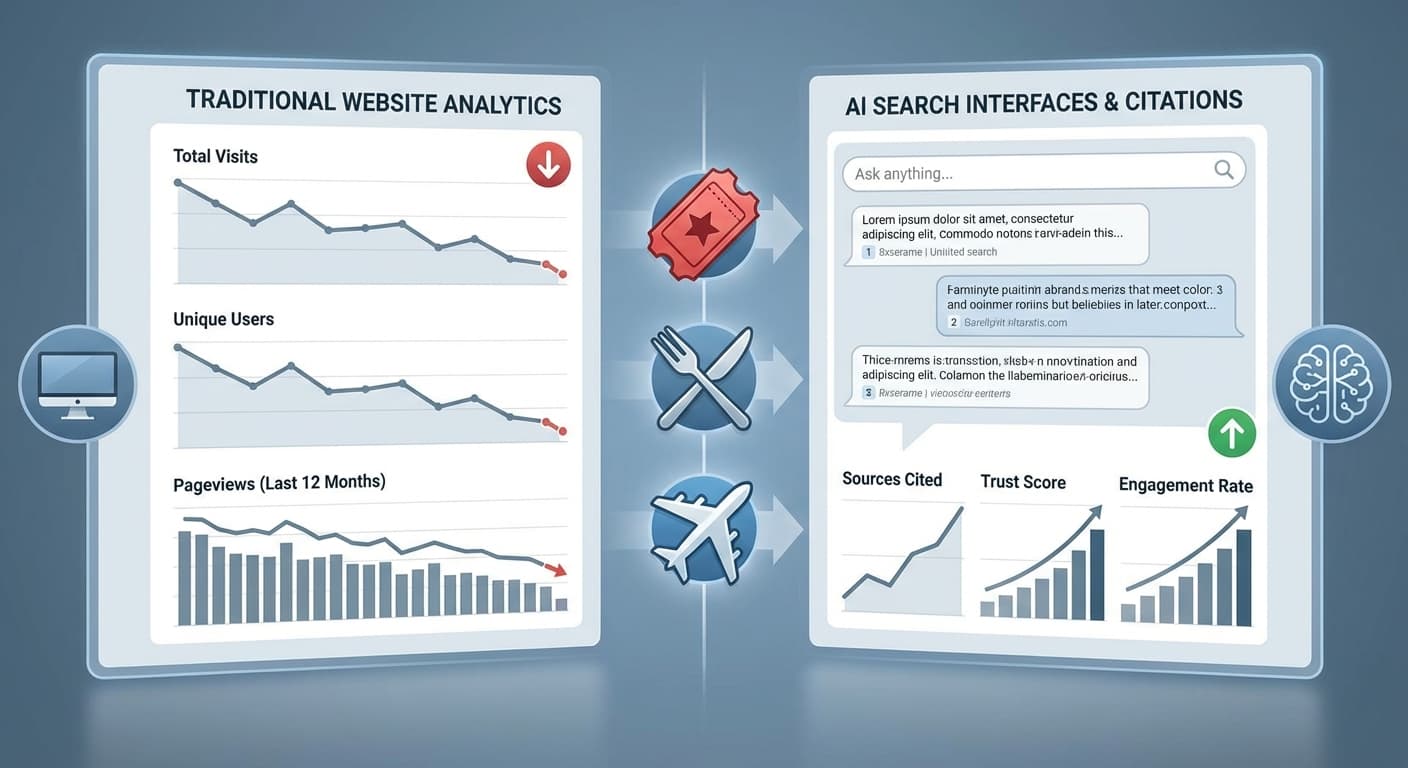
By 2026, AI search engines process over 15 billion queries monthly across platforms like ChatGPT, Perplexity, Claude, and Gemini. Yet here's a striking reality: 85% of enterprise software companies have their most valuable content locked behind authentication walls, making it invisible to AI crawlers that could drive citations and organic discovery.
While your competitors' marketing content gets cited freely, your proprietary API documentation, product features, and technical specifications remain hidden from the AI engines that increasingly influence buying decisions. This creates a massive opportunity gap—but also a solvable challenge.
Why Authentication Gates Create Citation Blind Spots
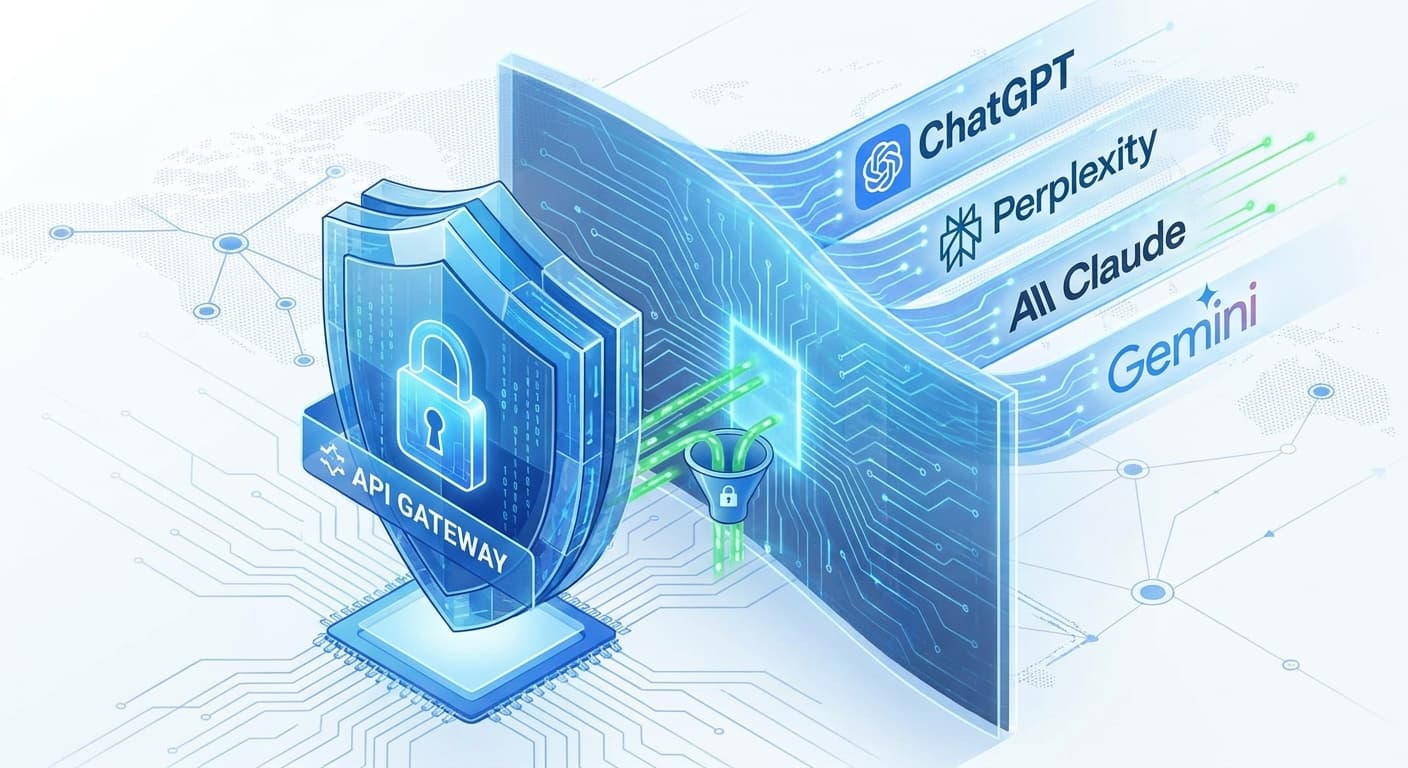
AI search engines rely on publicly accessible content to generate responses and citations. When your most valuable product information sits behind login screens, API keys, or subscription walls, you're essentially invisible to the very systems your prospects use for research.
The Modern B2B Buying Journey Reality
Consider this: 78% of software buyers now use AI search engines during their evaluation process, according to 2025 TechTarget research. They're asking questions like:
If AI engines can't access your authenticated documentation to answer these queries, you're missing citation opportunities that could influence purchase decisions.
The Strategic Framework for API Integration Citations
1. Create Public-Facing Technical Content Mirrors
Develop publicly accessible versions of your core technical documentation that mirror what's behind authentication gates—without exposing sensitive implementation details.
What to Include:
Example Structure:
markdown
Customer Data Sync API Overview
Our Customer Sync API enables real-time data synchronization between your CRM and our platform. The API supports:
This gives AI engines enough context to cite your capabilities without exposing proprietary implementation details.
2. Implement Schema Markup for Technical Features
Use structured data to help AI engines understand your API capabilities and technical specifications, even when detailed docs are gated.
Key Schema Types:
3. Build Citation-Worthy Integration Showcases
Create detailed case studies that demonstrate API integrations without revealing sensitive configuration details.
Template for Integration Showcases:
These showcases become highly citable content when prospects ask AI engines about real-world implementation examples.
4. Develop AI-Optimized Technical FAQs
Transform common support questions from your authenticated knowledge base into public FAQ content that AI engines can easily cite.
High-Citation FAQ Categories:
When structuring FAQs, use conversational question formats that match how users query AI engines: "How do I authenticate with [Your Product] API?" rather than "Authentication Methods."
5. Create Interactive API Explorers
Build publicly accessible API explorers that let prospects understand your capabilities without requiring authentication.
Key Features:
Tools like these become citation magnets because AI engines can reference specific technical capabilities and implementation examples.
Advanced Citation Optimization Strategies
Semantic Clustering for Technical Content
Organize your public technical content using semantic clustering that matches how developers and technical buyers think about integration challenges.
Example Clusters:
This approach helps AI engines understand the relationships between your technical concepts and cite them appropriately in complex technical discussions.
Cross-Reference Internal and External Resources
Create bridges between your public content and gated resources that encourage qualified prospects to dive deeper.
Bridge Content Examples:
This strategy maximizes citations while creating natural conversion paths.
Leverage Community and Third-Party Validators
Encourage integration partners, customers, and community members to create public content about working with your APIs.
Community Content Types:
Third-party validation carries significant weight in AI citation algorithms and buyer research processes.
Measuring Citation Success for Gated Content
Key Metrics to Track
Attribution Tracking Setup
Implement UTM parameters and conversion tracking to connect AI citations to business outcomes:
Citescope Ai's Citation Tracker can help monitor when your technical content gets referenced across ChatGPT, Perplexity, Claude, and Gemini, giving you visibility into which strategies drive the most valuable citations.
Implementation Timeline and Priorities
Phase 1 (Month 1-2): Foundation
Phase 2 (Month 3-4): Expansion
Phase 3 (Month 5-6): Optimization
How Citescope Ai Helps Optimize Your Gated Content Strategy
Building an effective citation strategy for authenticated content requires understanding how AI engines interpret and surface technical information. Citescope Ai's GEO Score analyzes your public technical content across five critical dimensions—AI Interpretability, Semantic Richness, Conversational Relevance, Structure, and Authority—giving you actionable insights for optimization.
The platform's AI Rewriter can transform dense technical documentation into more conversational, citation-friendly formats that AI engines prefer. Plus, with Citation Tracker, you can monitor exactly when and how your technical content gets referenced across all major AI search platforms, helping you identify which strategies drive the most valuable citations in your technical buying journey.
Ready to Optimize for AI Search?
Don't let authentication gates hide your most valuable content from AI search engines. Citescope Ai helps you optimize technical content for maximum citations while protecting proprietary information. Start with our free tier to analyze and optimize up to 3 pieces of content monthly, or upgrade to Pro for unlimited optimizations and advanced citation tracking. Try Citescope Ai free today and start building your API integration citation strategy.