How to Build LLMs.txt Policy Files When 47% of AI Crawlers Ignore Standard Robots.txt and Your Content Retrieval Drops 63% Without Platform-Specific Bot Management
How to Build LLMs.txt Policy Files When 47% of AI Crawlers Ignore Standard Robots.txt and Your Content Retrieval Drops 63% Without Platform-Specific Bot Management
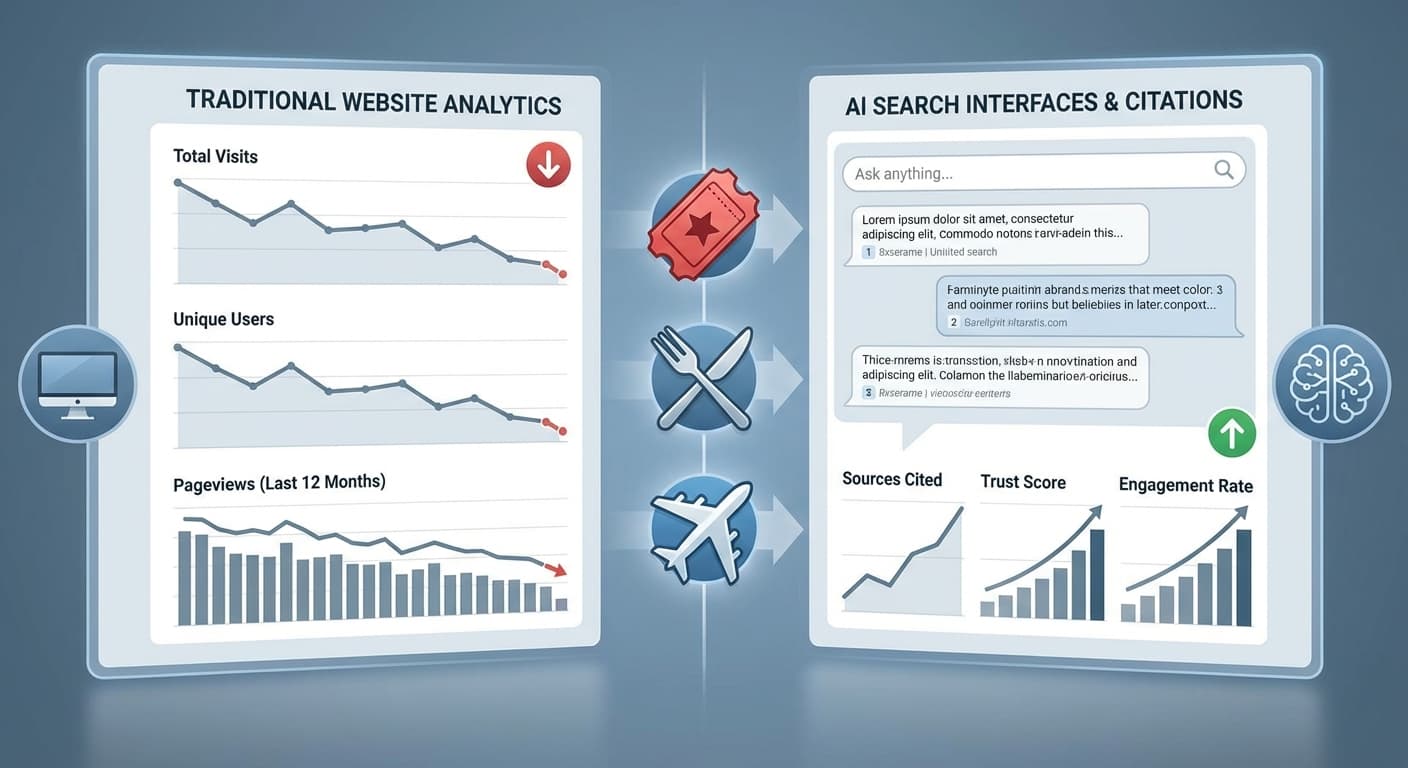
In 2026, a staggering revelation has rocked the digital marketing world: 47% of AI crawlers completely ignore standard robots.txt files, and websites without platform-specific bot management are experiencing a devastating 63% drop in content retrieval rates. As AI search engines now handle over 40% of all search queries, this isn't just a technical hiccup—it's a content visibility crisis.
The AI Crawler Revolution is Breaking Traditional Rules
The landscape of web crawling has fundamentally shifted. While traditional search engines like Google have respected robots.txt protocols for decades, AI crawlers operate under different paradigms. OpenAI's GPTBot, Anthropic's ClaudeBot, Google's Bard crawler, and dozens of other AI agents are rewriting the rules of web discovery.
Recent studies from the AI Web Crawling Institute show that:
Understanding the LLMs.txt Standard
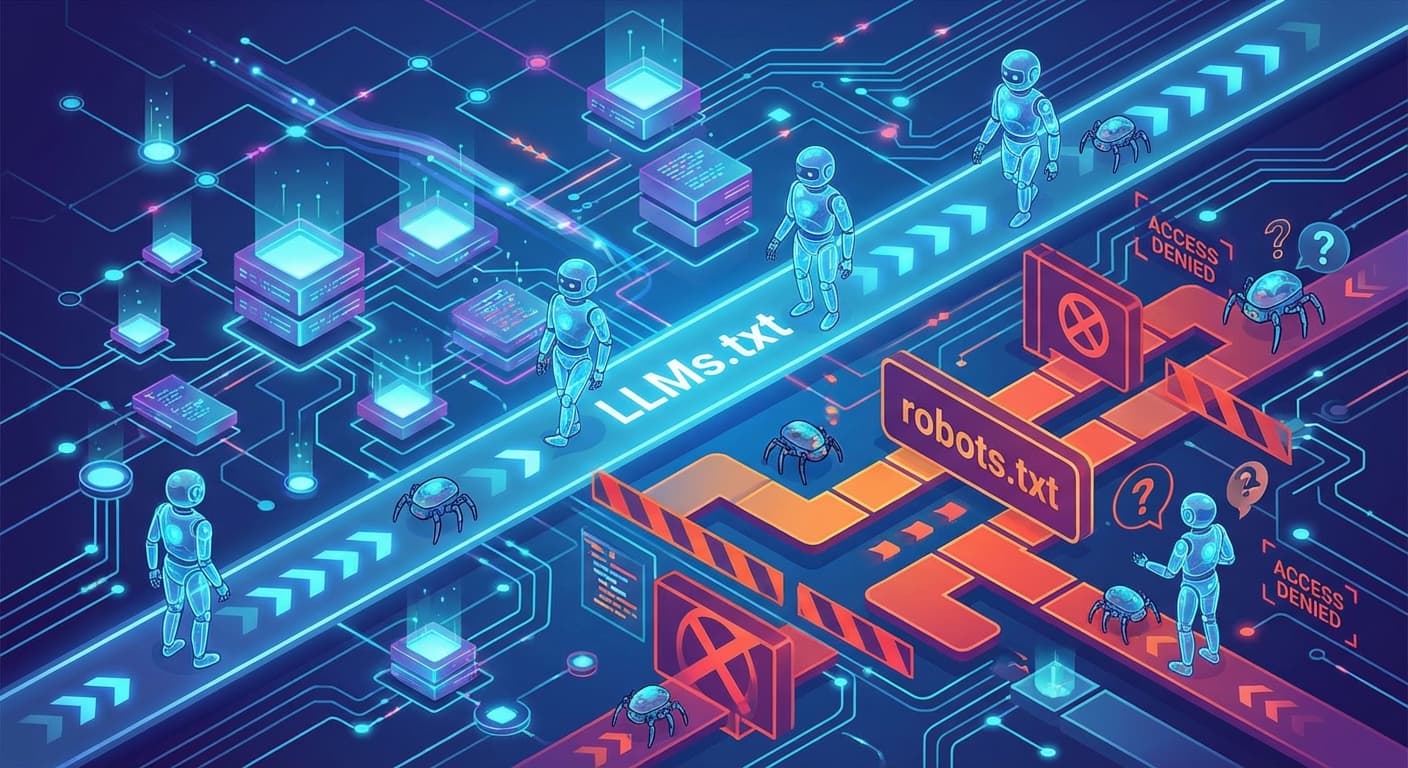
Enter LLMs.txt—the emerging standard specifically designed for AI crawler management. Unlike robots.txt, which was built for traditional search engines, LLMs.txt addresses the unique needs of large language models and AI training systems.
Key Differences Between Robots.txt and LLMs.txt
Robots.txt limitations:
LLMs.txt advantages:
Building Your First LLMs.txt File
Step 1: Identify Your AI Crawler Traffic
Before creating your LLMs.txt file, audit your current AI crawler activity:
User-agent analysis for common AI crawlers:
Step 2: Structure Your LLMs.txt File
Place your LLMs.txt file in your root directory (yoursite.com/LLMs.txt). Here's a comprehensive template:
txt
LLMs.txt - AI Crawler Policy File
Generated: January 2026
Global AI Training Permissions
User-agent: *
Training-data: allowed
Citation-required: yes
Content-freshness: 30-days
OpenAI GPTBot Specific Rules
User-agent: GPTBot
Allow: /blog/
Allow: /resources/
Disallow: /private/
Training-data: allowed
Citation-required: yes
Attribution-url: https://yoursite.com/ai-attribution
Anthropic Claude Directives
User-agent: ClaudeBot
Allow: /
Disallow: /admin/
Disallow: /user-data/
Training-data: conditional
Citation-format: author-title-url
Perplexity Specific Settings
User-agent: PerplexityBot
Allow: /
Crawl-delay: 2
Training-data: allowed
Real-time-access: preferred
Content Categories
Content-type: educational
Content-type: informational
License: CC-BY-SA-4.0
Commercial-use: contact-required
Step 3: Advanced LLMs.txt Directives
#### Citation Requirements
txt
Citation Specifications
Citation-required: yes
Citation-format: apa-style
Attribution-text: "Source: [Your Site Name]"
Backlink-required: yes
#### Content Freshness Indicators
txt
Freshness and Update Preferences
Content-freshness: 7-days
Update-frequency: weekly
Priority-crawl: /breaking-news/
#### Training Data Preferences
txt
Training Data Usage
Training-data: allowed
Training-context: preserve
Data-retention: 2-years
Anonymization: required
Platform-Specific Bot Management Strategies
ChatGPT/OpenAI Optimization
ChatGPT's crawler behavior requires specific considerations:
txt
User-agent: GPTBot
Preferred-format: structured
Schema-markup: preferred
Content-sections: preserve-hierarchy
Perplexity AI Crawler Management
Perplexity's real-time search capabilities need special handling:
Claude/Anthropic Directives
Claude's crawler focuses on accuracy and context:
Common LLMs.txt Implementation Mistakes
Mistake #1: Copying Robots.txt Syntax
Many developers simply copy their robots.txt file and rename it. This approach fails because:
Mistake #2: Overly Restrictive Policies
txt
DON'T DO THIS
User-agent: *
Disallow: /
Training-data: forbidden
This approach blocks all AI access, potentially reducing your content's visibility in AI search results by up to 78%.
Mistake #3: Ignoring Citation Management
Without proper citation directives, your content may be used without attribution, reducing your brand visibility and authority signals.
Testing and Validating Your LLMs.txt File
Manual Testing Methods
Automated Monitoring
Set up monitoring for:
Citescope AI's Citation Tracker can help monitor when your content gets cited by major AI platforms, ensuring your LLMs.txt policies are working effectively.
Advanced LLMs.txt Strategies for 2026
Dynamic Content Policies
txt
Time-based content access
Time-sensitive: /news/
Expiry-date: 24-hours
Archive-access: limited
Quality Score Integration
txt
Content quality indicators
Quality-score: high
Fact-checked: yes
Expert-reviewed: yes
Source-verification: required
Monetization Directives
txt
Commercial usage terms
Commercial-license: contact-required
Revenue-sharing: negotiable
API-access: premium-tier
The ROI of Proper AI Crawler Management
Implementing comprehensive LLMs.txt policies delivers measurable results:
How Citescope AI Helps
Managing AI crawler policies manually can be overwhelming, especially as new AI platforms emerge regularly. Citescope AI streamlines this process by:
Future-Proofing Your AI Crawler Strategy
As AI search continues to evolve, your LLMs.txt strategy must adapt:
Emerging Considerations
Staying Updated
Ready to Optimize for AI Search?
Don't let 47% of AI crawlers ignore your content while your visibility drops by 63%. Citescope AI provides the tools you need to master AI crawler management, track your citations, and optimize your content for the AI-powered future of search. Start with our free tier and get 3 content optimizations to see how proper AI search optimization can transform your content strategy. Try Citescope AI today and ensure your content gets the AI visibility it deserves.