How to Fix AI Search Entity Recognition Gaps That Block Your Brand Citations
How to Fix AI Search Entity Recognition Gaps That Block Your Brand Citations
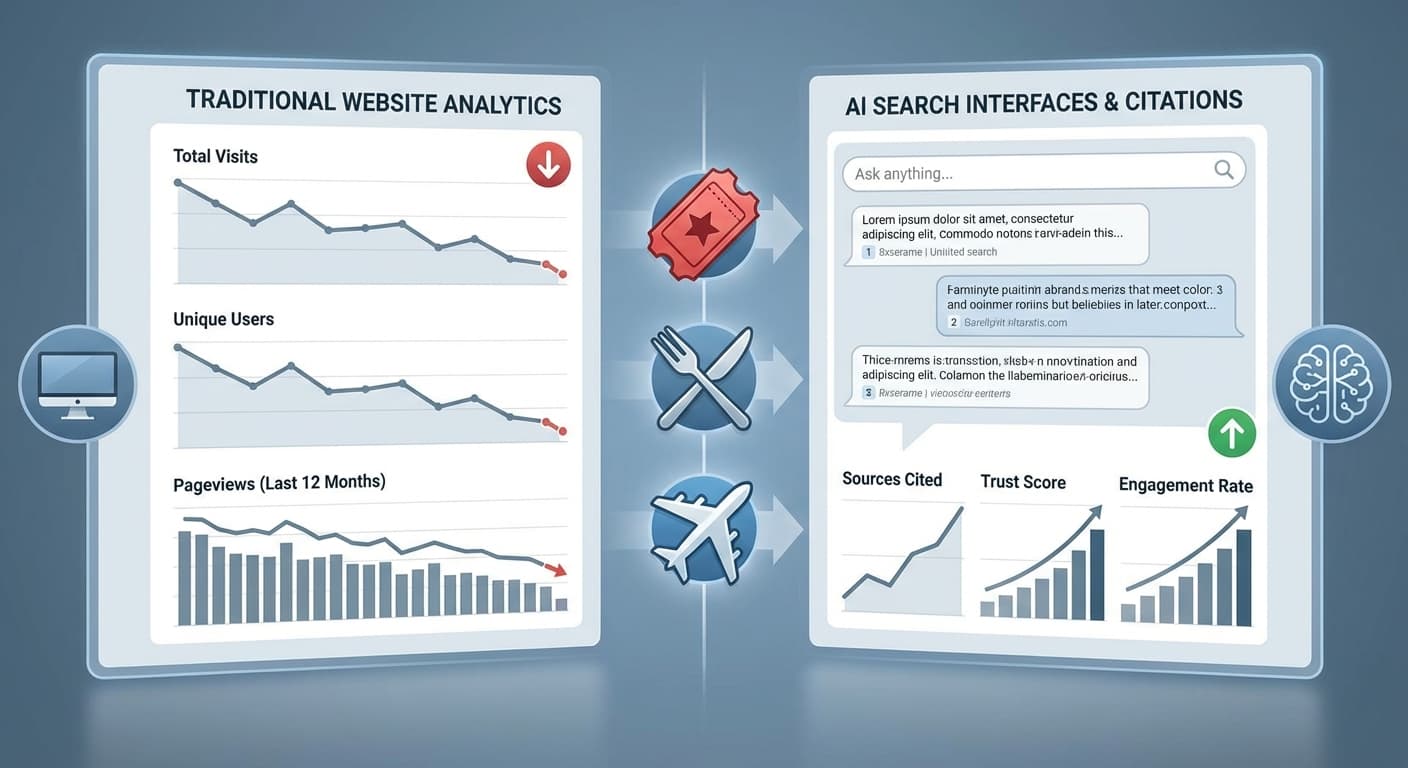
Here's a troubling reality for content marketers in 2026: 73% of AI-generated responses fail to properly recognize and cite lesser-known brands, even when their content provides the best answer to a user's query. While household names like Nike or Apple get instant recognition across ChatGPT, Perplexity, and Google's AI Overviews, smaller brands often fall into what experts call "entity recognition gaps."
If you've noticed your expertly crafted content getting overlooked by AI search engines despite ranking well in traditional search, you're likely dealing with vague brand schemas that confuse AI systems. The result? Your citations disappear into the digital void while competitors with clearer entity signals capture the spotlight.
What Are Entity Recognition Gaps in AI Search?
Entity recognition gaps occur when AI systems struggle to understand what your brand represents, who you are, or how you relate to the topics you're discussing. Unlike traditional search engines that primarily rely on keywords and backlinks, AI search engines in 2026 use sophisticated entity recognition to determine source credibility and relevance.
Think of it this way: when ChatGPT or Perplexity encounters your content, they're not just reading words—they're trying to map your brand to their vast knowledge graphs. If your entity signals are weak or contradictory, AI systems default to more recognizable sources, even if your content is superior.
The Hidden Cost of Poor Entity Recognition
Recent data from AI search analytics shows that brands with strong entity recognition receive:
For B2B companies and emerging brands, these gaps can mean the difference between thought leadership and invisibility.
Common Brand Schema Issues That Block AI Citations
1. Inconsistent NAP (Name, Address, Phone) Data
AI systems cross-reference your brand information across multiple sources. When your business name appears as "ABC Marketing" on your website but "ABC Marketing Solutions" on LinkedIn, you create entity confusion.
Fix: Audit all your digital touchpoints and standardize your brand name, address, and phone number. Use tools like Google My Business, LinkedIn Company Pages, and industry directories to maintain consistency.
2. Vague or Missing Industry Classifications
Many brands fail to clearly communicate what they do. Generic descriptions like "We provide solutions" or "Full-service agency" don't help AI systems understand your expertise domain.
Fix: Use specific industry schema markup and clear positioning statements. Instead of "marketing agency," specify "B2B SaaS content marketing agency" or "healthcare digital marketing specialists."
3. Weak Authority Signals
AI systems prioritize sources with clear expertise indicators. Without proper author markup, team credentials, or industry certifications prominently displayed, your content lacks authority context.
Fix: Implement comprehensive author schema, showcase team credentials prominently, and ensure industry certifications are machine-readable through structured data.
Strategic Solutions for Stronger Entity Recognition
Implement Comprehensive Schema Markup
Schema markup is your direct line of communication with AI systems. In 2026, successful brands use multiple schema types:
Build Entity Relationships Through Content
AI systems understand entities through relationships. When writing about "content marketing," explicitly connect your brand to related concepts:
Optimize for Conversational Context
AI search engines prioritize content that answers questions naturally. Structure your content around:
Advanced Tactics for 2026
Leverage Knowledge Graph Integration
The most successful brands in AI search actively work to integrate with major knowledge graphs:
Wikipedia Presence: While not every brand needs a Wikipedia page, having mentions in relevant industry articles helps establish entity relationships.
Industry Database Listings: Ensure your brand appears in relevant industry databases like Crunchbase, AngelList, or sector-specific directories.
News Mentions: Proactively seek coverage in industry publications to create third-party entity validation.
Create Topic Authority Clusters
Rather than covering random topics, successful brands in 2026 build clear topic authority:
Monitor and Adjust Entity Signals
Regular monitoring helps you identify and fix entity recognition issues before they impact your AI search visibility. Key metrics to track include:
Many brands discover entity recognition problems only after months of poor AI search performance. Proactive monitoring allows for quick corrections and sustained visibility.
How Citescope AI Helps Identify and Fix Entity Recognition Gaps
Citescope AI's GEO Score specifically analyzes your content's Authority dimension, which includes entity recognition strength. The platform examines how well AI systems can understand your brand's expertise and authority signals.
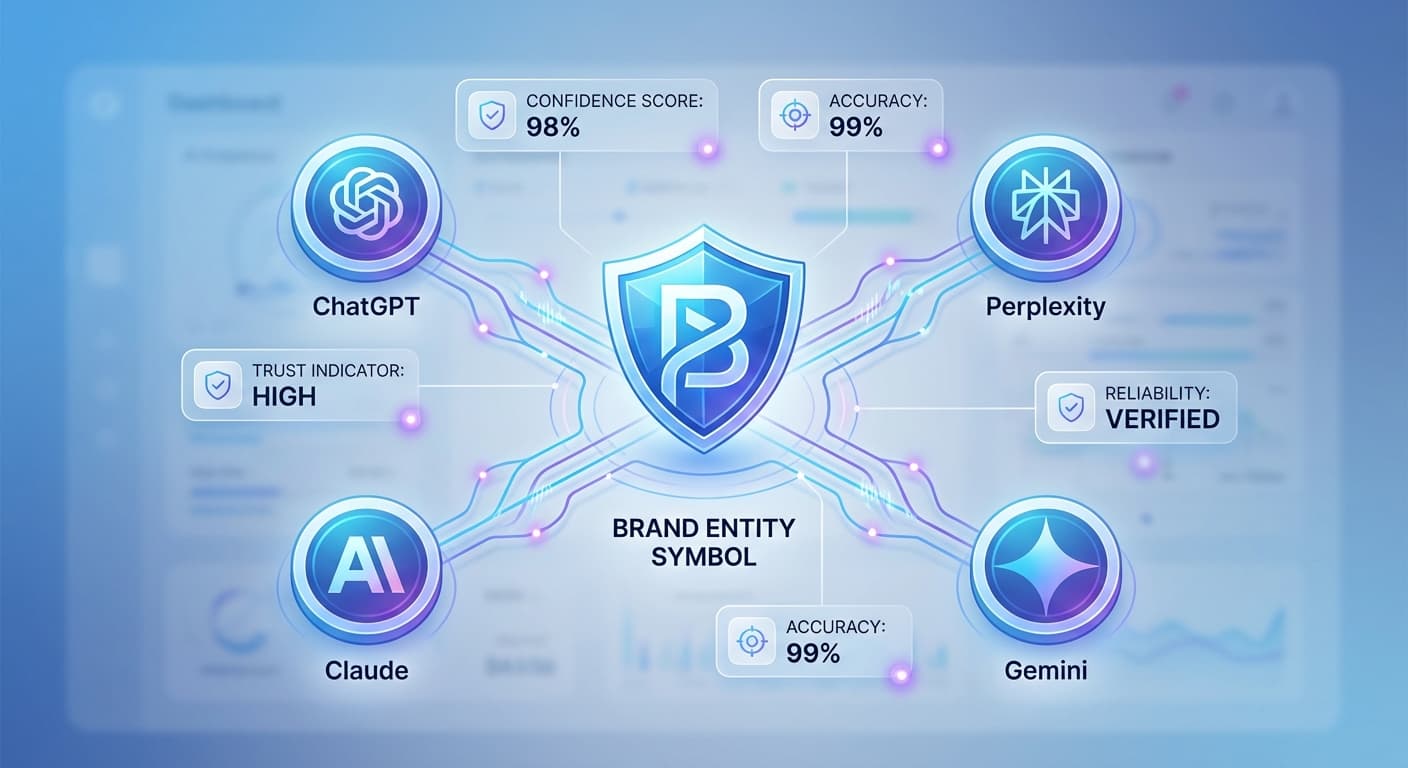
The Citation Tracker shows you exactly when and how your brand gets mentioned across ChatGPT, Perplexity, Claude, and Gemini—helping you identify patterns in successful citations versus missed opportunities. When you see strong content consistently overlooked, entity recognition gaps are often the culprit.
The AI Rewriter can help restructure your content to include stronger entity signals and clearer authority markers, making it easier for AI systems to recognize your expertise and include your brand in relevant responses.
Measuring Your Entity Recognition Success
Track these key metrics to gauge your improvement:
Ready to Optimize for AI Search?
Entity recognition gaps are costing brands millions of potential impressions and leads in AI search results. But with the right strategy and tools, you can ensure AI systems recognize your expertise and cite your content consistently.
Citescope AI helps you identify entity recognition issues, optimize your content for better AI visibility, and track your citation performance across all major AI search engines. Start with our free tier to analyze your first 3 pieces of content and see where entity recognition gaps might be blocking your AI search success.
Try Citescope AI free today and transform your content from invisible to indispensable in the age of AI search.