How to Implement Schema Markup for AI-Powered Product Discovery in 2026
How to Implement Schema Markup for AI-Powered Product Discovery in 2026
Are you frustrated that your perfectly structured product data isn't showing up in AI search results? You're not alone. While 87% of e-commerce sites now use standard schema markup, only 23% of product information successfully gets extracted by agentic AI systems like ChatGPT's Advanced Voice Mode or Perplexity's Commerce AI in 2026.
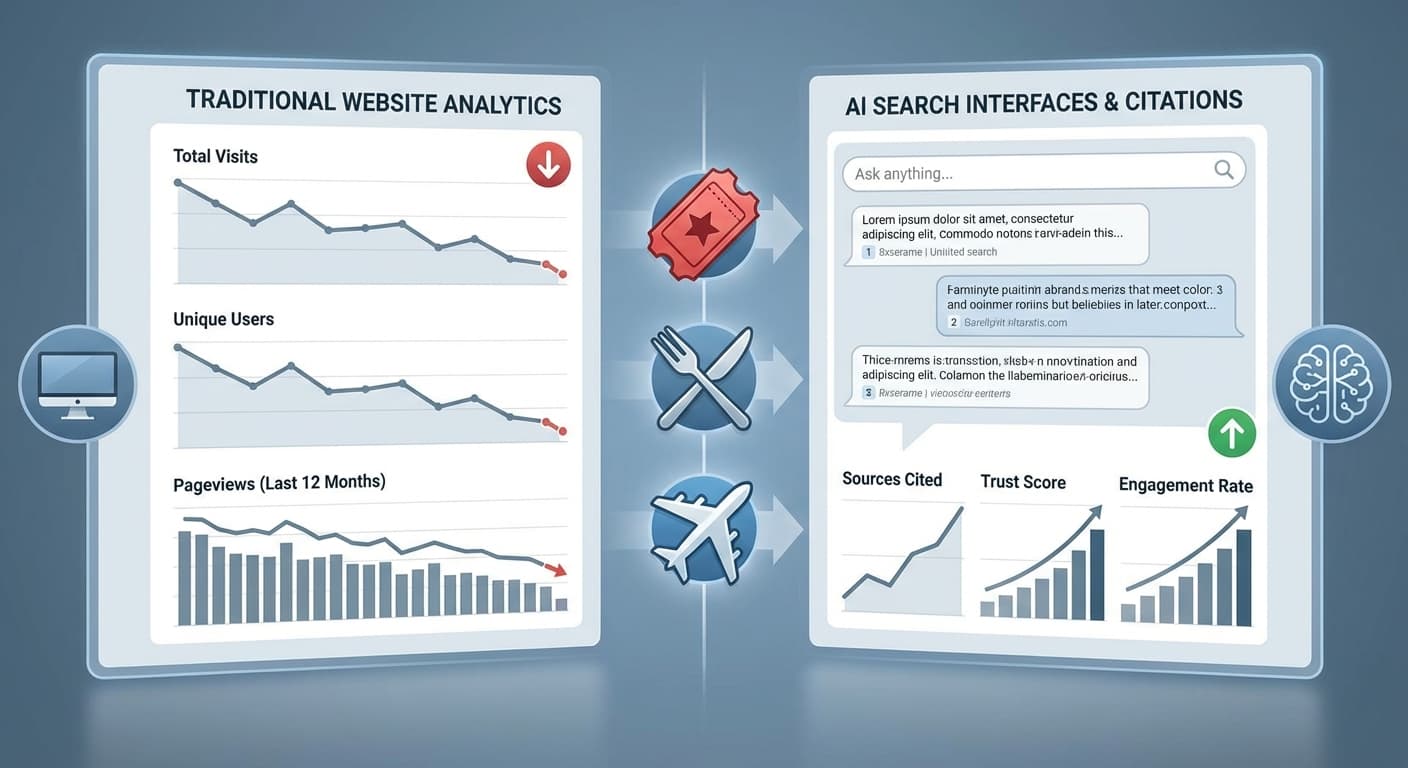
The problem isn't your schema—it's that AI crawlers operate fundamentally differently than traditional search engines. They prioritize conversational context and semantic relationships over rigid structured data formats. This creates a massive opportunity for businesses that understand how to bridge the gap.
Why Traditional Schema Markup Falls Short for AI Crawlers
Traditional schema markup was designed for Google's knowledge graph and rich snippets. But AI search engines in 2026 process information more like humans do—they look for context, relationships, and conversational relevance rather than just structured tags.
The AI Crawler Challenge
Here's what makes AI product extraction different:
Advanced Schema Strategies for AI Recognition
1. Hybrid Markup Implementation
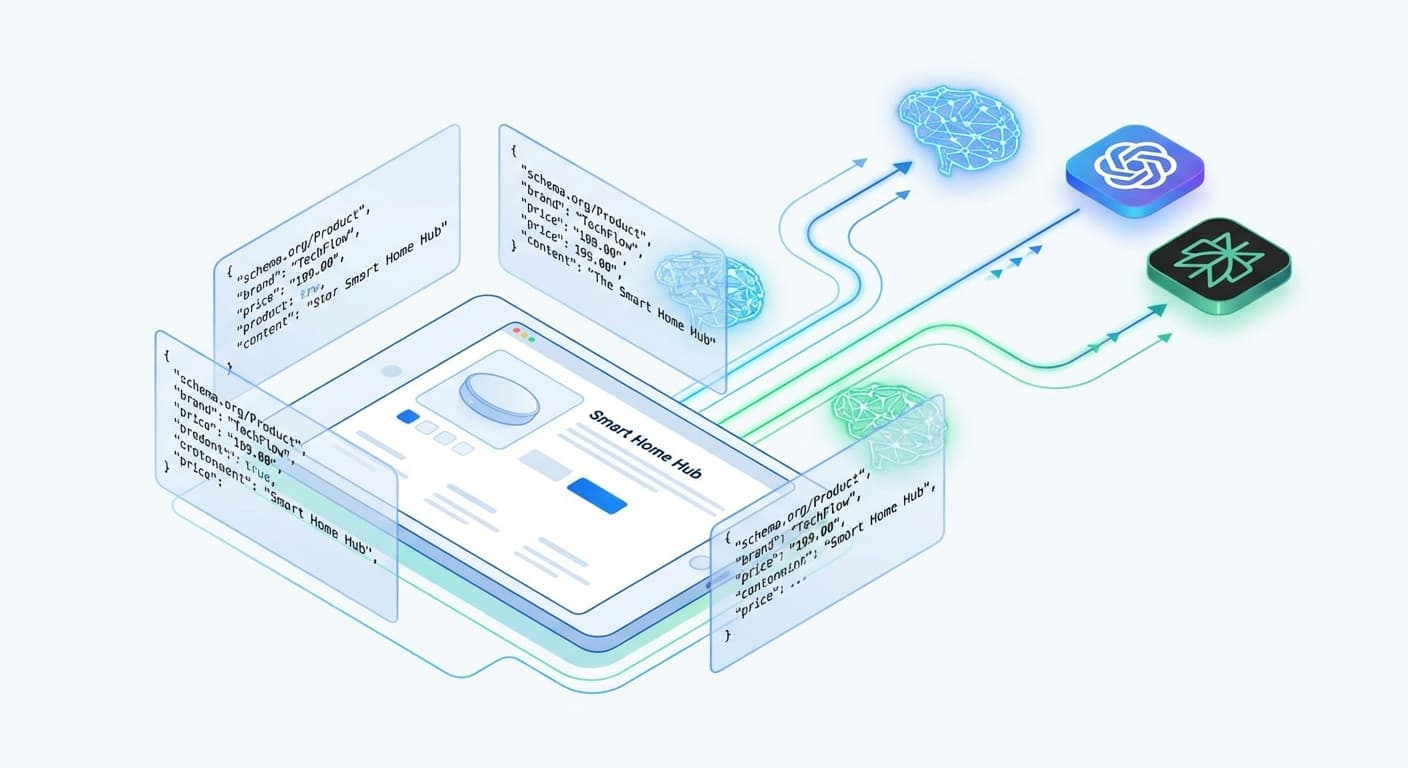
The most effective approach combines traditional schema with AI-optimized content structures. Here's how:
Enhanced Product Schema:
html
<script type="application/ld+json">
{
"@context": "https://schema.org/",
"@type": "Product",
"name": "UltraBook Pro 15-inch Laptop",
"description": "Professional-grade laptop perfect for content creators and developers who need reliable performance under $1200. Features 16GB RAM and 512GB SSD for smooth multitasking.",
"offers": {
"@type": "Offer",
"price": "1199.99",
"priceCurrency": "USD",
"availability": "https://schema.org/InStock",
"validThrough": "2026-03-15",
"description": "Currently in stock with same-day shipping available in major US cities"
}
}
</script>
2. Contextual Content Layering
AI systems excel at understanding context. Layer your structured data with natural language that explains the "why" behind your products:
3. Dynamic Availability Signals
Static availability flags don't work well for AI systems. Instead, implement dynamic signals:
Smart Availability Schema:
html
<div itemscope itemtype="http://schema.org/Product">
<meta itemprop="availability" content="InStock">
<p>✅ <span itemprop="description">Available now with 2-day delivery</span></p>
<p>📦 Ships from our Austin warehouse within 24 hours</p>
<p>🚚 Free shipping on orders over $50</p>
</div>
Semantic Enhancement Techniques
FAQ-Driven Product Information
AI systems love FAQ formats because they mirror natural conversation patterns. Structure your product information as questions customers actually ask:
Example for a Software Product:
A: Starting at $39/month for up to 5 users, with volume discounts available
A: Yes, available in 45+ countries with local currency support
A: Full feature access for 14 days, no credit card required
Conversational Pricing Context
Instead of just listing prices, provide context that AI can understand and relay:
Technical Implementation Best Practices
1. Multi-Format Approach
Implement schema in multiple formats to maximize AI recognition:
2. Content Freshness Signals
AI crawlers prioritize fresh, updated information. Implement:
3. Regional Optimization
AI systems are increasingly location-aware. Optimize for regional queries:
html
<script type="application/ld+json">
{
"@context": "https://schema.org/",
"@type": "Offer",
"availableAtOrFrom": {
"@type": "Place",
"name": "United States",
"description": "Available nationwide with expedited shipping to major metro areas"
}
}
</script>
Advanced Optimization Strategies
Content Structure for AI Interpretation
Organize your product information in a way that mirrors how AI systems process and present information:
H3: Key Features
H3: Pricing & Availability
H3: Customer Fit
Tools like Citescope Ai can help analyze whether your content structure aligns with how AI systems interpret and extract product information, providing specific recommendations for improvement.
Monitoring and Optimization
Track how well your enhanced schema performs:
Common Implementation Mistakes to Avoid
Over-Structuring Content
While structure is important, too much rigid formatting can actually hurt AI recognition. Balance structured data with natural, conversational content.
Ignoring Conversational Context
Don't just optimize for search—optimize for how people actually talk about and shop for products.
Static Information
Avoid set-it-and-forget-it approaches. AI systems favor fresh, dynamic content that reflects current availability and pricing.
Measuring Success in AI Search
Track these key metrics to measure your schema optimization success:
How Citescope Ai Helps
Optimizing schema markup for AI recognition requires understanding how different AI systems interpret structured data. Citescope Ai's GEO Score analyzes your product content across five key dimensions that matter to AI crawlers, including semantic richness and conversational relevance. The platform's AI Rewriter can automatically restructure your product descriptions and schema markup to improve recognition rates across ChatGPT, Perplexity, Claude, and Gemini.
The Citation Tracker feature is particularly valuable for e-commerce businesses, as it monitors when your products get mentioned in AI search results, helping you understand which optimization strategies are working and which need adjustment.
Ready to Optimize for AI Search?
Transforming your product schema for AI recognition isn't just about technical implementation—it's about understanding how AI systems think and communicate. Start by auditing your current product markup, then gradually implement these conversational and contextual enhancements.
Citescope Ai makes this process easier by providing specific, actionable recommendations for improving your content's AI visibility. Try our free tier today and see how your product content scores across the five dimensions that matter most to AI search engines. Get started at citescope.ai and transform your product discovery strategy for the AI-first future.