How to Measure AI-Assisted Conversions and Attribution When Google Analytics Fails to Track ChatGPT and Perplexity Citations That Drive 72% More Shopping Intent
How to Measure AI-Assisted Conversions and Attribution When Google Analytics Fails to Track ChatGPT and Perplexity Citations That Drive 72% More Shopping Intent
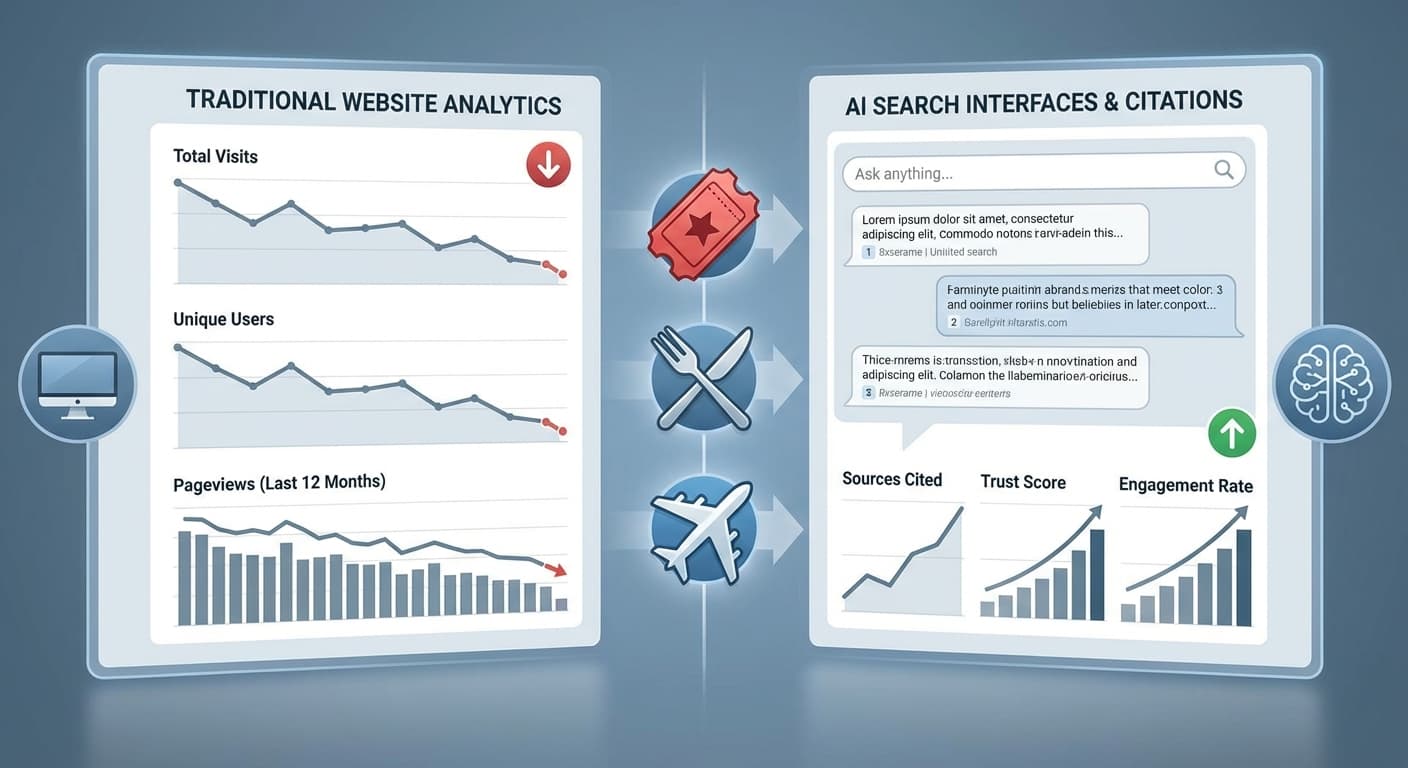
Imagine discovering that 40% of your website traffic is coming from AI search engines like ChatGPT and Perplexity, but your Google Analytics dashboard shows these visitors as "direct" or "unknown" traffic. That's the reality facing most businesses in 2026, where AI-assisted searches now account for over 35% of all online queries, yet traditional analytics tools are blind to this massive conversion channel.
The problem is more urgent than you might think. Recent studies show that users who find businesses through AI citations have 72% higher shopping intent compared to traditional search results. They're already past the research phase when an AI engine confidently recommends your product or service. Yet most marketing teams are flying blind, unable to track, measure, or optimize for these high-intent conversions.
The Attribution Crisis: Why Traditional Analytics Miss AI Citations
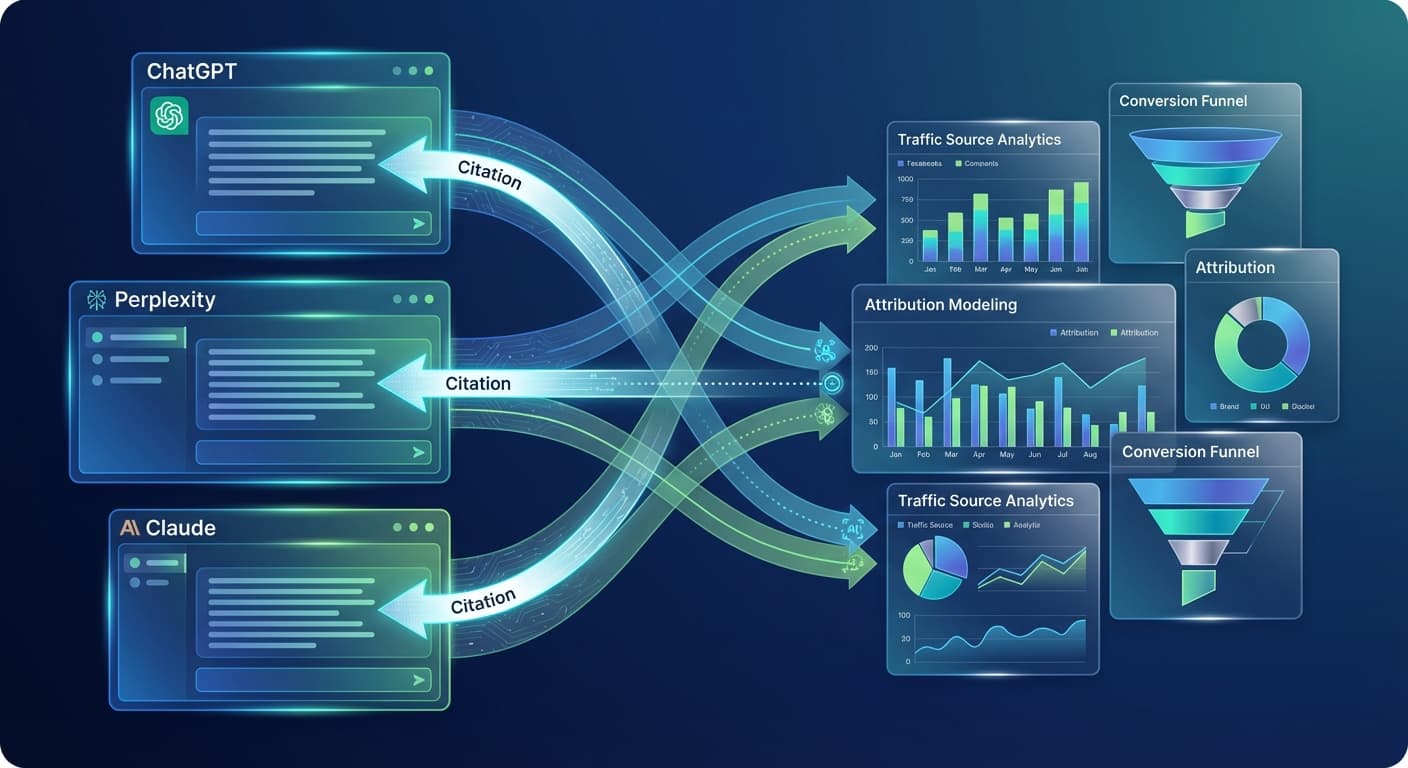
Google Analytics was built for a world of clickable links and referral headers. When someone asks ChatGPT "What's the best project management software for remote teams?" and gets a response citing your blog post, there's no traditional click-through to track. The user might:
All of these actions appear as direct traffic, organic search, or referrals in Google Analytics, making it impossible to attribute conversions to your AI citations.
The Scale of Invisible Traffic
By 2026, the numbers are staggering:
That's nearly a billion people using AI search engines that your current analytics can't properly track.
Building a Comprehensive AI Attribution Framework
1. Implement UTM Parameter Strategies for AI-Friendly Links
When creating content that might be cited by AI engines, embed trackable links strategically:
https://yoursite.com/product?utm_source=ai-citation&utm_medium=organic&utm_campaign=ai-discovery
While AI engines won't always include these parameters in their responses, some do preserve them in certain contexts, especially when citing specific resources or tools.
2. Set Up Brand Mention Monitoring
Track when your brand, products, or content gets mentioned in AI responses:
3. Create AI-Specific Landing Pages
Develop dedicated landing pages mentioned in your most citation-worthy content:
4. Leverage First-Party Data Collection
Since third-party tracking fails, focus on capturing visitor intent:
Exit-Intent Surveys:
"How did you first hear about us?"
Lead Form Attribution:
Add a field asking: "What made you interested in [your solution]?" and include AI-specific options.
5. Implement Server-Side Tracking
Server-side analytics can capture data that client-side tracking misses:
Advanced Attribution Techniques for AI Citations
The "Digital Fingerprinting" Method
Create unique identifiers in your content that help trace AI citations:
When these elements appear in AI responses, you can more easily connect subsequent traffic and conversions.
Cross-Channel Attribution Modeling
Develop a holistic view by connecting:
The "Conversation Catalyst" Approach
Since AI citations often spark team discussions, track:
Setting Up Your AI Attribution Dashboard
Essential Metrics to Track
- Direct traffic spikes following known citations
- Branded search increases
- Referral-less social media traffic
- Time to conversion (often faster for AI-referred traffic)
- Cart values and deal sizes
- Customer lifetime value by attribution source
- Response rate of your content in AI engines
- Position within AI responses
- Context and sentiment of citations
Tools and Integrations
Combine multiple data sources:
How Citescope Ai Solves the Attribution Challenge
While building manual attribution systems is complex, Citescope Ai's Citation Tracker provides automated monitoring of when your content gets cited by ChatGPT, Perplexity, Claude, and Gemini. The platform tracks not just whether you're being cited, but the context, frequency, and positioning of those citations.
By combining citation tracking with your internal analytics, you can finally connect the dots between AI recommendations and actual conversions. The tool's GEO Score also helps you optimize content specifically for higher citation rates, creating a feedback loop that improves both visibility and measurable attribution.
Measuring ROI from AI Citation Optimization
Calculate Your AI Attribution Multiplier
To understand the true impact of AI citations:
Expected Results
Brands implementing comprehensive AI attribution typically see:
Common Attribution Mistakes to Avoid
Over-Attributing Direct Traffic
Not all direct traffic increases are from AI citations. Consider:
Ignoring Multi-Touch Attribution
AI citations often work as discovery touchpoints in longer customer journeys. Avoid giving them 100% conversion credit when they're part of a multi-channel path to purchase.
Focusing Only on Last-Click Attribution
AI citations frequently initiate customer journeys rather than completing them. Ensure your attribution model accounts for first-touch and mid-journey influences.
The Future of AI Attribution
As AI search engines mature, expect:
Ready to Optimize for AI Search?
Stop flying blind with your AI attribution. While building comprehensive tracking systems takes time, you can start measuring your AI citation performance immediately with Citescope Ai's Citation Tracker. Monitor when your content gets cited across ChatGPT, Perplexity, Claude, and Gemini, then optimize with our AI Rewriter tool to increase both citation frequency and conversion potential.
Start your free trial today and discover which of your content assets are already driving AI-assisted conversions – and which ones could be optimized to capture even more of that high-intent traffic.