How to Measure AI Search Performance When Traditional Analytics Tools Can't Track ChatGPT and Perplexity Citations
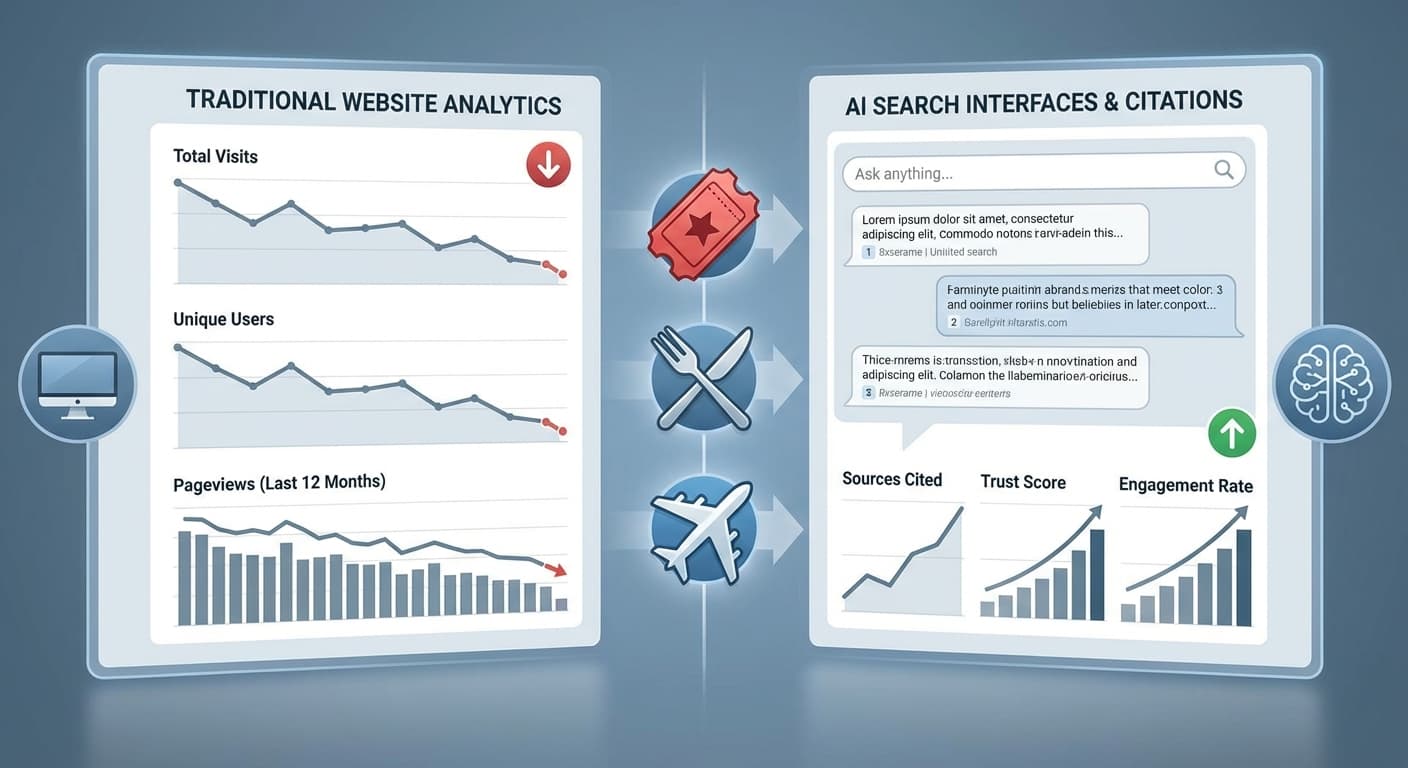
With over 500 million weekly ChatGPT users and AI search now accounting for 35% of all search queries in 2025, content creators face a massive blind spot: traditional analytics tools like Google Analytics can't track when your content gets cited by AI engines.
While you can see your Google search rankings and organic traffic, you have no visibility into whether ChatGPT is recommending your articles to millions of users asking relevant questions. This creates a critical gap in understanding your content's true reach and impact in the AI-first search landscape.
The Growing Problem: Invisible AI Citations
Traditional web analytics were built for a different era—one where users clicked through search results to visit websites. But AI search engines like ChatGPT, Perplexity, Claude, and Gemini work differently. They:
Synthesize information from multiple sourcesProvide direct answers without requiring clicksMay or may not include citations to source materialGenerate billions of responses daily that never appear in your analyticsThis shift means you could have content that's frequently cited by AI engines but shows declining traditional metrics. Conversely, you might think your content strategy is working based on Google Analytics alone, while missing opportunities to optimize for the fastest-growing search channel.
Why Standard Analytics Miss AI Search Performance
The Referral Traffic Gap
When someone finds your content through ChatGPT or Perplexity, the referral source often appears as "direct traffic" or gets lost entirely. Unlike Google Search Console, there's no official AI Search Console (yet) that shows:
Which queries triggered citations of your contentHow often your content appears in AI responsesWhich pages are most cited by AI enginesThe context in which your content is being referencedLimited Visibility Into AI Behavior
AI engines don't provide webmaster tools equivalent to Google's. You can't see:
Citation frequency: How often your content gets referencedQuery context: What questions prompt AI engines to cite youCompetitive landscape: Which other sources are cited alongside yoursPerformance trends: Whether your AI visibility is increasing or decreasingAlternative Methods to Track AI Search Performance
1. Monitor Brand Mentions and Topic Authority
While you can't directly track AI citations, you can monitor proxy metrics:
Social Listening Tools
Track mentions of your brand across social platformsMonitor discussions around topics where you want to be the cited authorityUse tools like Brandwatch or Mention to identify when your content concepts appear in conversationsTopic Clustering Analysis
Identify the semantic topics your content coversTrack how often these topics appear in AI-generated contentMonitor whether your brand becomes associated with specific expertise areas2. Conduct Manual AI Search Audits
Systematic Query Testing
Create a list of 20-30 questions your content should answerAsk these questions across ChatGPT, Perplexity, Claude, and Gemini monthlyDocument when and how your content gets citedTrack changes in citation frequency over timeCompetitive Citation Analysis
Test queries where competitors currently get citedIdentify content gaps where no authoritative source is consistently citedMonitor shifts in which sources AI engines prefer for different topics3. Use Indirect Traffic Indicators
Analyze Traffic Patterns
Look for unusual spikes in direct traffic that correlate with viral AI conversationsMonitor increases in searches for your brand name or specific articlesTrack upticks in newsletter subscriptions or social follows after AI-heavy periodsEmail and Social Engagement Metrics
Monitor mentions in newsletters and social postsTrack increases in user-generated content referencing your materialsAnalyze comment sentiment and engagement quality changesAdvanced Measurement Strategies
Creating AI-Trackable Content Elements
Unique Identifiers
Include distinctive phrases or data points in your contentCreate proprietary methodologies or frameworksUse specific terminology that's uniquely yoursWhen these elements appear in AI responses, you can trace them back to your original content through Google searches or social monitoring.
Citation-Friendly Formatting
Structure content with clear attributable quotesInclude compelling statistics with clear sourcingCreate quotable insights that are likely to be referencedBuilding Feedback Loops
User Surveys
Ask newsletter subscribers how they discovered your contentInclude "How did you find us?" options that mention AI searchSurvey customers about their research process and AI tool usageCommunity Monitoring
Join relevant professional communities and forumsMonitor when your content gets shared or referencedTrack discussions that cite or build upon your ideasThe Future of AI Search Analytics
As AI search continues to grow, we can expect:
Native analytics tools: AI companies will likely develop citation tracking systemsThird-party solutions: Specialized tools for measuring AI search performanceAPI access: Potential for developers to build custom tracking solutionsIndustry standards: Emergence of standardized metrics for AI search visibilityHow Citescope Ai Solves the AI Search Measurement Problem
While traditional analytics tools can't track AI citations, Citescope Ai provides the first comprehensive solution for measuring and optimizing AI search performance:
Citation Tracker
Monitors when your content gets cited by ChatGPT, Perplexity, Claude, and GeminiTracks citation frequency and context across multiple AI enginesProvides alerts when your content appears in AI responsesGEO Score Analytics
Measures your content's AI optimization across 5 key dimensionsBenchmarks your performance against competitorsIdentifies specific areas for improvement to increase citation likelihoodPerformance Dashboard
Visualizes AI citation trends over timeShows which content pieces perform best in AI searchProvides actionable insights for content optimizationBuilding Your AI Search Measurement Framework
Step 1: Establish Baseline Metrics
Document current manual testing resultsSet up monitoring for key brand and topic mentionsCreate a spreadsheet tracking AI citation instancesStep 2: Implement Regular Monitoring
Schedule monthly AI search auditsSet up Google Alerts for your unique content identifiersMonitor social listening tools for content referencesStep 3: Analyze and Optimize
Identify patterns in successfully cited contentTest hypothesis-driven content improvementsAdjust content strategy based on AI citation performanceStep 4: Scale with Technology
Invest in specialized AI search tracking toolsIntegrate findings with your existing content strategyBuild AI search performance into your regular reportingReady to Optimize for AI Search?
Measuring AI search performance doesn't have to be guesswork. With the right tools and strategies, you can gain visibility into how AI engines cite your content and optimize for better performance.
Citescope Ai provides the analytics and optimization tools you need to succeed in AI search. Track citations across ChatGPT, Perplexity, Claude, and Gemini, optimize your content with AI-powered recommendations, and measure your performance with comprehensive analytics.
Start tracking your AI search performance today with Citescope Ai's free tier—3 optimizations per month to get you started on the path to AI search success.