GEO Strategy

How to Measure ROI on AI Search Investment When Your Brand Gets Cited in ChatGPT and Perplexity Answers But Your CFO Demands Proof of Revenue Impact Without Click Data
March 4, 20267 min read
How to Measure ROI on AI Search Investment When Your Brand Gets Cited in ChatGPT and Perplexity Answers But Your CFO Demands Proof of Revenue Impact Without Click Data

How to Measure ROI on AI Search Investment When Your Brand Gets Cited in ChatGPT and Perplexity Answers But Your CFO Demands Proof of Revenue Impact Without Click Data

Your brand just got cited in a ChatGPT response viewed by thousands of users. Perplexity referenced your research in three different answers this week. But when you walk into the quarterly review, your CFO asks the dreaded question: "Where's the revenue impact?"

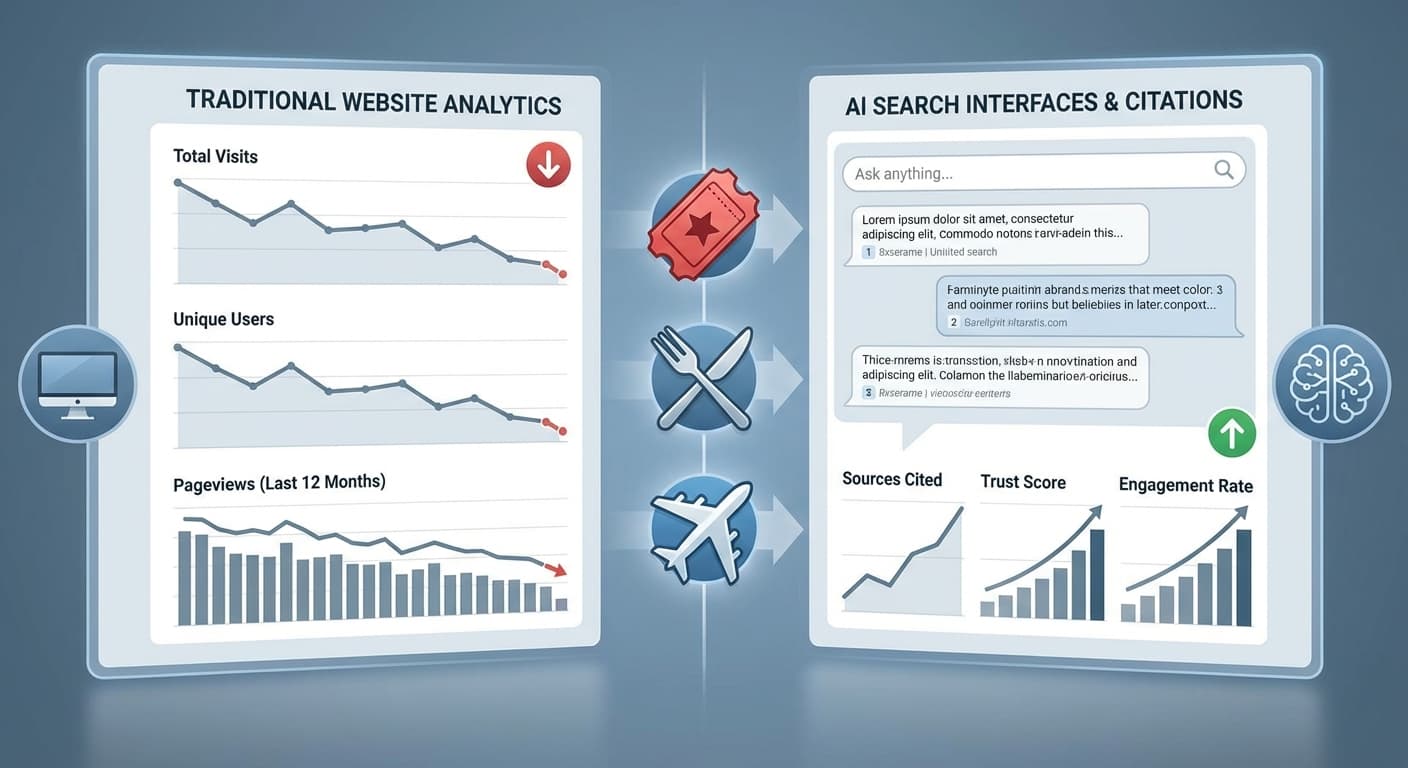
You're not alone. With AI search now accounting for over 35% of all search queries in 2026, brands are investing heavily in AI search optimization—but struggling to prove ROI without traditional click-through data. Unlike Google Analytics, there's no simple dashboard showing "ChatGPT sent us 500 visitors who converted at 3.2%."

The Challenge: Proving AI Search Value Without Direct Attribution

Traditional SEO metrics don't translate to AI search. When ChatGPT cites your company in an answer about "best project management tools," users might:

  • Remember your brand and search for it later

  • Visit your website through a different channel

  • Mention you in conversations with colleagues

  • Include you in their consideration set for future purchases
  • This "dark social" effect makes direct attribution nearly impossible, leaving marketing teams scrambling to justify their AI search investments.

    5 Alternative ROI Measurement Strategies for AI Citations

    1. Brand Lift and Search Volume Correlation

    Track the correlation between AI citations and branded search volume increases. Here's how:

    Implementation:

  • Monitor your AI citation frequency weekly

  • Track branded search terms in Google Trends and Google Search Console

  • Look for volume spikes 24-72 hours after major AI citations

  • Use tools like SEMrush or Ahrefs to monitor competitor comparisons
  • Example: A SaaS company noticed that weeks with 10+ ChatGPT citations showed 23% higher branded search volume compared to weeks with fewer than 5 citations.

    2. Share of Voice in AI Responses

    Measure your brand's visibility relative to competitors in AI search results.

    Key Metrics:

  • Citation frequency vs. competitors for target keywords

  • Position in AI response (first mention vs. buried in a list)

  • Sentiment of citations (positive, neutral, negative)

  • Topic authority coverage (how many relevant topics mention you)
  • Calculation: If you're cited in 40% of AI responses for your category while the leading competitor gets 60%, you have a 40% share of voice with clear room for improvement.

    3. Pipeline Attribution Through Survey Data

    Survey Integration Points:

  • Lead generation forms: "How did you first hear about us?"

  • Sales qualification calls: "What sources influenced your decision to reach out?"

  • Customer onboarding: "Which touchpoints were most influential?"

  • Post-purchase surveys: "What made you choose us over alternatives?"
  • Implementation Tip: Add "AI assistant recommendation" or "ChatGPT/Perplexity" as options in your attribution surveys.

    4. Content Engagement Lift Analysis

    Analyze how AI citations drive engagement with your owned content.

    Metrics to Track:

  • Organic traffic to cited pages

  • Time on site for users discovering content through various channels

  • Newsletter subscriptions and content downloads

  • Social media mentions and shares

  • Backlink acquisition from cited content
  • Pro Tip: Use UTM parameters in links within your content to track how users flow from cited articles to conversion pages.

    5. Customer Lifetime Value (CLV) Segmentation

    Segment customers by their discovery method and compare CLV across channels.

    Analysis Framework:

  • Customers who mention AI discovery in surveys

  • Customers from high-AI-citation periods

  • Customers who engaged with cited content first

  • Control groups from traditional channels
  • Advanced ROI Measurement Framework

    The Attribution Window Approach

    Since AI citations influence purchase decisions over extended periods, use longer attribution windows:

  • Immediate (0-7 days): Direct visits and branded searches

  • Short-term (8-30 days): Lead generation and trial signups

  • Medium-term (31-90 days): Sales pipeline progression

  • Long-term (91+ days): Customer acquisition and expansion
  • Multi-Touch Attribution Modeling

    Create a custom attribution model that weights AI citations appropriately:

    Weighted Scoring Example:

  • First AI citation mention: 30% weight

  • Website visit within 72 hours: 25% weight

  • Content engagement: 20% weight

  • Sales touchpoint: 25% weight
  • Quantifying Indirect Value

    Brand Equity Metrics


  • Unaided brand recall: Survey target audience about top-of-mind brands

  • Brand sentiment: Monitor mentions across social media and forums

  • Expert positioning: Track citations in industry publications and podcasts

  • Thought leadership: Measure speaking opportunities and media requests
  • Market Research Integration

    Partner with your market research team to include AI search questions in regular brand health studies:

  • "Have you encountered our brand through AI assistants?"

  • "How do AI recommendations influence your purchase decisions?"

  • "Which brands do AI tools typically recommend in our category?"
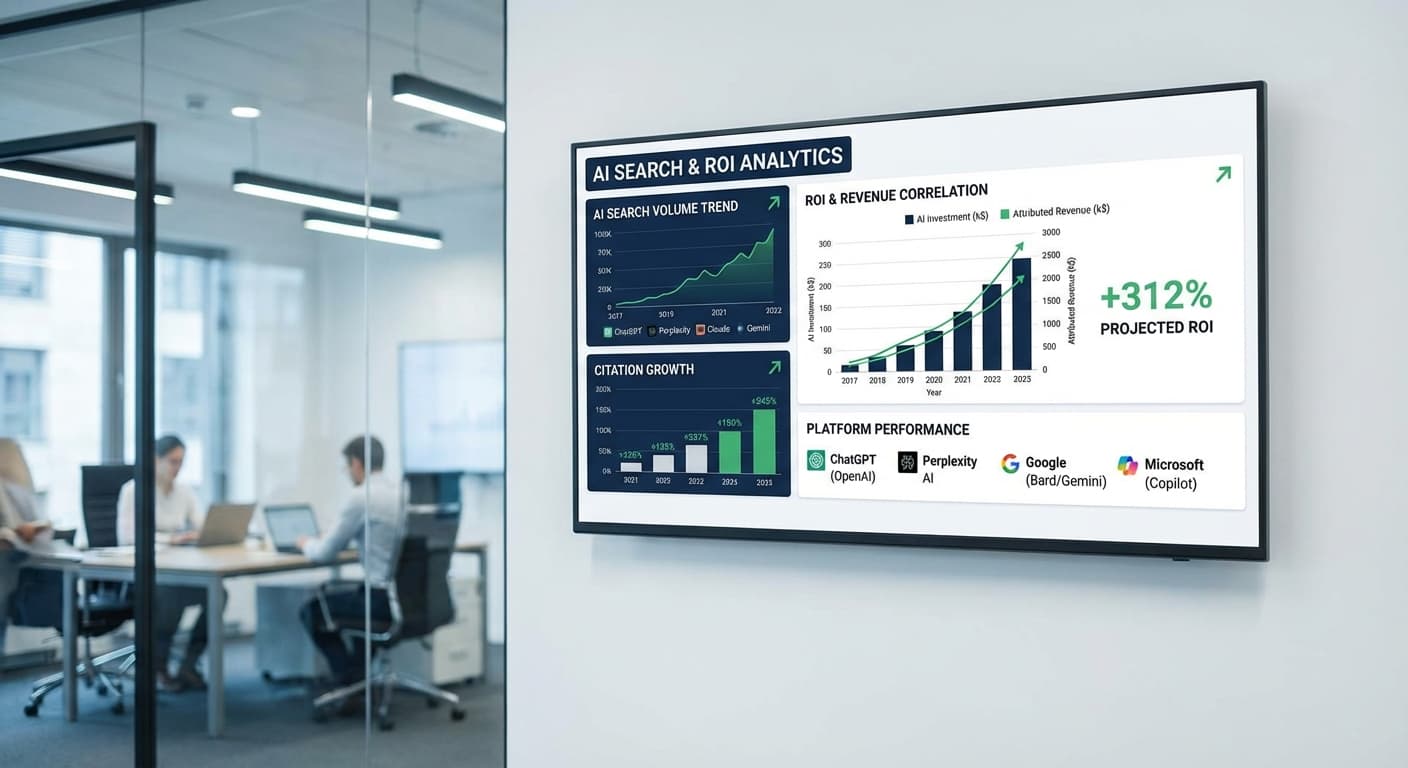
  • Building Your AI Search ROI Dashboard

    Essential KPIs to Track

    Volume Metrics:

  • Total AI citations per month

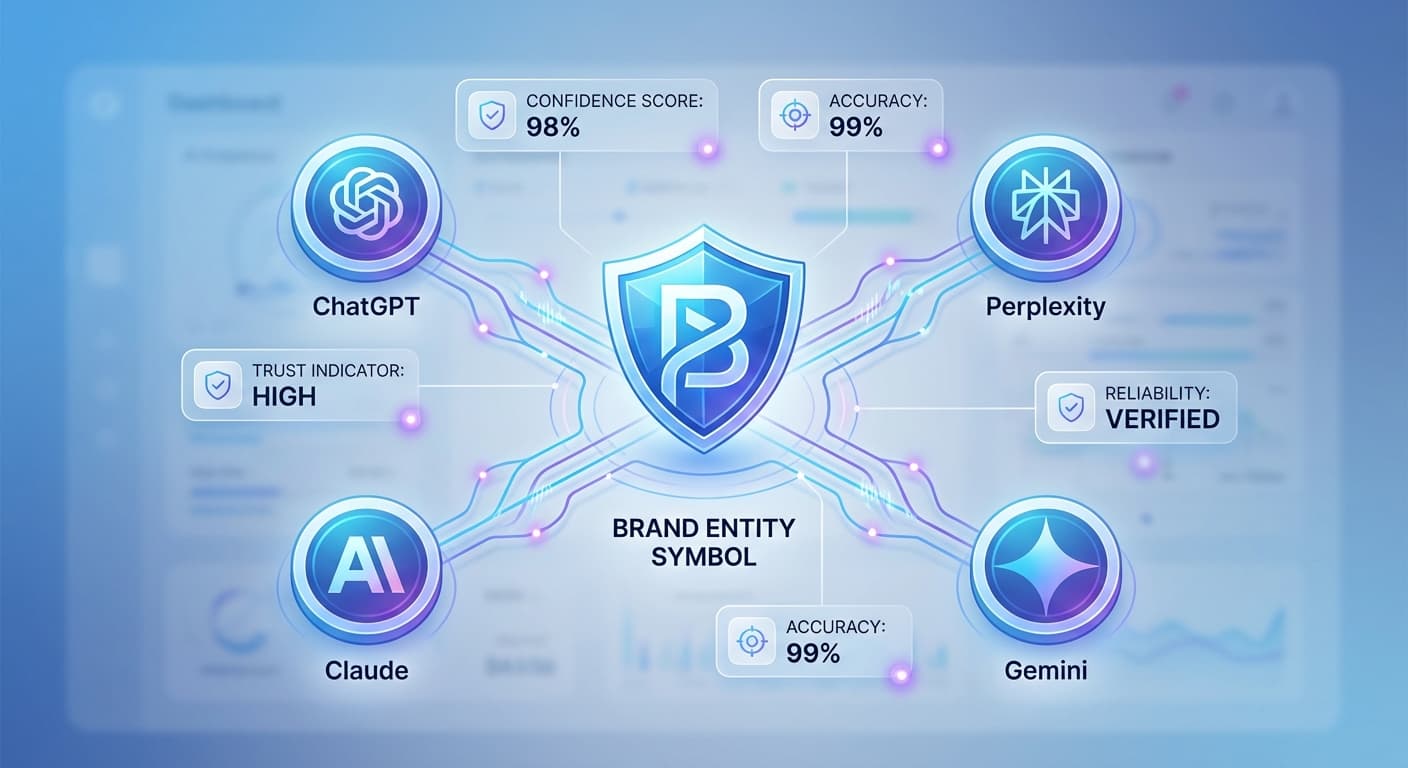
  • Citations by AI platform (ChatGPT, Perplexity, Claude, Gemini)

  • Share of voice vs. competitors

  • Citation quality score (position, context, sentiment)
  • Business Impact Metrics:

  • Branded search volume correlation

  • Pipeline attribution (survey-based)

  • Customer acquisition cost by channel

  • Revenue from AI-influenced customers
  • Leading Indicators:

  • Content optimization score (like Citescope Ai's GEO Score)

  • Content freshness and update frequency

  • Topic authority coverage

  • Citation-to-conversion time lag
  • Monthly Reporting Template

  • Executive Summary: Key wins and business impact

  • Citation Performance: Volume, quality, and competitive positioning

  • Business Correlation: Revenue and pipeline impact

  • Optimization Opportunities: Content gaps and improvement areas

  • Resource Allocation: Investment recommendations for next quarter
  • How Citescope Ai Helps Measure AI Search ROI

    While building custom attribution models takes time, Citescope Ai provides the foundation for ROI measurement through:

  • Citation Tracking: Real-time monitoring across ChatGPT, Perplexity, Claude, and Gemini to quantify your AI search visibility

  • Competitive Intelligence: Compare your citation frequency and share of voice against competitors

  • Content Performance Analysis: Identify which optimized content drives the most AI citations

  • GEO Score Tracking: Monitor how content improvements correlate with increased citations and business impact
  • Presenting AI Search ROI to Your CFO

    The Three-Tier Approach

    Tier 1: Direct Metrics (25% of presentation)

  • Citations tracked and monitored

  • Branded search correlation

  • Survey attribution data
  • Tier 2: Correlated Metrics (50% of presentation)

  • Pipeline influenced by AI touchpoints

  • Content engagement lift

  • Customer acquisition patterns
  • Tier 3: Strategic Value (25% of presentation)

  • Competitive positioning

  • Brand equity building

  • Future-proofing search strategy
  • Sample CFO Presentation Points

  • "Our AI search optimization increased branded search volume by 28% quarter-over-quarter"

  • "Customers who discovered us through AI citations have 15% higher CLV"

  • "We now appear in 3x more AI responses than our closest competitor"

  • "22% of new customers mention AI recommendations in their discovery journey"
  • Ready to Optimize for AI Search?

    Measuring AI search ROI requires a new approach, but the investment is worth it. As AI search continues to grow, brands that can prove and optimize their AI citation performance will have a significant competitive advantage.

    Citescope Ai helps you track, measure, and optimize your AI search performance with citation monitoring across all major AI platforms, competitive analysis, and content optimization tools. Start measuring your AI search ROI with our free tier—track up to 3 content optimizations per month and see how your citations translate to business impact.

    Start your free trial today and transform how you measure and optimize for AI search success.
    AI Search ROIAI Citation TrackingMarketing AttributionAI Search OptimizationRevenue Measurement

    Track your AI visibility

    See how your content appears across ChatGPT, Perplexity, Claude, and more.

    Start for Free