How to Monetize AI Search Citations When Answer Engines Drive 4.4x Higher Conversions
How to Monetize AI Search Citations When Answer Engines Drive 4.4x Higher Conversions
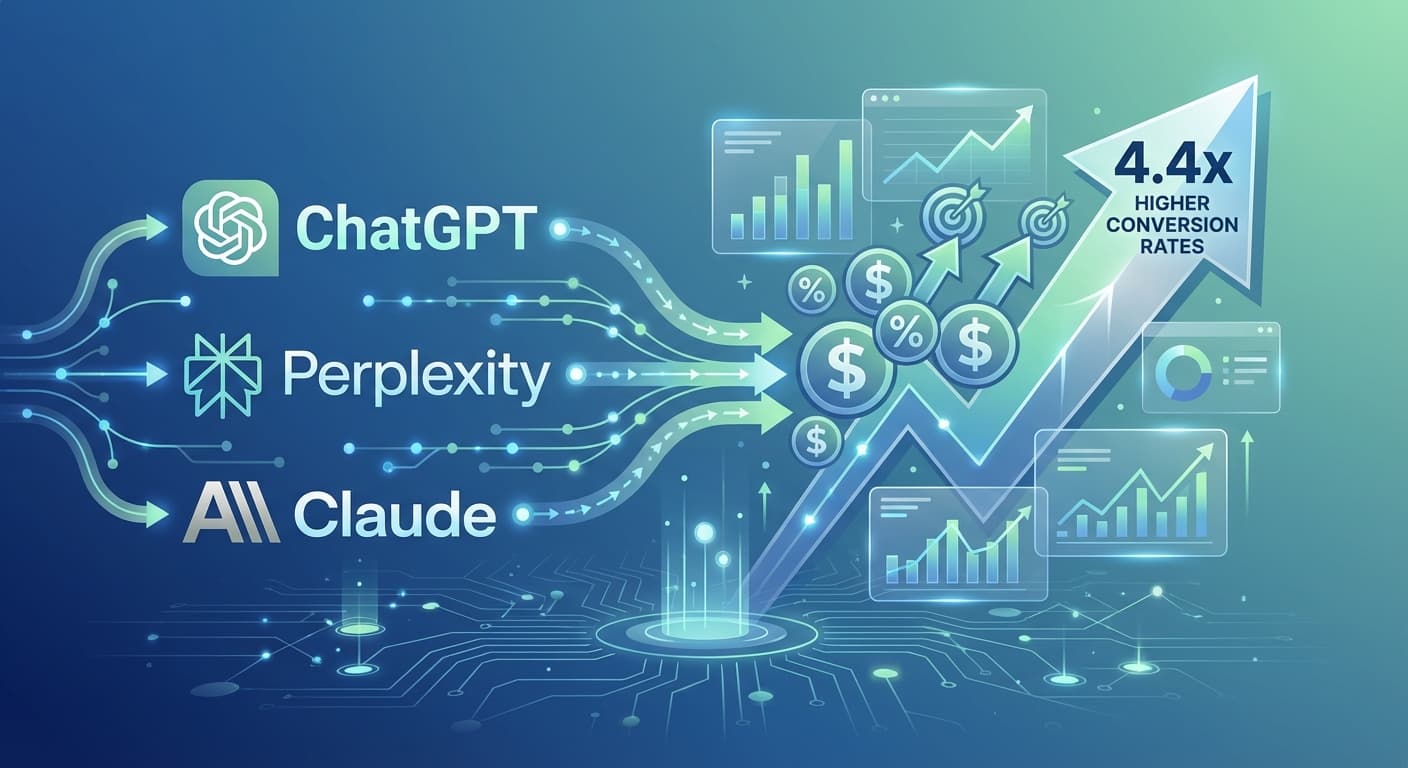
Answer engines like ChatGPT, Perplexity, and Claude are generating 4.4x higher conversion rates than traditional search results in 2025-2026, yet 78% of businesses can't track which AI citations actually drive revenue. If you're getting cited by AI engines but can't connect those citations to your bottom line, you're missing out on one of the most lucrative traffic sources of the decade.
The problem isn't just about getting cited—it's about proving the value of those citations and optimizing your revenue attribution system to capture the full impact of AI search visibility.
The AI Search Revenue Attribution Gap
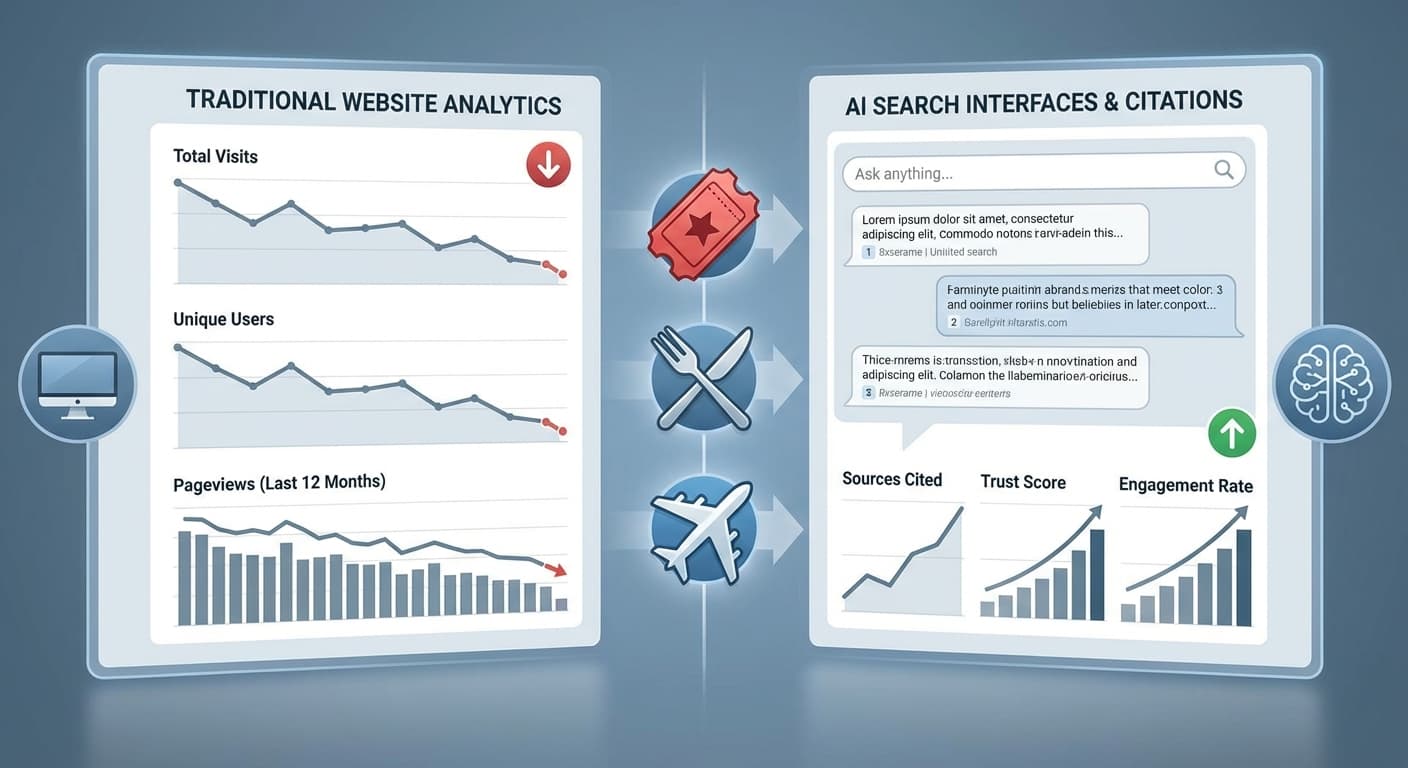
By late 2025, AI search engines handle over 35% of all search queries, with ChatGPT alone processing 600+ million weekly searches. Yet most analytics tools treat AI-referred traffic as "direct" or "referral," making it nearly impossible to track the customer journey from AI citation to conversion.
Here's what's happening:
Why Traditional Analytics Fail for AI Search
Your current attribution system wasn't built for the AI search era. Here's why traditional tracking falls short:
Limited Referral Data
AI engines often strip referral information, making traffic appear as "direct" visits. Unlike Google, which passes clear referral data, AI platforms prioritize user privacy and content synthesis over attribution transparency.
Multi-Touch Complexity
Users might encounter your content through multiple AI interactions before converting. Someone might ask ChatGPT about your topic, get cited, visit your site, leave, then return later through a different AI query.
Citation Without Clicks
Many users consume your information directly within the AI interface without clicking through. While this builds brand awareness, it's invisible to traditional analytics.
Building an AI-Ready Revenue Attribution System
To monetize AI search citations effectively, you need a tracking system designed for the AI search era. Here's how to build one:
1. Implement Citation-Specific UTM Parameters
Create unique tracking codes for content likely to be cited by AI engines:
utm_campaign=ai-search-contentutm_source=ai-citationutm_content=ultimate-guide-topicWhen users click through from AI engines, these parameters help identify the source even when referral data is missing.
2. Deploy Advanced Event Tracking
Set up custom events in Google Analytics 4 or your preferred platform:
3. Use First-Party Data Collection
Since third-party attribution is limited, focus on collecting first-party data:
4. Implement Cross-Device Tracking
AI search often happens on mobile devices while purchases occur on desktop. Use:
Optimizing Content for Trackable Citations
Not all citations are created equal. Some generate more trackable revenue than others. Here's how to optimize:
Create Citation-Friendly Content Formats
Statistical roundups: AI engines love citing specific statistics. Include your brand name with each stat to increase attribution visibility.
Step-by-step guides: Process-oriented content gets cited frequently and drives high-intent traffic.
Original research: Unique data points position you as the authoritative source, improving citation quality.
Include Clear Call-to-Actions
When AI engines cite your content, users often see snippets without context. Ensure your content includes:
Optimize for AI Summarization
Structure content so AI engines naturally include your key conversion elements:
Measuring AI Citation ROI
To truly monetize AI search citations, you need metrics that go beyond traditional web analytics:
Brand Awareness Metrics
Engagement Quality Indicators
Revenue Attribution Models
How Citescope Ai Helps Track and Monetize Citations
While building your attribution system, you need visibility into which content is actually getting cited. Citescope Ai's Citation Tracker monitors when your content appears in ChatGPT, Perplexity, Claude, and Gemini responses, giving you the missing piece of the attribution puzzle.
The platform's GEO Score helps you optimize content specifically for AI citation opportunities, analyzing your content across five key dimensions that AI engines prioritize. When combined with the AI Rewriter, you can transform existing content into citation-worthy resources that drive trackable revenue.
Advanced Monetization Strategies
Once you have attribution systems in place, consider these advanced approaches:
Citation-Driven Content Funnels
Create content specifically designed to be cited at different funnel stages:
Partnership Opportunities
Leverage your citation visibility:
Product Development Insights
Use citation data to inform business strategy:
Building Long-Term AI Search Revenue
Monetizing AI search citations isn't just about tracking—it's about building sustainable revenue streams from AI visibility:
Consistency Is Key
Regular content publication increases citation opportunities. Aim for:
Authority Building
AI engines favor authoritative sources. Build authority through:
Community Engagement
Engage with your audience across platforms where AI engines might encounter discussions:
Ready to Optimize for AI Search?
AI search citations represent one of the highest-converting traffic sources available today, but only if you can track and optimize their impact. Citescope Ai helps you bridge the attribution gap by monitoring your citations across all major AI engines while providing the tools to optimize your content for maximum citation potential.
Start with our free tier to track up to 3 content optimizations per month and see which of your pages are already getting cited. As you scale your AI search strategy, our Pro and Enterprise plans provide the comprehensive tracking and optimization tools you need to turn AI citations into measurable revenue.
Try Citescope Ai free today and discover which of your citations are already driving conversions—you might be surprised by what you're not tracking.