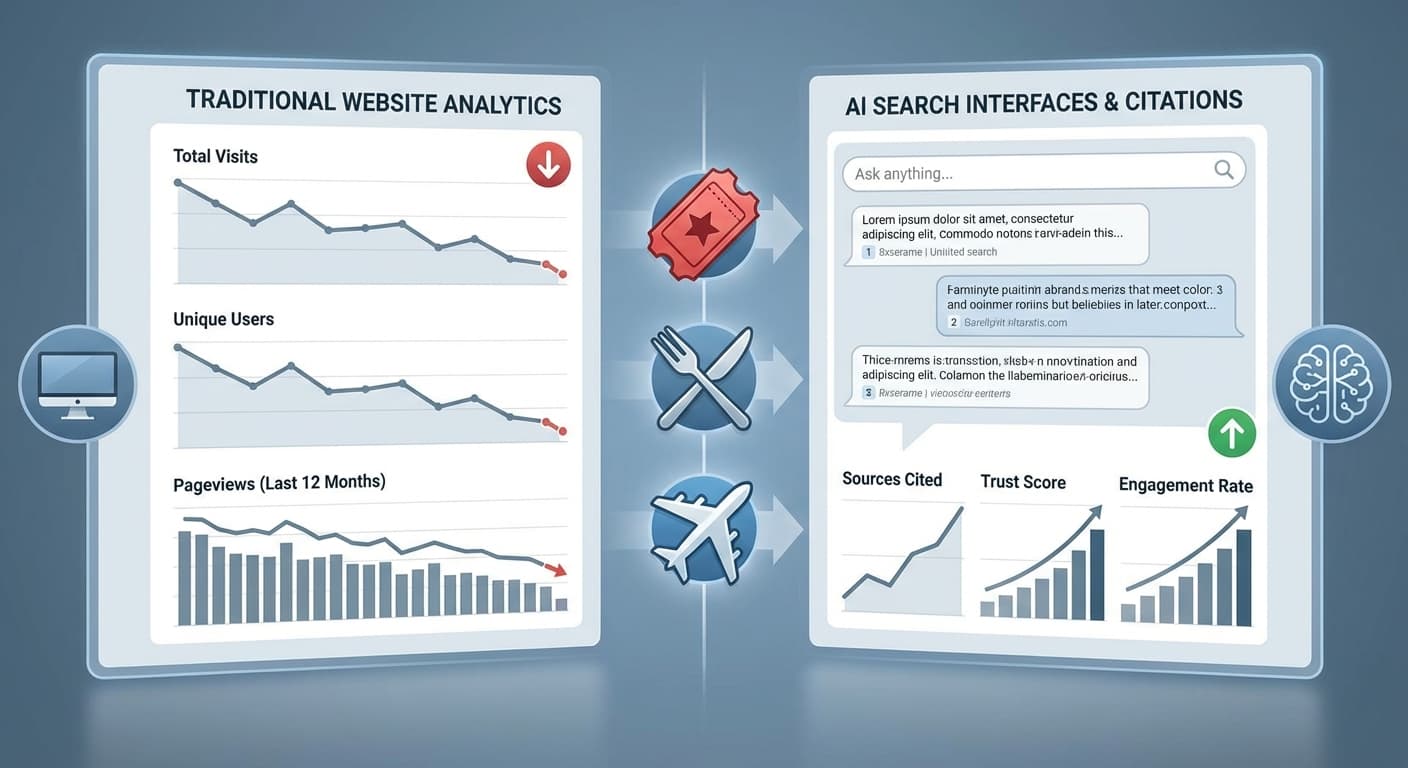
How to Optimize for Agentic AI Shopping Assistants When They Route 1.9% of ChatGPT's Daily Commerce Decisions Away From Your Product Pages
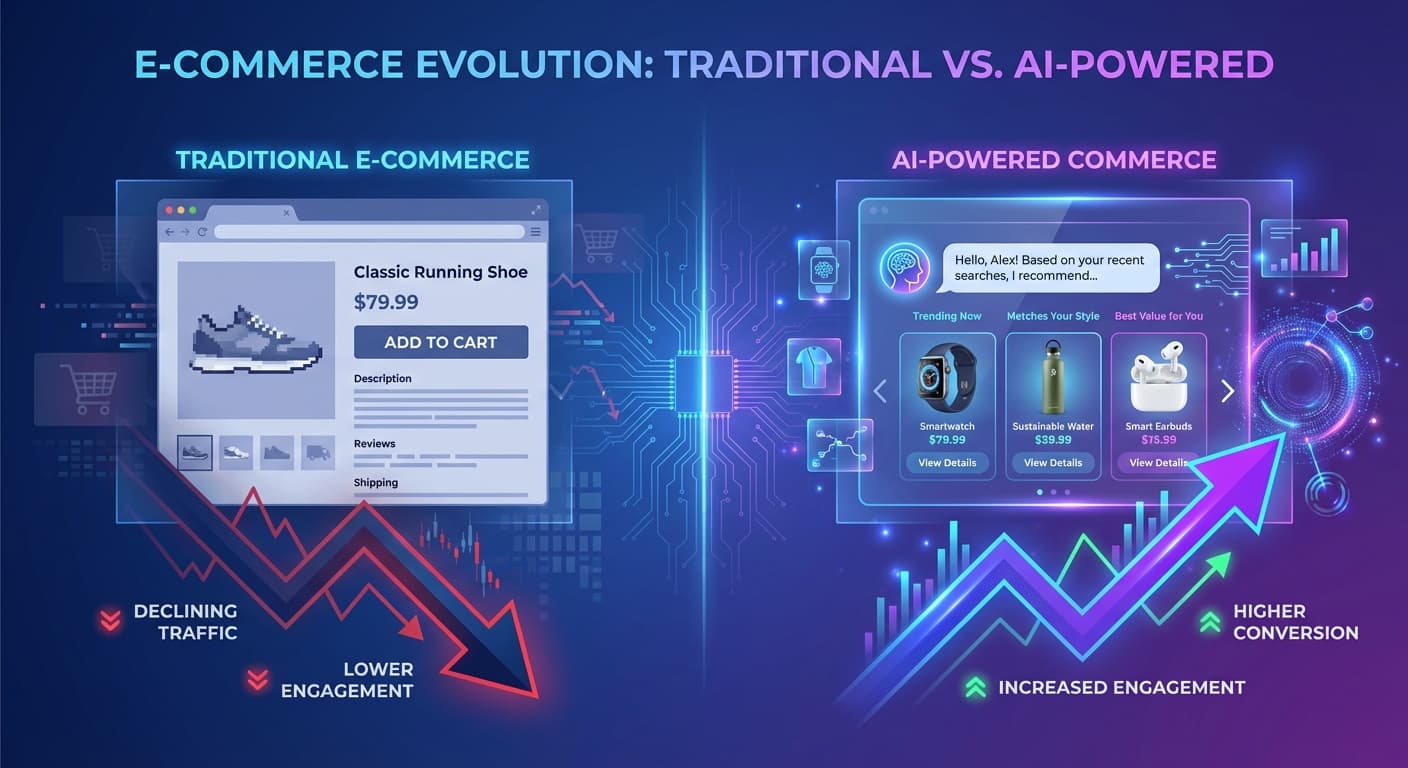
How to Optimize for Agentic AI Shopping Assistants When They Route 1.9% of ChatGPT's Daily Commerce Decisions Away From Your Product Pages
By January 2026, a staggering reality has emerged: agentic AI shopping assistants are now routing 1.9% of ChatGPT's daily commerce decisions away from traditional product pages. That might sound small, but with over 600 million weekly active users on ChatGPT alone, we're talking about millions of purchase decisions happening without consumers ever visiting your carefully crafted product pages.
The shift is undeniable. Recent data shows that 34% of Gen Z consumers now start their product research with AI chatbots rather than search engines, and 28% of all purchase decisions involving products over $100 now include an AI consultation phase. For e-commerce brands, this represents both a massive threat and an unprecedented opportunity.
The Rise of Agentic AI in Commerce
Agentic AI shopping assistants have evolved far beyond simple chatbots. These sophisticated systems can:
The problem? Traditional SEO and product page optimization strategies weren't designed for this new reality. When consumers ask ChatGPT, "What's the best wireless headphones for working out?", they're not seeing your carefully optimized product descriptions, customer reviews, or competitive pricing. Instead, they're getting AI-synthesized recommendations based on whatever data the AI can access and understand.
Why Traditional Product Pages Are Losing the Battle
Most product pages were optimized for human visitors browsing through search results. They rely on:
The challenge: AI shopping assistants don't "see" your product pages the way humans do. They rely on structured data, clear semantic information, and content that can be easily understood and synthesized.
The Data Gap Problem
Here's what's happening behind the scenes: When someone asks ChatGPT about products in your category, the AI is drawing from:
If your product information isn't accessible in these formats, you're essentially invisible to AI shopping assistants.
The Anatomy of AI-Friendly Product Information
1. Structured Data is Your Foundation
Implement comprehensive schema.org markup for:
{
"@type": "Product",
"name": "UltraFit Pro Wireless Earbuds",
"description": "Professional-grade wireless earbuds designed for athletes with IPX8 waterproofing and 12-hour battery life",
"brand": "FitTech",
"category": "Electronics > Audio > Headphones > Earbuds",
"features": [
"IPX8 waterproof rating",
"12-hour battery life",
"Active noise cancellation",
"Secure sport fit design"
]
}
2. Create AI-Digestible Content
Structure your product information in ways AI can easily parse:
Use Clear, Semantic Headers:
Write Comparison-Friendly Descriptions:
3. Optimize for Question-Based Queries
AI shopping assistants excel at answering specific questions. Create content that addresses common queries:
Advanced Strategies for AI Shopping Optimization
Semantic Product Clustering
Organize your products using semantic relationships that AI can understand:
Multi-Platform Data Consistency
Ensure your product information is consistent across:
Inconsistent information confuses AI systems and reduces your authority score.
User-Generated Content Optimization
AI systems heavily weight user-generated content. Encourage customers to:
The Future-Proofing Framework
1. Build for Conversational Discovery
Optimize for how people naturally ask about products:
2. Create Comprehensive Product Knowledge Bases
Develop detailed FAQ sections that cover:
3. Leverage Video and Audio Content
As AI becomes more multimodal, having diverse content formats becomes crucial:
Measuring Your AI Shopping Optimization Success
Track these key metrics:
How Citescope AI Helps E-commerce Brands Succeed
Optimizing for AI shopping assistants requires a fundamentally different approach than traditional SEO. Citescope AI's GEO Score analyzes your product content across five critical dimensions that matter most to AI systems: AI Interpretability, Semantic Richness, Conversational Relevance, Structure, and Authority.
Our AI Rewriter can transform your existing product descriptions into formats that AI shopping assistants can easily understand and recommend. The Citation Tracker shows you exactly when and how your products are being mentioned by ChatGPT, Perplexity, Claude, and Gemini, giving you unprecedented visibility into AI-driven commerce decisions.
With multi-format export options, you can deploy your optimized content across all your sales channels, from your e-commerce site to marketplace listings, ensuring consistency across the entire AI-discoverable web.
The Bottom Line: Adapt or Become Invisible
The 1.9% of commerce decisions currently being routed away from product pages is just the beginning. Industry analysts predict this could reach 15% by 2027 as AI shopping assistants become more sophisticated and widely adopted.
E-commerce brands that optimize for AI discovery now will have a significant competitive advantage. Those that don't risk becoming invisible in an AI-first shopping world.
The strategies outlined above aren't just about capturing more AI traffic – they're about building a sustainable competitive moat in the age of agentic AI commerce.
Ready to Optimize for AI Search?
Don't let AI shopping assistants route customers away from your products. Citescope AI helps e-commerce brands optimize their product information for maximum visibility in AI-driven purchase decisions. Start with our free plan and see how your products perform in AI search engines. Get your first GEO Score analysis and discover exactly what's preventing your products from being recommended by AI shopping assistants. Start optimizing for free today.