How to Optimize for Agentic AI Systems That Autonomously Search, Compare, and Transact on Behalf of Users in 2026
How to Optimize for Agentic AI Systems That Autonomously Search, Compare, and Transact on Behalf of Users in 2026
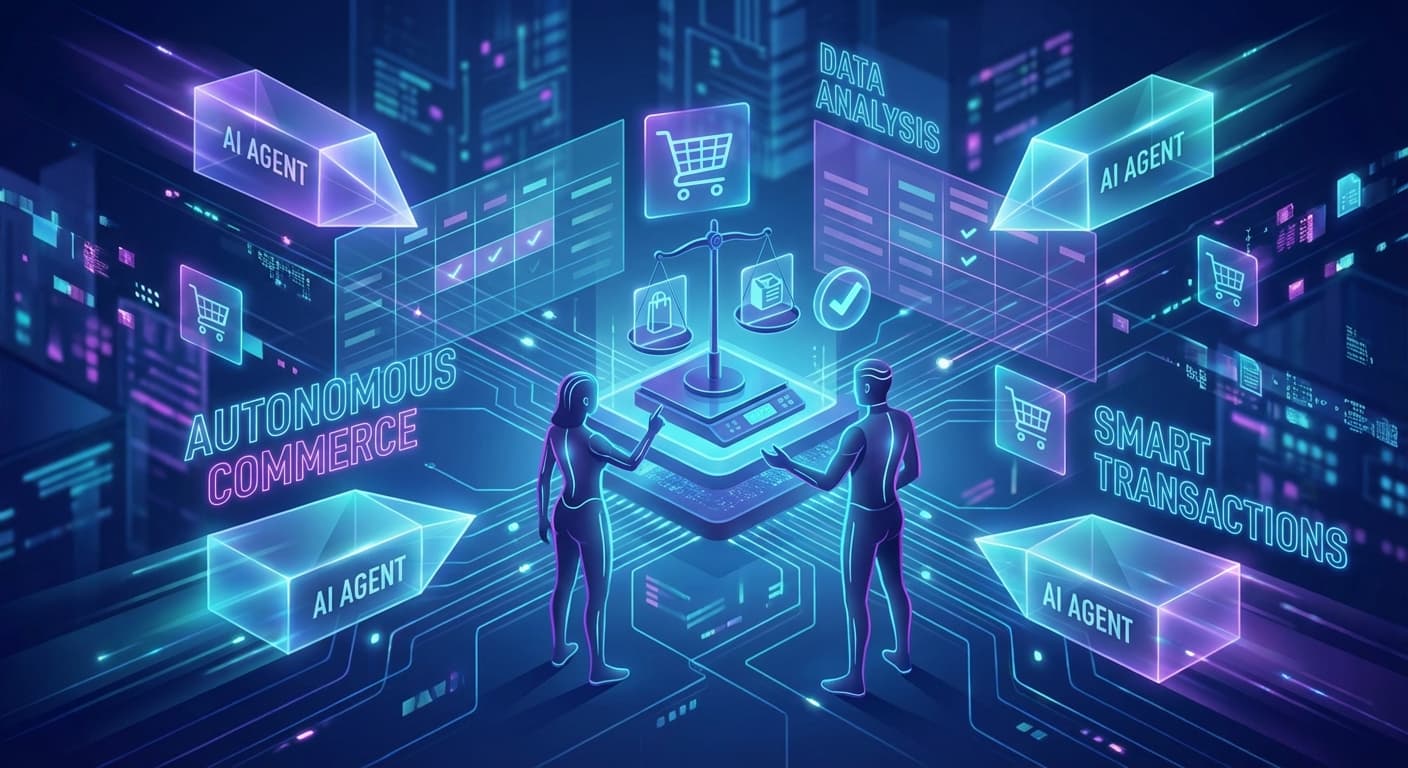
Imagine your customer never actually visits your website. Instead, an AI agent researches your product, compares it to competitors, negotiates pricing, and completes the purchase—all without human intervention. This isn't science fiction; it's happening right now in 2026.
According to recent industry data, over 40% of B2B transactions now involve some form of AI agent assistance, and autonomous purchasing agents handle approximately 15% of all e-commerce transactions under $500. As agentic AI systems become the new gatekeepers of commerce, traditional SEO and marketing strategies are rapidly becoming obsolete.
Understanding Agentic AI: Beyond Simple Search
Agentic AI systems represent a fundamental shift from passive AI assistants to proactive, goal-oriented agents that can:
Unlike traditional search engines that simply return results, these agents actively evaluate, filter, and act on information. They're essentially becoming digital intermediaries between businesses and consumers, making optimization for their algorithms critical for commercial success.
The New Content Optimization Landscape
Machine-Readable Value Propositions
Agentic AI systems prioritize structured, easily comparable data over persuasive marketing copy. Your content needs to clearly communicate:
Semantic Authority Signals
These AI agents evaluate content authority differently than traditional search engines. They look for:
Strategies for Agentic AI Optimization
1. Implement Structured Data Everywhere
Agentic AI systems rely heavily on structured data to make automated decisions. Ensure your content includes:
2. Create Comparison-Friendly Content
Since AI agents frequently compare options, make their job easier:
3. Optimize for Negotiation Scenarios
Many agentic systems can negotiate terms. Prepare your content for these interactions:
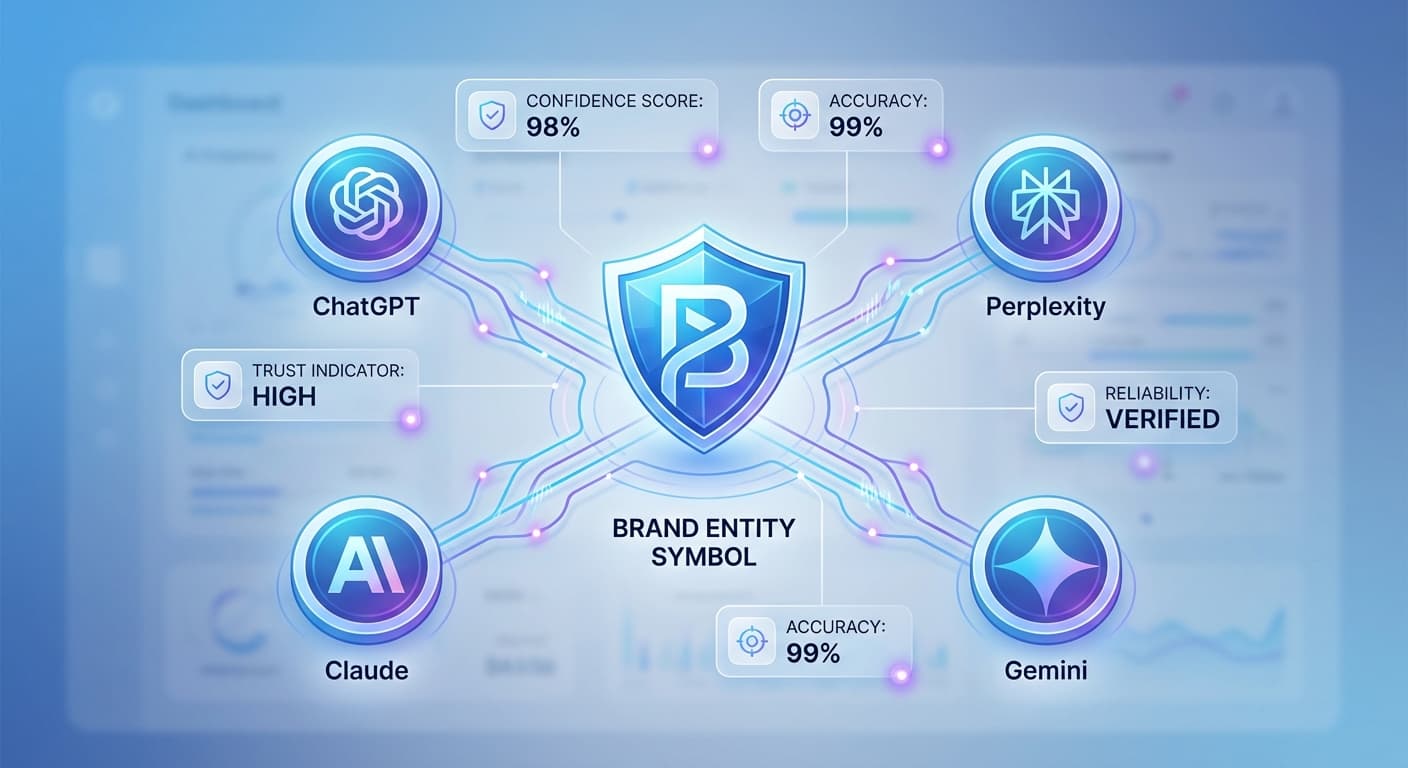
4. Establish Trust Signals for Autonomous Transactions
AI agents need to assess transaction risk. Strengthen your trust signals:
Content Formats That Agentic AI Systems Prefer
FAQ-Style Information Architecture
Structure content to directly answer common agent queries:
Dynamic Content Modules
Create content that can be automatically updated and recombined:
Measuring Success in the Agentic AI Era
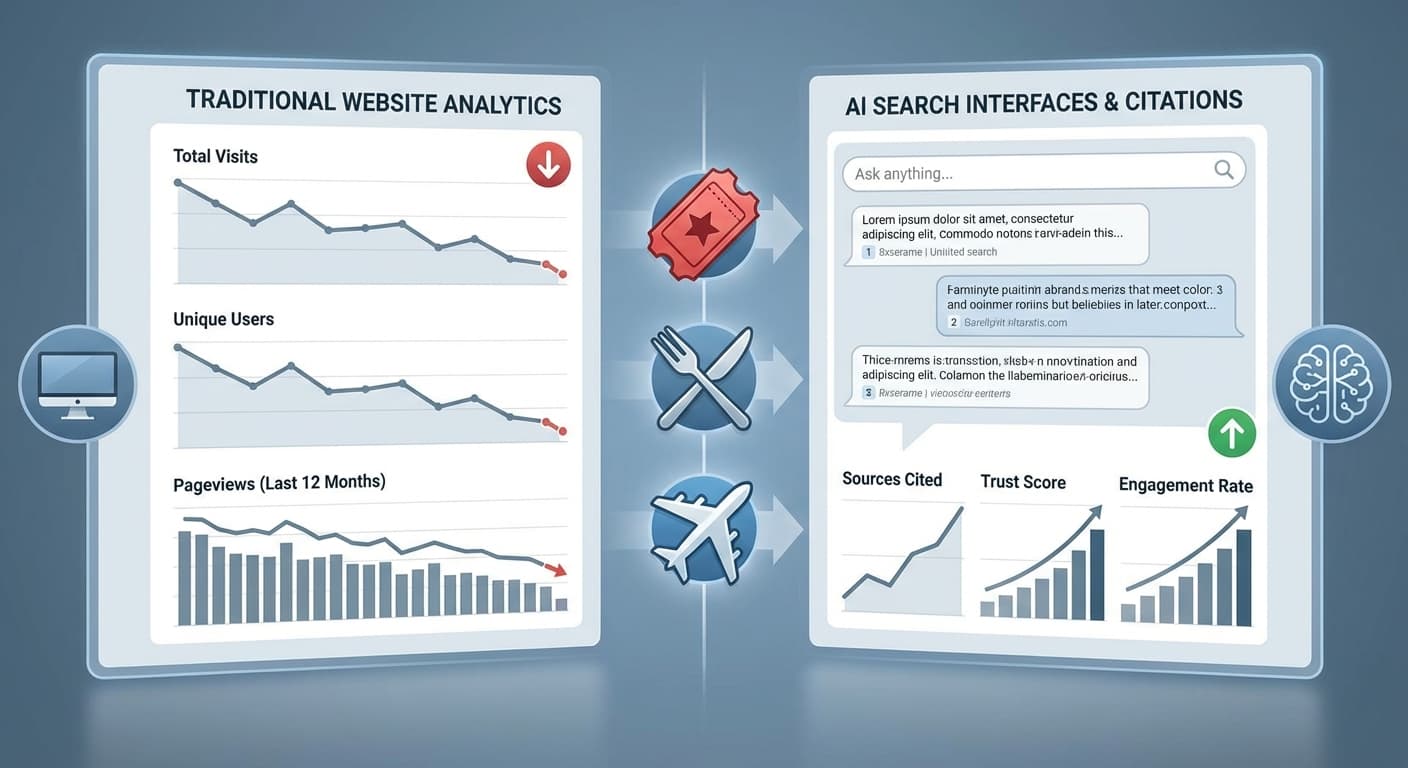
Traditional metrics like page views and bounce rates become less relevant when AI agents, not humans, consume your content. Focus on:
Engagement Metrics for AI Systems
Business Impact Indicators
Tools like Citescope Ai's Citation Tracker can help monitor when your content gets referenced by AI systems, providing valuable insights into which optimization strategies are working.
Common Optimization Mistakes to Avoid
Over-Relying on Traditional SEO Tactics
Keyword stuffing and link building strategies that worked for traditional search engines can actually harm your visibility with agentic AI systems. These agents prioritize:
Ignoring Real-Time Data Requirements
Agentic AI systems expect current, accurate information. Outdated pricing, availability, or specifications can result in your content being entirely excluded from consideration.
Failing to Consider Multi-Agent Scenarios
Different AI agents may specialize in different aspects of the purchasing process. Your content optimization strategy should account for:
How Citescope Ai Helps Navigate Agentic AI Optimization
Optimizing for agentic AI systems requires a fundamentally different approach than traditional SEO. Citescope Ai's platform addresses these challenges through:
Advanced GEO Scoring: Our 5-dimensional analysis evaluates how well your content performs with AI systems, including factors specifically relevant to agentic interactions like transaction-readiness and comparison-friendliness.
AI-Powered Rewriting: The one-click optimization feature restructures your content to better serve autonomous agents, ensuring key information is presented in machine-readable formats while maintaining human appeal.
Multi-Platform Citation Tracking: Monitor how different AI systems—including emerging agentic platforms—reference and utilize your content, providing insights into which optimization strategies drive real business results.
Structured Export Options: Download optimized content in formats specifically designed for agentic AI consumption, including enhanced schema markup and API-ready data structures.
Preparing for the Future of Agentic Commerce
As agentic AI systems become more sophisticated, expect to see:
Businesses that adapt their content strategy now will have a significant advantage as this technology becomes mainstream. The key is understanding that you're no longer just optimizing for search visibility—you're optimizing for AI decision-making processes that directly impact revenue.
Ready to Optimize for AI Search?
The shift to agentic AI systems represents both a challenge and an enormous opportunity. While traditional marketing approaches lose effectiveness, businesses that understand how to communicate with AI agents gain a competitive edge in an increasingly automated marketplace.
Citescope Ai provides the tools and insights you need to optimize your content for these sophisticated AI systems. Our platform helps you track citations across major AI platforms, optimize content with our GEO scoring system, and prepare for the future of AI-mediated commerce.
Start your free trial today and discover how your content performs with the AI systems that are reshaping how business gets done. Get 3 free optimizations to see the difference proper AI optimization can make for your business.