How to Optimize for AI Agent Crawlers When Traditional robots.txt and XML Sitemaps Don't Control Agentic Bot Behavior in 2026

How to Optimize for AI Agent Crawlers When Traditional robots.txt and XML Sitemaps Don't Control Agentic Bot Behavior in 2026
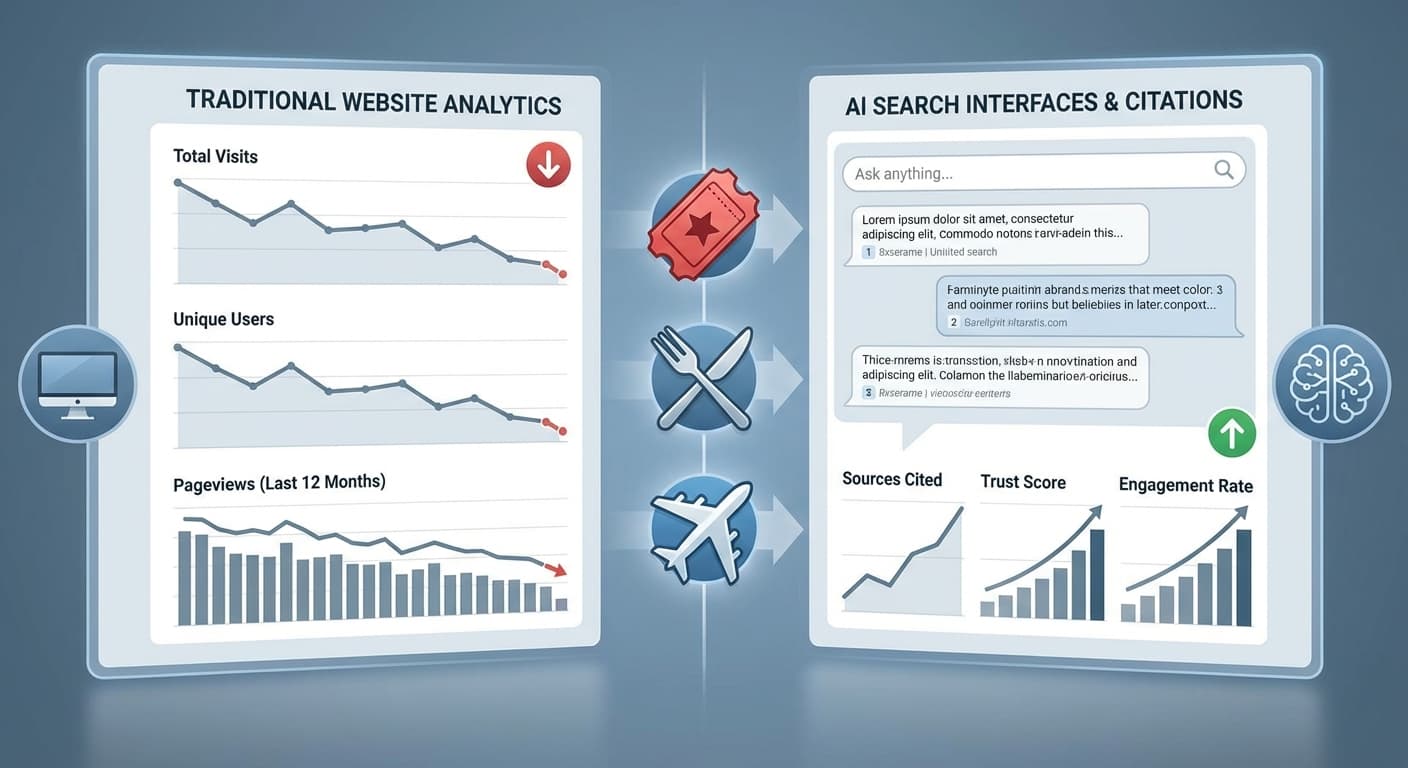
By January 2026, AI agents have fundamentally changed how content gets discovered and indexed. Unlike traditional search engine bots that politely follow robots.txt directives and systematically crawl XML sitemaps, AI agent crawlers operate with unprecedented autonomy—making decisions about what content to consume based on contextual relevance rather than webmaster instructions.
With over 500 million weekly ChatGPT users and AI search now accounting for 35% of all queries, the old playbook of controlling bot behavior through technical files is becoming obsolete. Today's agentic crawlers from OpenAI, Anthropic, Google's Gemini, and Perplexity are designed to think, reason, and make independent decisions about content value.
So how do you optimize for crawlers that don't follow traditional rules?
The New Reality: AI Agents Think Beyond Technical Directives
Traditional SEO relied on clear communication channels between webmasters and search engines. You'd specify crawl rates in robots.txt, highlight important pages in XML sitemaps, and search engines would generally respect these guidelines.
AI agent crawlers operate differently. They're programmed to:
This shift means that in 2026, content creators need strategies that work with AI agents' decision-making processes rather than against them.
Understanding Agentic Crawler Behavior
How AI Agents Discover Content
Unlike traditional bots that follow predetermined crawl patterns, AI agents discover content through:
What Influences AI Agent Decisions
Recent analysis shows AI agents prioritize content based on:
Strategic Approaches to Influence AI Agent Crawlers
1. Create Citation-Worthy Content Architecture
Since AI agents look for content they can confidently cite, structure your information to be reference-ready:
Use clear, declarative statements:
Include specific, quotable insights:
Structure for easy extraction:
2. Implement Semantic Optimization Techniques
AI agents understand context and relationships between concepts. Optimize for semantic richness:
Topic clustering:
Entity optimization:
Conversational relevance:
3. Build Authority Signals AI Agents Recognize
While you can't control when AI agents visit your content, you can make it more likely they'll view it as authoritative:
Expert authorship:
Source credibility:
Social proof:
4. Optimize Content Structure for AI Interpretation
Make it easy for AI agents to understand and extract your content:
Clear information hierarchy:
Contextual completeness:
Actionable insights:
While creating great content is essential, tracking whether AI agents are actually discovering and citing your content requires specialized tools. This is where platforms like Citescope Ai become valuable—providing visibility into how your content performs across different AI search engines and which pieces are most likely to get cited.
Advanced Strategies for 2026 AI Optimization
Content Freshness and Real-Time Updates
AI agents increasingly favor current, up-to-date information:
Multi-Modal Content Optimization
As AI agents become more sophisticated, they're evaluating different content types:
Cross-Platform Content Syndication
Increase your content's discoverability across multiple AI platforms:
Measuring Success in the Agentic Era
Traditional metrics like crawl errors and indexation rates become less relevant when dealing with AI agents. Instead, focus on:
Citation Tracking
Monitor when and how often AI engines reference your content:
Content Performance Analytics
Evaluate how well your content serves AI agents:
Competitive Intelligence
Understand how your content compares to competitors in AI search results:
How Citescope Ai Helps Navigate the Agentic Landscape
Optimizing for AI agent crawlers requires specialized tools designed for this new reality. Citescope Ai addresses the unique challenges of agentic optimization through:
GEO Score Analysis: Get a comprehensive 0-100 score that evaluates your content across five critical dimensions—AI Interpretability, Semantic Richness, Conversational Relevance, Structure, and Authority. This helps you understand exactly how AI agents view your content.
AI Rewriter Tool: Transform existing content with one-click optimization that restructures your material for better AI visibility while maintaining your original message and expertise.
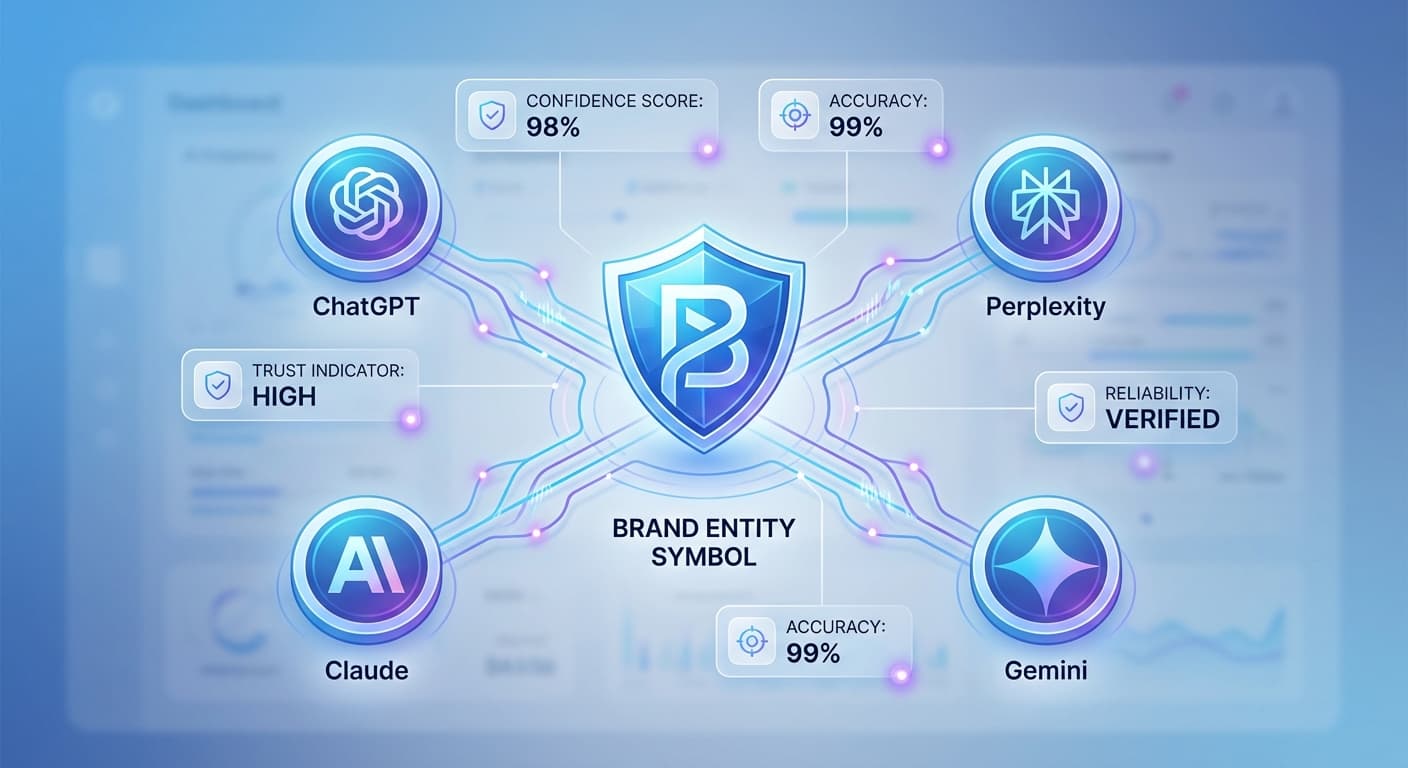
Citation Monitoring: Track when your content gets cited by major AI engines including ChatGPT, Perplexity, Claude, and Gemini, giving you visibility into your AI search performance.
Multi-Format Export: Download optimized content in formats that work across platforms—Markdown for technical documentation, HTML for web publishing, or WordPress blocks for content management systems.
With flexible pricing starting at a free tier with 3 optimizations per month, Pro plans at $39/month, and Enterprise solutions at $99/month, you can start optimizing for AI agents regardless of your budget.
The Future of Content Optimization
As AI agents become more sophisticated throughout 2026, expect to see:
The organizations that adapt to these changes now will have a significant advantage as AI search continues to grow.
Ready to Optimize for AI Search?
Traditional robots.txt files and XML sitemaps are becoming obsolete in the age of agentic AI crawlers. Success now depends on creating content that AI agents want to cite and reference.
Citescope Ai provides the tools and insights you need to optimize your content for AI search engines and track your performance across ChatGPT, Perplexity, Claude, and Gemini. Start with our free tier and get 3 content optimizations to see how your content performs in the new AI-driven search landscape.
Try Citescope Ai free today and start building your competitive advantage in AI search.