How to Optimize for AI Agent Platform Loyalty When Users Start Defaulting to Single AI Search Engines
How to Optimize for AI Agent Platform Loyalty When Users Start Defaulting to Single AI Search Engines
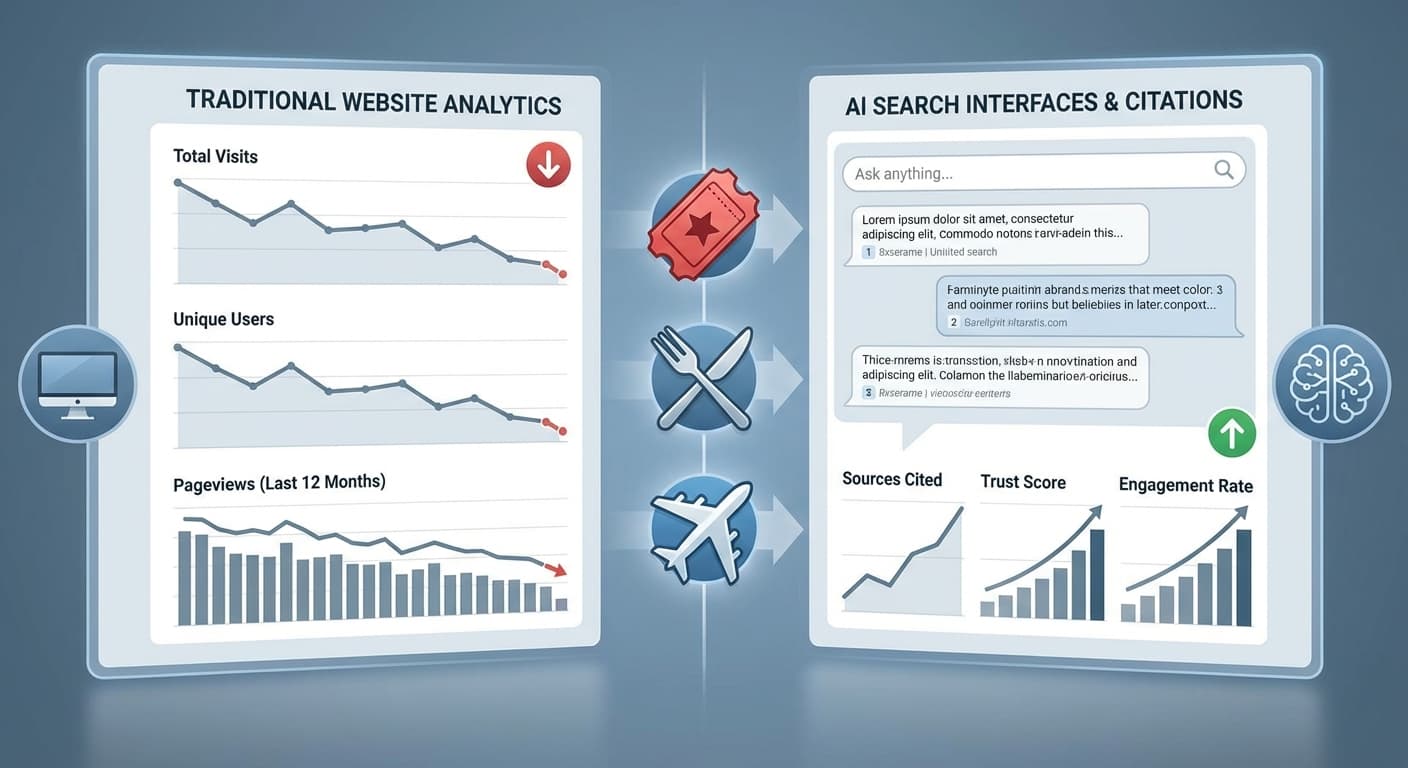
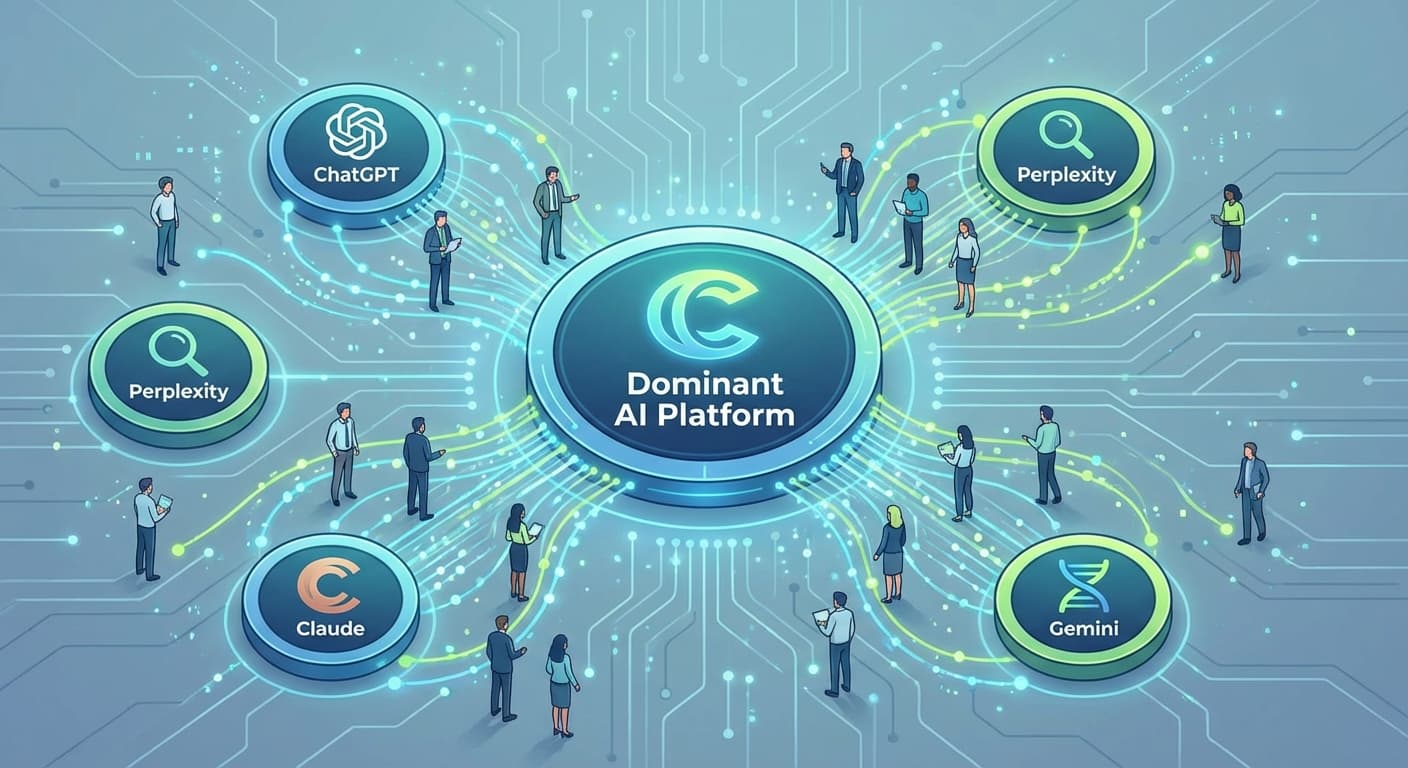
By 2026, a staggering 67% of users have developed loyalty to a single AI search engine, with ChatGPT commanding 42% of the market share and Perplexity capturing 23%. This shift toward platform-specific loyalty represents a fundamental change in how we approach AI search optimization—gone are the days of casting a wide net across all AI engines.
As users increasingly default to their preferred AI platform for everything from quick queries to complex research, content creators face a critical decision: optimize broadly or go deep with platform-specific strategies?
The New Reality of AI Platform Loyalty
The data tells a compelling story. Recent studies show that 78% of Gen Z users have a "primary AI assistant" they turn to first, while 84% of business professionals stick to the same AI platform for work-related searches. This loyalty isn't just preference—it's reshaping how AI engines evolve their algorithms and citation preferences.
Why Users Are Choosing Sides
Several factors are driving this consolidation:
The Platform-Specific Optimization Challenge
With users gravitating toward single platforms, the traditional "one-size-fits-all" approach to AI optimization is becoming obsolete. Each AI engine has developed distinct preferences for how it evaluates, ranks, and cites content.
ChatGPT's Content Preferences (2026)
ChatGPT's latest models show strong preference for:
Perplexity's Citation Patterns
Perplexity's algorithm prioritizes:
Claude's Unique Requirements
Claude demonstrates preference for:
Strategic Approaches for Platform-Specific Optimization
The Portfolio Strategy
Rather than trying to please every AI engine, successful content creators are developing targeted content portfolios:
Content Adaptation Techniques
For ChatGPT Optimization:
For Perplexity Optimization:
For Claude Optimization:
Measuring Platform-Specific Success
With AI platform loyalty, success metrics need refinement:
Key Performance Indicators
Tools like Citescope Ai's Citation Tracker help monitor these metrics across all major AI platforms, providing the granular insights needed to refine platform-specific strategies.
Attribution Analysis
Understanding how each platform attributes your content reveals optimization opportunities:
Advanced Tactics for Dominant Platform Positioning
The Authority Stacking Method
For your primary AI platform, build authority through:
Platform-Native Content Formats
Each AI engine responds differently to content formats:
The Multi-Engine Hedge Strategy
While focusing on dominant platforms makes sense, smart content creators maintain presence across multiple engines as insurance against algorithm changes or market shifts.
Risk Mitigation Approaches
How Citescope Ai Helps Navigate Platform Loyalty
Citescope Ai's GEO Score analyzes your content across all five critical dimensions that matter for AI visibility, while the platform's Citation Tracker monitors your performance across ChatGPT, Perplexity, Claude, and Gemini simultaneously. This comprehensive view helps you identify which platforms are citing your content most frequently, allowing you to double down on successful strategies.
The AI Rewriter tool can adapt your content for different platform preferences with one-click optimization, while the multi-format export feature ensures your optimized content works seamlessly across various publishing platforms. Whether you're pursuing a focused single-platform strategy or maintaining multi-engine presence, Citescope Ai provides the data and tools needed to succeed.
Future-Proofing Your AI Optimization Strategy
As AI platform loyalty continues to evolve, successful content creators will need to balance specialization with flexibility. The key is developing systems that allow for deep platform optimization while maintaining the agility to adapt as user preferences shift.
Recommended Implementation Timeline
Month 1-2: Analyze your current citation patterns across AI platforms
Month 3-4: Identify your audience's primary AI platform preferences
Month 5-6: Implement platform-specific optimization strategies
Month 7-8: Measure results and refine approaches
Month 9-12: Scale successful tactics and expand to secondary platforms
Ready to Optimize for AI Search?
As AI platform loyalty reshapes the search landscape, having the right tools and insights becomes crucial for content success. Citescope Ai helps you navigate this complex environment with comprehensive AI search optimization tools, real-time citation tracking across all major platforms, and data-driven insights that inform your strategy.
Start with our free tier to test platform-specific optimization for your content, or explore our Pro and Enterprise plans for advanced features like automated content adaptation and detailed citation analytics. The future of search is AI-driven, and platform loyalty is the new reality—make sure your content is optimized for success.
[Start your free trial today and discover which AI platforms are already citing your content.]