How to Optimize for AI Agent Task-Completion Handoffs When Google AI Mode Personalizes With Calendar and Email Data Your Brand Can't Access
How to Optimize for AI Agent Task-Completion Handoffs When Google AI Mode Personalizes With Calendar and Email Data Your Brand Can't Access
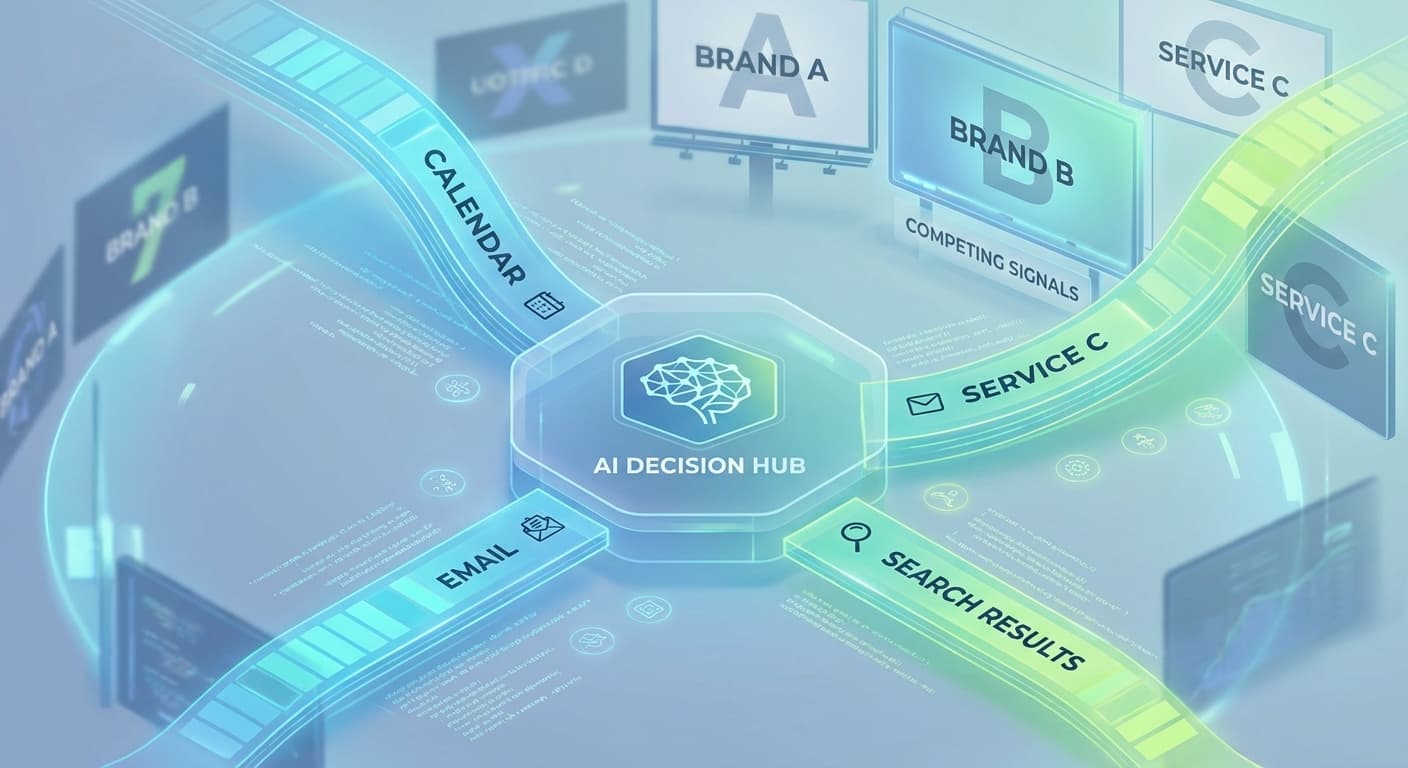
By early 2026, Google's AI Mode has fundamentally changed how users interact with search. Rather than simply providing information, AI agents now complete entire tasks—booking restaurants, scheduling meetings, making purchases, and coordinating complex workflows. But here's the challenge: these AI agents increasingly rely on personal data from users' calendars, emails, and private communications to make decisions, creating a personalization layer that brands can't directly access or influence.
This shift represents one of the most significant changes in digital marketing since the introduction of personalized search algorithms. When an AI agent helps a user plan a business trip, it might cross-reference their calendar availability, email preferences, past booking history, and even sentiment analysis from recent communications—all data points completely invisible to the hotels, airlines, and services competing for that booking.
The New Reality of AI-Powered Task Completion
Google's AI Mode, now processing over 2.8 billion task-completion queries monthly as of 2026, represents a fundamental shift from information retrieval to action execution. Unlike traditional search where users would research and then separately complete tasks, AI agents now handle end-to-end workflows.
Consider this evolution:
The AI agent now accesses the user's:
Why Traditional SEO Falls Short
Traditional search optimization focused on matching keywords and providing relevant information. But when AI agents make decisions based on personal context you can't see, your perfectly optimized content might never enter the consideration set.
For instance, your restaurant might rank #1 for "best Italian restaurant" but lose the booking because the AI agent knows from the user's email that they're trying to impress a client and your venue doesn't match their typical high-end preferences—information gleaned from years of Gmail data.
Understanding AI Agent Decision Architecture
To optimize for these handoffs, you need to understand how AI agents structure their decision-making process when personal data is involved.
The Three-Layer Decision Framework
Layer 1: Public Information Processing
This includes your website content, reviews, structured data, and publicly available information. This is where traditional SEO still matters.
Layer 2: Contextual Inference
The AI agent interprets public information through the lens of personal data. Your "family-friendly" restaurant description gets weighted differently for a user whose calendar shows a date night versus a family birthday party.
Layer 3: Task Execution
The agent completes the task using both public and private information, often making decisions you can't directly influence.
Strategies for Optimization Without Direct Data Access
1. Create Comprehensive Context Scenarios
Since you can't access personal data, create content that addresses multiple contextual scenarios. Instead of generic descriptions, provide rich, scenario-based information.
Instead of: "Great for dinner"
Optimize for: "Perfect for romantic date nights with intimate booth seating and soft lighting, family celebrations with spacious tables and kids' menu, or business dinners with private dining options and extensive wine list"
This approach helps AI agents match your content to various personal contexts without needing direct access to the user's calendar or email.
2. Implement Semantic Intent Mapping
Structure your content to anticipate the types of personal context clues AI agents might encounter:
3. Leverage Structured Data for Context Bridging
Expand your structured data markup to include contextual attributes that AI agents can map to personal signals:
{
"@type": "Restaurant",
"name": "Your Restaurant",
"servesCuisine": "Italian",
"amenityFeature": [
{
"@type": "LocationFeatureSpecification",
"name": "Business appropriate",
"value": true
},
{
"@type": "LocationFeatureSpecification",
"name": "Romantic atmosphere",
"value": true
}
]
}
4. Build Authority Through Cross-Platform Consistency
When AI agents can't access personal context directly, they rely more heavily on external validation signals. Ensure consistency across:
5. Optimize for Handoff Trigger Phrases
AI agents often use specific phrases when transitioning from information gathering to task completion. Optimize for these transition moments:
Ensure your content provides clear, actionable next steps that align with these handoff moments.
Advanced Optimization Techniques
Dynamic Content Adaptation
Develop content systems that can dynamically emphasize different aspects based on the query context:
Query Pattern Detection:
Conversational Content Architecture
Structure your content to mirror how AI agents communicate with users:
Align your content structure with these conversational patterns to improve citation likelihood.
Multi-Modal Optimization
As AI agents increasingly process images, videos, and audio alongside text, ensure your visual content supports personalized task completion:
Measuring Success in the Personal Data Era
New Metrics to Track
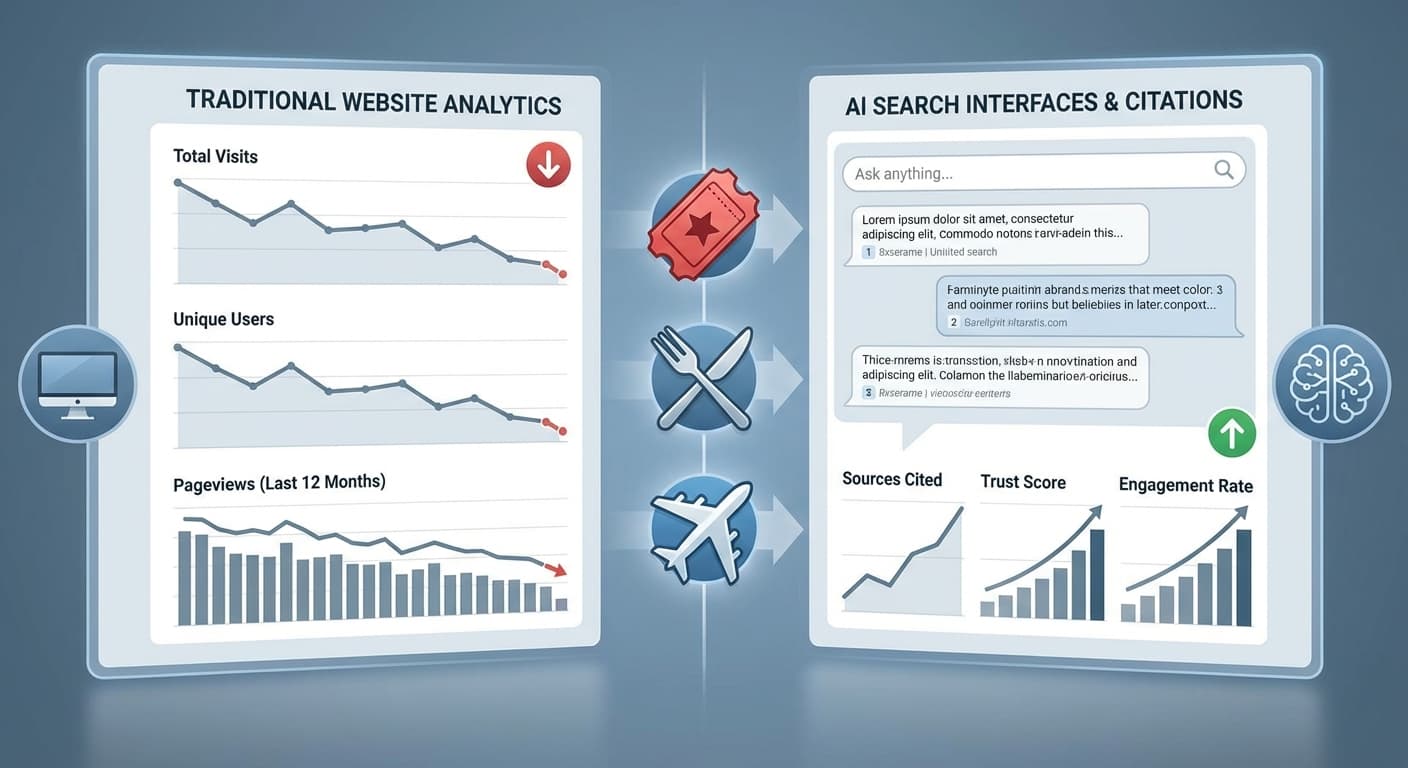
Traditional metrics like rankings and click-through rates become less relevant when AI agents complete tasks directly. Focus on:
Tools and Technologies
While you can't access personal data directly, you can optimize your content's ability to work with that data. Tools like Citescope Ai help analyze how well your content performs across different AI engines, providing insights into citation patterns and optimization opportunities.
How Citescope Ai Helps Navigate This Challenge
Citescope Ai's GEO Score specifically analyzes your content's readiness for AI agent handoffs by evaluating:
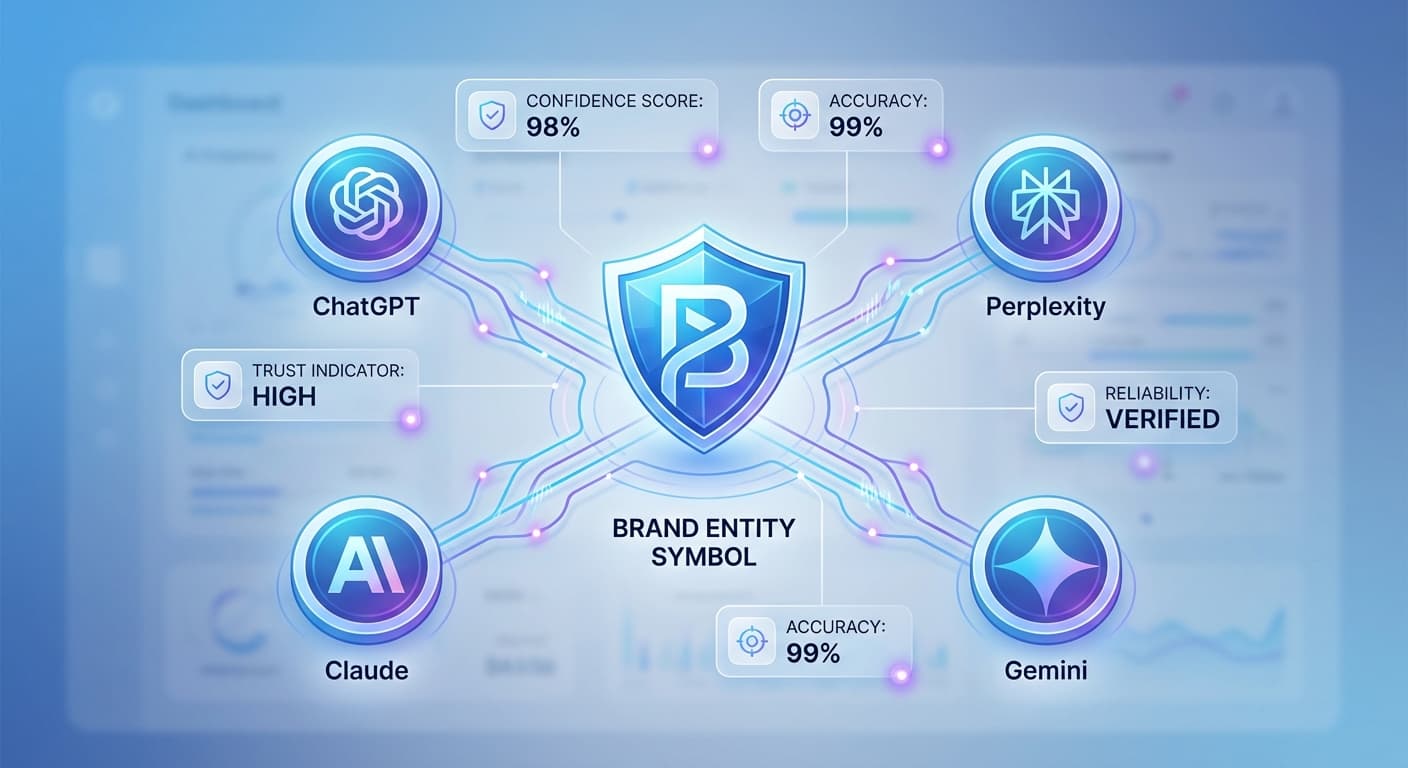
The platform's AI Rewriter optimizes content structure to improve citation likelihood across ChatGPT, Perplexity, Claude, and Gemini—the same engines powering many task-completion workflows.
Most importantly, the Citation Tracker helps you understand when and why your content gets selected for task completion, providing insights into successful optimization strategies even when you can't see the personal data influencing those decisions.
Future-Proofing Your Strategy
As AI agents become more sophisticated and personal data integration deepens, consider:
Privacy-First Optimization
Develop strategies that respect user privacy while maximizing relevance:
Cross-Platform Preparation
Ensure your optimization strategies work across multiple AI platforms:
Ethical Considerations
As you optimize for AI agent handoffs:
Ready to Optimize for AI Search?
Navigating AI agent task completion without access to personal data requires sophisticated content optimization strategies. Citescope Ai provides the tools and insights you need to optimize your content for citation in AI engines, track your performance, and improve your visibility in the age of personalized AI agents.
Start with our free tier to analyze your content's GEO Score and see how well it performs across major AI platforms. With AI search now accounting for over 35% of all queries in 2026, optimizing for AI agent handoffs isn't just an opportunity—it's essential for staying competitive.
Try Citescope Ai free today and start optimizing for the future of AI-powered search.