How to Optimize for AI Agents Making Autonomous Purchase Decisions in 2026
How to Optimize for AI Agents Making Autonomous Purchase Decisions in 2026
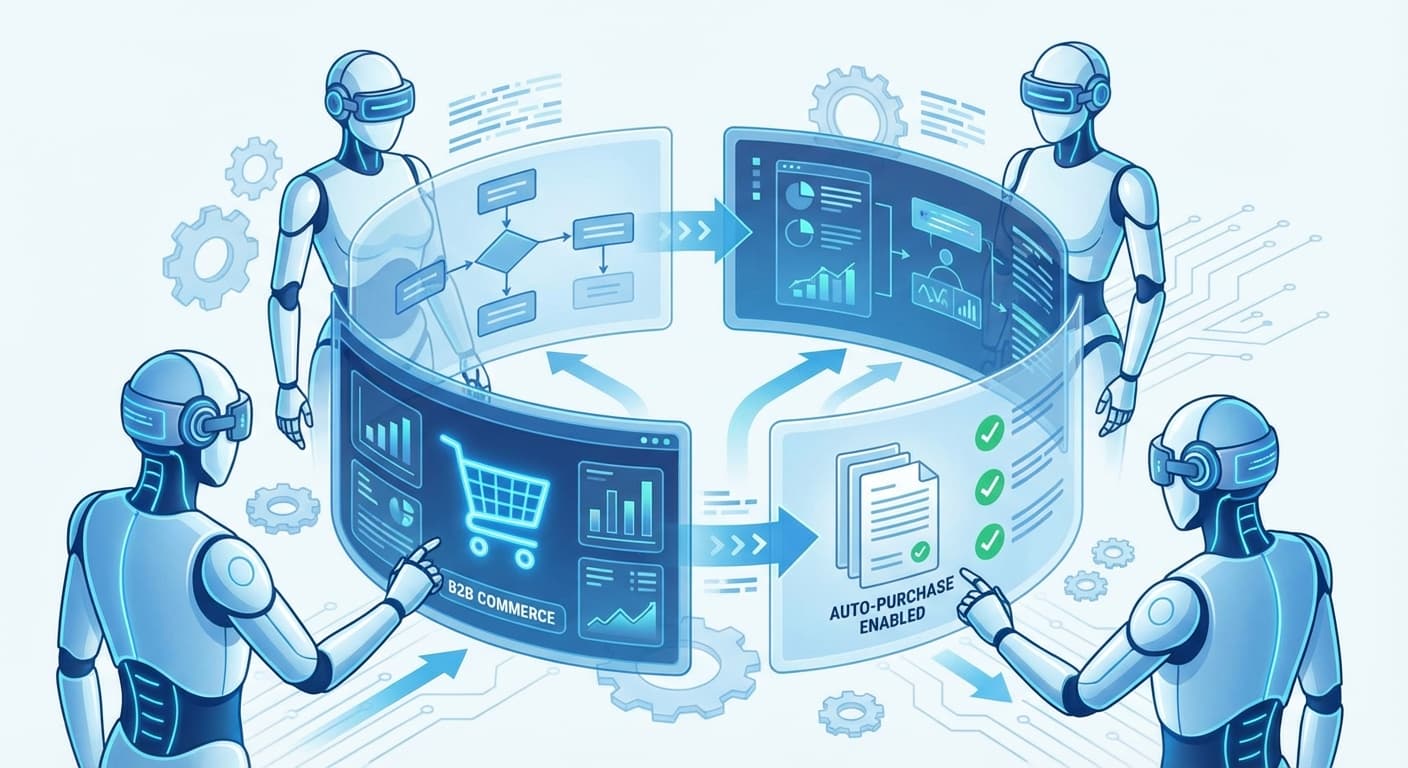
By 2026, over 40% of B2B purchasing research is now conducted by AI agents operating with minimal human oversight. These autonomous systems are making preliminary vendor selections, conducting price comparisons, and even executing routine purchases without traditional human intervention. For businesses, this represents both a massive opportunity and a critical blind spot.
The question isn't whether AI agents will influence your sales pipeline—it's whether your business is positioned to be discovered, evaluated, and selected by these increasingly sophisticated systems.
The Rise of Autonomous AI Purchasing Agents
The landscape has shifted dramatically since 2024. What started as AI-assisted research has evolved into fully autonomous agents capable of:
Major enterprise software platforms like Salesforce Einstein and Microsoft Viva Sales now include autonomous purchasing modules, while procurement AI tools have seen 300% growth in enterprise adoption over the past 18 months.
Why Traditional SEO Falls Short for AI Agent Optimization
AI agents don't browse websites the way humans do. They process information through APIs, structured data feeds, and AI-optimized content formats. Traditional SEO tactics like keyword stuffing or clickbait headlines actually work against you when targeting these systems.
Key Differences in AI Agent Behavior:
Essential Optimization Strategies for AI Agent Visibility
1. Implement Comprehensive Structured Data
AI agents rely heavily on structured data to understand your offerings. Beyond basic schema markup, implement:
Product Schema: Include detailed specifications, pricing, availability, and compatibility information
Organization Schema: Clearly define your business type, location, contact information, and certifications
Review Schema: Ensure customer reviews are properly marked up and easily parseable
FAQ Schema: Address common questions AI agents might ask during evaluation
2. Create AI-Readable Content Hierarchies
Structure your content to match how AI agents process information:
3. Optimize for Conversational Queries
AI agents often use natural language processing to evaluate vendors. Your content should answer questions like:
4. Build Citation-Worthy Authority
AI agents heavily weight authoritative sources when making recommendations. Focus on:
Industry Recognition: Highlight awards, certifications, and industry rankings
Customer Success Stories: Provide detailed case studies with measurable outcomes
Expert Content: Publish research, whitepapers, and thought leadership pieces
Third-Party Validation: Encourage customers to mention your solutions in their own content
Technical Implementation for AI Agent Optimization
API-First Content Strategy
Many AI agents access information through APIs rather than web scraping. Consider:
Semantic SEO Enhancement
Move beyond keyword optimization to semantic understanding:
Multi-Format Content Optimization
AI agents consume information in various formats. Ensure your key information is available as:
While implementing these strategies manually can be complex and time-consuming, tools like Citescope can analyze your content's AI readiness and automatically optimize it for better visibility across AI search engines and agents.
Measuring Success with AI Agent Interactions
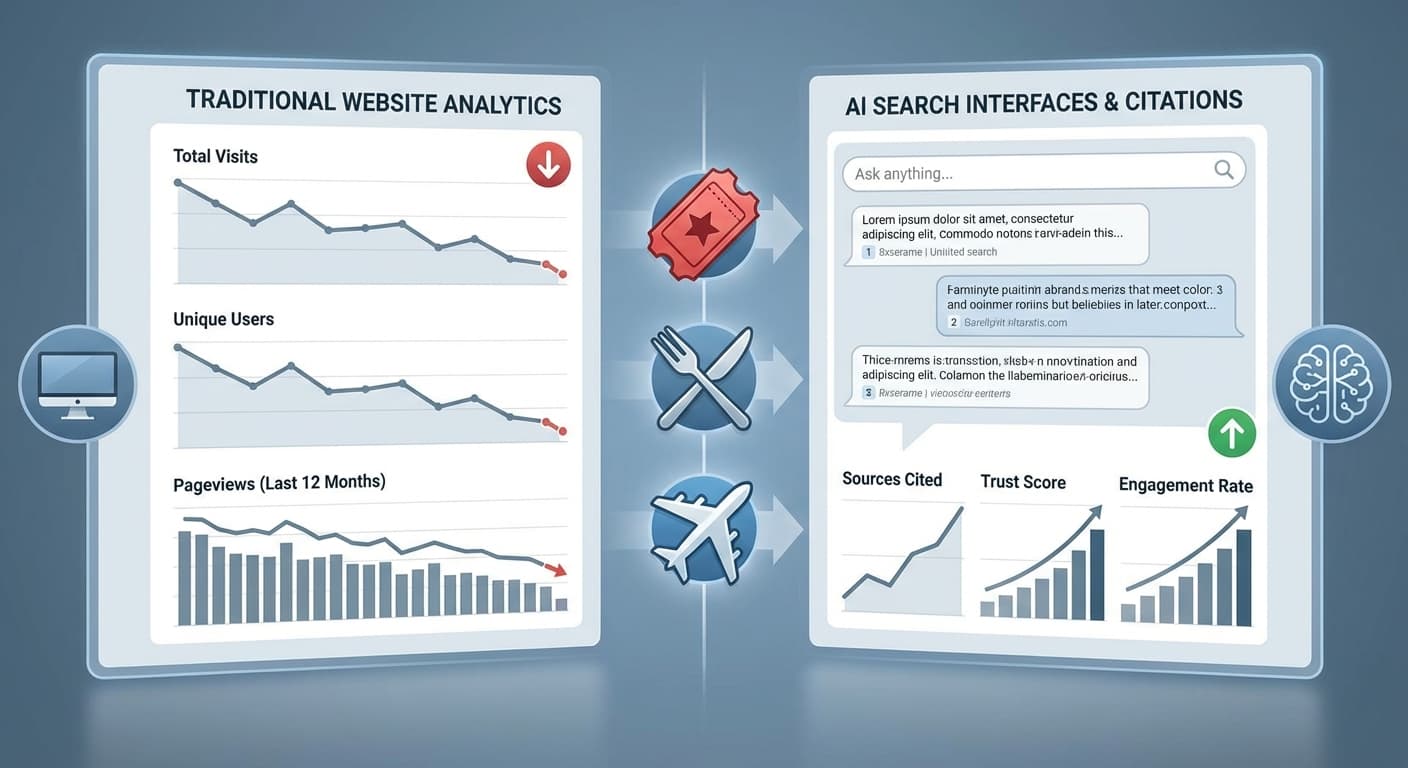
Traditional analytics won't capture AI agent activity. Instead, monitor:
Direct Indicators:
Indirect Indicators:
Industry-Specific Considerations
B2B Software and Services
Manufacturing and Industrial
Professional Services
The Competitive Advantage of Early Adoption
Businesses optimizing for AI agent visibility now are establishing a significant first-mover advantage. As more companies recognize this opportunity, competition for AI agent attention will intensify. Early adopters are already seeing:
How Citescope Helps Optimize for AI Agents
Citescope's GEO Score analyzes your content across five critical dimensions that directly impact AI agent visibility: AI Interpretability, Semantic Richness, Conversational Relevance, Structure, and Authority. The platform's AI Rewriter can automatically restructure your existing content to better match how AI agents process and evaluate information.
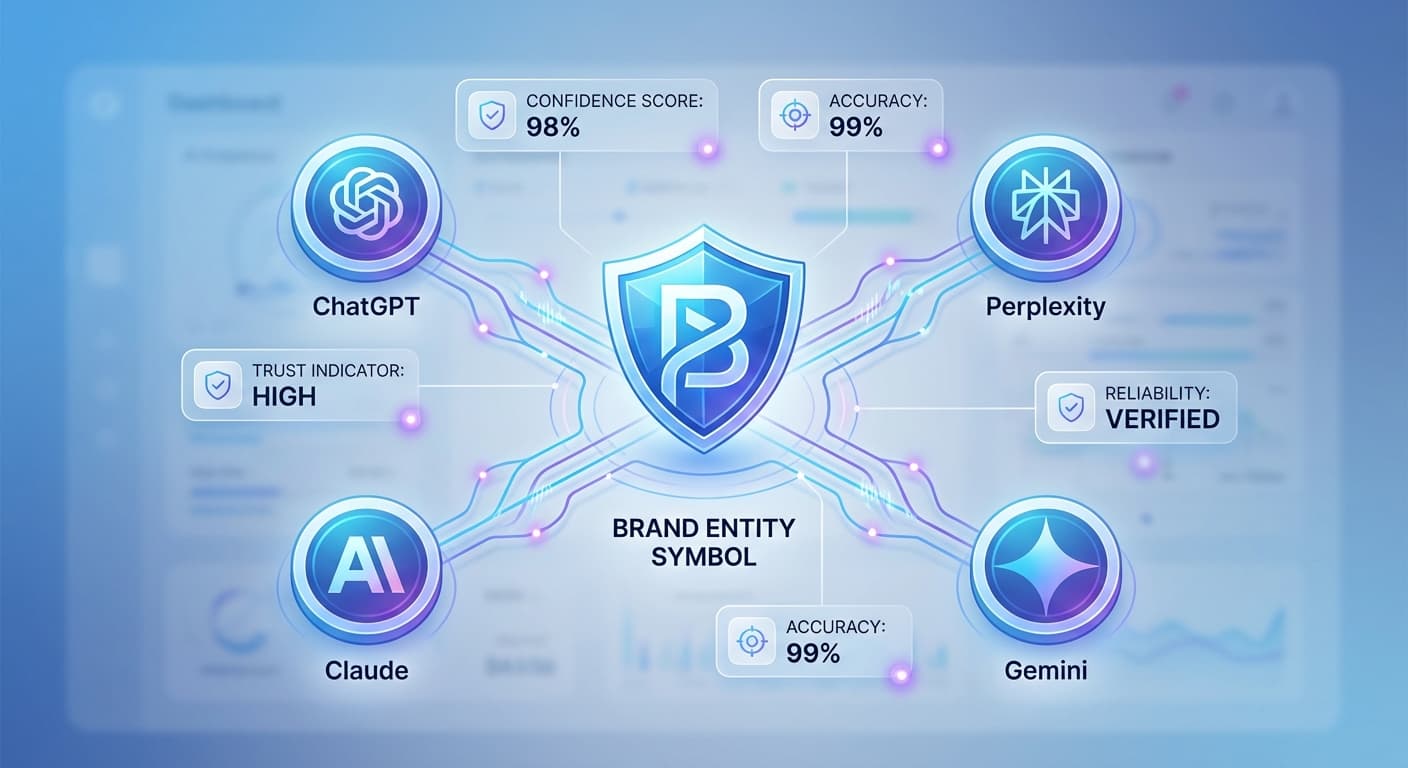
The Citation Tracker feature becomes particularly valuable when monitoring AI agent interactions, as it tracks when your content gets referenced by major AI systems like ChatGPT, Perplexity, Claude, and Gemini—giving you insights into which of your content assets are most effective at capturing AI attention.
Future-Proofing Your AI Agent Strategy
As AI agents become more sophisticated, expect to see:
Preparing for these developments now positions your business for continued success as autonomous purchasing becomes the norm rather than the exception.
Ready to Optimize for AI Search?
As AI agents increasingly influence purchasing decisions, businesses that optimize for these systems today will dominate tomorrow's marketplace. Citescope makes it simple to analyze, optimize, and track your content's performance across all major AI platforms. Start with our free tier and see how AI-optimized content can transform your visibility in the autonomous purchasing landscape. Try Citescope free today and position your business for the AI-driven future of B2B commerce.