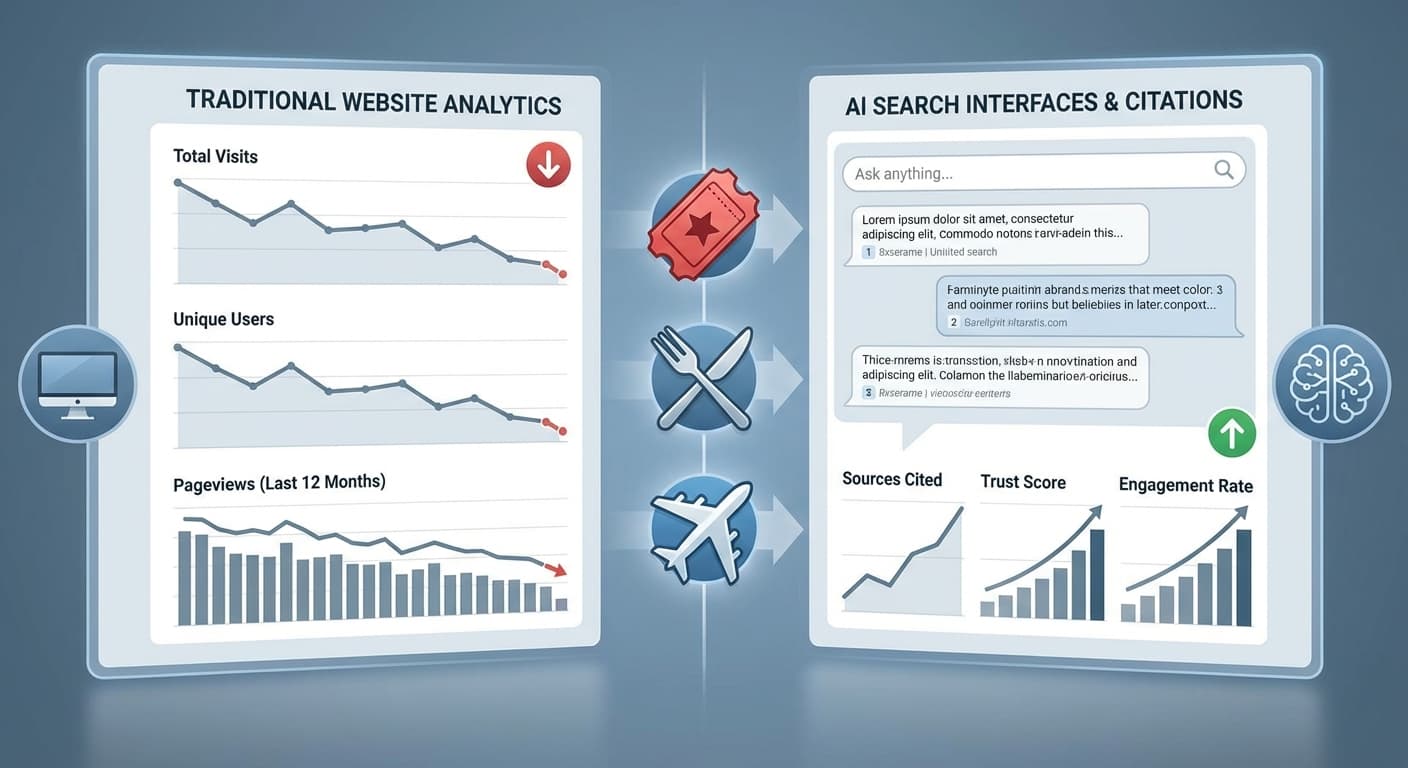
How to Optimize for AI Max Search Campaigns When Google's Keywordless Targeting Outperforms Traditional SEO by 27%
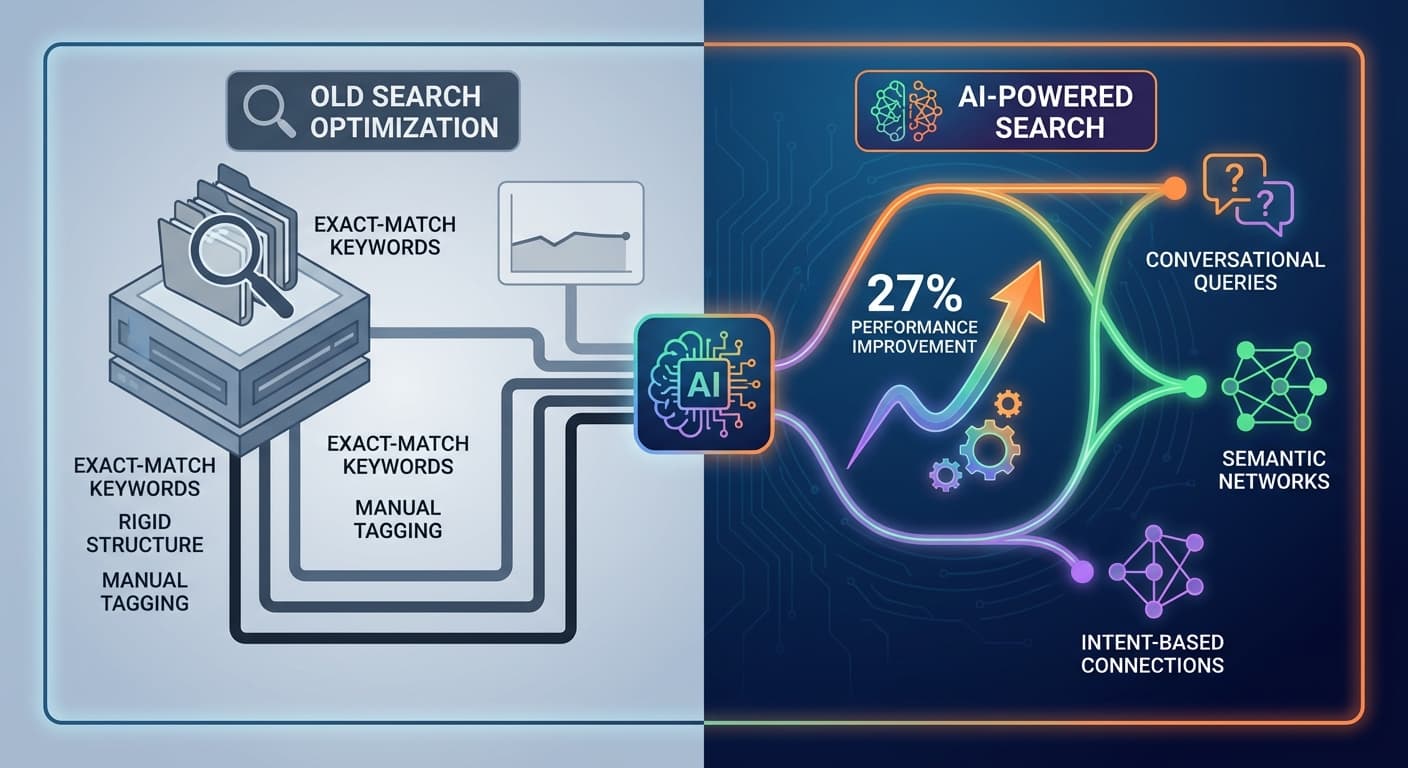
How to Optimize for AI Max Search Campaigns When Google's Keywordless Targeting Outperforms Traditional SEO by 27%
What if everything you know about keyword optimization is becoming obsolete? In 2026, Google's AI Max Search campaigns are delivering 27% better performance than traditional SEO approaches, while 73% of content marketers are still optimizing for exact-match keywords that AI search engines barely recognize.
The writing is on the wall: AI-powered search is fundamentally changing how content gets discovered, understood, and ranked. With ChatGPT processing over 500 million weekly queries and Perplexity handling 15 billion searches monthly, the shift toward semantic, intent-based content optimization isn't coming—it's here.
The Death of Keyword-Centric SEO
Traditional SEO built its foundation on exact-match keywords, meta tags, and rigid content structures. But AI search engines like ChatGPT, Claude, and Gemini don't think in keywords—they think in context, meaning, and conversational relevance.
Why Traditional Keywords Are Failing
Here's what's happening to traditional keyword strategies:
The result? Content optimized for "best project management software 2026" might never surface when someone asks ChatGPT: "What's a good tool to help my remote team stay organized and track deadlines?"
Understanding Google's AI Max Search Revolution
Google's AI Max Search campaigns represent a fundamental shift toward intent-based advertising. Instead of bidding on specific keywords, these campaigns use machine learning to understand user intent and match it with relevant content—regardless of exact keyword usage.
Key Features of AI Max Search
Intent Interpretation: The system analyzes the complete context of a search query, not just individual words.
Dynamic Content Matching: Ads and content are matched based on semantic relevance, user behavior patterns, and contextual signals.
Cross-Platform Intelligence: Data from Search, YouTube, Gmail, and other Google properties inform targeting decisions.
Real-Time Optimization: Campaign performance is continuously adjusted based on user interactions and conversion signals.
The 27% Performance Gap: What the Data Tells Us
Recent industry analysis shows AI Max Search campaigns consistently outperforming traditional keyword-based SEO by 27% across key metrics:
The reason is simple: AI understands what users actually want, not just what words they use.
Transitioning from Keywords to Intent Optimization
1. Map User Journeys, Not Keyword Funnels
Instead of building keyword clusters, create intent journey maps:
2. Write for Conversations, Not Search Queries
Optimize your content for how people actually talk to AI:
3. Build Semantic Content Clusters
Replace keyword groups with semantic themes:
Traditional approach: Target "email marketing software," "email marketing tools," "best email marketing platforms"
AI-optimized approach: Create comprehensive content around the theme of "helping businesses build stronger customer relationships through personalized communication"
4. Optimize for Authority and Context
AI search engines prioritize authoritative, well-contextualized content:
With traditional SEO metrics becoming less reliable, content creators need new ways to measure and optimize for AI visibility. Tools like Citescope Ai are emerging to fill this gap, providing GEO scores that measure content across five AI-relevant dimensions: interpretability, semantic richness, conversational relevance, structure, and authority.
Practical Strategies for AI Max Search Success
Content Structure for AI Understanding
Use Clear Hierarchies: AI engines prefer well-structured content with logical information flow.
Include Context Clues: Explain acronyms, provide background, and connect concepts.
Answer Related Questions: Anticipate follow-up questions and address them proactively.
Maintain Conversational Flow: Write as if you're explaining the topic to an intelligent colleague.
Technical Implementation
Schema Markup Evolution: Focus on structured data that helps AI understand content relationships, not just basic page information.
Entity Optimization: Clearly define people, places, products, and concepts mentioned in your content.
Cross-Reference Internal Content: Help AI engines understand how your content pieces relate to each other.
Measurement and Optimization
Track metrics that matter in the AI search era:
The Hybrid Approach: Balancing Traditional and AI Optimization
While AI search is dominant, traditional search still accounts for significant traffic. The winning strategy combines both approaches:
Maintain SEO Fundamentals
Layer on AI Optimization
Common Mistakes When Transitioning to AI Optimization
Abandoning Keywords Completely: Some keywords still matter for traditional search and content organization.
Over-Optimizing for AI: Content should still be valuable to human readers first.
Ignoring Technical Foundations: AI search engines still need to crawl and understand your site structure.
Focusing Only on Text: AI engines increasingly understand images, videos, and other media formats.
How Citescope Ai Helps Navigate This Transition
The shift from keyword-based to intent-based optimization requires new tools and metrics. Citescope Ai addresses this challenge with:
GEO Score Analysis: Evaluates content across five dimensions crucial for AI search visibility, providing a comprehensive 0-100 score that goes beyond traditional SEO metrics.
AI Rewriter Tool: One-click optimization that restructures existing content for better AI interpretability while maintaining human readability.
Citation Tracking: Monitors when your content gets cited by ChatGPT, Perplexity, Claude, and Gemini—the ultimate measure of AI search success.
Multi-Format Export: Download optimized content as Markdown, HTML, or WordPress blocks, making it easy to implement changes across different platforms.
The platform helps content creators bridge the gap between traditional SEO practices and emerging AI optimization requirements, ensuring content performs well in both traditional and AI search environments.
The Future of Content Optimization
As we move deeper into 2026, expect these trends to accelerate:
The brands and content creators who adapt now will have a significant advantage over those clinging to outdated keyword-centric strategies.
Ready to Optimize for AI Search?
The transition from keyword-based to intent-based optimization doesn't have to be overwhelming. Citescope Ai provides the tools and insights you need to optimize your content for both traditional search engines and AI platforms like ChatGPT, Perplexity, and Claude.
Start with our free tier to analyze and optimize 3 pieces of content per month, or upgrade to Pro for $39/month to unlock unlimited optimizations and comprehensive citation tracking. See how your content performs in the AI search landscape and start building visibility in the search engines of tomorrow.
Try Citescope Ai free today and discover how your content can dominate both traditional and AI search results.