How to Optimize for AI Search Model Reordering and Citation Stitching: The New Reality of Multi-Source AI Answers

How to Optimize for AI Search Model Reordering and Citation Stitching: The New Reality of Multi-Source AI Answers
When a user asks ChatGPT "What are the best marketing strategies for 2026?" the AI doesn't just pull from one source—it synthesizes information from dozens of articles, stitches together insights from multiple experts, and reorders content in ways that would make traditional SEO analysts dizzy. Here's the kicker: 73% of AI-generated answers now combine 5+ sources per response, yet most content creators have no idea which piece of their content actually influenced the final answer.
This isn't the predictable world of Google's blue links anymore. We're dealing with AI models that treat your content like ingredients in a recipe—mixing, matching, and reordering based on contextual relevance rather than simple keyword matching.
The Problem: Traditional Attribution Is Dead
In early 2026, we're witnessing a fundamental shift in how AI search engines like ChatGPT, Gemini, Claude, and Perplexity handle information synthesis. Unlike traditional search where you could track which specific page ranked for which query, AI models now:
The result? Content creators are flying blind. You might write a comprehensive 3,000-word guide on social media marketing, but only one paragraph about Instagram Reels gets cited—buried in an AI response that combines it with TikTok advice from another site and LinkedIn strategies from a third source.
Understanding AI Search Model Behavior in 2026
How Citation Stitching Actually Works
AI models don't think like search engines. When ChatGPT or Gemini encounters a complex query, they:
This means your content might get cited for reasons you never intended. A case study about email marketing might get referenced in an AI response about customer retention—because one paragraph mentioned long-term engagement strategies.
The Unpredictability Factor
With over 650 million weekly active users across major AI platforms, these models are processing billions of queries daily. Each response is contextually unique, meaning:
Strategies for Multi-Source Optimization
1. Create Modular, Self-Contained Content Blocks
Instead of writing long-form content that relies on sequential reading, structure your articles in modular blocks that can stand alone:
Before (Traditional Structure):
Introduction → Problem → Solution Steps 1-5 → Conclusion
After (AI-Optimized Structure):
Core Concept Block + Context
Strategy Block #1 + Implementation Details
Strategy Block #2 + Implementation Details
Results/Outcomes Block + Metrics
Each block should include sufficient context so it makes sense even when extracted and combined with other sources.
2. Optimize for Semantic Clustering
AI models group information by semantic meaning, not keyword density. Focus on:
3. Build Authority Through Depth and Specificity
While AI models combine multiple sources, they still weight authoritative, specific information more heavily:
4. Structure for Conversational Queries
With 68% of AI search queries now conversational, optimize for natural language patterns:
Tracking Multi-Source Citation Performance
The Challenge of Attribution
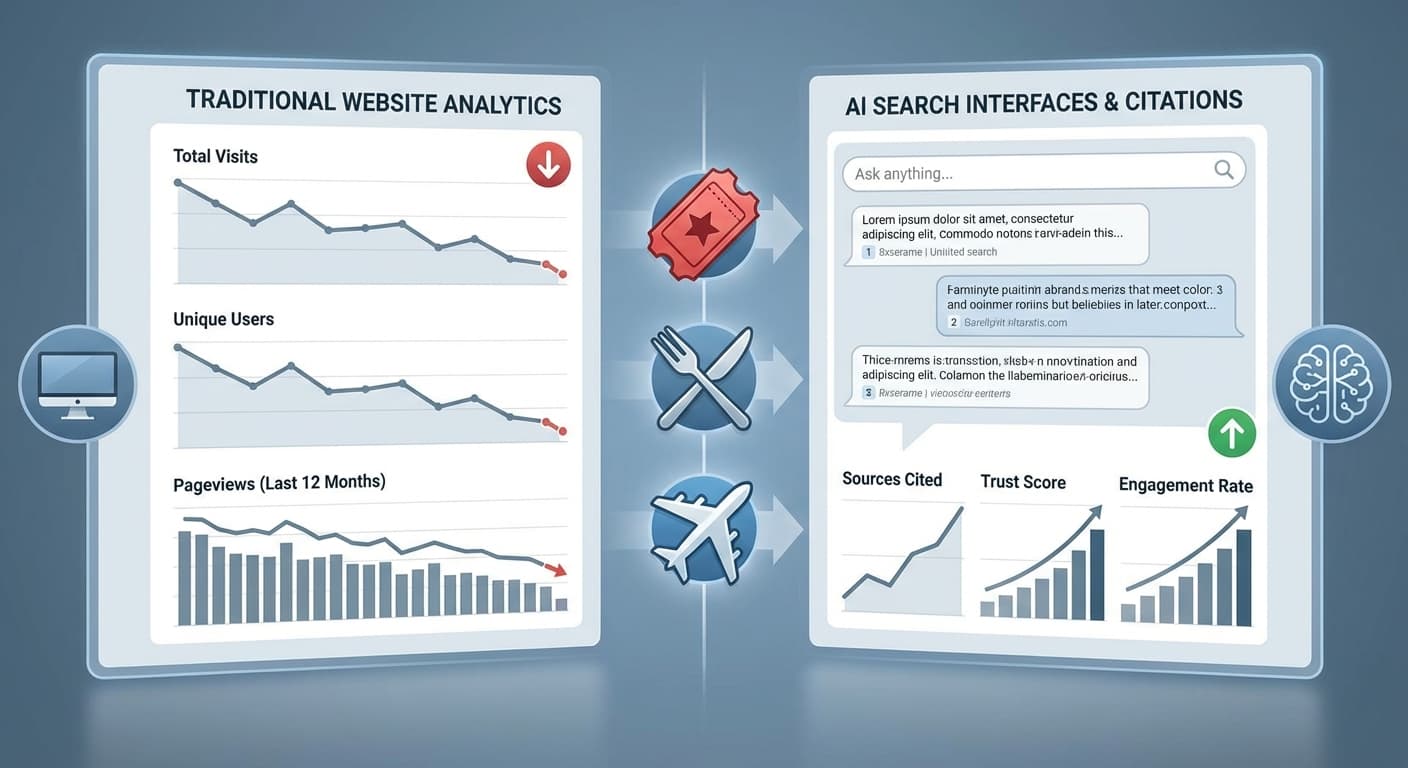
Traditional analytics can't tell you when your content gets woven into AI responses. You need specialized tracking that can:
Citescope Ai's Citation Tracker addresses exactly this challenge, monitoring when your content appears in ChatGPT, Perplexity, Claude, and Gemini responses—even when it's just one piece of a multi-source answer.
Key Metrics to Monitor
Advanced Optimization Techniques
Cross-Source Relationship Building
Since AI models love to combine complementary sources, create content that naturally pairs with others in your industry:
Temporal Optimization
AI models consider information freshness, but differently than traditional search:
Multi-Format Content Strategy
Different AI models prefer different content formats:
Create the same core information in multiple formats to maximize citation opportunities across platforms.
How Citescope Ai Helps Navigate Multi-Source Optimization
Navigating this complex landscape requires specialized tools designed for AI search reality. Citescope Ai provides:
GEO Score Analysis
Our proprietary algorithm evaluates your content across five critical dimensions that AI models prioritize:
AI Rewriter for Multi-Source Optimization
Our one-click optimization tool specifically restructures content for better performance in multi-source environments:
Citation Tracker Across Platforms
Monitor your content's performance across ChatGPT, Perplexity, Claude, and Gemini:
The Future of Multi-Source Attribution
As we move deeper into 2026, expect AI models to become even more sophisticated in their source synthesis. The models are getting better at:
Content creators who adapt to this reality now will have a significant advantage as AI search continues to grow its 30%+ share of all search queries.
Practical Implementation Steps
Ready to Optimize for AI Search?
The era of predictable, single-source attribution is over. Success in AI search requires understanding how models stitch together information from multiple sources—and optimizing your content accordingly. Citescope Ai provides the tools and insights you need to thrive in this new landscape, with specialized tracking, optimization, and analysis designed specifically for multi-source AI citation patterns. Start your free trial today and discover which pieces of your content are actually influencing AI responses.