How to Optimize for AI Search Semantic Clustering When Your Brand Gets Cited for Competitor Keywords and Loses Authority in Your Own Category
How to Optimize for AI Search Semantic Clustering When Your Brand Gets Cited for Competitor Keywords and Loses Authority in Your Own Category
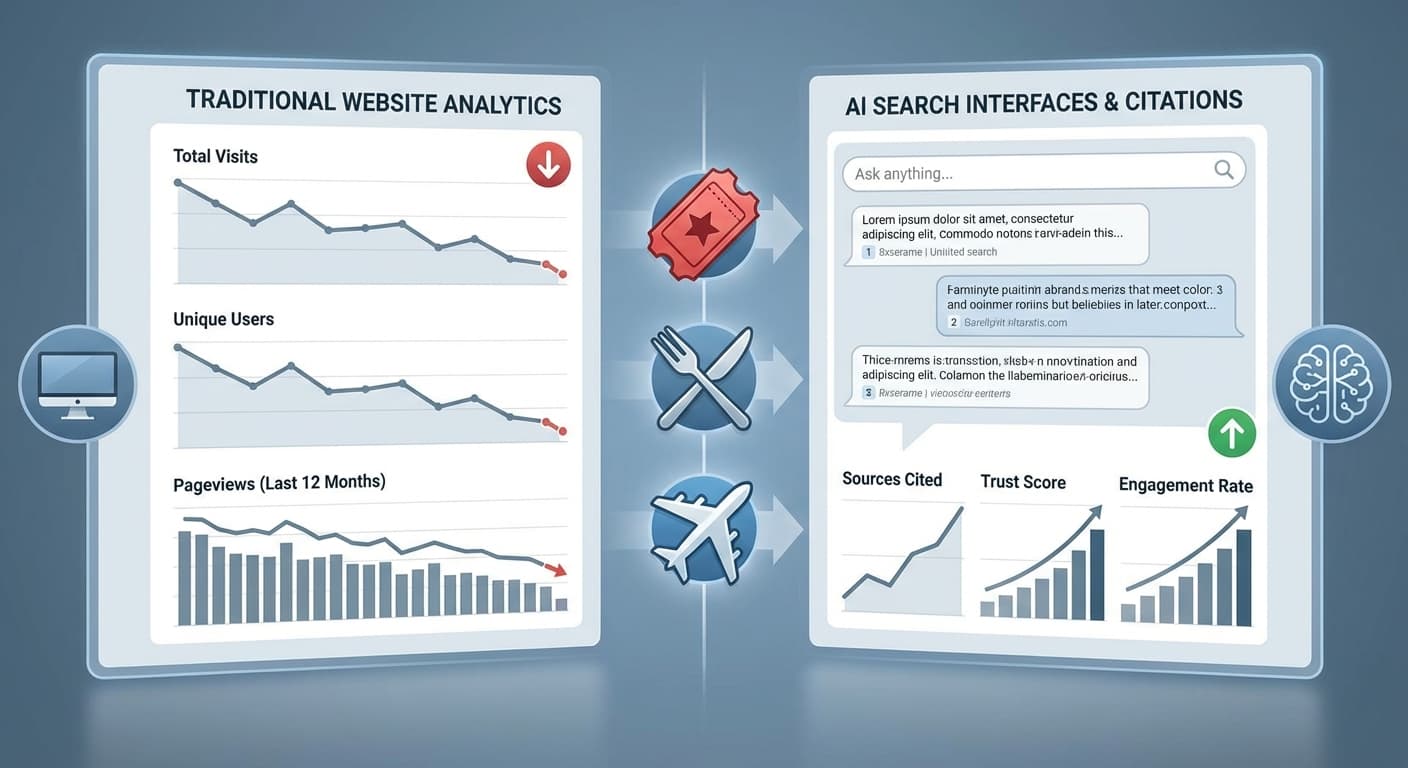
Imagine discovering that ChatGPT recommends your brand when users ask about your biggest competitor, but completely ignores you when they search for your primary service category. This semantic clustering confusion is becoming one of the most pressing challenges in 2026's AI search landscape, affecting over 40% of brands according to recent AI visibility studies.
As AI search engines now handle 35% of all online queries, with platforms like Perplexity seeing 200% growth year-over-year, understanding how these systems categorize and cluster your content has never been more critical. When AI models misclassify your brand's semantic territory, you're not just losing traffic—you're losing the authority you've spent years building.
The AI Search Semantic Clustering Problem
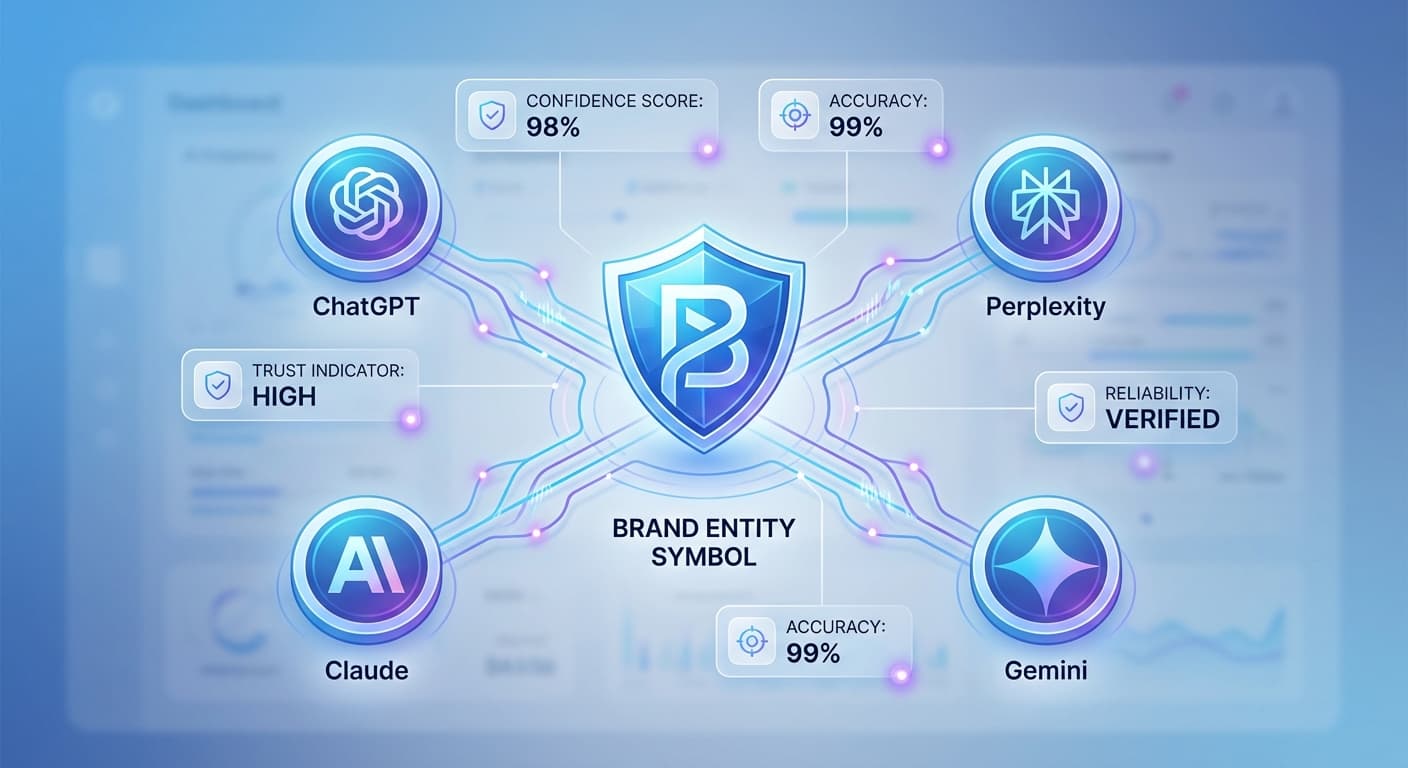
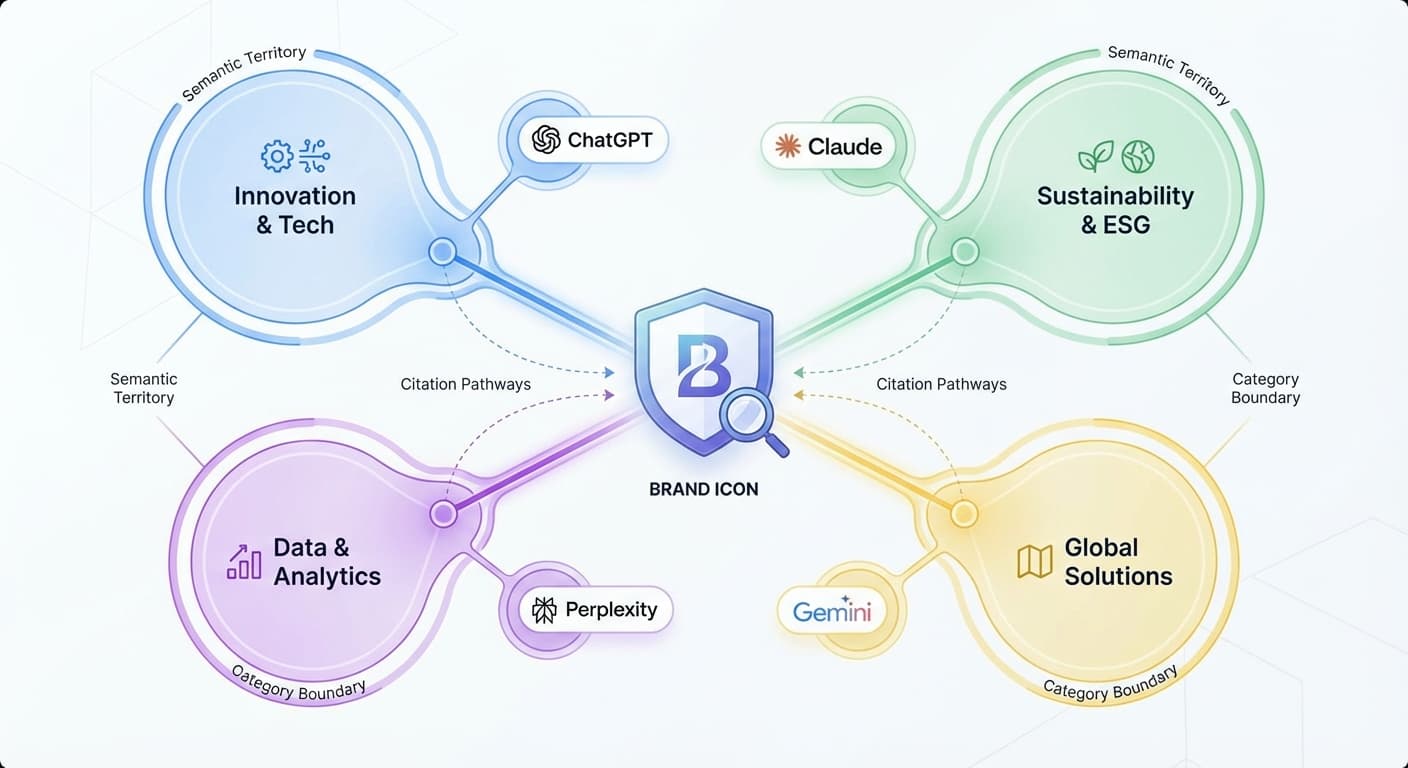
AI search engines like ChatGPT, Perplexity, Claude, and Gemini don't just match keywords—they understand context, relationships, and semantic meaning. This creates a complex web of associations that can work for or against your brand.
Why Semantic Misclassification Happens
Overlapping Content Themes: When your content discusses competitor features, industry comparisons, or shared use cases, AI models can create unintended associations between your brand and competitors' core territories.
Weak Brand Signal Strength: If your content doesn't consistently reinforce your primary value propositions and category positioning, AI systems may struggle to understand what you're actually known for.
Historical Citation Patterns: AI models learn from existing citations across the web. If legacy content or third-party articles have created incorrect associations, these patterns can perpetuate in AI responses.
Context Collapse: AI systems sometimes lose nuanced distinctions between "Brand A is similar to Brand B" and "Brand A is an alternative to Brand B," leading to category confusion.
The Authority Drain Effect
When AI search engines cite your brand for competitor keywords while ignoring you for your own category, several damaging effects compound:
Strategic Approaches to Reclaim Semantic Authority
1. Conduct a Semantic Audit
Before fixing the problem, you need to understand its scope. Query AI search engines directly with:
Document when your brand appears, disappears, or gets mischaracterized. This baseline helps measure improvement over time.
2. Strengthen Your Core Category Signals
Create Category-Defining Content: Develop comprehensive resources that position your brand as the authority in your primary category. Think ultimate guides, industry reports, and definitive comparisons where you're clearly the leader.
Amplify Unique Value Props: Consistently emphasize what makes your brand distinct from competitors across all content. AI systems need clear, repeated signals about your unique positioning.
Use Semantic Reinforcement: When mentioning competitors, always frame the discussion in ways that reinforce your category authority. Instead of "We're similar to Competitor X," try "While Competitor X focuses on [their strength], we lead the market in [your strength]."
3. Optimize Content Architecture for AI Understanding
Structured Data Implementation: Use schema markup and structured headings to help AI systems understand your content hierarchy and category relationships.
Consistent Terminology: Develop a brand lexicon and use it consistently. AI models pick up on repeated language patterns to understand your domain expertise.
Internal Linking Strategy: Create clear content pathways that reinforce your category authority through strategic internal linking between related topics.
4. Build Authoritative Context Clusters
Instead of scattered content pieces, create comprehensive topic clusters around your core categories:
5. Monitor and Adjust Citation Patterns
AI search optimization isn't a set-it-and-forget-it strategy. Regular monitoring helps you:
This monitoring reveals patterns that aren't visible through traditional SEO tools, showing exactly how AI systems interpret and cite your content.
Advanced Techniques for Semantic Recovery
Content Reframing
When you must discuss competitors or adjacent topics, use framing techniques that maintain your authority:
The Expert Commentary Approach: Position competitor discussions as industry analysis from your expert perspective rather than direct comparisons.
The Category Evolution Frame: Discuss how your brand is pushing the category forward, with competitors representing earlier approaches.
The Solution Spectrum Frame: Present your offering as the comprehensive solution, with others addressing only partial needs.
Semantic Keyword Optimization
Move beyond traditional keyword targeting to semantic optimization:
How Citescope Ai Helps Solve Semantic Clustering Issues
Addressing semantic clustering problems requires sophisticated analysis and optimization that goes beyond traditional SEO tools. Citescope Ai's GEO Score analyzes your content across five critical dimensions—AI Interpretability, Semantic Richness, Conversational Relevance, Structure, and Authority—providing a comprehensive view of how AI systems understand your brand positioning.
The platform's Citation Tracker monitors exactly how ChatGPT, Perplexity, Claude, and Gemini cite your content, revealing semantic clustering patterns in real-time. When you discover your brand is being cited for competitor keywords while missing from your own category searches, you can use the AI Rewriter to restructure content for better semantic clarity and category authority.
The GEO Score helps identify specific weaknesses in how AI systems interpret your content, whether that's insufficient semantic richness around your core categories or structural issues that confuse AI understanding. With one-click optimization, you can transform confusing content into clear category signals that help AI engines properly position your brand.
Measuring Semantic Recovery Success
Key Metrics to Track
Citation Accuracy Rate: Percentage of AI citations that correctly associate your brand with your primary categories versus competitor categories.
Category Query Coverage: How often your brand appears in AI responses for your core category searches.
Semantic Drift Score: Measure how far AI-generated brand descriptions stray from your intended positioning.
Competitive Displacement: Track when your optimization efforts result in reduced competitor citations in your category space.
Timeline Expectations
Semantic clustering changes don't happen overnight. Expect:
Common Pitfalls to Avoid
Over-Optimization: Don't stuff content with category keywords. AI systems recognize and penalize obvious keyword manipulation.
Competitor Obsession: While addressing competitive positioning is important, don't let it overshadow your unique value proposition.
Inconsistent Messaging: Mixed signals across different content pieces confuse AI systems. Maintain consistent category messaging.
Neglecting Long-Tail Semantics: Focus on the complete semantic field around your categories, not just primary keywords.
Ready to Optimize for AI Search?
Reclaiming semantic authority in AI search requires sophisticated analysis, strategic content optimization, and continuous monitoring—capabilities that traditional SEO tools simply can't provide. Citescope Ai gives you the comprehensive insights and one-click optimization power needed to fix semantic clustering issues and strengthen your category authority.
Start with our free tier to analyze how AI systems currently understand your brand positioning. Get 3 content optimizations per month to begin addressing semantic clustering problems, or upgrade to Pro for unlimited optimizations and complete citation tracking across all major AI search engines.
Try Citescope Ai free today and take control of how AI search engines position your brand in the marketplace.