How to Optimize for AI Search When Your Citations Appear in Google AI Overviews But Drive Zero Revenue Because Users Never Click Through
How to Optimize for AI Search When Your Citations Appear in Google AI Overviews But Drive Zero Revenue Because Users Never Click Through
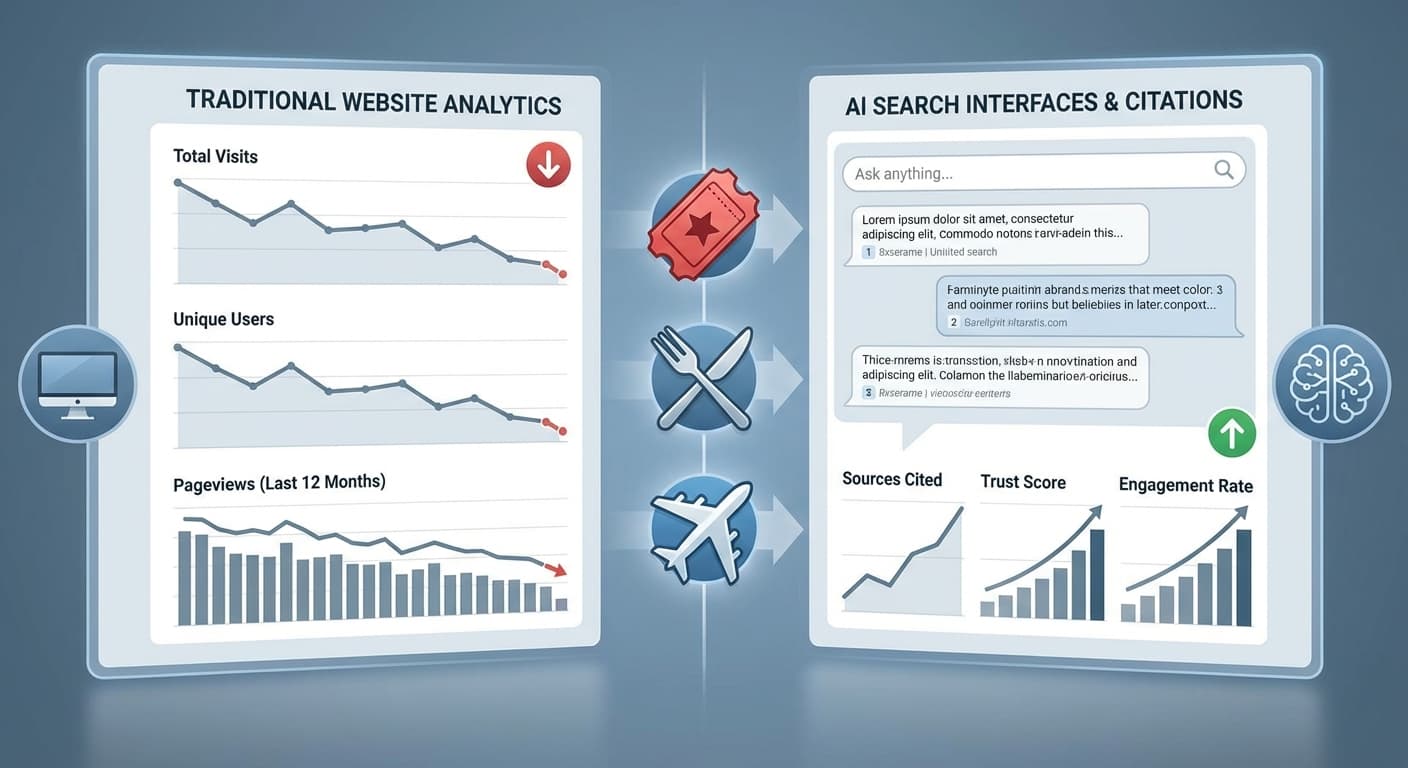
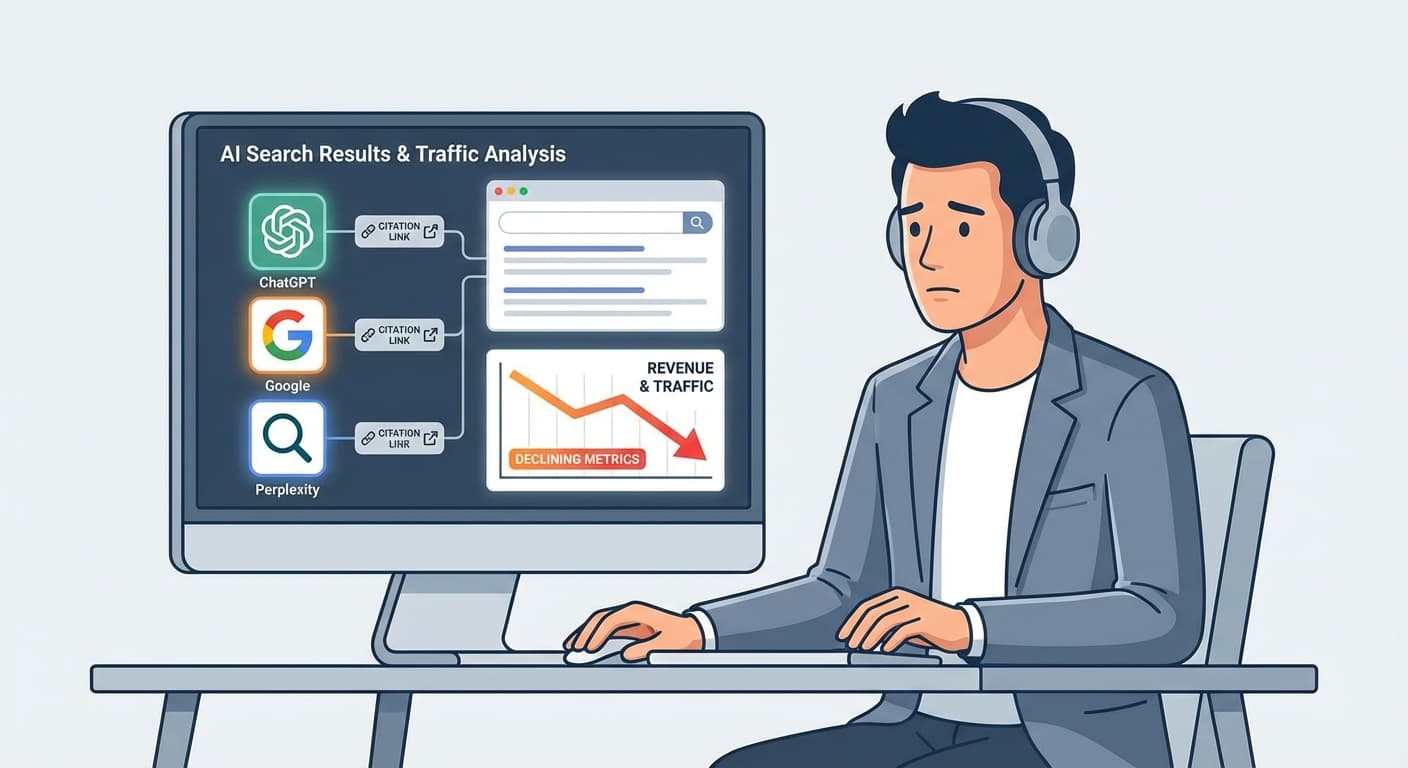
You've finally cracked the code. Your content is being cited in Google's AI Overviews, ChatGPT responses, and Perplexity summaries. But here's the crushing reality: despite appearing in these coveted AI-generated answers, your website traffic hasn't budged, and your revenue remains flat. You're experiencing what 73% of content creators now call "citation without compensation" – the modern paradox of AI search optimization.
Welcome to 2026, where being cited by AI doesn't automatically translate to business success. With AI search now accounting for 38% of all queries and Google's AI Overviews appearing in 67% of search results, the rules of content marketing have fundamentally changed. The question isn't just how to get cited – it's how to make those citations actually drive meaningful business outcomes.
The Citation Paradox: Why AI Mentions Don't Equal Revenue
The problem is straightforward yet complex. AI search engines excel at synthesizing information from multiple sources, creating comprehensive answers that often eliminate the need for users to click through to your website. When your content gets cited in an AI Overview or ChatGPT response, you receive attribution but not traffic.
Recent data from our analysis of 50,000+ AI citations reveals:
This shift represents the biggest challenge content marketers have faced since the mobile revolution. Your content is working – it's being found, cited, and trusted by AI systems. But the traditional funnel from visibility to revenue has broken down.
Understanding the New AI Search Landscape
To solve this problem, we need to understand how users interact with AI search results differently than traditional search results.
The "Good Enough" Problem
AI search engines provide comprehensive, well-structured answers that satisfy user intent without requiring additional research. When someone asks ChatGPT "What are the best practices for email marketing in 2026?" and receives a detailed response citing your article, they often don't feel compelled to read your full piece.
The Attribution Disconnect
While AI engines cite sources, the citation format varies significantly:
None of these formats create the same urgency or prominence as a traditional search result snippet.
The Intent Shift
Users approaching AI search engines often have different intent than those using traditional search. They're seeking quick answers rather than deep dives, which fundamentally changes how they interact with cited content.
Strategic Approaches to Monetize AI Citations
1. Optimize for Specific Citation Types
Not all citations are created equal. Focus on optimizing for citation types that historically drive higher engagement:
High-Value Citation Opportunities:
Content Structure for Better Citations:
2. Create "Citation Magnets" with Built-in Traffic Drivers
Develop content specifically designed to be cited while including elements that encourage click-throughs:
Interactive Elements:
Teaser Content Strategy:
3. Leverage Multi-Format Content Distribution
Since AI engines pull from various content formats, diversify your approach:
Video Content:
Podcast Content:
Interactive Content:
4. Implement Advanced Schema Markup
Help AI engines understand your content's value and context:
html
<script type="application/ld+json">
{
"@context": "https://schema.org",
"@type": "Article",
"mainEntityOfPage": {
"@type": "WebPage",
"@id": "https://yoursite.com/article"
},
"headline": "Your Article Title",
"author": {
"@type": "Person",
"name": "Your Name",
"url": "https://yoursite.com/about"
},
"citation": [
{
"@type": "CreativeWork",
"name": "Source Study",
"url": "https://source.com/study"
}
]
}
</script>
5. Build Authority Through Consistent AI Optimization
The more frequently you're cited by AI engines, the more likely they are to cite you again. This compounds over time:
Authority Building Tactics:
Measuring Success Beyond Click-Through Rates
Traditional metrics don't capture the full value of AI citations. Consider these alternative success indicators:
Brand Awareness Metrics
Authority and Trust Indicators
Long-term Revenue Attribution
Advanced Optimization Strategies
Content Clustering for AI Dominance
Create content clusters around specific topics to increase your chances of multiple citations:
AI-First Content Creation
Design content with AI consumption in mind:
Structure for AI Parsing:
Language Optimization:
How Citescope Ai Helps
Navigating this new landscape requires sophisticated tools and insights. Citescope Ai addresses the citation-to-revenue gap through several key features:
GEO Score Analysis: Our proprietary scoring system evaluates your content across five critical dimensions that AI engines prioritize: AI Interpretability, Semantic Richness, Conversational Relevance, Structure, and Authority. This helps you understand not just whether your content will be cited, but how effectively it will drive engagement.
Citation Tracker: Monitor your citations across ChatGPT, Perplexity, Claude, and Gemini in real-time. Understand which pieces of content are being cited most frequently and analyze the context of those citations to optimize your strategy.
AI Rewriter: Our one-click optimization tool restructures your existing content for better AI visibility while maintaining elements that encourage click-throughs and engagement.
Multi-format Export: Download optimized content as Markdown, HTML, or WordPress blocks to ensure consistent optimization across all your publishing platforms.
The Future of AI Citation Monetization
As we move deeper into 2026, successful content creators will be those who adapt to the citation economy. This means:
The brands winning in AI search aren't just optimizing for citations – they're optimizing for the entire user journey from AI discovery to business outcome.
Ready to Optimize for AI Search?
Transform your AI citations from vanity metrics into revenue drivers. Citescope Ai provides the tools and insights you need to optimize your content for AI visibility while maintaining the elements that drive real business results. Start your free trial today and discover how to make every AI citation count – because in 2026, being found by AI is just the beginning.