How to Optimize for AI Traffic Attribution When Your Website Impressions Are Up 200% But Your Analytics Show Zero Revenue Impact from AI Search Platforms
How to Optimize for AI Traffic Attribution When Your Website Impressions Are Up 200% But Your Analytics Show Zero Revenue Impact from AI Search Platforms
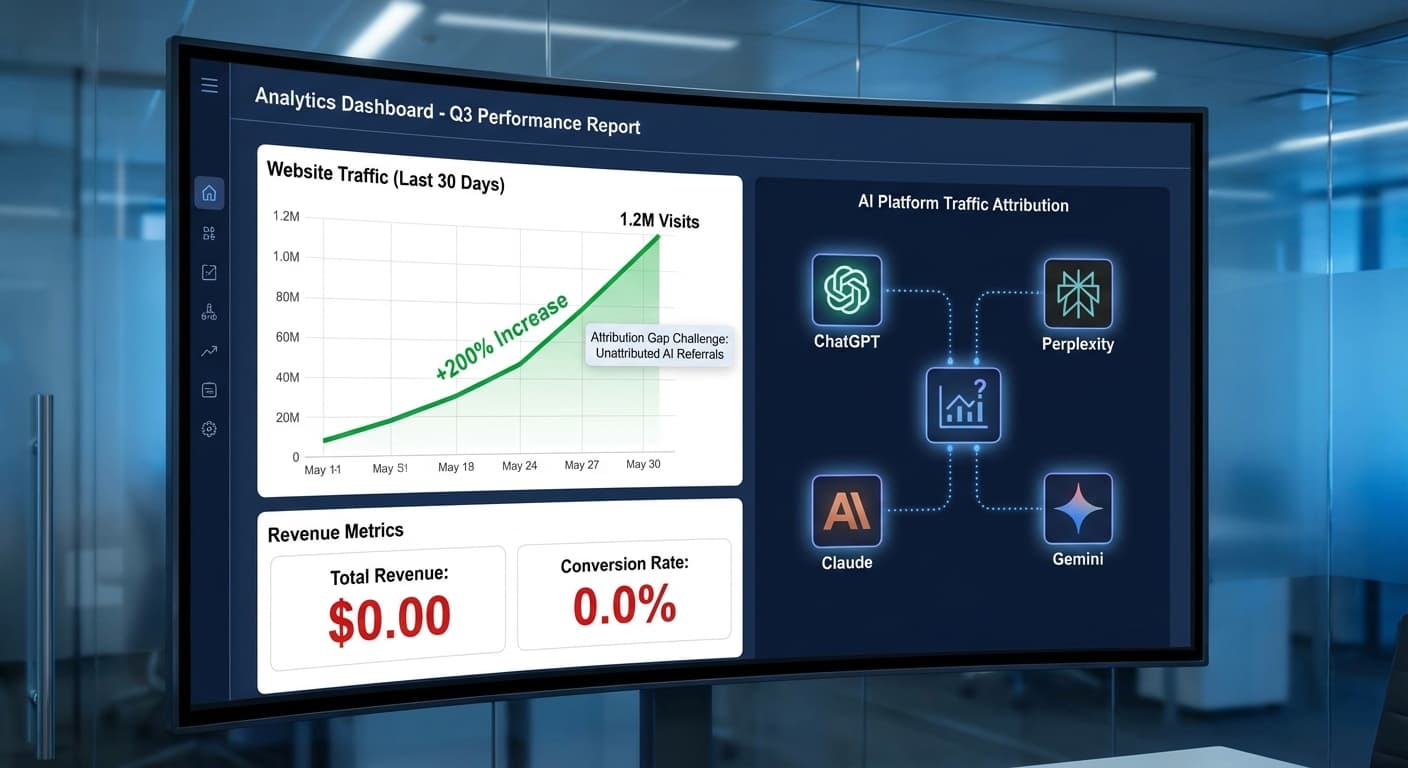
You've noticed something strange in your analytics dashboard: website impressions have skyrocketed by 200% over the past year, but your revenue attribution from AI search platforms remains stubbornly at zero. If this sounds familiar, you're not alone. With AI search now accounting for over 35% of all search queries in 2026, content creators are facing a critical attribution gap that's masking the true impact of their AI optimization efforts.
The Hidden AI Traffic Attribution Problem
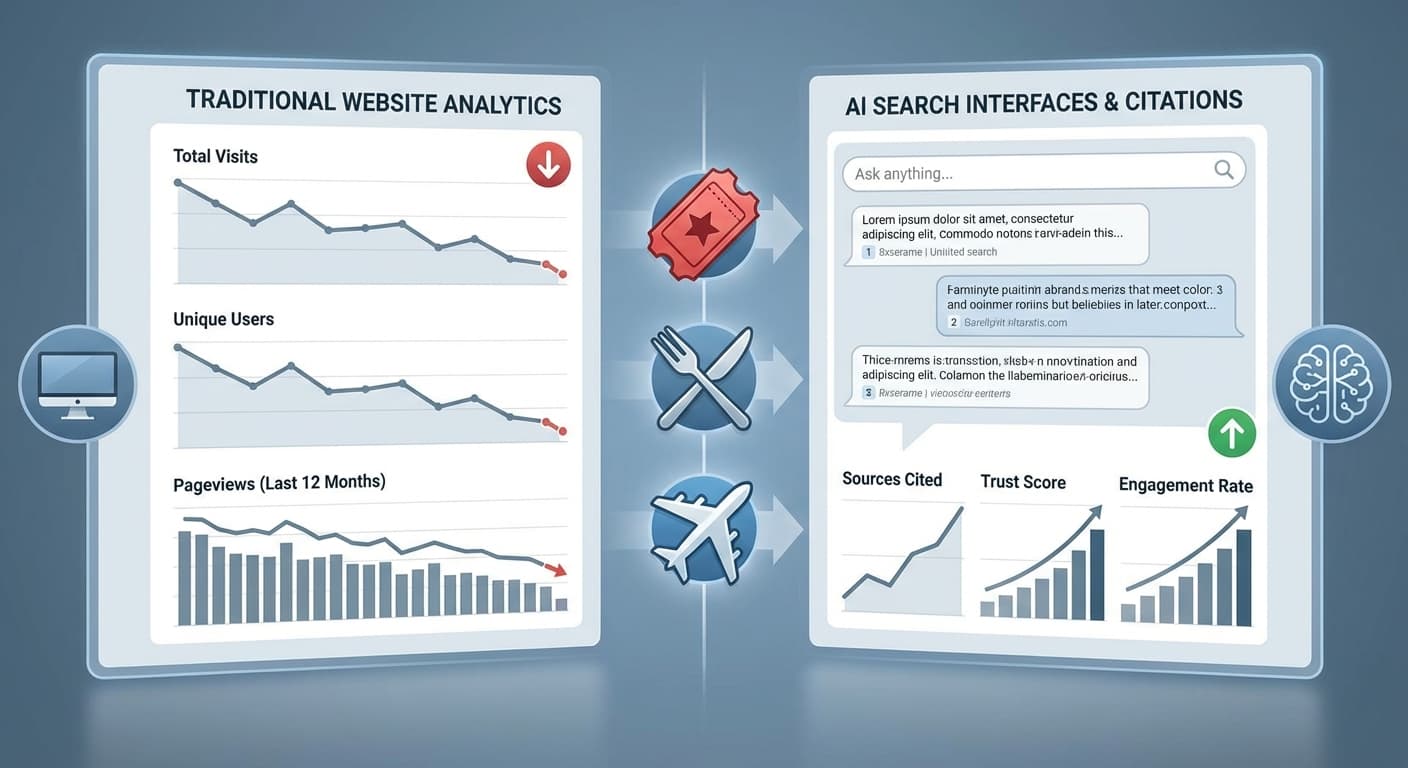
The challenge is real and widespread. While traditional search engines like Google provide clear referral data through tools like Google Analytics, AI search platforms operate differently. When ChatGPT, Perplexity, Claude, or Gemini cite your content, users often don't click through to your site immediately—they consume the information within the AI interface first.
This creates what industry experts are calling "invisible influence"—your content is being consumed and driving decisions, but your analytics can't track it properly. According to recent studies, 73% of businesses using AI-optimized content report significant traffic increases but struggle to attribute conversions back to AI search platforms.
Why Traditional Analytics Fall Short with AI Traffic
The Referral Data Gap
Unlike traditional search engines, AI platforms don't always pass clean referral data. When users do click through after interacting with AI-generated responses, the traffic often appears as:
This makes it nearly impossible to understand which AI-optimized content pieces are actually driving valuable traffic and conversions.
The Multi-Touch Attribution Challenge
AI search behavior follows a different pattern than traditional search:
This extended, multi-touch journey makes attribution extremely difficult with standard tracking methods.
7 Strategies to Fix Your AI Traffic Attribution
1. Implement UTM Parameter Systems for AI Content
Create specific UTM parameters for content optimized for AI search:
utm_source=ai-searchutm_medium=citationutm_campaign=ai-optimization-2026When your content gets cited, these parameters help identify AI-driven traffic even when referral data is incomplete.
2. Set Up AI-Specific Conversion Funnels
Create separate conversion funnels in Google Analytics 4 that account for AI search behavior patterns:
3. Use Advanced Attribution Models
Move beyond last-click attribution. Implement:
4. Monitor Brand Search Volume Increases
Track branded search terms in tools like SEMrush or Ahrefs. Often, AI citations lead to increased brand awareness, which manifests as:
These indirect indicators help quantify AI impact even when direct attribution fails.
5. Implement Cross-Device Tracking
AI users often switch devices during their journey. Use:
6. Create AI-Specific Landing Pages
Develop landing pages specifically for AI-driven traffic:
7. Survey Your Audience
Implement post-conversion surveys asking:
This qualitative data fills attribution gaps that analytics can't capture.
Advanced Tracking Techniques for 2026
Server-Side Tracking Integration
With third-party cookies phasing out, server-side tracking becomes crucial for AI attribution:
AI Citation Monitoring Tools
Use specialized tools to track when and where your content gets cited:
Tools like Citescope Ai's Citation Tracker can automatically monitor these mentions across all major AI platforms, giving you visibility into when your optimized content is being referenced.
Enhanced Customer Journey Mapping
Develop AI-aware customer journey maps that include:
The Revenue Impact You're Missing
Many businesses underestimate AI search impact because they can't measure it properly. Consider these hidden revenue drivers:
How Citescope Ai Helps
While fixing attribution challenges requires multiple approaches, having the right content optimization foundation is crucial. Citescope Ai addresses this by:
By combining proper content optimization with robust attribution tracking, you can finally connect your AI search efforts to real business outcomes.
Measuring Success Beyond Direct Attribution
Key Performance Indicators for AI Impact
Track these metrics to understand AI search influence:
Direct Metrics:
Indirect Metrics:
Leading Indicators:
Ready to Optimize for AI Search?
The AI attribution challenge is complex, but solvable. By implementing proper tracking systems, optimizing your content for AI visibility, and using the right tools to monitor your performance, you can finally connect your AI search efforts to real business results.
Citescope Ai helps bridge this gap by ensuring your content gets maximum visibility in AI search results while providing the citation tracking you need to measure impact. Start with our free tier and optimize 3 pieces of content to see how AI-optimized content performs differently in your attribution models.