How to Optimize for Google AI Mode Query Fan-Out: Mastering Complex Search Sub-Queries
How to Optimize for Google AI Mode Query Fan-Out: Mastering Complex Search Sub-Queries
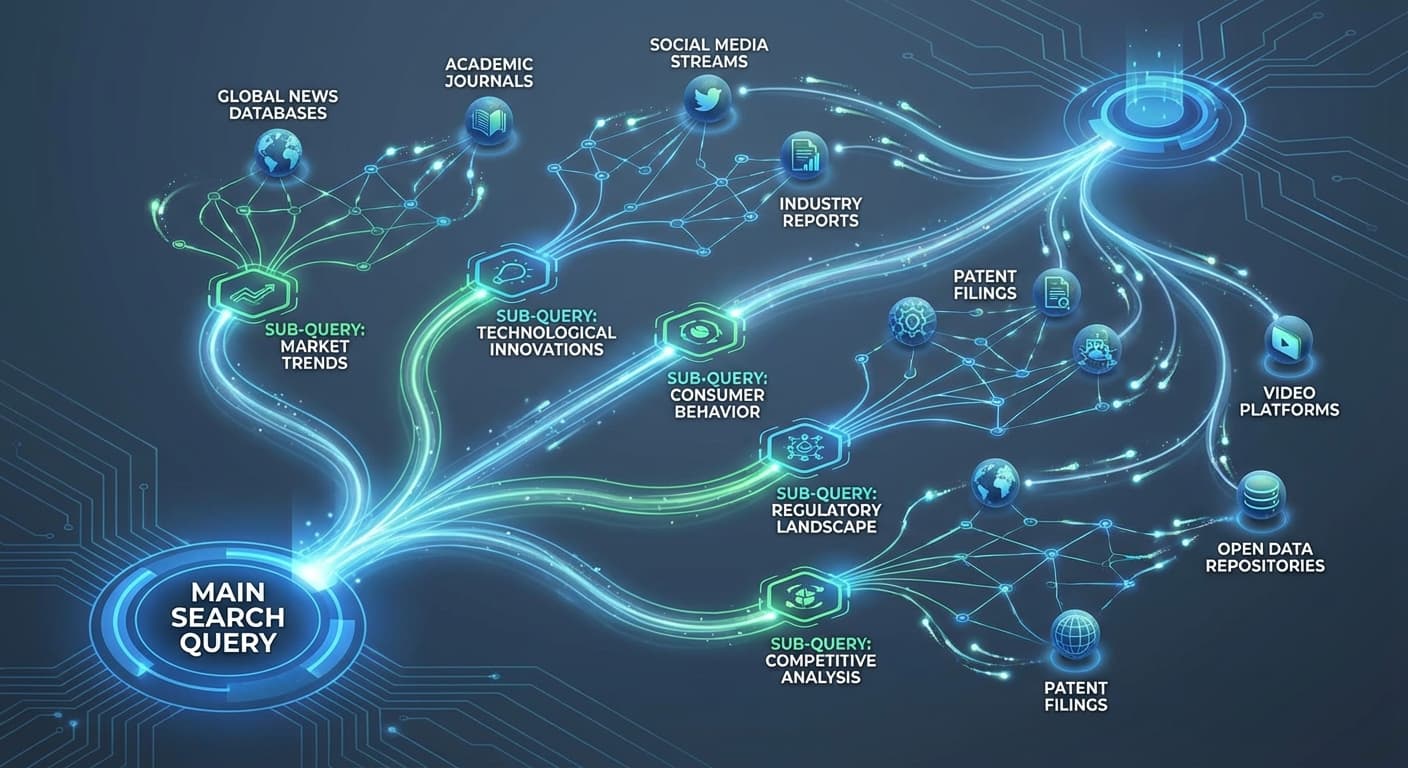
Did you know that Google processes over 75 million complex AI-powered searches daily that generate multiple sub-queries? As we enter 2026, Google's AI Mode has revolutionized how search queries are processed, creating what experts call "query fan-out" – where a single complex question spawns dozens of related sub-queries to deliver comprehensive answers.
This shift represents one of the most significant changes in search behavior since the mobile revolution, and content creators who understand how to optimize for this new reality are seeing unprecedented visibility gains.
Understanding Google AI Mode Query Fan-Out
Query fan-out occurs when Google's AI systems break down complex user queries into multiple related questions to provide more comprehensive answers. For example, when someone asks "How can I improve my startup's customer retention while reducing acquisition costs?", Google's AI might generate sub-queries like:
Each sub-query represents an opportunity for your content to be discovered and cited, but only if it's optimized correctly.
Why Query Fan-Out Matters in 2026
The statistics are staggering:
This represents a fundamental shift from optimizing for single keywords to optimizing for query ecosystems.
The Challenge: Content Fragmentation
Here's where most content creators struggle: traditional SEO focuses on ranking for primary keywords, but query fan-out requires your content to be discoverable across multiple related search intents simultaneously.
When your article about "email marketing automation" gets split across sub-queries about "email segmentation," "automation workflows," "email deliverability," and "conversion optimization," you need a completely different optimization approach.
7 Strategies to Optimize for Query Fan-Out
1. Create Comprehensive Topic Clusters
Instead of writing isolated articles, develop interconnected content clusters that address multiple aspects of a topic:
2. Implement Semantic Keyword Mapping
Map out the full semantic landscape around your primary topic:
3. Structure Content for Sub-Query Extraction
Google's AI looks for specific content patterns when generating sub-query answers:
4. Optimize for Entity Recognition
Help Google's AI understand the entities (people, places, concepts) in your content:
5. Build Answer-First Content Architecture
Structure your content to provide immediate value:
6. Leverage Multi-Format Content
Different sub-queries may favor different content formats:
7. Monitor and Analyze Query Performance
Track how your content performs across different sub-queries:
Advanced Optimization Techniques
Content Depth vs. Breadth Balance
The key to query fan-out optimization is finding the right balance between comprehensive coverage and focused expertise. Your content should be:
Intent Mapping for Sub-Queries
Different sub-queries often represent different search intents:
Optimize your content to address multiple intents within the same piece.
Measuring Success in Query Fan-Out Optimization
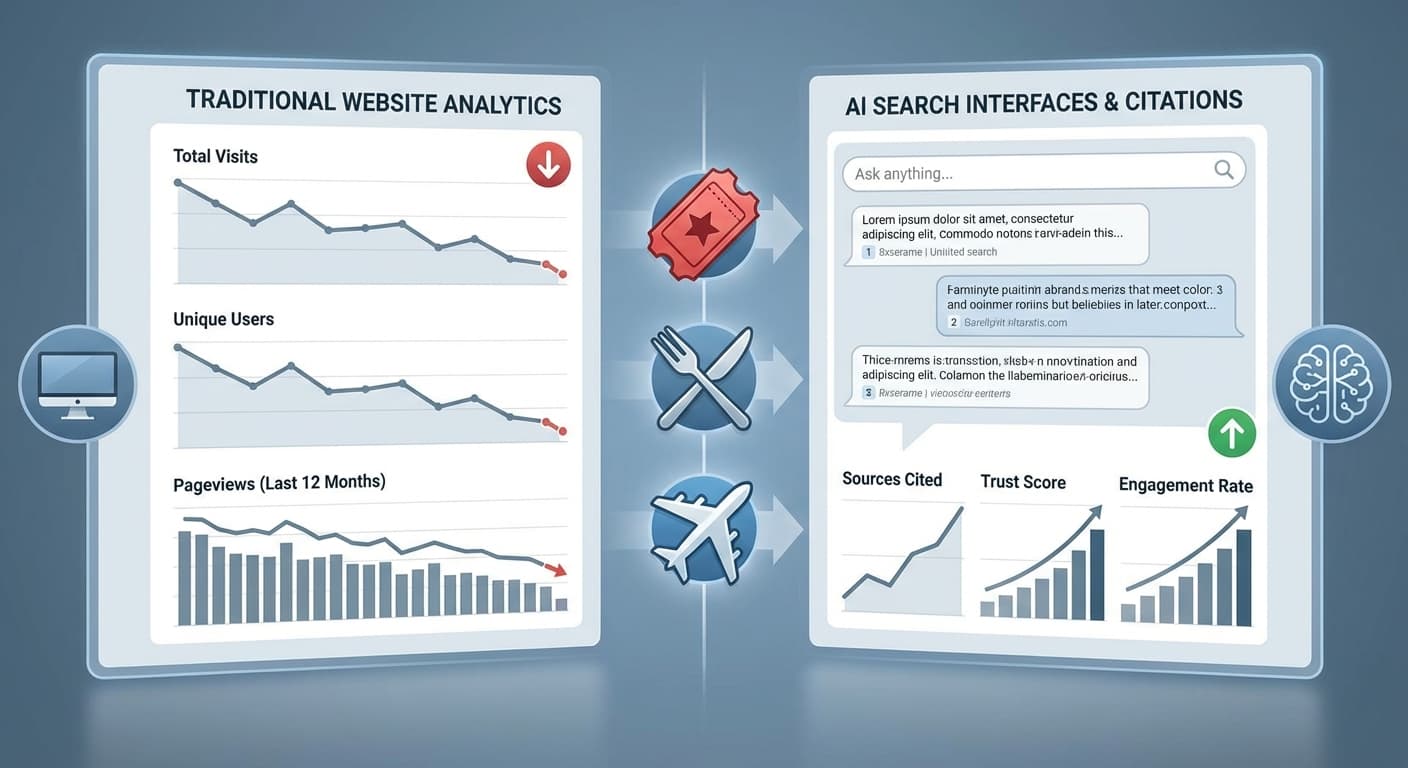
Traditional metrics like single-keyword rankings become less relevant. Instead, focus on:
How Citescope Ai Helps
Optimizing for query fan-out manually is incredibly complex, which is where Citescope Ai becomes invaluable. Our GEO Score analyzes your content across five critical dimensions that directly impact query fan-out performance:
Our AI Rewriter specifically optimizes content for better performance across multiple related queries, while our Citation Tracker helps you monitor which sub-queries are driving the most AI citations across ChatGPT, Perplexity, Claude, and Gemini.
Common Pitfalls to Avoid
Over-Optimization for Single Queries
Don't sacrifice comprehensive coverage for single-query optimization. Query fan-out rewards content that addresses multiple related needs.
Ignoring Content Relationships
Isolated content performs poorly in query fan-out scenarios. Always consider how each piece fits into your broader content ecosystem.
Neglecting Content Updates
Query fan-out patterns evolve rapidly. Regularly update and expand your content to maintain relevance across emerging sub-queries.
Future-Proofing Your Strategy
As AI search continues to evolve, query fan-out will become even more sophisticated. Prepare by:
Ready to Optimize for AI Search?
Query fan-out optimization represents the future of content discovery, but it requires sophisticated tools and strategies to execute effectively. Citescope Ai helps you navigate this complexity with our comprehensive suite of AI optimization tools.
Start with our free tier to analyze your content's GEO Score and see how it performs across the five dimensions critical for query fan-out success. Then use our AI Rewriter to optimize your content for better visibility across multiple related searches.
With over 500 million weekly ChatGPT users and 70% of Gen Z using AI for search, the time to optimize for query fan-out is now. Try Citescope Ai free today and discover how your content can capture more of those 75 million daily complex searches.