How to Optimize for Google AI Mode's Personalization Default: Adapting to Real-Time Contextualized Search in 2026
How to Optimize for Google AI Mode's Personalization Default: Adapting to Real-Time Contextualized Search in 2026
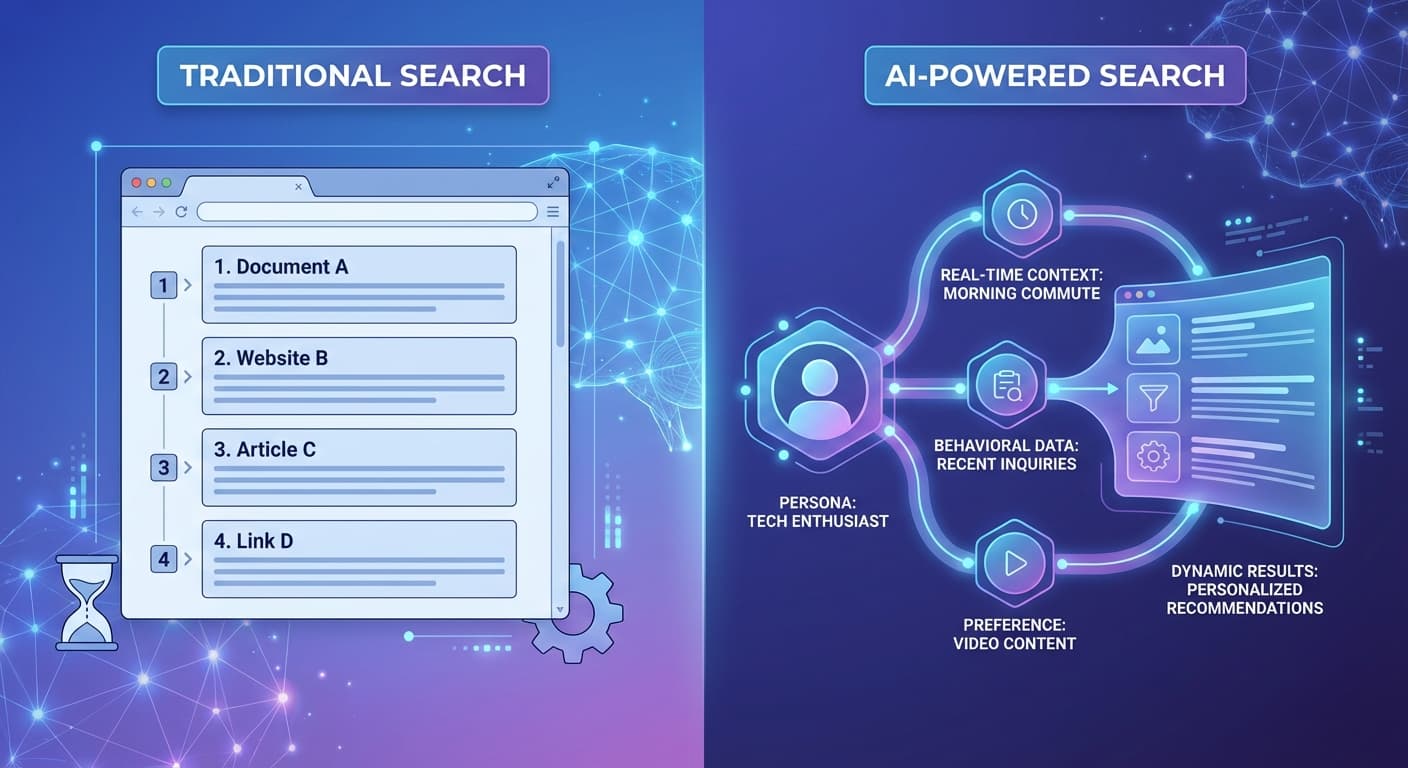
Google's AI Mode now personalizes over 85% of search results in real-time, fundamentally breaking the traditional ranking system that SEO professionals have relied on for decades. With personalization becoming the default rather than the exception, your content's visibility now depends less on static authority signals and more on contextual relevance to each individual user's immediate needs, search history, and behavioral patterns.
This shift represents the most significant change to search since the introduction of mobile-first indexing. Traditional ranking strategies—keyword density, backlink profiles, and domain authority—while still important, now compete with dynamic factors like user intent, conversation context, and real-time relevance scoring.
The Death of Fixed Rankings: What Changed in 2026
Google's AI Mode, powered by Gemini Ultra, now processes search queries through multiple contextual layers:
This means a blog post about "best running shoes" might rank #1 for a marathon trainer in Boston but not appear in the top 20 for a casual jogger in Miami—even when searched simultaneously with identical keywords.
Understanding Real-Time Contextualized Search
Real-time contextualized search operates on three primary dimensions:
1. Intent Layering
Modern AI search engines don't just interpret what users type—they analyze what users mean based on:
2. Dynamic Content Scoring
Your content receives different relevance scores for different users in real-time. Factors include:
3. Conversational Memory
AI search engines now maintain conversation state across sessions, meaning:
Strategies for Optimizing in the Personalized AI Era
Create Multi-Dimensional Content Assets
Instead of optimizing for single keywords, create content that serves multiple user contexts:
Beginner-to-Expert Scaling: Structure content with clear expertise levels
Intent Variant Coverage: Address different search intents within single pieces
Optimize for Conversational Context
Since AI Mode treats searches as conversations, your content should:
Implement Semantic Richness Strategies
AI engines reward content that demonstrates deep topical understanding:
Tools like Citescope Ai's GEO Score analyzer can help identify semantic gaps in your content, measuring how well AI engines understand your topical coverage across five key dimensions.
Design for Dynamic User States
Optimize content for different user contexts:
Temporal Optimization:
Expertise Adaptation:
Device-Specific Formatting:
Leverage Behavioral Prediction
Help AI engines predict user satisfaction:
Measuring Success in Personalized Search
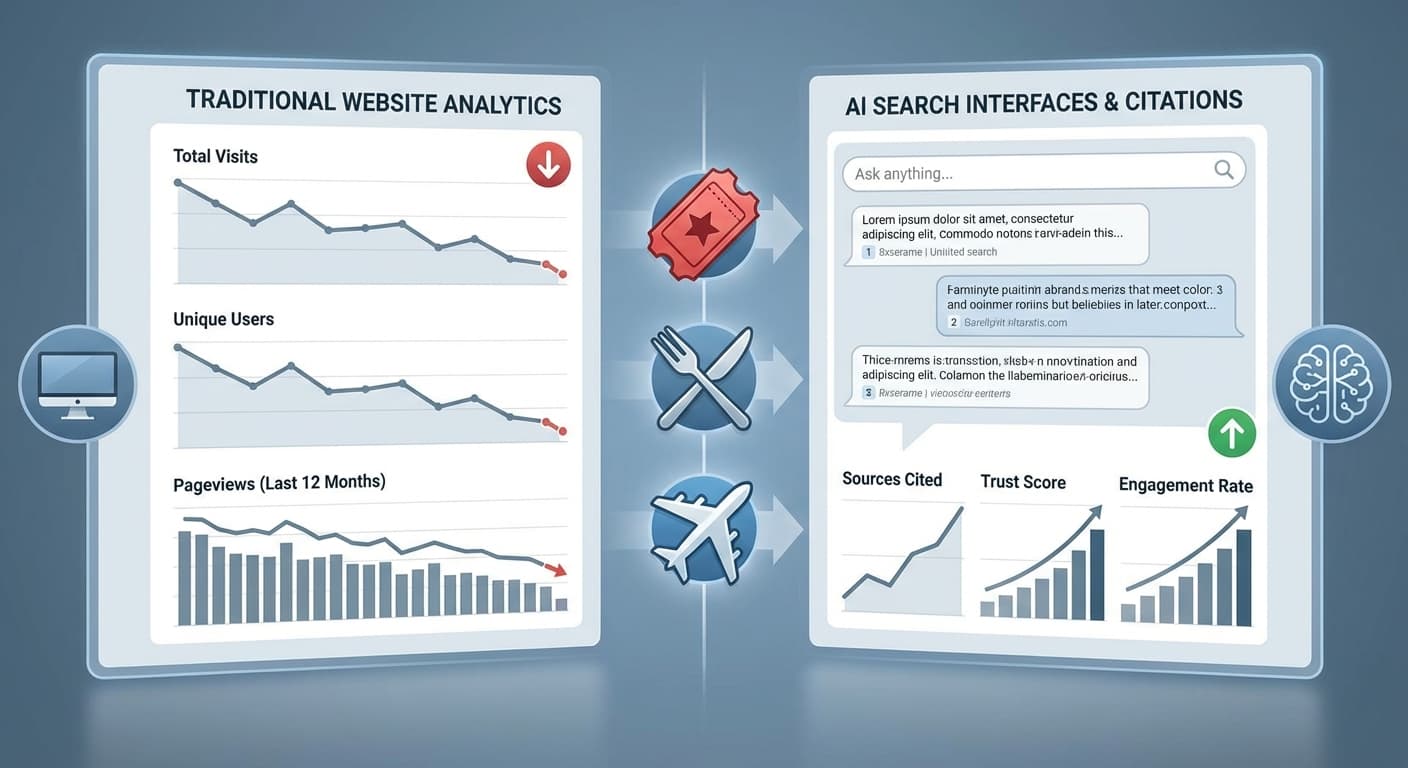
Traditional ranking metrics become less meaningful when results vary by user. Focus on:
Engagement Depth Metrics
AI Citation Performance
Track how often AI engines reference your content:
Contextual Relevance Indicators
Building Future-Proof Content Architecture
Modular Content Design
Create content that can be recombined for different contexts:
Continuous Context Updates
Maintain content freshness for AI systems:
Cross-Format Optimization
Ensure content performs across AI interaction modes:
How Citescope Ai Helps Navigate Personalized Search
Citescope Ai's platform addresses the complexity of personalized AI search optimization through several key features:
GEO Score Analysis: Evaluates your content across the five dimensions that matter most to AI engines—AI Interpretability, Semantic Richness, Conversational Relevance, Structure, and Authority—providing a 0-100 score that predicts personalization performance.
AI Rewriter Tool: Automatically restructures your content for better AI visibility, optimizing for conversational patterns and semantic richness that perform well across different user contexts.
Citation Tracking: Monitors how ChatGPT, Perplexity, Claude, and Gemini cite your content, giving you visibility into AI attribution patterns that traditional analytics miss.
Multi-Format Export: Ensures your optimized content works across different platforms and presentation formats, critical for personalized search success.
The Strategic Shift: From Rankings to Relationships
Success in personalized AI search requires thinking beyond traditional SEO metrics. Instead of chasing rankings, focus on building content relationships:
Preparing for What's Next
As AI search continues evolving, several trends will shape optimization strategies:
The organizations that thrive will be those that embrace AI search as a collaborative relationship rather than a system to game. Focus on creating genuinely helpful content that serves users across all contexts, and the personalization algorithms will reward you.
Ready to Optimize for AI Search?
Personalized AI search represents both a challenge and an opportunity for content creators. While traditional ranking strategies become less predictable, the potential for deeper user connections has never been greater. Citescope Ai helps you navigate this new landscape with tools designed specifically for AI search optimization. Start with our free tier to optimize your first three pieces of content and see how the GEO Score can improve your AI visibility. Try Citescope Ai today and transform your content for the personalized search era.