How to Optimize for Google's Universal Commerce Protocol: Winning When AI Shopping Agents Bypass Your Product Pages

How to Optimize for Google's Universal Commerce Protocol: Winning When AI Shopping Agents Bypass Your Product Pages
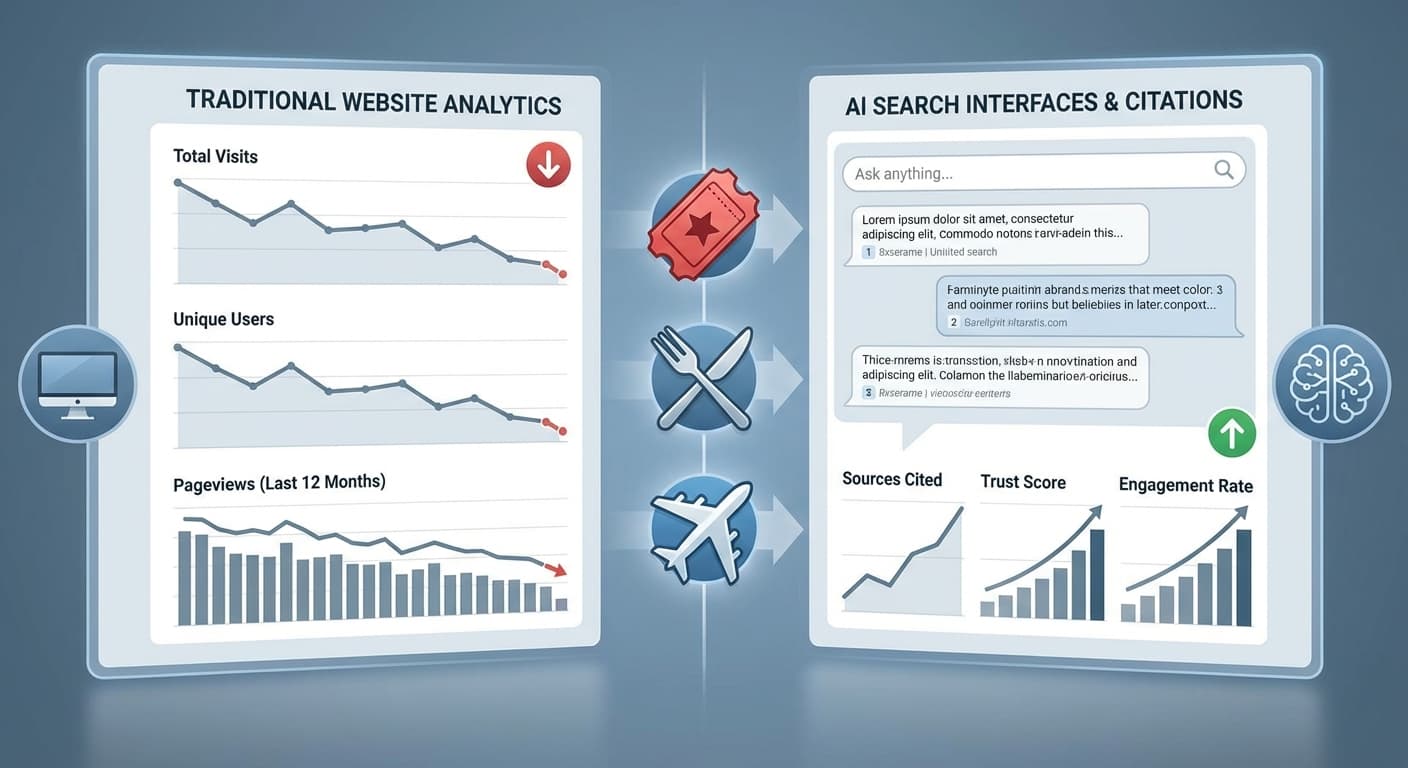
By 2026, AI shopping agents are completing over 40% of online purchases without users ever visiting a product page. Google's Universal Commerce Protocol (UCP), launched in late 2025, has fundamentally changed how consumers discover and buy products—and how businesses need to structure their commerce strategy.
If your e-commerce optimization strategy still focuses primarily on driving traffic to product pages, you're already behind. Today's AI-powered shopping agents from ChatGPT, Perplexity, Claude, and Gemini can compare prices, check inventory, and even complete transactions directly within search conversations.
The New Reality of AI-Driven Commerce
Google's Universal Commerce Protocol represents the biggest shift in e-commerce since the introduction of mobile shopping. Here's what's changed:
Why Traditional Product Page SEO Isn't Enough
The traditional e-commerce funnel assumed users would:
Now, AI shopping agents compress this entire journey into a single conversation. They need structured, accessible product data—not compelling product page copy.
Understanding Google's Universal Commerce Protocol
Google's UCP creates a standardized way for AI agents to access and interact with e-commerce data. Think of it as a universal API that allows any AI agent to:
Key UCP Components for Optimization
Product Entity Markup: Enhanced structured data that goes beyond traditional schema.org markup to include AI-readable product attributes, compatibility information, and use cases.
Inventory API Integration: Real-time inventory feeds that allow AI agents to confirm product availability before recommending purchases.
Conversational Product Descriptions: Natural language product information optimized for AI interpretation rather than human reading.
Trust Signals: Structured data about certifications, warranties, return policies, and customer service that AI agents use to assess product reliability.
Strategic Optimization for AI Shopping Agents
1. Implement Comprehensive Product Entity Markup
AI shopping agents rely heavily on structured data to understand your products. Basic schema markup isn't sufficient—you need comprehensive product entities that include:
Example approach: Instead of just marking up "wireless headphones," include specific use cases like "noise-canceling for air travel," "waterproof for exercise," or "long battery life for remote work."
2. Optimize for Conversational Product Discovery
AI agents interpret user intent through natural language queries. Your product information needs to match how people actually describe what they're looking for:
3. Leverage Real-Time Data Integration
AI shopping agents prioritize retailers who can provide immediate, accurate information:
4. Build Authority Through Structured Trust Signals
AI agents evaluate retailer credibility through quantifiable trust signals:
Content Strategy for AI Shopping Agent Visibility
Create AI-Friendly Product Content
Traditional product descriptions focus on persuasion. AI-optimized content focuses on information density and accuracy:
Before (Traditional):
"Experience the ultimate in wireless freedom with our premium Bluetooth headphones featuring industry-leading noise cancellation technology."
After (AI-Optimized):
"Bluetooth 5.3 over-ear headphones with active noise cancellation (30dB reduction), 40-hour battery life, multipoint connectivity for 2 devices simultaneously. Compatible with iPhone, Android, Windows. Ideal for air travel, office work, exercise."
Develop Comparison and Buying Guide Content
AI agents frequently reference comparison content when helping users make purchasing decisions:
While creating this comparative content, tools like Citescope Ai can help ensure your guides are structured in ways that AI agents can easily interpret and cite when making recommendations.
Build Topical Authority in Your Product Categories
AI shopping agents favor retailers and brands with demonstrated expertise:
Technical Implementation Strategies
Enhanced Structured Data Implementation
Implement comprehensive schema markup that goes beyond basic product information:
{
"@type": "Product",
"name": "UltraComfort Office Chair",
"description": "Ergonomic office chair with lumbar support, adjustable height 16-20 inches, weight capacity 300lbs, suitable for 8+ hour daily use",
"useCases": ["office work", "gaming", "home office", "chronic back pain"],
"compatibility": ["standard desks", "standing desks", "gaming setups"],
"maintenance": "Quarterly wheel cleaning, annual hydraulic inspection"
}
API Integration for Real-Time Commerce
Ensure your commerce platform can respond to UCP requests:
Multi-Platform Commerce Optimization
Optimize for commerce across different AI platforms:
Measuring Success in AI-First Commerce
New Metrics for AI Shopping Optimization
Traditional e-commerce metrics don't capture AI agent interactions:
Testing and Optimization Approaches
How Citescope Ai Helps Navigate AI Commerce Optimization
Optimizing for Google's Universal Commerce Protocol requires understanding how AI agents interpret and utilize your product content. Citescope Ai's GEO Score analyzes your product pages across five critical dimensions that directly impact AI shopping agent recommendations:
The AI Rewriter tool can transform traditional product descriptions into AI-optimized content that maintains human appeal while maximizing machine readability. The Citation Tracker shows you exactly when and how your products are being recommended across different AI platforms, giving you insights into which optimization strategies are working.
Future-Proofing Your Commerce Strategy
Preparing for Advanced AI Shopping Features
As AI shopping agents become more sophisticated, prepare for:
Building Long-Term AI Commerce Authority
Ready to Optimize for AI Search?
Google's Universal Commerce Protocol isn't just changing how people shop—it's reshaping which businesses succeed in the AI-first economy. While your competitors are still optimizing for traditional search, you can get ahead by optimizing for the AI agents that are increasingly driving purchase decisions.
Citescope Ai gives you the tools to analyze, optimize, and track your content's performance with AI shopping agents. Start with our free tier to optimize 3 pieces of content per month, or upgrade to Pro for comprehensive AI commerce optimization.