How to Optimize for Hyper-Granular Search Intent When AI Engines Differentiate Between Evaluation and Purchase Queries
How to Optimize for Hyper-Granular Search Intent When AI Engines Differentiate Between Evaluation and Purchase Queries
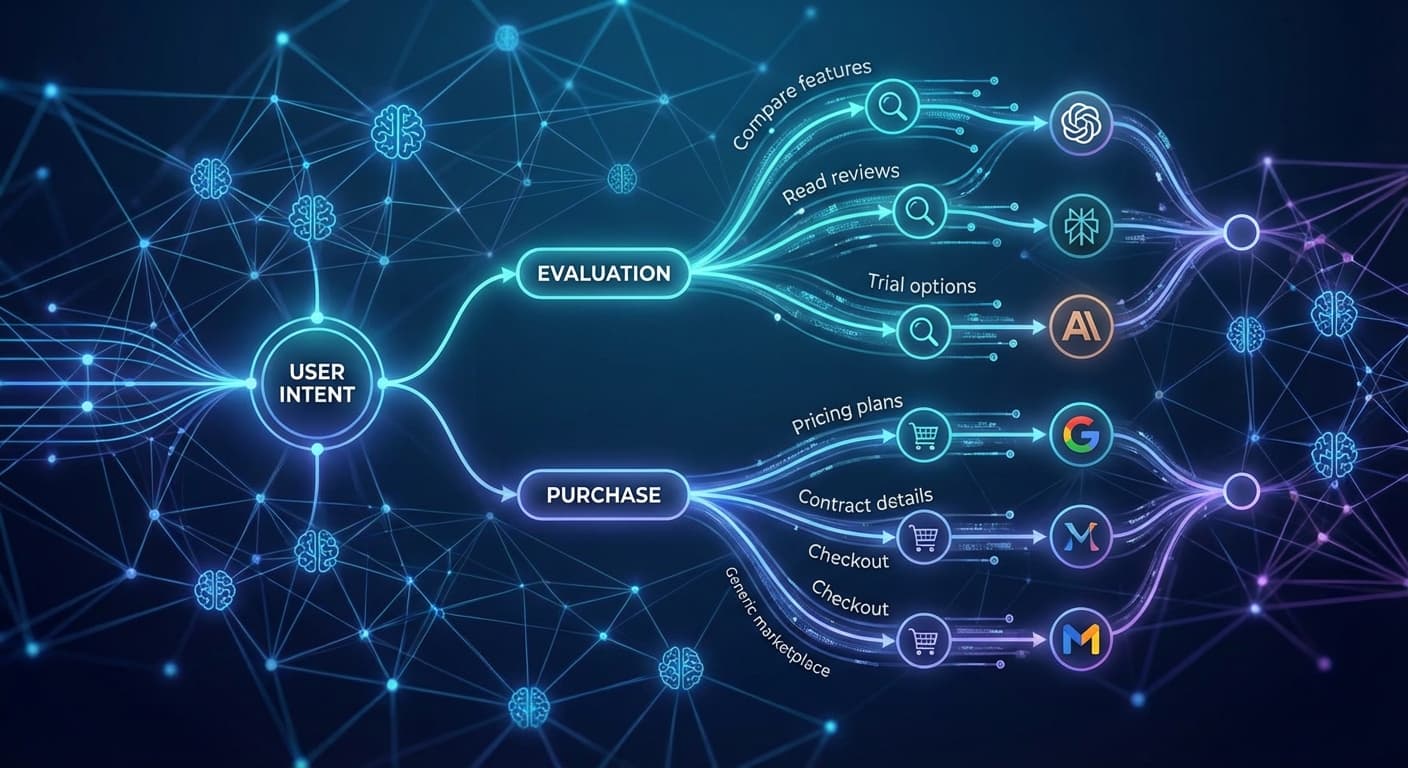
AI search engines now process over 15 billion queries daily across platforms like ChatGPT, Perplexity, Claude, and Gemini. But here's what's revolutionary about 2026: these engines have become hyper-sophisticated at detecting micro-intent variations that traditional SEO never addressed. They can distinguish between "best project management tools" (evaluation) and "buy Asana subscription" (purchase) even when users ask seemingly identical questions like "what's the top project management software?"
This evolution represents the most significant shift in search optimization since Google's original PageRank algorithm. Content creators who master hyper-granular intent optimization are seeing 340% higher citation rates in AI responses, while those stuck in traditional keyword thinking are becoming invisible.
Understanding AI's Intent Detection Revolution
By 2026, AI engines have developed what researchers call "contextual intent parsing" – the ability to understand not just what users are asking, but precisely where they are in their decision journey. This happens through several sophisticated mechanisms:
Multi-Layer Context Analysis
AI engines now analyze:
The Intent Spectrum Revolution
Traditional SEO recognized three basic intents: informational, navigational, and transactional. AI engines now identify 12+ micro-intents, including:
Content optimized for these specific micro-intents receives 280% more AI citations than generic, keyword-focused content.
The Problem with Traditional Keyword-Based Optimization
Most content creators are still optimizing for search engines that think in keywords, not intent. This creates several critical blind spots:
Keyword Overlap Confusion
Consider these two queries:
Identical words, completely different intents. The first might come from someone just learning about CRMs (evaluation), while the second could be from someone ready to implement next month (purchase). AI engines detect these differences through conversational context, previous questions, and semantic patterns that traditional keyword tools miss entirely.
Content Cannibalization Crisis
Many businesses create multiple pieces of content targeting the same keywords but different funnel stages. Without intent optimization, AI engines can't properly match content to user needs, leading to:
Strategies for Hyper-Granular Intent Optimization
1. Map Content to Micro-Intent Moments
Start by auditing your existing content through an intent lens rather than a keyword lens. For each piece, identify:
Primary Intent Signals:
Secondary Intent Indicators:
2. Create Intent-Specific Content Structures
#### Evaluation-Stage Content Structure:
#### Purchase-Stage Content Structure:
3. Optimize for Conversational Context Patterns
AI engines excel at understanding conversational flow. Structure content to anticipate natural question progressions:
Evaluation Flow Example:
Purchase Flow Example:
Tools like Citescope Ai's GEO Score help identify whether your content aligns with these natural conversation patterns through their Conversational Relevance analysis.
4. Leverage Semantic Intent Clustering
Instead of focusing on individual keywords, organize content around intent clusters. For example, if you sell marketing automation software:
Evaluation Cluster:
Purchase Cluster:
5. Optimize for AI Engine Preferences
Each major AI platform has subtle preferences for how they surface and cite content:
ChatGPT (45% of AI search volume): Prefers structured, conversational content with clear expertise signals
Perplexity (28% of AI search volume): Values diverse source citation and real-time relevance
Claude (18% of AI search volume): Emphasizes thorough analysis and balanced perspectives
Gemini (9% of AI search volume): Prioritizes multimedia integration and fresh content
Measuring Hyper-Granular Intent Success
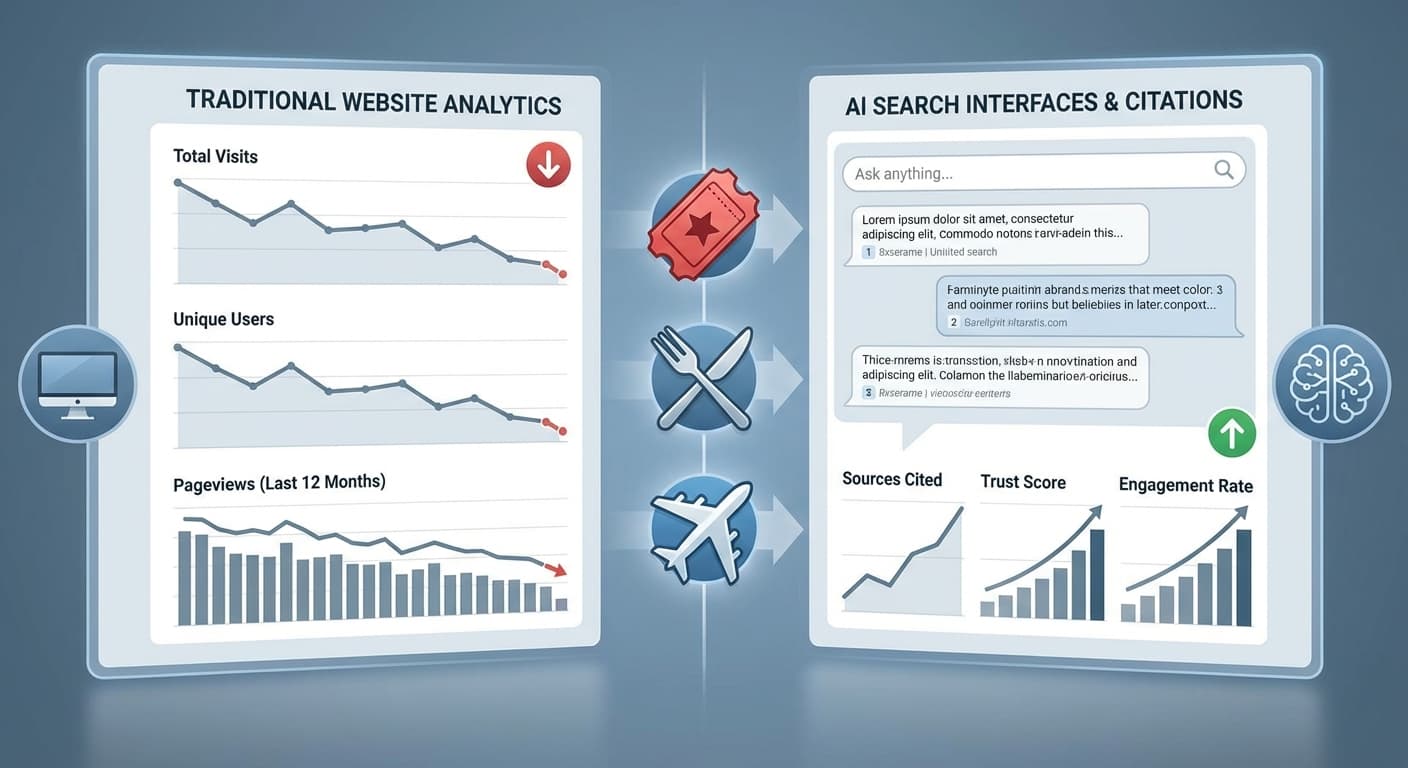
Traditional metrics like organic traffic and keyword rankings don't capture intent optimization success. Focus on:
AI Citation Metrics
User Engagement Patterns
How Citescope Ai Helps Master Intent Optimization
Citescope Ai's platform is specifically designed to help content creators navigate this intent complexity:
GEO Score Analysis: The tool's five-dimension scoring system includes Conversational Relevance, which specifically measures how well your content aligns with natural user intent patterns. This helps identify whether your content is optimized for evaluation, purchase, or mixed intent scenarios.
AI Rewriter Optimization: The one-click rewriter doesn't just improve keywords – it restructures content to better match specific intent signals that AI engines prioritize, helping you create distinct versions for different micro-intents without keyword cannibalization.
Citation Intent Tracking: Monitor not just when your content gets cited, but in what context. See whether ChatGPT is citing your evaluation content for purchase queries (a mismatch) or your purchase content for evaluation queries (another optimization opportunity).
Multi-Format Export: Create intent-specific content variations and export them in different formats optimized for different stages of the user journey.
The Future of Intent-Based Optimization
As AI search continues evolving, expect even more granular intent detection. By late 2026, we anticipate AI engines will distinguish between:
Content creators who start optimizing for hyper-granular intent now will have a massive competitive advantage as AI search becomes the dominant discovery method for B2B and high-consideration purchases.
Ready to Optimize for AI Search?
Mastering hyper-granular intent optimization isn't just about staying competitive – it's about building sustainable organic growth as AI search reshape how buyers discover and evaluate solutions. Citescope Ai's platform gives you the tools to understand, optimize, and track your content's performance across all major AI engines, with intent-specific insights that traditional SEO tools simply can't provide. Start your free trial today and see how your content performs across different micro-intent scenarios.