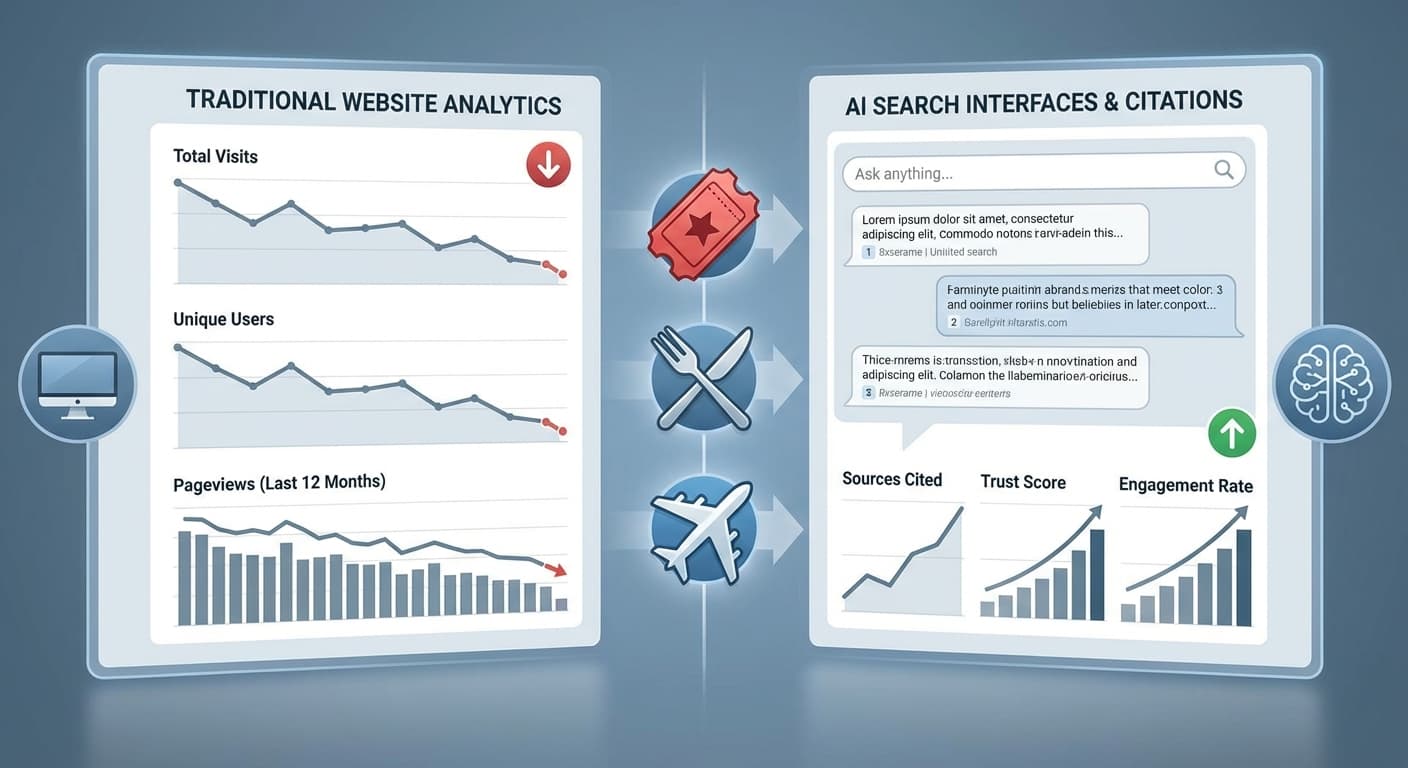
How to Optimize for Hyper-Local Neighborhood SEO When AI Search Engines Prioritize Block-Level Relevance Over City-Wide Authority in 2026
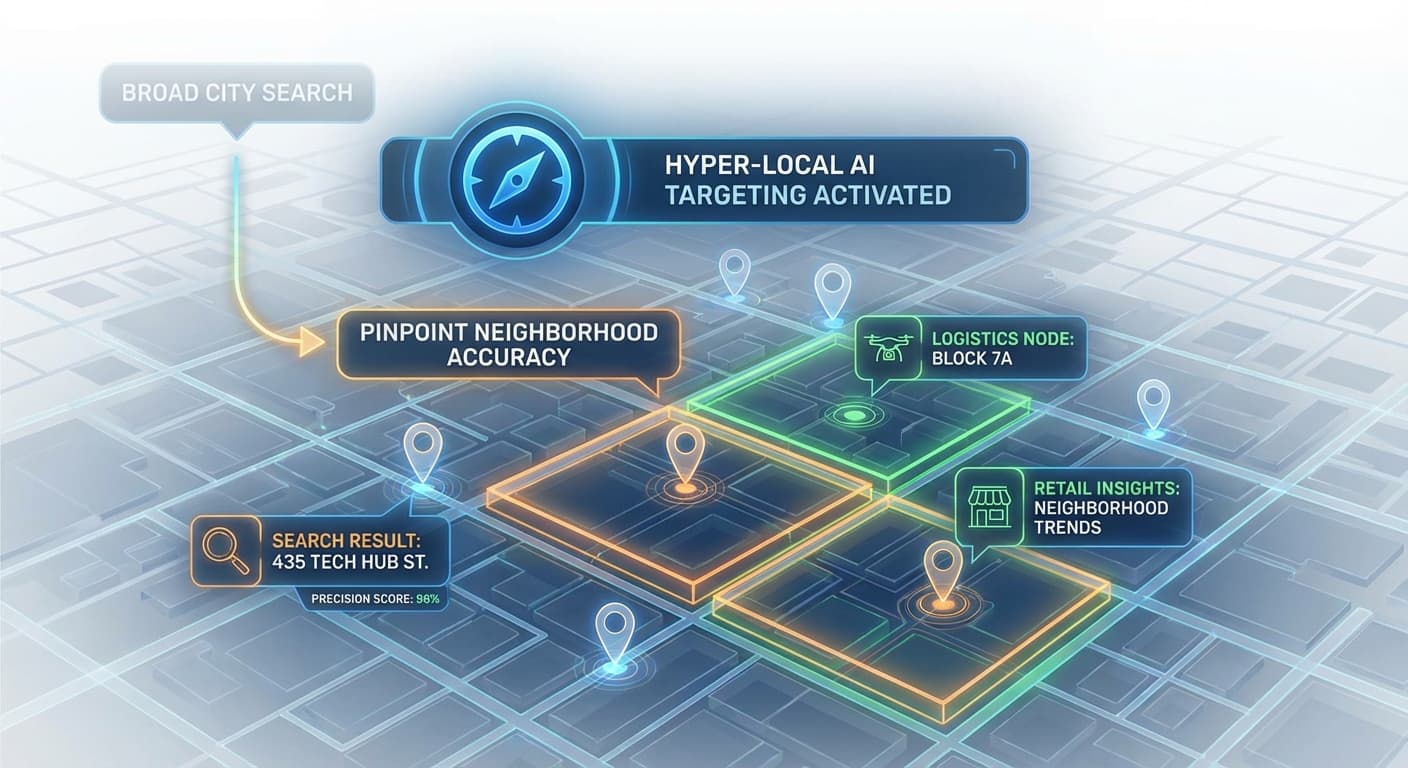
How to Optimize for Hyper-Local Neighborhood SEO When AI Search Engines Prioritize Block-Level Relevance Over City-Wide Authority in 2026
AI search engines like ChatGPT and Perplexity processed over 2.3 billion hyper-local queries in 2025 alone, with "near me" searches evolving into ultra-specific requests like "best coffee shop within 3 blocks of Main and 5th Street." This dramatic shift toward block-level precision has fundamentally changed how AI engines evaluate and cite local content—and most businesses are still optimizing for yesterday's city-wide approach.
The New Reality: AI Search Goes Micro-Local
By 2026, AI search engines have become incredibly sophisticated at understanding micro-geographic contexts. Instead of simply looking for "restaurants in Chicago," users are asking "What's the best Italian restaurant within walking distance of Lincoln Park Zoo that's open past 9 PM on weeknights?"
This evolution stems from AI's improved natural language processing and real-time data integration. When 73% of Gen Z now uses AI for location-based searches, they expect pinpoint accuracy that traditional search engines couldn't deliver.
Why Block-Level Relevance Trumps City Authority
AI engines like Claude and Gemini now prioritize three key factors in local search:
A small neighborhood blog with detailed block-by-block restaurant reviews now outranks major city publications in AI search results for specific location queries.
Essential Strategies for Hyper-Local AI Optimization
1. Create Neighborhood-Specific Content Clusters
Develop content that targets micro-neighborhoods rather than entire cities. Instead of "Best Restaurants in Austin," create:
2. Use Hyper-Specific Geographic Identifiers
AI engines excel at parsing detailed location data. Include:
3. Implement Conversational Query Optimization
Since 68% of local AI searches use conversational language, structure your content to answer natural questions:
4. Leverage Local Context Signals
AI engines now understand neighborhood characteristics. Include details about:
Technical Implementation for AI Visibility
Schema Markup Gets Granular
Implement enhanced local business schema that includes:
"address": {
"@type": "PostalAddress",
"streetAddress": "123 Main Street",
"addressLocality": "Capitol Hill neighborhood",
"addressRegion": "Seattle",
"nearbyLandmarks": ["Volunteer Park", "Broadway Market"]
}
Content Structure for AI Parsing
Organize information in AI-friendly formats:
When creating this level of detailed, location-specific content, tools like Citescope Ai become invaluable for ensuring your hyper-local content achieves optimal AI visibility through proper structure and semantic richness.
Content Types That Excel in Hyper-Local AI Search
Neighborhood Walking Guides
Create block-by-block exploration content:
"Locals Only" Resource Lists
Develop insider knowledge content:
Real-Time Neighborhood Updates
Maintain current information:
Measuring Hyper-Local AI Performance
Key Metrics to Track
Tools and Analytics
Monitor performance across multiple AI platforms:
Common Pitfalls in Hyper-Local AI Optimization
Over-Optimizing for Traditional SEO
Many businesses still focus on broad local keywords instead of conversational, specific queries that AI users actually ask.
Neglecting Cross-Platform Consistency
Ensure your hyper-local information remains consistent across all AI platforms, as each engine may prioritize different local signals.
Ignoring Mobile Context
With 89% of local AI searches happening on mobile devices, consider the mobile user experience when structuring location-specific content.
The Future of Hyper-Local AI Search
As we move through 2026, expect AI engines to become even more precise:
How Citescope Ai Helps
Optimizing for hyper-local AI search requires sophisticated content analysis and structure. Citescope Ai's GEO Score evaluates your content across five critical dimensions, including AI Interpretability and Semantic Richness—essential for helping AI engines understand your precise local context.
The platform's AI Rewriter can restructure your existing local content to better match conversational query patterns, while the Citation Tracker monitors when your hyper-local content gets cited across ChatGPT, Perplexity, Claude, and Gemini. This multi-platform visibility is crucial since different AI engines may prioritize different local signals.
With multi-format export capabilities, you can deploy your optimized hyper-local content across various platforms while maintaining consistency—critical for building the neighborhood authority that AI engines now prioritize.
Ready to Optimize for AI Search?
Hyper-local AI optimization isn't just about being found—it's about becoming the definitive local authority that AI engines trust and cite. With Citescope Ai's comprehensive optimization tools, you can transform your neighborhood content into AI search gold.
Start your free account today and discover how our GEO Score and AI Rewriter can help you dominate hyper-local AI search results. Get 3 free optimizations to test the power of AI-focused local content optimization.