How to Optimize for Hyper-Personalization When AI Search Engines Dynamically Adapt Answers Based on User History
How to Optimize for Hyper-Personalization When AI Search Engines Dynamically Adapt Answers Based on User History
By 2026, AI search engines have fundamentally transformed how information is delivered to users. Unlike the static "one-size-fits-all" results of traditional search, AI engines like ChatGPT, Perplexity, Claude, and Gemini now dynamically adapt their responses based on individual user history, preferences, and context. With over 70% of Gen Z users relying on AI for search and AI queries accounting for more than 30% of all search traffic, the era of hyper-personalization is here.
But here's the challenge: how do you optimize content when the same query can generate completely different answers for different users? The traditional SEO playbook doesn't account for this level of personalization, leaving many content creators struggling to maintain visibility in an increasingly complex landscape.
The New Reality of AI Search Personalization
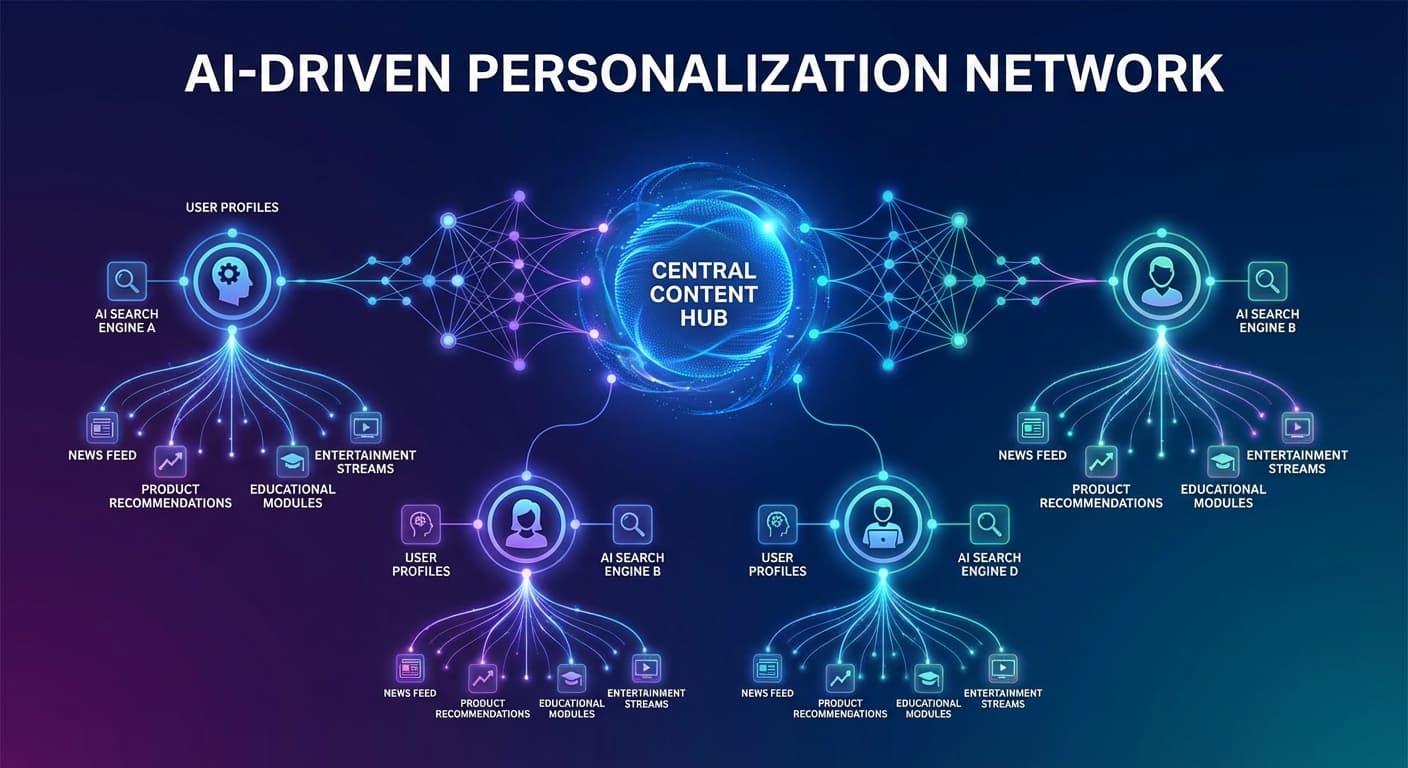
AI search engines in 2026 don't just consider keywords—they analyze user behavior patterns, previous interactions, professional context, and even the time of day to craft personalized responses. A marketing professional searching for "content strategy" will receive vastly different results than a small business owner asking the same question.
This shift represents both a massive opportunity and a significant challenge for content creators. While personalization can lead to higher engagement and more qualified traffic, it also means your content needs to be versatile enough to serve multiple user intents and contexts.
Key Personalization Factors AI Engines Consider:
Understanding Multi-Dimensional Content Optimization
To succeed in this hyper-personalized environment, your content must be structured to serve multiple user personas and contexts simultaneously. This requires moving beyond traditional keyword optimization to what we call "multi-dimensional content architecture."
The Three Pillars of Personalization-Ready Content
#### 1. Contextual Layering
Structure your content with multiple layers of depth, allowing AI engines to extract relevant information for different user contexts. Start with broad concepts and progressively dive deeper into specific applications.
Example Structure:
#### 2. Semantic Richness
Use varied terminology and natural language patterns to ensure your content matches different ways users might express the same intent. AI engines are becoming increasingly sophisticated at understanding context and intent variations.
#### 3. Authority Signals
Establish topical authority through comprehensive coverage and credible sourcing. AI engines prioritize content from sources they deem authoritative for specific topics and user contexts.
Strategies for Hyper-Personalized AI Optimization
Create Content Clusters with Varying Complexity Levels
Develop content ecosystems that address the same core topic at different complexity levels. This allows AI engines to select the most appropriate piece based on the user's expertise level and immediate needs.
Implementation Framework:
Leverage Conversational Content Formats
AI engines increasingly favor content that mirrors natural conversation patterns. Structure your content to anticipate and answer follow-up questions that different user types might have.
Conversational Optimization Techniques:
Implement Multi-Persona Content Architecture
Design content that explicitly acknowledges different user types and their varying needs. This helps AI engines understand which sections are most relevant for specific user contexts.
Example Multi-Persona Structure:
markdown
For Marketing Managers:
[Specific insights for this persona]
For Small Business Owners:
[Tailored advice for this context]
For Enterprise Teams:
[Scalable strategies and considerations]
Optimize for Intent Diversity
A single keyword or topic can represent multiple user intents. Create comprehensive content that addresses informational, navigational, transactional, and commercial investigation intents within the same piece.
Intent Mapping Strategy:
Technical Implementation for AI Visibility
Structured Data and Schema Markup
While traditional schema remains important, focus on schema types that help AI engines understand content context and user relevance:
Content Freshness and Updates
AI engines prioritize fresh, updated content. Implement a systematic approach to content maintenance:
Measuring Success in a Personalized AI World
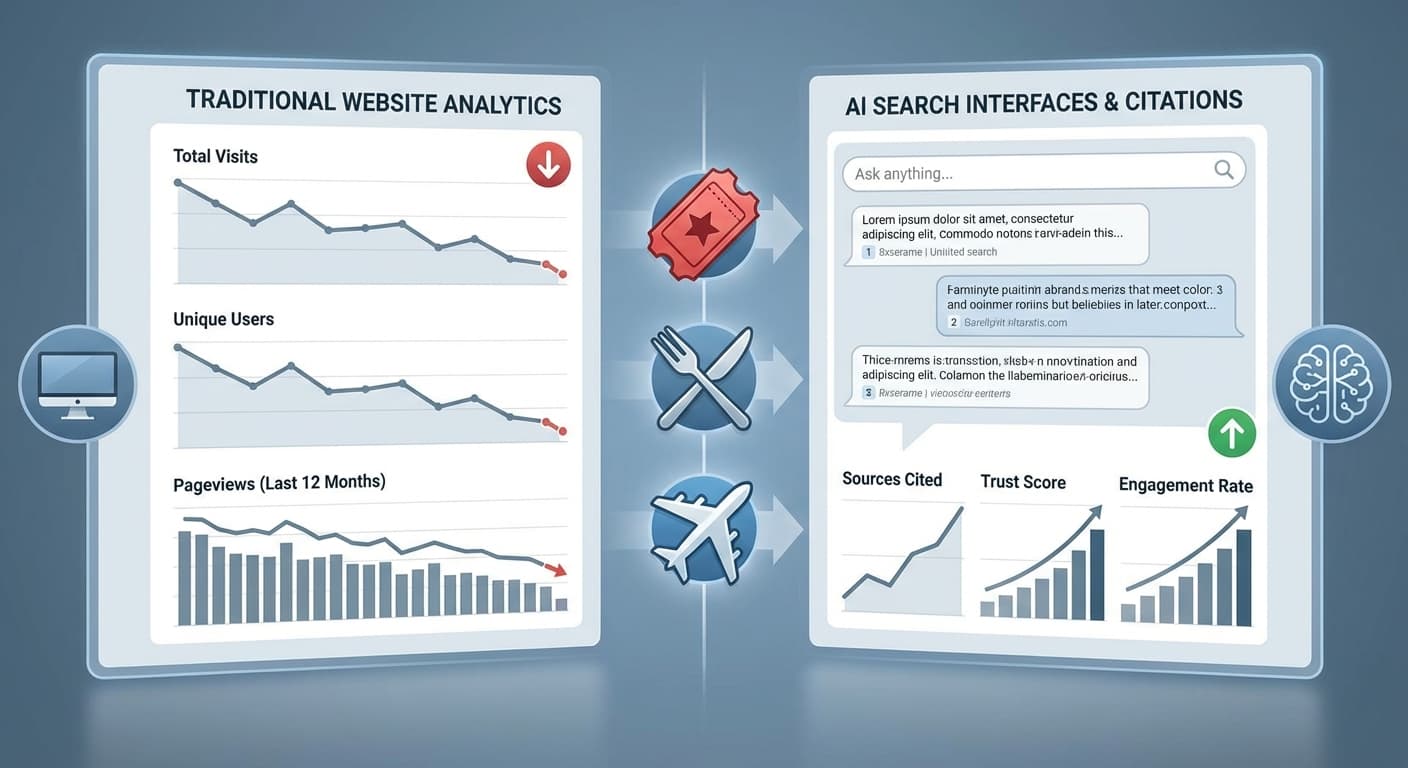
Traditional metrics like rankings and click-through rates become less meaningful when results are personalized. Focus on metrics that indicate AI citation success:
Key Performance Indicators for AI Optimization:
Advanced Personalization Strategies
Dynamic Content Elements
Consider implementing content elements that can be dynamically referenced by AI engines based on user context:
Cross-Platform Content Syndication
Distribute variations of your content across different platforms to increase the likelihood of AI citation across various user contexts and platforms.
How Citescope Ai Helps Navigate Personalization Challenges
Optimizing for hyper-personalized AI search requires sophisticated analysis and optimization tools. Citescope Ai's GEO Score evaluates your content across five critical dimensions—AI Interpretability, Semantic Richness, Conversational Relevance, Structure, and Authority—providing a comprehensive assessment of how well your content will perform across different personalization scenarios.
The platform's AI Rewriter feature automatically restructures your content to improve visibility across multiple user contexts, while the Citation Tracker helps you understand which user scenarios are generating the most AI citations. This data-driven approach allows you to refine your personalization strategy based on actual performance across different AI engines and user contexts.
Future-Proofing Your Content Strategy
As AI personalization continues to evolve, the most successful content creators will be those who embrace adaptability and user-centricity. Focus on creating genuinely valuable content that serves real user needs across multiple contexts, and use data-driven tools to continuously optimize your approach.
The shift toward hyper-personalized AI search isn't just a technical challenge—it's an opportunity to create more meaningful, relevant content experiences for your audience. By understanding and optimizing for this new landscape, you can ensure your content remains visible and valuable regardless of how AI engines evolve their personalization algorithms.
Ready to Optimize for AI Search?
Navigating the complexities of hyper-personalized AI search requires the right tools and insights. Citescope Ai provides the comprehensive analysis and optimization capabilities you need to ensure your content performs across all user contexts and AI engines. Start with our free tier and discover how our GEO Score, AI Rewriter, and Citation Tracker can transform your content's AI visibility. Try Citescope Ai today and stay ahead of the personalization curve.