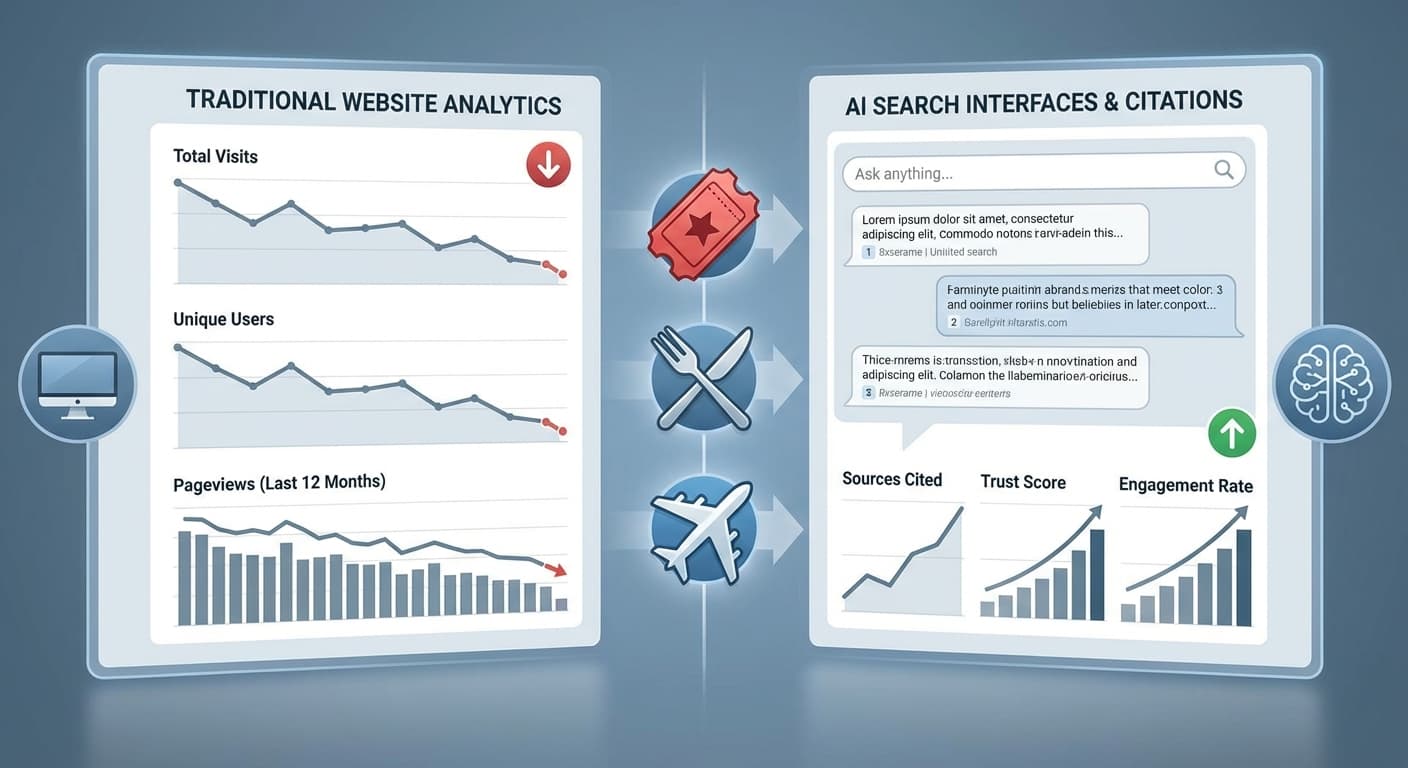
How to Optimize for Multimodal AI Search When Text-Only Content Is Losing 47% of Visual Query Citations to Image-Enhanced Competitors
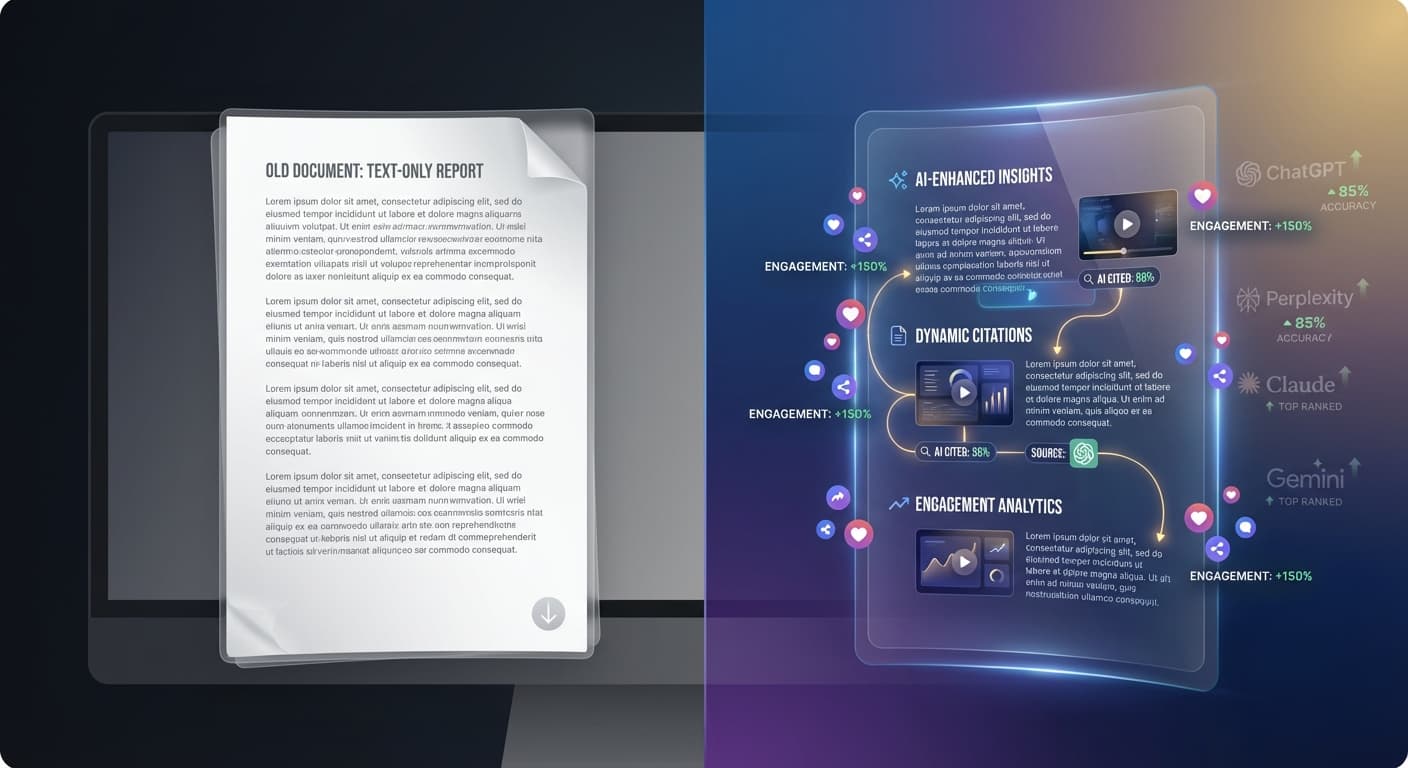
How to Optimize for Multimodal AI Search When Text-Only Content Is Losing 47% of Visual Query Citations to Image-Enhanced Competitors
Imagine spending hours crafting the perfect article, only to discover that ChatGPT and Perplexity are citing your competitor's content instead—simply because they included relevant images and visual elements. According to recent 2025 data from AI search behavior analysis, text-only content is losing an astounding 47% of potential citations to image-enhanced competitors when users ask visual-related queries.
This shift represents a fundamental change in how AI search engines process and prioritize information. As we head deeper into 2026, multimodal AI capabilities are becoming the norm, not the exception. With over 500 million weekly ChatGPT users and Perplexity handling 3 billion queries monthly, understanding multimodal optimization isn't just an advantage—it's essential for maintaining visibility in AI search results.
The Multimodal Revolution is Already Here
Multimodal AI search represents a paradigm shift where AI engines don't just read your text—they analyze images, understand context between visual and written content, and synthesize information across multiple formats. This evolution is driven by several key factors:
Current Multimodal Usage Statistics (2025-2026)
Why Text-Only Content is Falling Behind
The 47% citation loss isn't random—it reflects how AI engines prioritize comprehensive, multimedia information sources. When a user asks "How do I assemble this furniture?" or "What does a healthy meal look like?", AI engines naturally favor content that includes relevant visuals alongside explanatory text.
This preference stems from AI models being trained to provide the most complete and useful responses possible. Visual content enhances comprehension, reduces ambiguity, and provides context that pure text cannot match.
Understanding Multimodal AI Search Engines
How AI Engines Process Visual Content
Modern AI search engines like GPT-4V, Gemini Pro Vision, and Claude 3.5 Sonnet don't just "see" images—they understand context, relationships, and semantic meaning. Here's what they analyze:
Image Content Analysis:
Text-Image Correlation:
The Citation Advantage of Visual Content
When AI engines evaluate content for citations, they consider:
Visual-enhanced content consistently scores higher on these criteria, leading to increased citation rates.
Strategies for Multimodal Optimization
1. Strategic Visual Content Integration
Infographics and Data Visualizations
Contextual Photography
Screenshots and Examples
2. Optimizing Visual Elements for AI Understanding
Alt Text Optimization
Write descriptive alt text that AI engines can process:
Example:
Image File Structure
3. Creating Multimodal Content Clusters
Develop content ecosystems where text and visuals work synergistically:
Topic Clustering with Visuals
Cross-Format Content Development
4. Technical Implementation Best Practices
Structured Data for Images
{
"@type": "ImageObject",
"contentUrl": "https://example.com/image.jpg",
"description": "Detailed image description",
"keywords": ["relevant", "keywords"]
}
Caption and Context Optimization
Measuring Multimodal Success
Key Performance Indicators
Track these metrics to measure your multimodal optimization success:
Citation Metrics
Engagement Indicators
Technical Performance
Tools for Monitoring Multimodal Performance
While traditional SEO tools focus on text-based metrics, new approaches are needed for multimodal success. Citescope Ai's Citation Tracker specifically monitors how your visual-enhanced content performs across ChatGPT, Perplexity, Claude, and Gemini, giving you insights into which multimedia elements drive the most AI citations.
Common Multimodal Optimization Mistakes
Visual Content Pitfalls to Avoid
Generic Stock Photography
Disconnected Visual Elements
Technical Implementation Errors
Overcoming Implementation Challenges
Resource Constraints
Technical Limitations
Future-Proofing Your Multimodal Strategy
Emerging Trends for 2026 and Beyond
Interactive Visual Elements
Video Integration
3D and AR Elements
How Citescope Ai Helps Optimize Multimodal Content
Citescope Ai's GEO Score analyzes your content across five critical dimensions, including how well your visual elements integrate with text to improve AI interpretability. The AI Rewriter doesn't just optimize text—it provides suggestions for visual content placement and alt text improvements that enhance multimodal citations.
The Citation Tracker specifically monitors how your image-enhanced content performs compared to text-only versions, giving you concrete data on the 47% citation improvement potential. You can track which visual elements drive the most citations across ChatGPT, Perplexity, Claude, and Gemini, allowing you to refine your multimodal strategy based on real performance data.
Ready to Optimize for AI Search?
The multimodal revolution isn't coming—it's here. With text-only content losing nearly half of potential visual query citations to image-enhanced competitors, the time to act is now. Citescope Ai provides the tools and insights you need to optimize your content for multimodal AI search engines and track your citation success across all major platforms.
Start your free trial today and discover how visual-enhanced content optimization can reclaim those lost citations and position your content for AI search success. Get three free optimizations to test the power of multimodal GEO strategies.