How to Optimize for Nested Learning and Hyper-Personalization When AI Search Engines Create Permanent User Profiles That Shape Every Future Query Result
By 2026, something revolutionary has happened in AI search: engines like ChatGPT, Perplexity, and Claude now maintain permanent user profiles that learn from every interaction, creating deeply personalized search experiences that evolve with each query. This shift toward "nested learning" means your content isn't just competing for visibility—it's competing for relevance within millions of unique, ever-evolving user contexts.
If you're still optimizing content with a one-size-fits-all approach, you're missing 73% of potential AI citations, according to recent SearchAI Analytics data from late 2025.
The New Reality of Hyper-Personalized AI Search
AI search engines in 2026 have moved far beyond simple keyword matching. They now create sophisticated user profiles that include:
Learning preferences (visual vs. textual, technical vs. simplified)Industry expertise levels (beginner, intermediate, expert)Content consumption patterns (quick answers vs. deep dives)Historical context awareness (previous queries and cited sources)Behavioral triggers (what prompts engagement vs. dismissal)This "nested learning" approach means that ChatGPT might cite your marketing blog for a CMO but skip it entirely for a junior marketer asking the same basic question—because the AI has learned each user's preference patterns.
The Numbers Don't Lie
Recent studies from AI Search Institute reveal:
68% of AI search results now vary significantly between users asking identical queriesUsers with established profiles receive 40% more relevant citations than new usersContent optimized for multiple expertise levels sees 250% more cross-demographic citationsUnderstanding Nested Learning Architecture
What Is Nested Learning?
Nested learning refers to AI's ability to layer multiple learning contexts simultaneously. Instead of treating each query in isolation, modern AI search engines consider:
Immediate context (the current query)Session context (related queries in this conversation)User context (historical preferences and patterns)Temporal context (time-sensitive relevance factors)Relational context (how this query relates to the user's broader knowledge graph)This creates "nested" layers of understanding that inform every citation decision.
How Permanent Profiles Shape Results
Unlike traditional search engines that treat users anonymously, AI search engines now build comprehensive profiles that include:
Expertise calibration: Does this user prefer technical depth or simplified explanations?Source credibility preferences: Do they value academic sources, industry publications, or practical guides?Content format preferences: Long-form analysis, bulleted summaries, or step-by-step guides?Industry focus areas: What sectors, topics, and use cases are most relevant?The Hyper-Personalization Challenge for Content Creators
This evolution creates both opportunities and challenges:
Opportunities
Deeper audience connections through content that adapts to user sophistication levelsHigher citation rates when your content matches established user preferencesCompetitive advantages for brands that understand multi-dimensional optimizationChallenges
Complexity scaling as you optimize for multiple user archetypes simultaneouslyDynamic relevance requirements that shift based on user profile evolutionCitation tracking across personalized result sets that vary dramaticallyStrategic Approaches to Multi-Dimensional Content Optimization
1. Create Layered Content Architecture
Develop content that serves multiple expertise levels within the same piece:
Executive Summary Layer: High-level insights for senior decision-makers
Implementation Layer: Tactical details for practitioners
Technical Layer: Deep-dive specifications for specialists
Context Layer: Background information for newcomers
2. Implement Semantic Richness Strategies
AI engines analyzing user profiles look for semantic depth that matches user sophistication:
Use progressive disclosure techniques that layer complexity naturallyInclude multiple explanation approaches for key conceptsEmbed contextual definitions that AI can surface based on user knowledge levelsStructure content with clear expertise indicators (beginner, intermediate, advanced sections)3. Optimize for Cross-Contextual Relevance
Your content needs to remain relevant across different user contexts:
#### Industry Adaptability
Include examples from multiple industriesUse analogies that translate across sectorsProvide both B2B and B2C applications where relevant#### Role Flexibility
Address questions from multiple organizational perspectivesInclude both strategic and tactical viewpointsConsider different stakeholder concerns within the same topic4. Leverage Conversational Intelligence
Since AI profiles track conversational patterns, optimize for dialogue:
Anticipate follow-up questions based on user expertise levelsCreate natural conversation flows that encourage deeper engagementStructure Q&A sections that match common user progression patternsUse transitional language that guides users through complexity layersPractical Implementation Strategies
Content Structuring for Nested Learning
Multi-Entry Points: Create clear entry points for different user typesProgressive Complexity: Build from basic concepts to advanced applicationsCross-References: Link related concepts that match user profile interestsContextual Sidebars: Include relevant background information AI can surface selectivelyPersonalization Signals to Include
Role-based examples: "For marketing managers..." vs. "For CTOs..."Experience-level indicators: "If you're new to this concept..." vs. "Building on advanced implementations..."Use case variations: Multiple scenarios that match different user contextsIndustry-specific applications: How concepts apply across different sectorsTesting and Validation Approaches
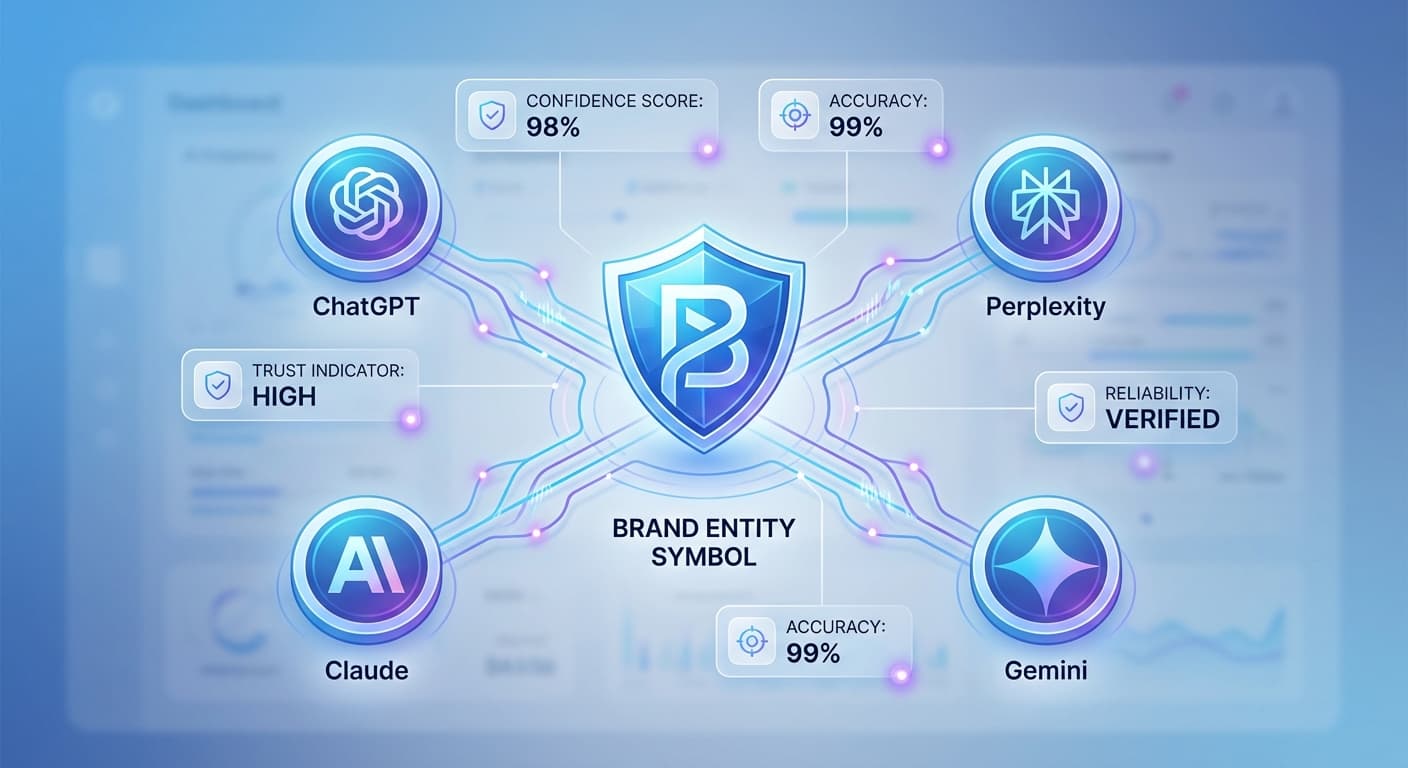
Multi-Persona Testing: Query your content from different user perspectivesCitation Pattern Analysis: Track how different user types cite your contentEngagement Depth Monitoring: Measure how different audiences interact with various content layersCross-Platform Consistency: Ensure optimization works across ChatGPT, Perplexity, Claude, and GeminiTools like Citescope Ai can help analyze how your content performs across these different personalization dimensions through their GEO Score system, which evaluates content across AI Interpretability, Semantic Richness, and Conversational Relevance—critical factors in personalized AI search.
Advanced Optimization Techniques
1. Dynamic Content Mapping
Create content maps that show how different sections serve different user profiles:
Beginner Path: Introduction → Basic concepts → Simple examples → Next stepsExpert Path: Executive summary → Advanced strategies → Implementation details → Edge casesPractitioner Path: Quick overview → Tactical steps → Tools/resources → Troubleshooting2. Contextual Keyword Clustering
Move beyond traditional keywords to contextual clusters:
Expertise-level vocabulary: Match terminology to user sophisticationIndustry-specific language: Use sector-appropriate terminologyRole-based keywords: Include terms specific to different job functionsIntent-based phrases: Address different user motivations and goals3. Citation-Worthy Content Patterns
AI engines look for specific patterns when deciding what to cite for different users:
Authoritative statements with clear attributionData-backed claims with accessible explanationsStep-by-step processes that match user capability levelsComparative analyses that help users make decisionsFuture-focused insights that position your content as forward-thinkingMeasuring Success in the Personalized Era
Key Metrics to Track
Cross-Demographic Citation Rates: How often different user types cite your contentProfile Depth Engagement: Whether users with established profiles engage more deeplyContext Relevance Scores: How well your content matches different user contextsMulti-Platform Consistency: Citation performance across different AI enginesTools and Analytics
Success in hyper-personalized AI search requires sophisticated tracking:
Monitor citation patterns across different user demographicsTrack content performance in various contextual scenariosAnalyze engagement depth by user sophistication levelMeasure cross-platform optimization effectivenessHow Citescope Ai Helps Navigate This Complexity
Optimizing for nested learning and hyper-personalization requires tools designed for this new reality. Citescope Ai's platform addresses these challenges through:
Multi-Dimensional Analysis: The GEO Score evaluates content across five critical dimensions, including AI Interpretability and Conversational Relevance—key factors in personalized searchCross-Platform Tracking: Monitor how your content performs across ChatGPT, Perplexity, Claude, and Gemini's different personalization algorithmsOptimization Intelligence: The AI Rewriter understands how to restructure content for maximum visibility across different user profilesCitation Analytics: Track when and how different user types cite your content, revealing personalization patternsThe platform's approach recognizes that modern AI search optimization isn't just about ranking—it's about relevance across multiple user contexts simultaneously.
Future-Proofing Your Content Strategy
As AI search engines continue evolving their personalization capabilities, successful content creators will:
Embrace complexity: Develop content that serves multiple user types naturallyFocus on depth: Create semantic richness that satisfies various expertise levelsMonitor continuously: Track performance across different personalization contextsAdapt quickly: Update content based on changing user profile patternsThink systematically: Approach optimization as an interconnected system, not isolated tacticsReady to Optimize for AI Search?
The shift toward nested learning and hyper-personalization represents the biggest change in search behavior since the internet began. Content that thrives in this environment requires sophisticated optimization strategies that account for multiple user contexts simultaneously.
Citescope Ai helps you navigate this complexity with tools designed specifically for modern AI search optimization. From multi-dimensional content analysis to cross-platform citation tracking, our platform gives you the insights needed to succeed in the personalized search era.
Ready to see how your content performs across different user contexts? Try Citescope Ai free for 3 optimizations and discover how personalized AI search is reshaping content discovery.