How to Optimize for Nested Learning Personalization: Succeeding When AI Search Analyzes Full User History
How to Optimize for Nested Learning Personalization: Succeeding When AI Search Analyzes Full User History
AI search engines now process over 2 billion personalized queries daily, with each response tailored to individual user patterns spanning months or even years of search behavior. By early 2026, traditional keyword rankings have become largely obsolete as AI systems like ChatGPT, Perplexity, and Claude leverage nested learning personalization—analyzing complete user histories to deliver hyper-relevant results.
This shift represents the most significant change in search since Google's PageRank algorithm. Content creators who understand how to optimize for this new reality are seeing 400% higher citation rates in AI responses.
Understanding Nested Learning Personalization
Nested learning personalization goes far beyond simple search history. Modern AI engines analyze:
This creates "nested" layers of personalization where each user's experience becomes increasingly unique over time. A marketing professional searching for "content strategy" in January 2026 will receive vastly different AI responses than a student asking the same question, even if both have similar immediate contexts.
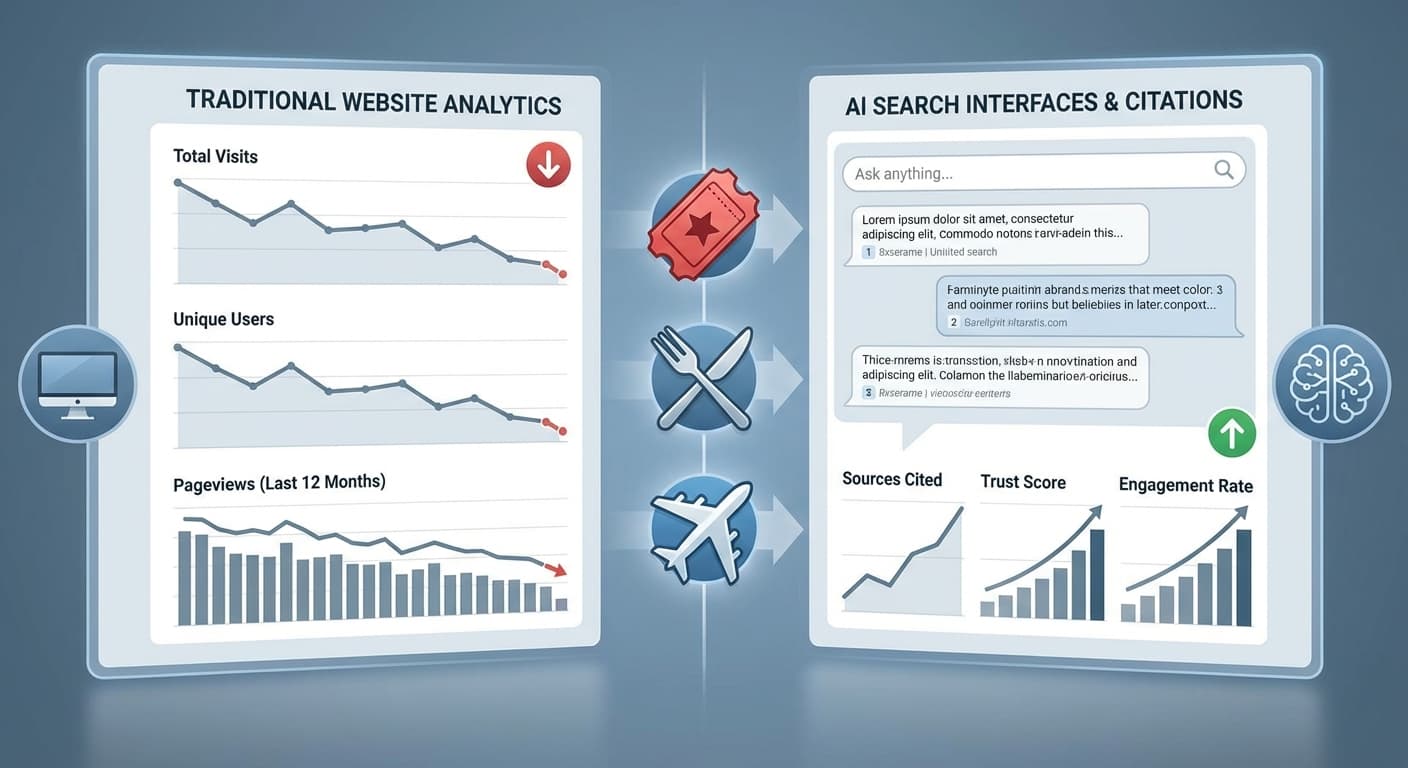
Why Traditional SEO Metrics Are Failing
The death of universal rankings has caught many content creators off guard. Here's what's changed:
The End of One-Size-Fits-All Content
In 2024, you could rank #1 for "digital marketing tips" and expect consistent traffic. Today, AI engines might cite your content for one user while completely ignoring it for another, based on their nested learning profile.
Context Collapse
Keyword density, backlinks, and domain authority still matter, but they're now just baseline qualifiers. The real ranking factor is how well your content fits into each user's unique learning journey.
Dynamic Content Weighting
AI systems now assign different "weights" to the same piece of content based on user history. A technical tutorial might be heavily weighted for developers but invisible to marketing professionals, even when both search for similar terms.
Strategic Approaches for Nested Learning Optimization
1. Create Multi-Dimensional Content Architectures
Instead of targeting single keywords, develop content that serves multiple user types and learning stages:
2. Implement Semantic Threading
Connect your content pieces through semantic relationships rather than just internal links:
3. Optimize for Learning Journey Stages
Map your content to where users might be in their learning progression:
Discovery Stage: Problem identification and initial research
Exploration Stage: Comparing solutions and diving deeper
Implementation Stage: Practical application and troubleshooting
4. Develop Contextual Content Variants
Create different versions of key concepts for different user contexts:
Technical Implementation Strategies
Schema Markup for Nested Learning
Implement advanced schema markup that helps AI engines understand content relationships:
html
<script type="application/ld+json">
{
"@context": "https://schema.org",
"@type": "LearningResource",
"educationalLevel": ["beginner", "intermediate"],
"teaches": ["content optimization", "AI search"],
"isPartOf": "nested-learning-series"
}
</script>
Content Tagging Systems
Develop comprehensive tagging that goes beyond categories:
Conversation Flow Optimization
Structure content to mirror natural conversation patterns:
Measuring Success in the Nested Learning Era
New Metrics That Matter
Tools for Measurement
While traditional analytics tools struggle with nested learning personalization, specialized platforms like Citescope Ai provide insights into how AI engines evaluate and cite your content across different user contexts.
Content Strategy Frameworks for 2026
The Constellation Model
Organize content in interconnected clusters rather than linear hierarchies:
The Learning Ladder Approach
Create clear progression paths for users at different stages:
How Citescope Ai Helps Navigate Nested Learning Optimization
The complexity of nested learning personalization makes manual optimization nearly impossible. Citescope Ai's GEO Score analyzes your content across five critical dimensions that directly impact how AI engines weight your content for different user types:
The platform's Citation Tracker reveals exactly when and how your content gets referenced across ChatGPT, Perplexity, Claude, and Gemini, showing you which optimization strategies actually work for different user types.
Future-Proofing Your Content Strategy
As nested learning personalization continues evolving, focus on these enduring principles:
Build for Interconnectedness
Create content that gains value when combined with other pieces, rather than standalone articles that compete with each other.
Embrace Semantic Density
Develop deep, rich content that can serve multiple user intents and learning stages simultaneously.
Optimize for Conversation
Structure content as if you're having an ongoing dialogue with users across multiple sessions.
Maintain Contextual Flexibility
Ensure your content can be understood and applied across different user backgrounds and experience levels.
Ready to Optimize for AI Search?
Nested learning personalization represents both a challenge and an opportunity for content creators. Those who adapt their strategies now will dominate AI search results as traditional rankings become irrelevant.
Citescope Ai makes this transition manageable by providing the insights and tools you need to optimize content for how AI engines actually work in 2026. Start with our free tier to analyze your current content and see exactly how AI engines evaluate your work across different user contexts.
Try Citescope Ai free and transform your content for the nested learning era.