How to Optimize for Real-Time Personalization When AI Search Results Eliminate Universal Rankings
How to Optimize for Real-Time Personalization When AI Search Results Eliminate Universal Rankings
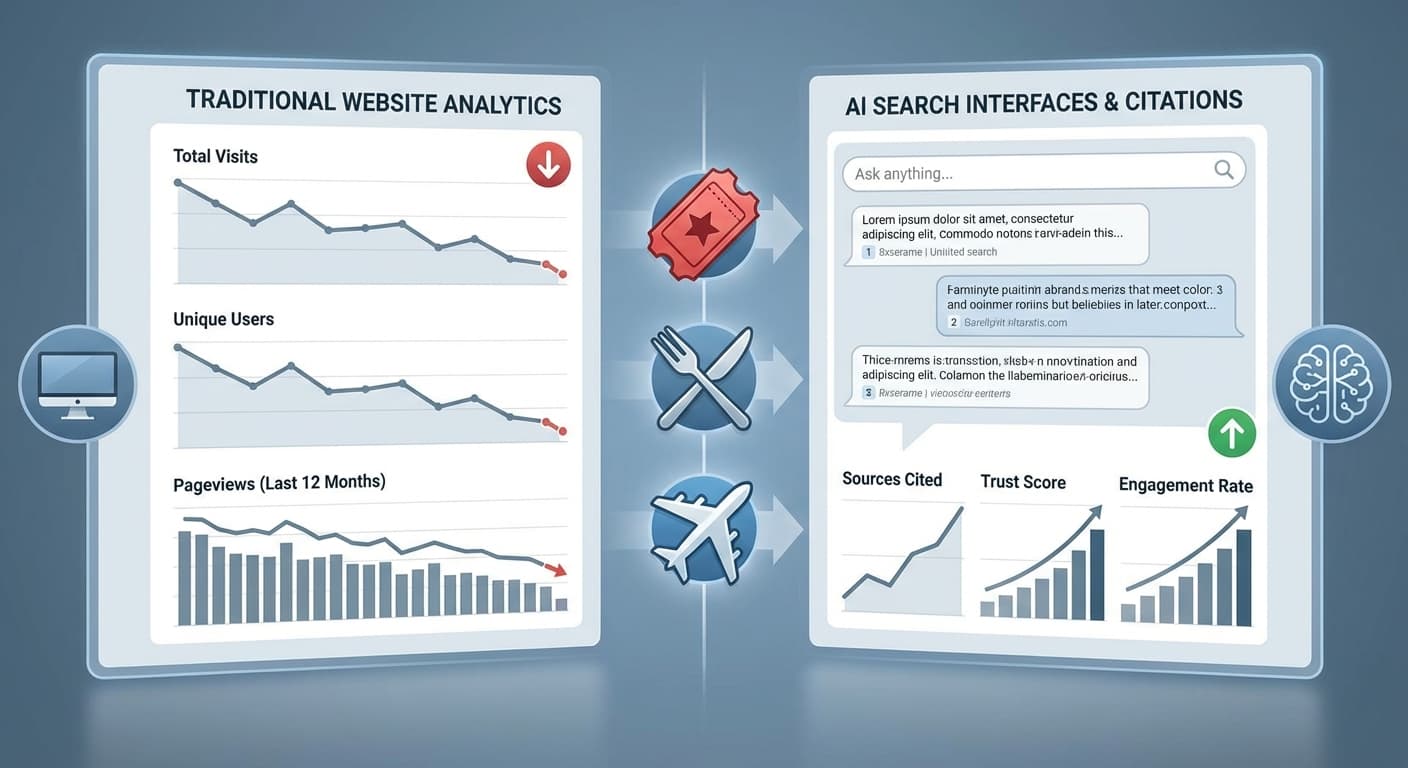
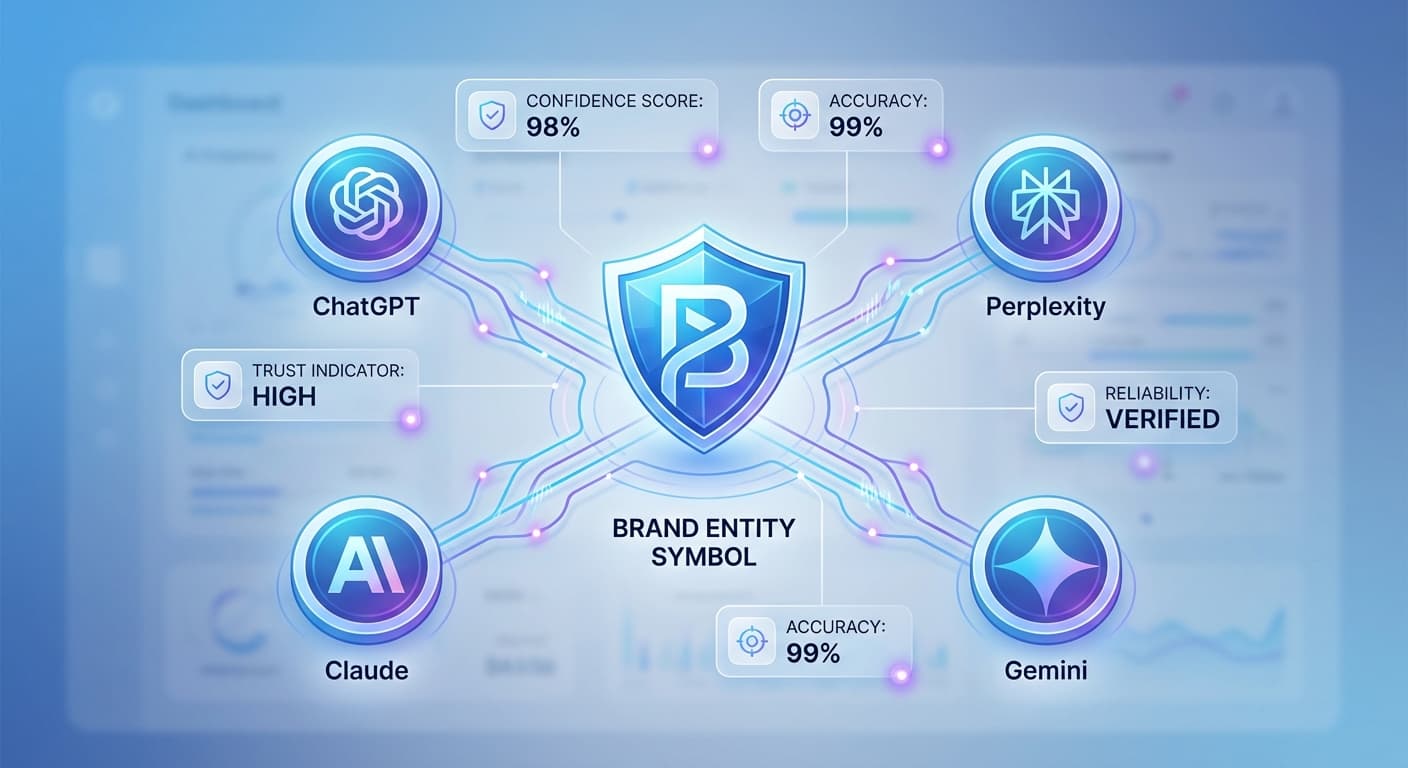
By 2026, over 85% of AI search results are personalized based on user context, conversation history, and real-time intent signals. Yet most content creators are still chasing the ghost of "position 1" rankings that no longer exist in AI search engines like ChatGPT, Perplexity, Claude, and Gemini.
The reality? There is no universal "first result" anymore. AI engines deliver hyper-personalized responses based on individual user patterns, making traditional SEO metrics obsolete. If your content strategy is still targeting generic rankings, you're optimizing for a world that disappeared two years ago.
The Death of Universal Rankings in AI Search
Traditional search engines served the same results to everyone searching for "best project management software." AI search engines in 2026 consider:
A startup founder asking about project management gets different AI responses than a Fortune 500 operations manager, even with identical query wording. This fundamental shift means your content needs to serve multiple personalized pathways rather than competing for a single top spot.
Understanding Real-Time Personalization Signals
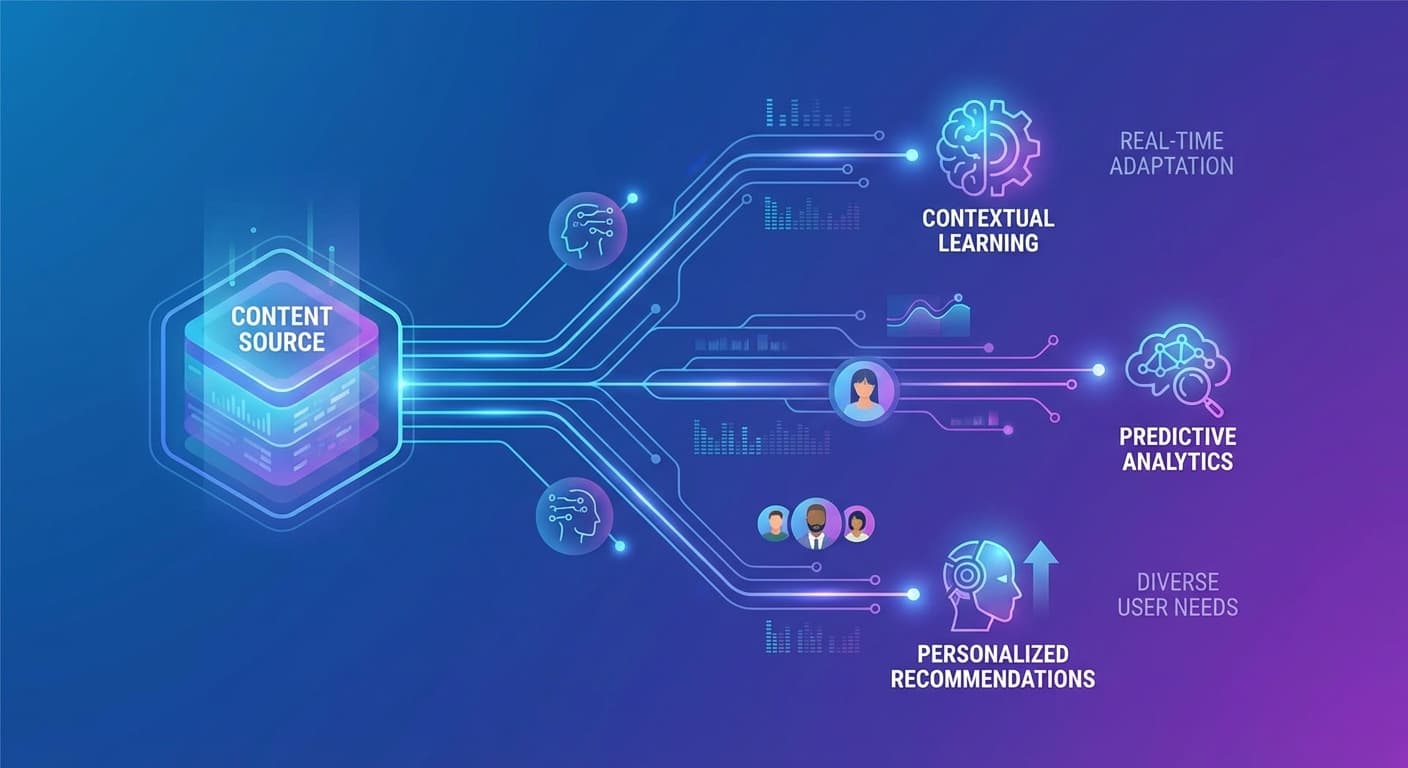
AI search engines analyze dozens of personalization factors in milliseconds:
Contextual Signals
Behavioral Patterns
Environmental Factors
The Multi-Dimensional Content Strategy Framework
Successful AI optimization in 2026 requires creating content that serves multiple personalization pathways simultaneously:
1. Layer Your Content Architecture
Structure content with multiple entry points and depth levels:
2. Embed Multiple User Personas
Within a single piece of content, address different user types:
markdown
For Beginners
[Basic explanation and simple steps]
For Experienced Users
[Advanced techniques and optimization tips]
For Enterprise Teams
[Scalability considerations and team workflows]
3. Create Contextual Bridges
Help AI engines understand how different sections relate to various user contexts:
Advanced Personalization Optimization Techniques
Semantic Layering for Multi-Context Relevance
Modern AI engines excel at understanding semantic relationships. Optimize for multiple related concepts within single content pieces:
For example, a project management article should semantically connect to team collaboration, workflow automation, productivity optimization, and leadership challenges.
Dynamic Content Signals
Embed signals that help AI engines understand when your content applies to specific contexts:
Intent Multiplexing
Address multiple search intents within cohesive content:
Real-World Implementation Examples
Case Study: SaaS Marketing Content
A successful B2B SaaS company restructured their "Customer Onboarding Best Practices" content to serve multiple personalization pathways:
Traditional approach: Generic best practices list
Personalized approach:
Result: 340% increase in AI search citations across multiple user contexts.
Implementation Checklist
Measuring Success in a Personalized World
Traditional ranking metrics don't work when there are no universal rankings. Focus on:
Citation Diversity Metrics
Engagement Quality Indicators
Tools like Citescope Ai help track these new metrics by monitoring when and how your content gets cited across different AI search contexts, providing insights into which personalization pathways are most effective.
How Citescope Ai Helps Navigate Personalized AI Search
Citescope Ai's GEO Score analyzes your content across five dimensions specifically designed for AI search optimization, including Conversational Relevance and Semantic Richness—two critical factors for personalized AI responses.
The platform's AI Rewriter automatically restructures content to serve multiple user contexts while maintaining coherent flow. Instead of optimizing for a single "position 1" that no longer exists, you can optimize for multiple personalization pathways simultaneously.
The Citation Tracker shows exactly how different AI engines cite your content across various user scenarios, helping you identify which personalization strategies drive the most diverse and valuable citations.
Future-Proofing Your Personalization Strategy
Emerging Trends to Watch
Building Adaptive Content Systems
Create content frameworks that can evolve with advancing personalization:
Ready to Optimize for AI Search?
The shift from universal rankings to real-time personalization represents the biggest change in search since Google's inception. Success in 2026 requires embracing multiple user pathways within single content pieces.
Citescope Ai helps you navigate this complexity with tools specifically designed for personalized AI search optimization. Our GEO Score identifies personalization opportunities, while our Citation Tracker shows how your content performs across different user contexts.
Start your free trial today and transform your content strategy from chasing non-existent universal rankings to capturing diverse, personalized AI search opportunities.