How to Optimize PR Content for AI-Driven Media Discovery When Newsrooms Demand Machine-Readable Formats

How to Optimize PR Content for AI-Driven Media Discovery When Newsrooms Demand Machine-Readable Formats
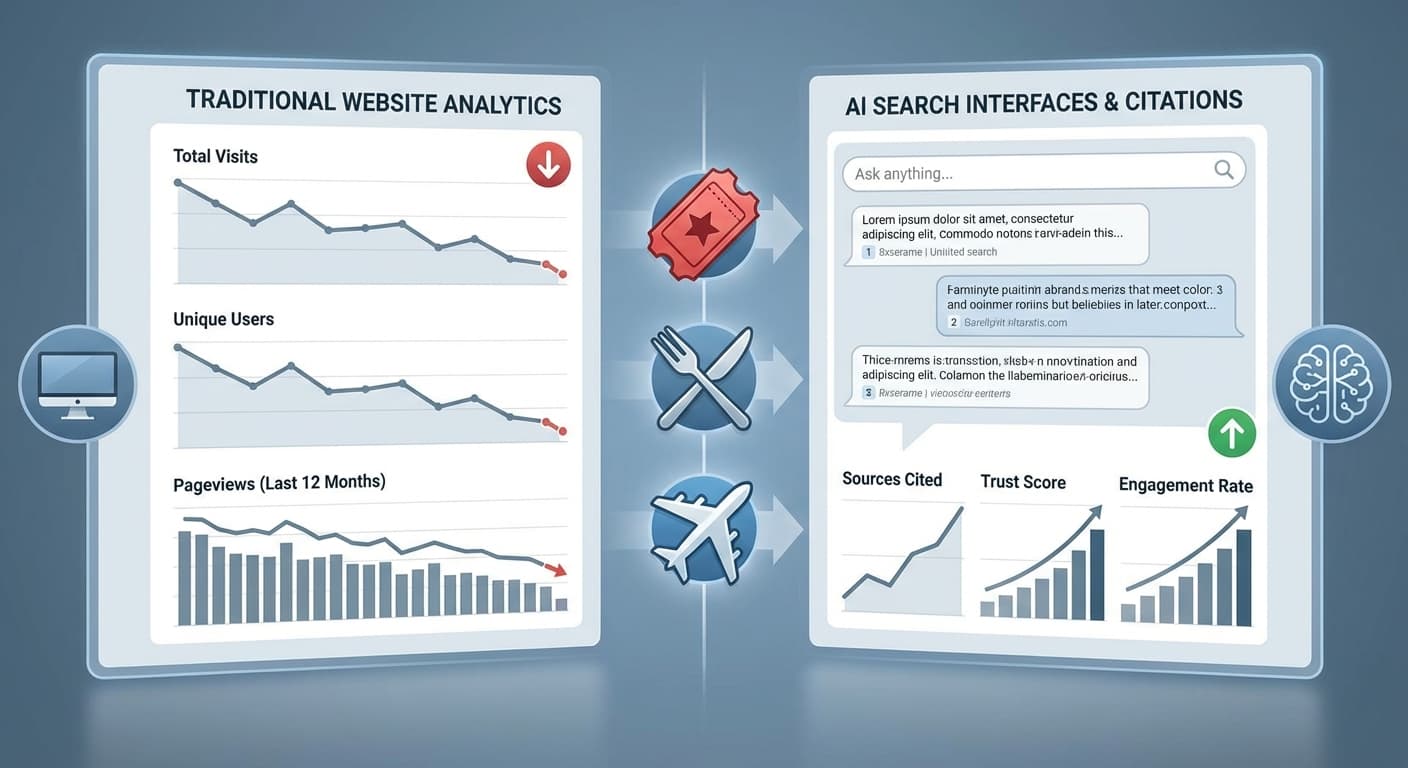
In 2026, over 85% of newsrooms use AI tools to filter, analyze, and prioritize press releases. Yet 73% of PR professionals still send content in traditional formats that AI systems struggle to parse effectively. This disconnect is costing brands millions in missed media coverage and reduced visibility in the AI-powered answer economy.
The media landscape has fundamentally shifted. Journalists now rely on AI assistants to sift through hundreds of daily pitches, while news organizations use machine learning algorithms to identify trending stories and source credible information. Meanwhile, AI search engines like ChatGPT, Perplexity, and Claude increasingly surface news content to answer user queries about breaking developments, company updates, and industry trends.
The New Reality: AI-First Media Consumption
Today's media ecosystem operates on machine-readable intelligence. News aggregators, journalist AI tools, and editorial systems prioritize content that can be quickly processed, fact-checked, and categorized. Traditional press releases—with their dense paragraphs, buried key information, and marketing-heavy language—often get filtered out before human eyes ever see them.
Consider these 2026 statistics:
Why Traditional PR Formats Fail in AI Systems
Poor Information Hierarchy
Traditional press releases bury the lead in corporate speak. AI systems scan for clear, factual information presented in logical order. When your key announcement is hidden in the third paragraph after company background, algorithms move on to more accessible sources.
Lack of Semantic Structure
AI engines excel at understanding relationships between entities, dates, and concepts. Press releases that don't explicitly connect these elements miss opportunities for algorithmic comprehension and citation.
Marketing Language vs. Factual Content
Journalists and AI systems prioritize factual, newsworthy information. Promotional language triggers spam filters and reduces credibility scores in automated evaluation systems.
Building Machine-Readable PR Content
Start with Structured Data Markup
Implement schema markup for press releases, including:
html
<script type="application/ld+json">
{
"@context": "https://schema.org",
"@type": "NewsArticle",
"headline": "TechCorp Raises $50M Series B",
"datePublished": "2026-01-15",
"publisher": {
"@type": "Organization",
"name": "TechCorp"
}
}
</script>
Lead with the Five W's Framework
Structure your opening paragraph to immediately answer:
Use Inverted Pyramid Structure
Implement Clear Information Hierarchy
markdown
Primary Announcement
[Key news in 1-2 sentences]
Key Details
Market Context
[Industry background and competitive positioning]
Company Background
[Relevant company information]
Optimizing for AI Answer Engines
Create Quotable Fact Blocks
AI search engines often extract specific information to answer user queries. Structure key data points as standalone, citable facts:
Use Natural Language Questions
Include questions that readers might ask AI systems:
Q: How much funding did TechCorp raise?
A: TechCorp raised $50 million in Series B funding led by Venture Capital Partners.
Q: What will TechCorp use the funding for?
A: The company will use the funding for product development and expansion into new markets.
Optimize for Featured Snippets
Structure content to answer common queries:
Building Newsroom-Ready Content
Provide Multiple Format Options
Offer your content in formats that different systems can easily process:
Include Multimedia Assets
Package complementary assets that AI systems can analyze:
Create Fact Sheets and Data Appendices
Separate detailed information into machine-readable formats:
Key Metrics
Distribution Strategy for AI Discovery
Multi-Channel Optimization
Timing and Frequency
How Citescope Ai Helps
Transforming traditional PR content for AI discovery requires understanding how machine learning systems interpret and cite information. Citescope Ai's GEO Score analyzes your press releases across five critical dimensions—AI Interpretability, Semantic Richness, Conversational Relevance, Structure, and Authority—providing specific recommendations for improving machine readability.
The platform's AI Rewriter can restructure traditional press releases into formats optimized for both newsroom AI tools and search engines, while the Citation Tracker monitors when your content gets referenced by major AI platforms, helping you measure the impact of your optimization efforts.
Measuring AI-Driven Media Success
Key Performance Indicators
Analytics Tools
Implement tracking for:
Future-Proofing Your PR Strategy
As AI systems become more sophisticated, content that follows machine-readable principles will increasingly dominate media coverage. Organizations that adapt their PR strategies now will gain significant competitive advantages in earning media attention and AI search visibility.
The transition requires investment in new processes, tools, and training, but the payoff—measured in increased media coverage, brand visibility, and thought leadership positioning—justifies the effort. Companies that continue relying on traditional formats will find themselves increasingly invisible in the AI-driven media landscape.
Ready to Optimize for AI Search?
Transforming your PR content for AI discovery doesn't have to be overwhelming. Citescope Ai's comprehensive platform helps you analyze, optimize, and track your press releases for maximum visibility in both newsrooms and AI search engines. Start with our free tier and see how machine-readable content can amplify your media impact. Try Citescope Ai free today and join the growing number of PR professionals who are winning in the AI answer economy.