How to Optimize Product Data for AI Agent Gatekeepers When Autonomous Shopping Assistants Complete Purchase Decisions Without Analyzing Your Website

How to Optimize Product Data for AI Agent Gatekeepers When Autonomous Shopping Assistants Complete Purchase Decisions Without Analyzing Your Website
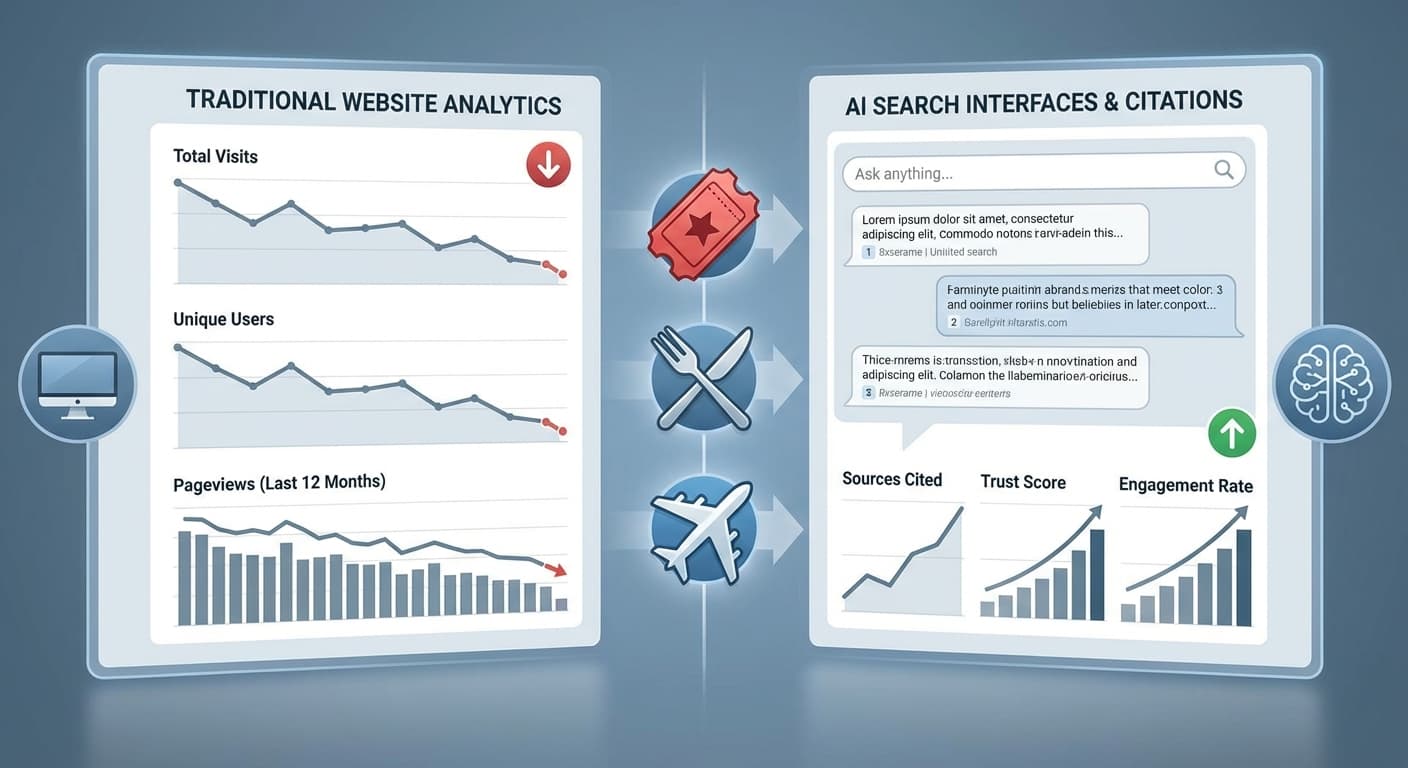
By 2026, a startling 45% of all e-commerce purchases are being initiated or completed by autonomous AI shopping assistants. These AI agents—integrated into platforms like ChatGPT's Shopping Plugin, Google's AI Shopping, and Amazon's Rufus—are making product recommendations and purchase decisions without ever visiting your actual website. Instead, they're relying on structured product data, third-party reviews, and aggregated information to guide consumers through their buying journey.
This fundamental shift means that traditional website optimization strategies are no longer enough. Your beautifully designed product pages, compelling copy, and conversion-optimized checkout flows become irrelevant if AI agents never send traffic your way in the first place.
The Rise of AI Shopping Gatekeepers
The shopping landscape has transformed dramatically over the past year. Recent studies show that 68% of Gen Z consumers now use AI assistants for product research, while 52% trust AI recommendations over traditional search results. These AI shopping agents act as digital gatekeepers, filtering through millions of products to present only the most relevant options to consumers.
Unlike traditional search engines that direct users to websites, AI shopping assistants often complete the entire purchase funnel within their own interface. They compare products, read reviews, check prices, and even initiate purchases—all without the consumer ever leaving the AI platform.
Key Statistics Driving This Shift:
How AI Agents Evaluate Products
To optimize for AI shopping gatekeepers, you first need to understand how these systems evaluate and rank products. AI shopping assistants use sophisticated algorithms that analyze multiple data points:
1. Structured Product Data
AI agents heavily rely on structured data formats like schema markup, product feeds, and API integrations. They prioritize products with:
2. Review and Rating Signals
AI systems aggregate review data from multiple sources to assess product quality:
3. Brand Authority and Trust Signals
AI agents evaluate brand credibility through:
4. Competitive Positioning
AI shopping assistants compare products within categories by analyzing:
Strategic Optimization for AI Shopping Gatekeepers
1. Perfect Your Product Data Foundation
The backbone of AI visibility is pristine product data. AI agents can't recommend what they can't properly understand.
Essential Data Elements:
Implementation Tips:
2. Implement Advanced Schema Markup
Structured data is the language AI agents speak fluently. Implement comprehensive schema markup for:
3. Optimize for Conversational Commerce
AI shopping assistants excel at natural language interactions. Optimize your product information for conversational queries:
Question-Based Optimization:
Natural Language Descriptions:
4. Leverage Multi-Platform Review Strategies
Since AI agents aggregate review data from multiple sources, implement a comprehensive review acquisition strategy:
5. Build AI-Friendly Product Feeds
Create comprehensive product feeds that AI shopping platforms can easily ingest:
Feed Optimization Best Practices:
Advanced AI Optimization Techniques
1. Semantic Product Clustering
Group related products using semantic relationships that AI agents can understand:
2. Intent-Based Content Architecture
Structure product information around customer intent patterns:
3. AI-Optimized Product Categorization
Develop categorization systems that align with how AI agents understand product relationships:
Citescope Ai's GEO Score analyzes how well your product content performs across these critical dimensions, helping you identify optimization opportunities that traditional SEO tools miss.
Measuring AI Shopping Performance
Track your success in AI shopping environments through these key metrics:
Primary KPIs:
Secondary Metrics:
Common Optimization Pitfalls to Avoid
1. Inconsistent Data Across Channels
AI agents compare information from multiple sources. Inconsistencies in pricing, descriptions, or availability can hurt your credibility.
2. Over-Optimization for Keywords
While keywords matter, AI agents prioritize natural language and semantic meaning over keyword density.
3. Neglecting Mobile-First Descriptions
AI shopping assistants often operate on mobile devices. Ensure your product information is concise and mobile-friendly.
4. Ignoring Long-Tail Product Queries
AI agents excel at handling specific, detailed queries. Optimize for niche product searches and specific use cases.
How Citescope Ai Helps
Optimizing for AI shopping gatekeepers requires a different approach than traditional e-commerce SEO. Citescope Ai's specialized tools help you navigate this new landscape:
The platform's AI Interpretability scoring specifically evaluates how well AI shopping assistants can understand and recommend your products, giving you actionable insights for improvement.
The Future of AI Shopping Optimization
As AI shopping assistants become more sophisticated, several trends will shape optimization strategies:
Ready to Optimize for AI Shopping Gatekeepers?
The shift to AI-mediated commerce isn't coming—it's here. Brands that optimize for AI shopping gatekeepers today will capture market share while competitors struggle to adapt. Citescope Ai provides the specialized tools and insights you need to ensure your products are visible and recommended by the AI agents that increasingly control the customer journey.
Start your free trial today and discover how your products perform in the AI shopping landscape. With three free optimizations per month, you can begin transforming your product data for the AI-first commerce world.