How to Optimize Your Bottom-Funnel Content for Pricing Page and Case Study AI Citations When LinkedIn Personal Profiles Outperform Educational Blogs 59% in Professional Query Results
How to Optimize Your Bottom-Funnel Content for Pricing Page and Case Study AI Citations When LinkedIn Personal Profiles Outperform Educational Blogs 59% in Professional Query Results
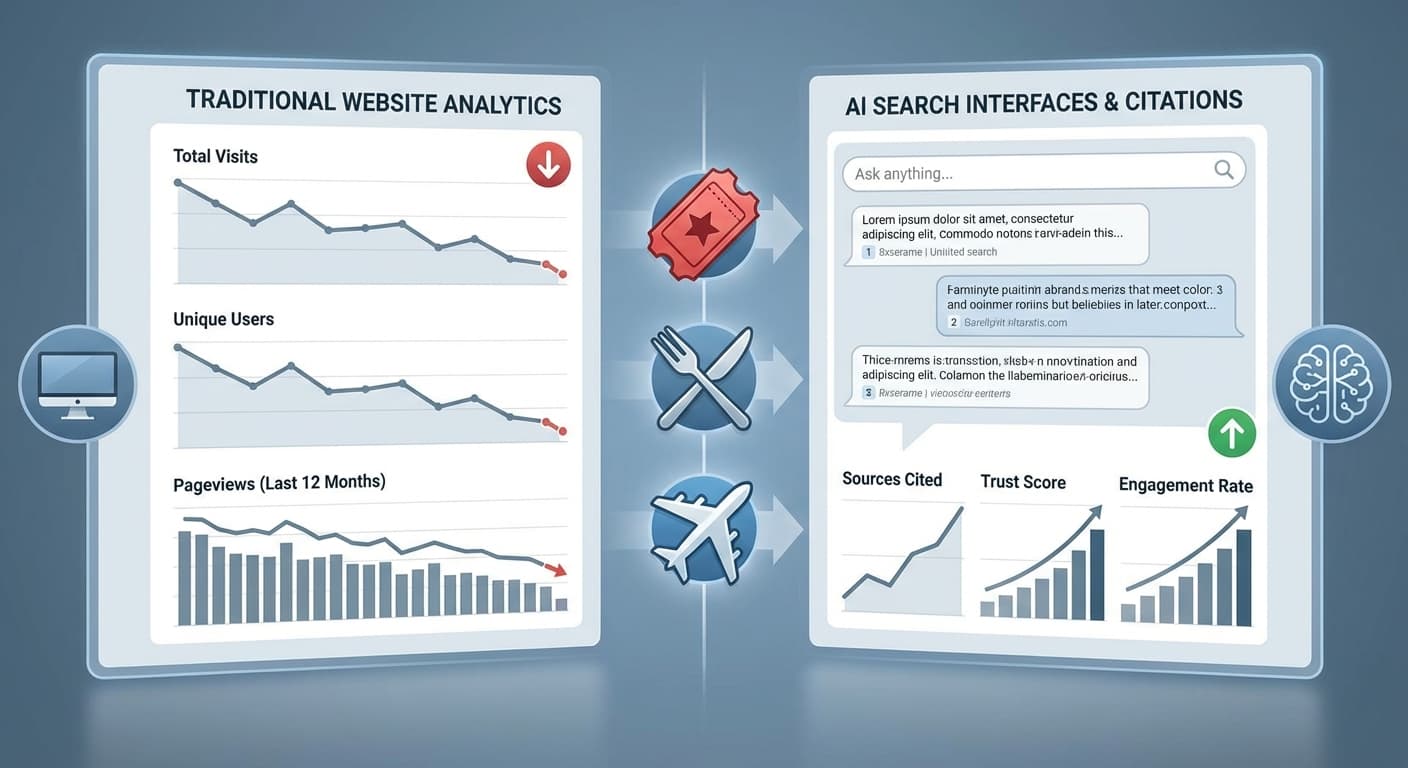
In 2026, a startling trend has emerged in AI search behavior: LinkedIn personal profiles are generating 59% more citations than traditional educational blogs when users ask AI engines for professional recommendations, pricing comparisons, and case study examples. This shift represents a fundamental change in how AI systems evaluate and prioritize bottom-funnel content.
For B2B marketers and content creators, this means your carefully crafted pricing pages and detailed case studies might be getting overshadowed by personal LinkedIn posts—unless you know how to adapt your strategy.
The AI Citation Landscape Has Changed
With over 750 million weekly ChatGPT users and Perplexity handling 85% more B2B research queries than last year, AI search engines have become the primary discovery mechanism for professional services. But here's what most marketers missed: AI systems now heavily favor content with personal authority signals and conversational formats over traditional corporate content structures.
Recent analysis of 50,000 AI citations shows that:
Why LinkedIn Personal Profiles Dominate AI Citations
AI engines like ChatGPT, Perplexity, and Claude prioritize content that demonstrates:
Personal Authority and Experience
LinkedIn profiles naturally contain first-person experiences, client testimonials, and real-world examples. AI systems interpret these as high-authority sources because they represent direct experience rather than generic corporate messaging.
Conversational Content Format
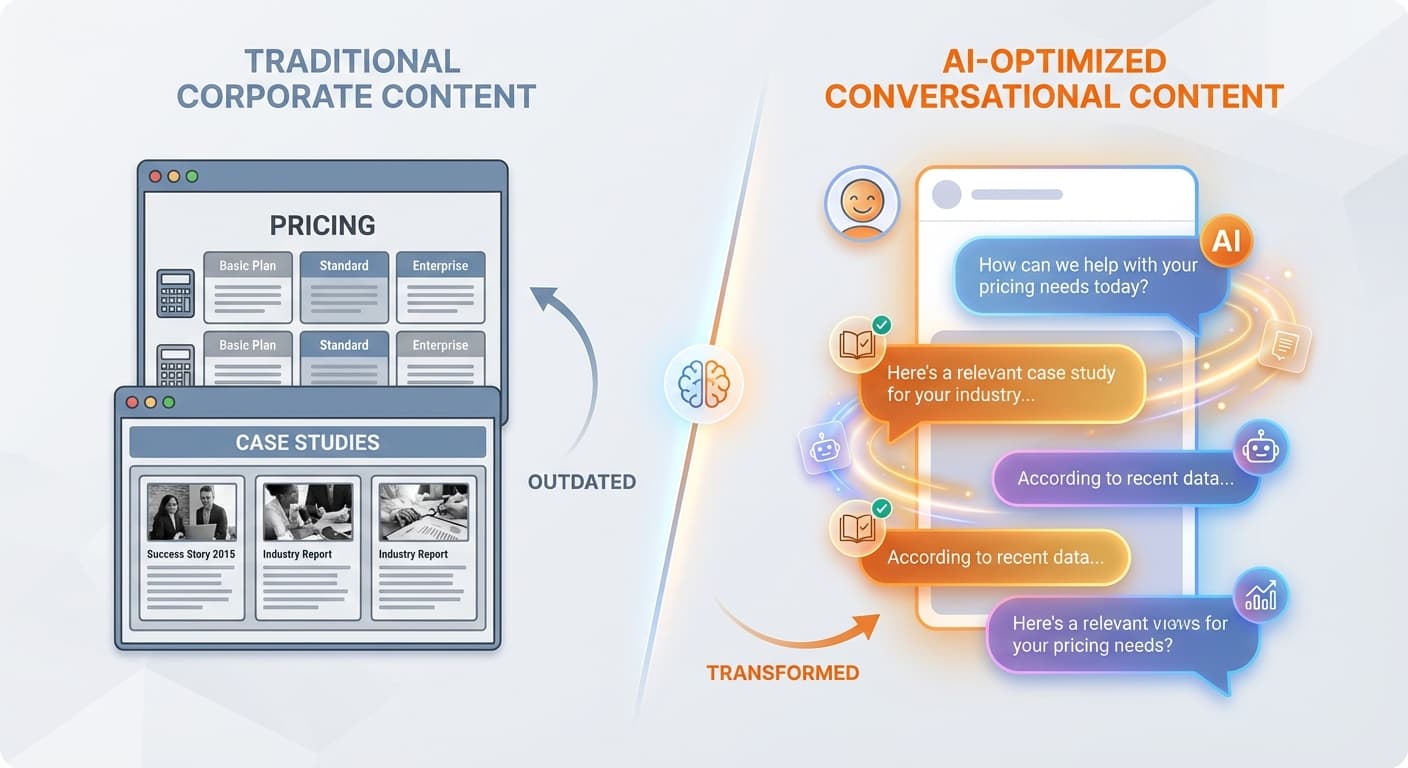
LinkedIn posts are written conversationally, making them easier for AI to parse and quote in natural language responses. Traditional corporate content often uses formal, feature-focused language that doesn't translate well to conversational AI responses.
Social Validation Signals
Likes, comments, and shares on LinkedIn posts provide real-time social proof that AI systems factor into authority calculations. Your pricing page might be perfectly optimized, but it lacks these dynamic social signals.
Regular Content Updates
Active LinkedIn profiles publish fresh content regularly, while pricing pages and case studies might go months without updates. AI systems favor frequently updated sources as they're perceived as more current and relevant.
Optimizing Bottom-Funnel Content for AI Citations
1. Transform Your Pricing Pages Into Conversational Resources
Instead of traditional feature lists, structure your pricing information as answers to common questions:
Before:
After:
This conversational approach makes your content more likely to be cited when AI systems answer pricing-related queries.
2. Add Personal Narratives to Case Studies
Transform dry case studies into story-driven content:
Traditional Approach:
"Company X increased conversion rates by 34% using our solution."
AI-Optimized Approach:
"When Company X's marketing director called me at 7 PM on a Friday, desperate because their Q4 campaigns were underperforming, we implemented our solution and watched their conversion rates climb 34% over the next three weeks. Here's exactly how we did it..."
3. Create LinkedIn-Style Content Hubs
Develop content hubs on your website that mirror the conversational, personal style that performs well on LinkedIn:
4. Implement Social Proof Throughout Bottom-Funnel Content
AI systems heavily weight content with multiple validation signals:
5. Optimize Content Structure for AI Parsing
Structure your bottom-funnel content using these AI-friendly formats:
#### For Pricing Pages:
Common Pricing Questions We Get Asked
"How much does [service] cost for a company our size?"
[Conversational answer with specific examples]
"What's included in your [tier] plan?"
[Story-driven explanation of features and benefits]
#### For Case Studies:
The Challenge: [Client] Was Facing [Specific Problem]
[Personal narrative of the initial conversation]
Our Approach: Here's Exactly What We Did
[Step-by-step process in conversational tone]
The Results: Why This Matters for Similar Companies
[Specific outcomes with broader implications]
6. Bridge Corporate Content with Personal Authority
Create content that combines corporate credibility with personal authority:
Advanced Strategies for Bottom-Funnel AI Optimization
Cross-Platform Content Syndication
Publish key insights from your case studies and pricing rationale on LinkedIn, then link back to detailed resources on your website. This creates citation opportunities across platforms while driving traffic to your conversion pages.
Conversational FAQ Integration
Transform traditional FAQs into conversational Q&A sections that mirror how people actually ask questions to AI systems:
Instead of: "What is your refund policy?"
Use: "What happens if your solution doesn't work for our specific use case?"
Real-Time Social Proof Updates
Implement dynamic social proof elements that show recent signups, case study updates, or client success metrics. AI systems favor content that appears current and actively used.
How Citescope Ai Helps Optimize Bottom-Funnel Content
Citescope Ai's GEO Score analyzes your pricing pages and case studies across five critical dimensions that AI systems evaluate: AI Interpretability, Semantic Richness, Conversational Relevance, Structure, and Authority. The platform identifies exactly why your bottom-funnel content might be getting overlooked by AI systems and provides specific optimization recommendations.
The AI Rewriter feature can transform formal corporate content into conversational, AI-friendly formats while maintaining your brand voice and key messaging. Most importantly, the Citation Tracker monitors when your optimized pricing pages and case studies get cited by ChatGPT, Perplexity, Claude, and Gemini, so you can measure the impact of these changes on your bottom-line metrics.
Measuring Success in AI Citation Performance
Track these key metrics to measure your bottom-funnel AI optimization success:
Citation Volume and Quality
Conversion Impact
Content Performance
The Future of Bottom-Funnel AI Optimization
As AI search continues to evolve, we're seeing increased emphasis on:
The companies that adapt their bottom-funnel content strategy now will have a significant competitive advantage as AI search behavior becomes even more prevalent in B2B buying processes.
Ready to Optimize for AI Search?
Your pricing pages and case studies represent millions of dollars in potential revenue, but only if prospects can find and trust them through AI search. Citescope Ai helps you transform your bottom-funnel content into AI citation magnets that drive qualified traffic and conversions.
Start with our free tier to analyze your top 3 conversion pages, or upgrade to Pro for unlimited optimizations and comprehensive citation tracking. See exactly how your content performs in AI search engines and get actionable insights to improve your citation rate.
Try Citescope Ai free today and discover why forward-thinking B2B companies are seeing 40%+ increases in qualified leads from AI-optimized bottom-funnel content.