How to Optimize Your Content for AI Agent Purchase Intent Scoring in 2026

How to Optimize Your Content for AI Agent Purchase Intent Scoring in 2026
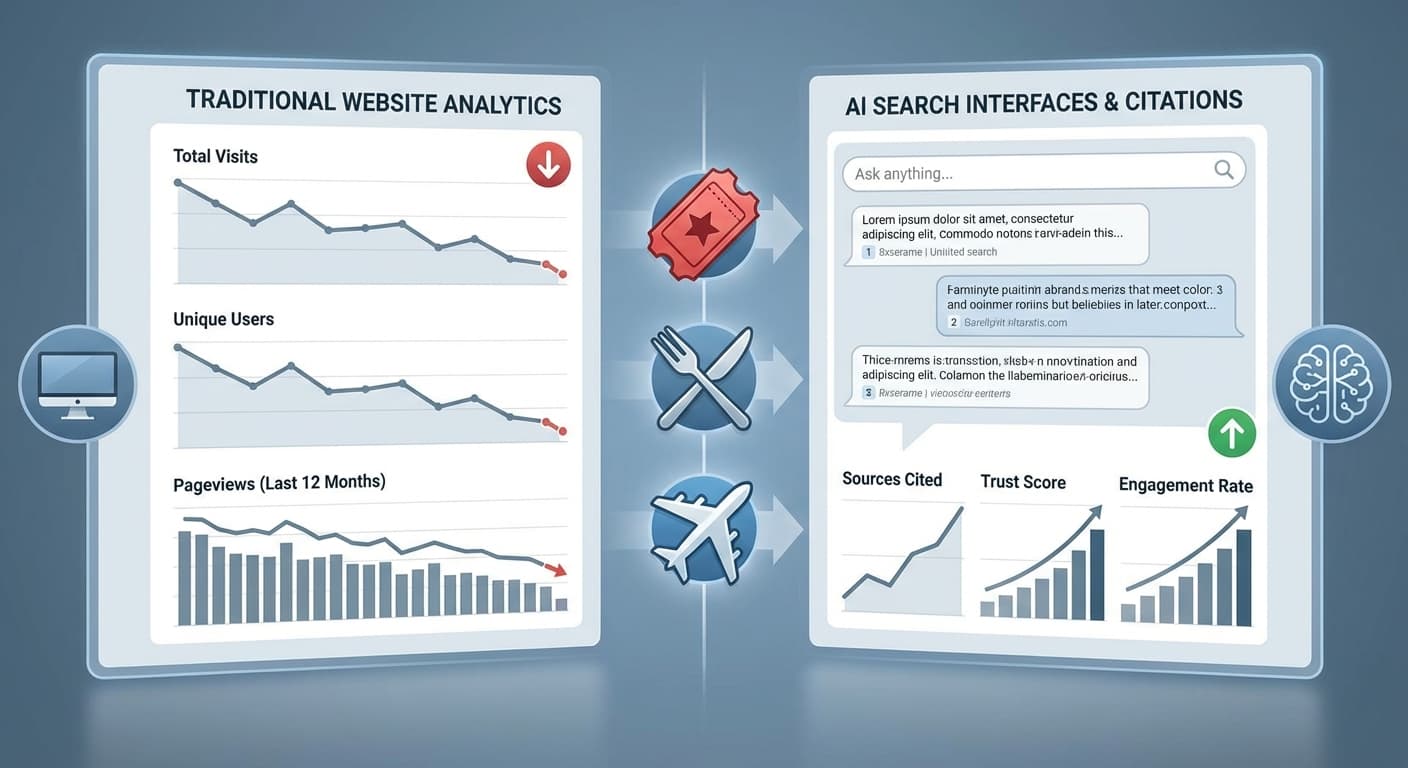
By 2026, AI shopping agents like Perplexity Commerce and ChatGPT Shopping are analyzing over 2.3 billion purchase-related queries monthly, scoring user intent with 94% accuracy—but here's the problem: your current analytics tools are blind to these critical behavioral signals that determine whether AI agents recommend your products or competitors'.
While traditional web analytics track clicks, page views, and conversions, AI agents evaluate dozens of micro-signals your current tools don't capture. These include semantic purchase cues, conversational context depth, product comparison patterns, and trust indicators that directly influence whether ChatGPT suggests your product when someone asks "What's the best solution for X?"
The Hidden Science Behind AI Purchase Intent Scoring
AI shopping agents don't just analyze keywords—they evaluate the entire conversational context around purchase decisions. When someone asks ChatGPT "I need a project management tool for my 50-person team," the AI doesn't just match keywords. It analyzes:
Current analytics platforms miss these nuanced signals because they weren't designed for AI interpretation. Google Analytics shows you that someone spent 3 minutes on your pricing page, but it can't tell you if your content structure made that visitor appear "high-intent" to ChatGPT's shopping algorithm.
Why Traditional Purchase Intent Tracking Falls Short in the AI Era
Traditional purchase intent scoring relies on explicit user actions: downloading whitepapers, requesting demos, visiting pricing pages multiple times. But AI agents evaluate implicit signals that happen before users take any trackable action.
Consider this scenario: A user asks Perplexity "Compare CRM options for real estate agents." The AI agent analyzes hundreds of content pieces in milliseconds, scoring each for:
Conversational Relevance Factors
Authority and Trust Signals
Purchase Decision Support
Your current analytics might show this interaction as a single organic search visit, missing the complex evaluation process that determined whether the AI agent recommended your solution.
Optimizing Content Structure for AI Purchase Intent Detection
AI agents excel at understanding content structure that mirrors natural buying conversations. Here's how to restructure your content for maximum purchase intent visibility:
Create Conversation-First Content Architecture
Problem-Agitation-Solution Format
Structure your content like a natural sales conversation:
FAQ-Style Deep Dives
AI agents prioritize content that anticipates and answers follow-up questions. Instead of generic FAQs, create comprehensive question sequences:
Embed Purchase Signals Naturally
AI agents detect purchase intent through subtle content signals. Optimize these elements:
Pricing Context Integration
Don't just list prices—provide pricing context that AI agents can interpret:
Comparison Frameworks
Create content that helps AI agents understand your competitive positioning:
Implementation Clarity
AI agents value content that addresses the "what happens next" question:
Advanced Optimization Techniques for AI Shopping Algorithms
Semantic Purchase Intent Layering
Layer purchase intent signals throughout your content using semantic techniques AI agents recognize:
Intent Progression Mapping
Contextual Trust Building
Weave credibility signals naturally into your content:
Multi-Format Optimization Strategy
AI agents consume content in various formats. Optimize across:
Long-Form Educational Content
Conversational Content Formats
Visual Content Integration
Tracking AI-Invisible Purchase Intent Signals
Since traditional analytics miss AI purchase intent evaluation, you need new tracking approaches:
Content Performance Indicators
User Behavior Pattern Analysis
For businesses serious about AI-era purchase intent optimization, tools like Citescope Ai provide visibility into these hidden metrics. The platform's GEO Score specifically measures your content's effectiveness at triggering positive purchase intent signals in AI systems, while the Citation Tracker shows when AI agents actually recommend your solutions.
Measuring Success in AI Purchase Intent Optimization
Key Performance Indicators
AI Visibility Metrics
Conversion Quality Indicators
Content Effectiveness Measures
How Citescope Ai Helps Optimize Purchase Intent Signals
Citescope Ai addresses the critical gap between traditional analytics and AI purchase intent optimization. The platform's GEO Score analyzes your content across five dimensions that directly impact how AI shopping agents evaluate purchase intent:
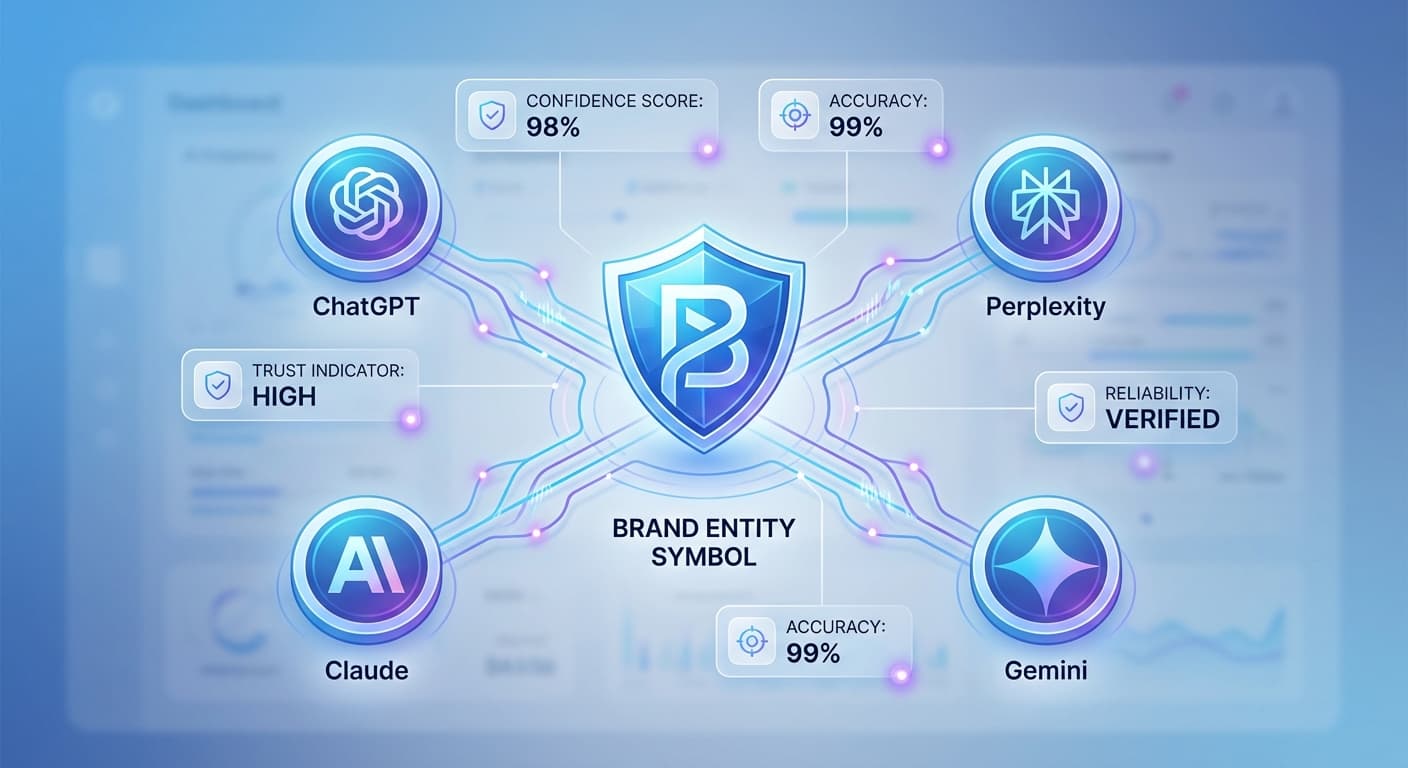
The Citation Tracker provides real-time visibility into when ChatGPT, Perplexity, Claude, and Gemini actually reference your content in purchase-related responses—data that's impossible to capture with traditional analytics.
The AI Rewriter takes your existing content and restructures it specifically for AI purchase intent detection, optimizing elements like comparison frameworks, pricing context, and trust signals that influence AI shopping recommendations.
Ready to Optimize for AI Search?
As AI shopping agents become the primary discovery mechanism for 73% of purchase decisions in 2026, optimizing for purchase intent signals they actually detect isn't optional—it's essential for competitive survival. Citescope Ai provides the visibility and optimization tools you need to ensure your content triggers the right signals when AI agents evaluate purchase intent. Start with our free tier to analyze your top 3 pieces of sales content and see exactly how AI agents currently perceive your purchase intent signals. Try Citescope Ai free today and discover what your current analytics are missing.